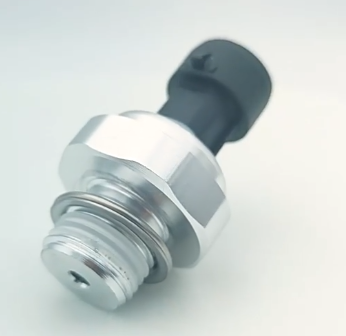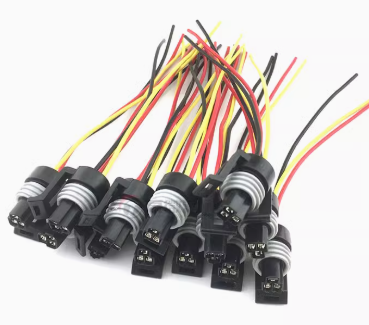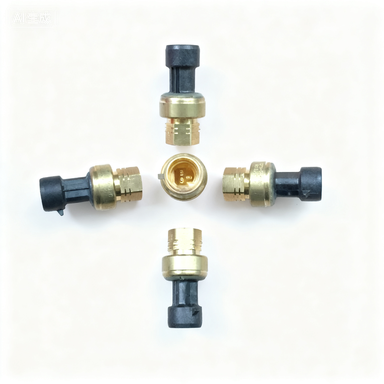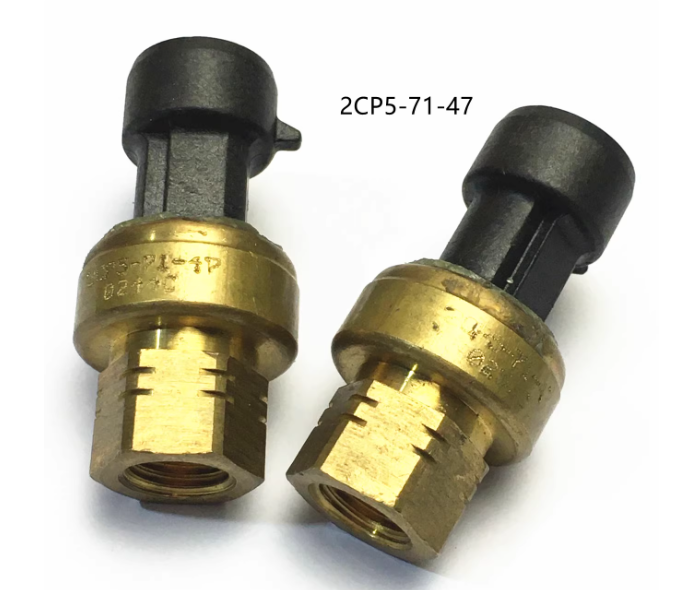
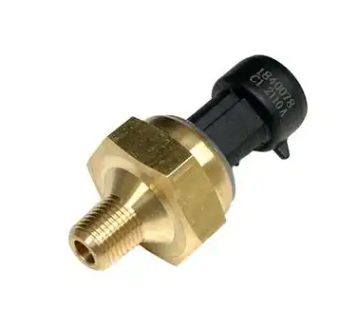
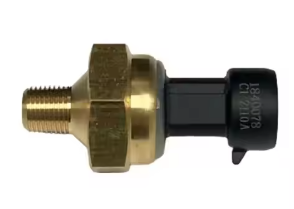
Exhaust Back Pressure Sensor
Model: SensorMass20250317S2
Measuring range: Inside the engine
Style: Modern
Application: for Ford
Description:
The Exhaust Back Pressure Sensor (EBP Sensor) on a 6.0 Powerstroke diesel engine is a critical component that monitors the pressure of exhaust gases in the exhaust system. This sensor helps the engine control module (ECM) regulate the exhaust back pressure to optimize engine performance and emissions..
Features
- Pressure Monitoring: Measures the exhaust gas pressure to ensure it stays within the optimal range.
- Turbocharger Control: Works with the ECM to adjust the turbocharger’s performance based on exhaust pressure.
- Emissions Management: Helps maintain proper exhaust flow to reduce harmful emissions.
Application
- Suitable for a 6.0-liter Powerstroke diesel engine. Ford exhaust back pressure sensor.
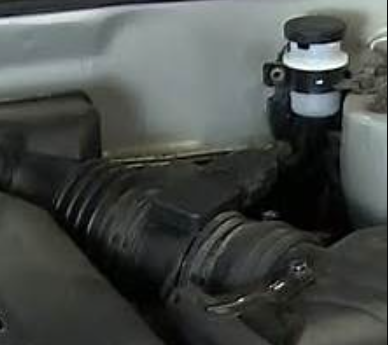
6.0 Powerstroke Exhaust Back Pressure Sensor Location
The EBP sensor is typically located near the exhaust manifold or on the up-pipe leading to the turbocharger.
Specifications
| Product name | Exhaust Back Pressure Sensor |
| Model | SensorMass20250317S2 |
| Measuring range | Inside the engine |
| Style | Modern |
| Output Type | electrical signal |
What are the symptoms of a bad exhaust back pressure sensor?
What happens when an exhaust pressure sensor fails?
A faulty exhaust back pressure (EBP) sensor can cause a variety of performance and efficiency issues in your vehicle. Here are the common symptoms to look out for:
1. Reduced Engine Power: The engine may feel underpowered or sluggish, especially under load or during acceleration.
2. Poor Fuel Efficiency: Incorrect exhaust pressure readings can lead to inefficient fuel usage.
3. Excessive Exhaust Smoke: You might notice increased smoke from the exhaust, which can indicate improper air-fuel mixture.
4. Rough Idling: The engine may idle unevenly or vibrate more than usual.
5. Engine Hesitation or Stalling: Hesitation while accelerating or stalling at low speeds can occur.
6. Check Engine Light: Fault codes related to the EBP sensor, such as P0470 or P0471, may appear.
7. Turbocharger Issues: The turbo may not function correctly, as it relies on accurate exhaust back pressure readings to operate efficiently.
What does an exhaust back pressure sensor do?
An exhaust back pressure (EBP) sensor monitors the pressure of exhaust gases in the exhaust system. This information is crucial for modern diesel engines, as it helps the engine control module (ECM) make adjustments to ensure optimal performance and reduce emissions
What happens if the DPF pressure sensor fails?
If the Diesel Particulate Filter (DPF) pressure sensor fails, it can lead to several issues affecting your vehicle’s performance and emissions system. Here’s what might happen:
1. Check Engine Light: The engine control module (ECM) may detect abnormal readings and trigger the warning light.
2. DPF Regeneration Issues: The sensor helps monitor the soot level in the DPF. A failure can prevent proper regeneration, leading to a clogged filter.
3. Reduced Engine Performance: A clogged DPF or incorrect pressure readings can cause power loss and sluggish acceleration.
4. Increased Fuel Consumption: The engine may compensate for incorrect data by using more fuel.
5. Excessive Exhaust Smoke: A clogged DPF can result in visible smoke from the exhaust.
6. Potential Engine Damage: Prolonged issues with the DPF system can harm the turbocharger or other engine components.