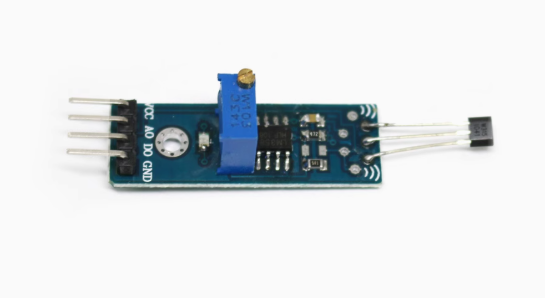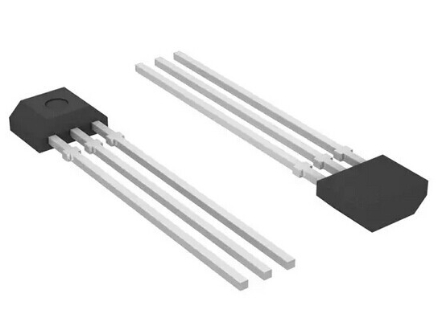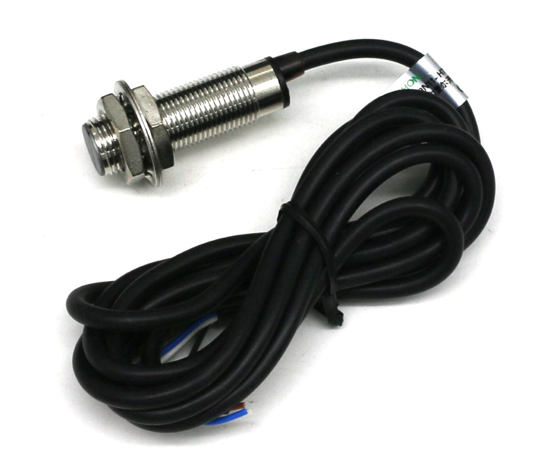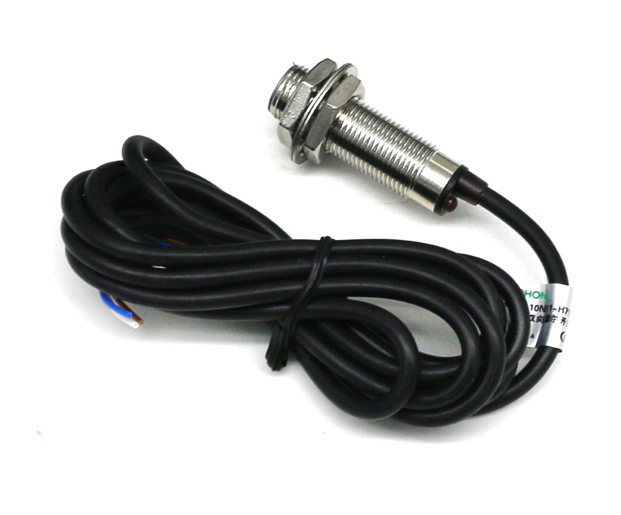
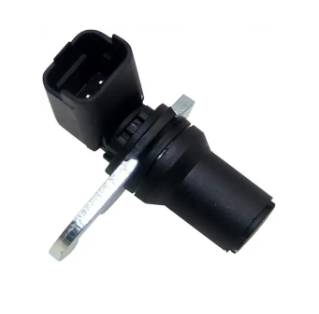
Crankshaft hall sensor
Model: SensorMass20250328S2
Mounting Type: standard
Series: Hall Sensor 41F
Feature: Lightweight
Description:
The Hall effect crankshaft position sensor is a specialized hall sensor used in internal combustion engines to monitor the position and rotational speed of the crankshaft. It relies on the Hall effect principle, where a voltage is generated in a conductor when exposed to a magnetic field perpendicular to the flow of current..
Features
- Non-Contact Operation: Reduces wear and tear since it doesn’t physically touch the crankshaft.
- High Accuracy: Crucial for engine performance and fuel efficiency.
- Durability: Reliable under varying temperatures and speeds.
Application
- Applied to car. This sensor is a cornerstone of modern engine management systems.
Specifications
| Product name | Crankshaft position sensor hall effect |
| Model | SensorMass20250327S2 |
| Mounting Type | standard |
| Series | Hall Sensor 41F |
| Feature | Lightweight |
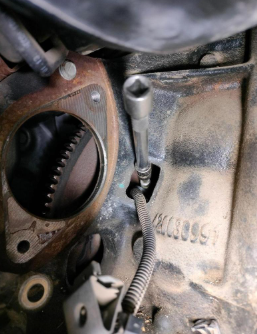
What is a hall crank sensor?
A Hall crank sensor is a type of crankshaft position sensor that uses the Hall effect principle to detect the position and rotational speed of the crankshaft. It plays a vital role in modern engine management systems by providing precise timing information to the engine control module (ECM).
What happens when the crankshaft sensor is bad?
When a crankshaft position sensor goes bad, it can cause several issues in the vehicle’s performance and operation because the sensor provides crucial data to the engine control module (ECM). Here are some of the common crank position sensor symptoms:
1. Engine Won’t Start: If the sensor completely fails, the ECM won’t receive the necessary data to control ignition timing and fuel injection, preventing the engine from starting.
2. Stalling: The engine may suddenly stall while driving, as the ECM loses information about the crankshaft’s position.
3. Misfires: Incorrect timing of the ignition or fuel injection can lead to engine misfires, causing a loss of power and rough performance.
4. Check Engine Light: A malfunctioning crankshaft sensor will usually trigger the check engine light. Diagnostic trouble codes like P0335 (Crankshaft Position Sensor Circuit Malfunction) are common.
5. Poor Fuel Economy: With inaccurate crankshaft position data, the engine may consume more fuel than necessary.
6. Erratic Acceleration: The vehicle may hesitate, jerk, or lack power during acceleration.
7. Hard Starting: The engine may take longer to start, especially in cold conditions, due to incorrect timing data.
How can you tell if a Hall sensor is bad?
Detecting a faulty Hall effect sensor typically involves observing the system
’
s behavior and performing diagnostic tests. How to Test:
1. Visual Inspection: Look for physical damage, dirt, or debris near the sensor or its magnetic components.
2. Measure Output Voltage: Use a multimeter to check if the Hall sensor is producing voltage when exposed to a magnetic field.
3. Diagnostic Tools: Vehicle owners can use an OBD-II scanner to identify error codes related to the sensor.
4. Swap with a Known Good Sensor: If possible, replace the suspected sensor temporarily to see if the issue is resolved.