
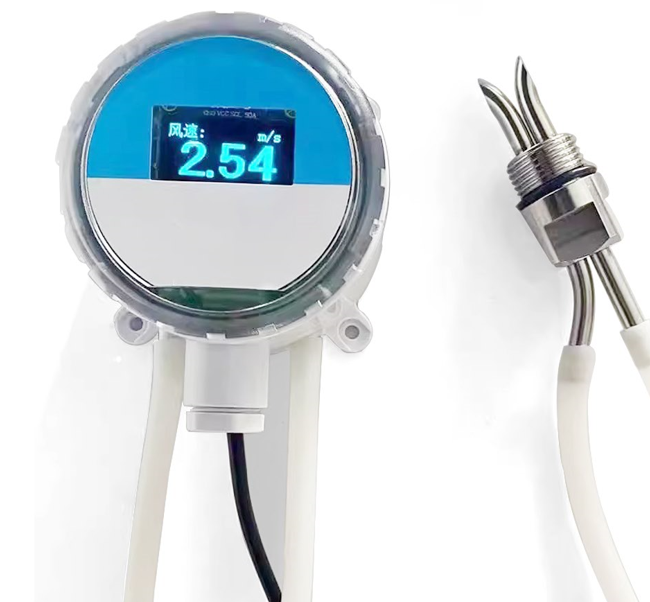
Air Velocity Sensor
The Air Velocity Sensor uses the Bernoulli equation and Pitot tube principle to convert pressure into wind speed and air volume output. The host equipped with a standard Pitot tube can measure the flow rate and velocity, as well as temperature and pressure of the air duct.
Product Overview
Pitot Tube Air Velocity Sensor
This Air flow sensor requires very little air volume, and its performance is stable and reliable even in harsh environments. Compared with other traditional wind speed sensors, it can achieve better stability and ensure faster and accurate micro-air volume measurement and accuracy; The shell is made of high temperature resistant and anti-corrosion material, with no zero point drift and excellent long-term stability, making it more cost-effective. In addition, this series of transmitters can withstand transient high wind speeds and high wind pressures.
High Accuracy
Precise measurements with minimal drift over time
Wide Operating Range
Performs reliably in extreme temperature conditions
Fast Response
Rapid detection of air velocity changes
Durable Construction
Robust design for long service life
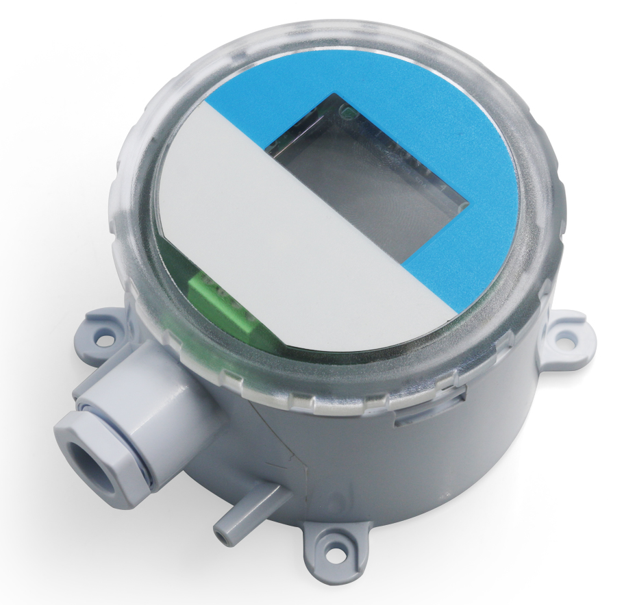
Technical Specifications
| Measuring Range | 0-10 m/s, 0-20 m/s, 0-30 m/s, 0-40 m/s, 0-70 m/s |
| Maximum Overload | 5 times the standard range |
| Output | Air velocity, air volume |
| Accuracy | 3% F·s |
| Display Resolution | 0.01 |
| Power Supply | 24 VDC |
| Load Resistance | ≤500 Ω |
| Long-Term Stability | ±1% F·s/year |
| Relative Humidity | 0-95% |
| Compensated Temperature | 0-70°C |
| Protection Rating | IP54 |
| Operating Temperature | -40-800°C (For flanges over 400 degrees, the pressure lead pipe at the rear end is lengthened by 10cm.) |
Applications
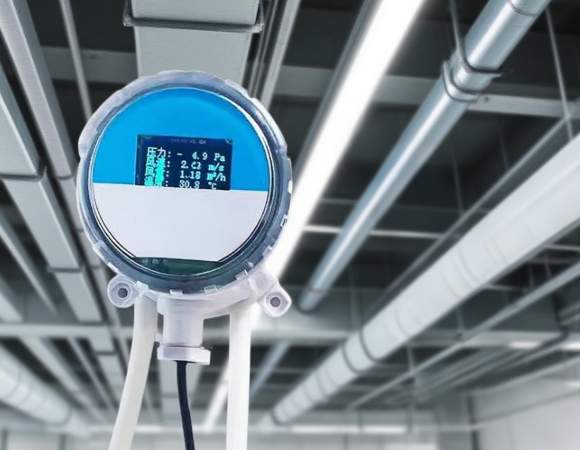
General HVAC System
By monitoring airflow rates, Air Velocity Sensor HVAC enable facility managers to adjust system operations to prevent overuse and minimize energy waste. This ensures that air is distributed efficiently throughout a building, enhancing occupant comfort and overall system efficiency.
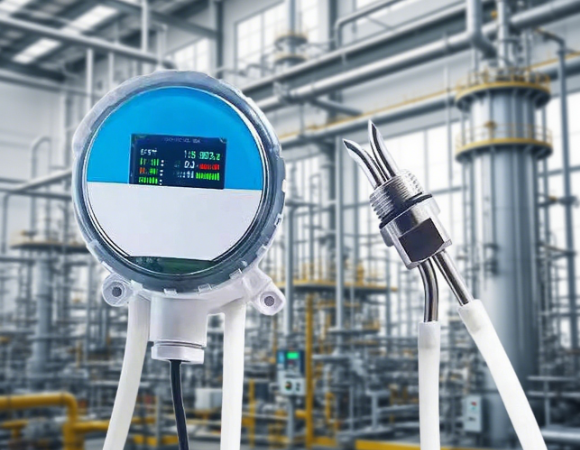
Chemical Production
In chemical production, monitoring the velocity and volume of high-temperature, corrosive gases is crucial for ensuring the proper operation of equipment such as reactors and heat exchangers. The Air Volume Sensor is designed to withstand high temperatures, and its stainless steel pitot tube offers excellent corrosion resistance.
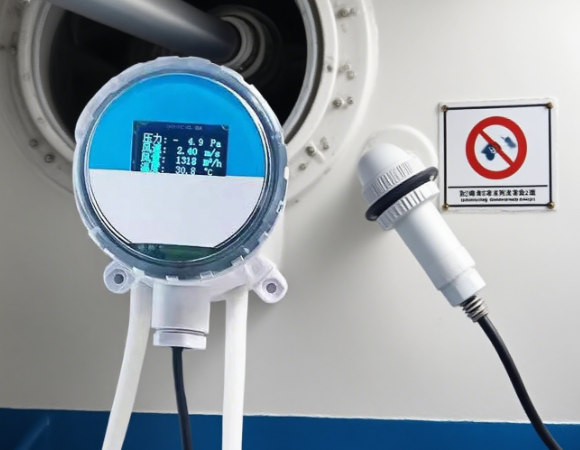
Variable Air Volume Systems
In VAV systems, which control temperature by varying the amount of conditioned air supplied to a space, Duct air velocity sensor is essential. They measure the airflow into each zone, allowing the system to adjust the dampers and deliver the precise amount of heating or cooling needed.

Industrial Emissions Monitoring
In industrial settings, these sensors are used to monitor and control airflow for processes that require specific environmental conditions, such as managing pollutants.
The Industrial air velocity sensor can help monitor the flue gas emission rate of industrial emissions to ensure compliance with environmental protection standards.
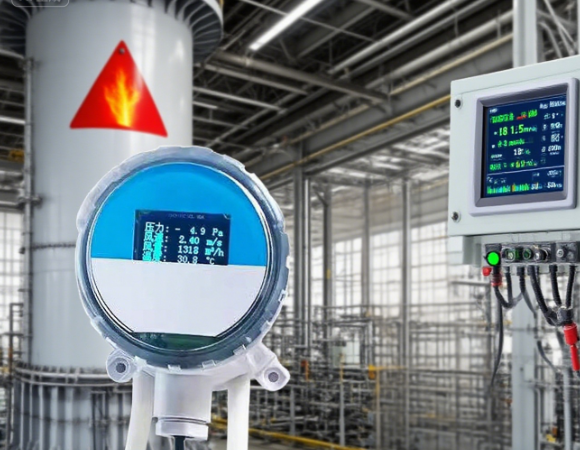
Combustion Monitoring
Flue gas treatment systems typically include multiple steps, including denitrification, dust removal, and desulfurization. The operating efficiency of each step is closely related to the flue gas flow rate. For example, in a denitrification system, High Temperature Air Velocity Sensor monitor and control the flow rate to ensure optimal denitrification conditions.
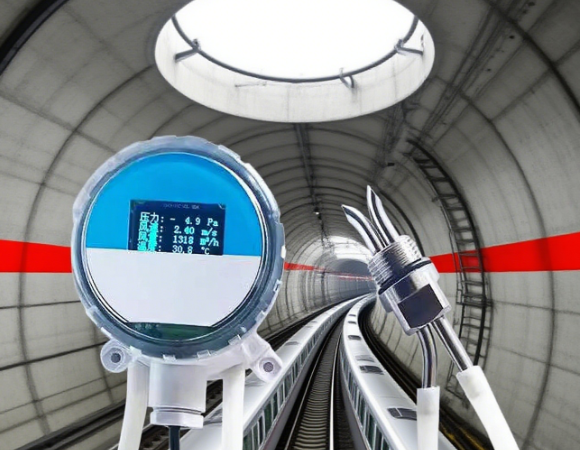
Tunnel Ventilation Monitoring
In tunnel and subway projects, the proper functioning of ventilation systems is crucial to passenger safety. The Differential pressure sensor monitors ventilation system status and identifies potential safety hazards.
FAQ
How often should air velocity sensors be calibrated?
We recommend calibration every 12-24 months under normal operating conditions. In harsh environments with high levels of dust, humidity, or temperature extremes, more frequent calibration (every 6-12 months) may be necessary to maintain accuracy.
What is the difference between air velocity and air flow?
Air velocity refers to the speed of air movement, typically measured in meters per second (m/s) or feet per minute (fpm). Air flow (or airflow rate) is the volume of air moving through a specific area over time, usually measured in cubic meters per hour (m³/h) or cubic feet per minute (CFM). Air flow can be calculated by multiplying air velocity by the cross-sectional area of the duct or space.
How should air velocity sensors be installed for accurate measurements?
Sensors should be installed in a location with undisturbed airflow, away from obstructions, bends, or turbulence. For duct measurements, the sensor should be placed at least 5-10 duct diameters downstream from any elbows, dampers, or other flow-disturbing elements. The sensing element should be aligned perpendicular to the direction of airflow for optimal accu
Related Products
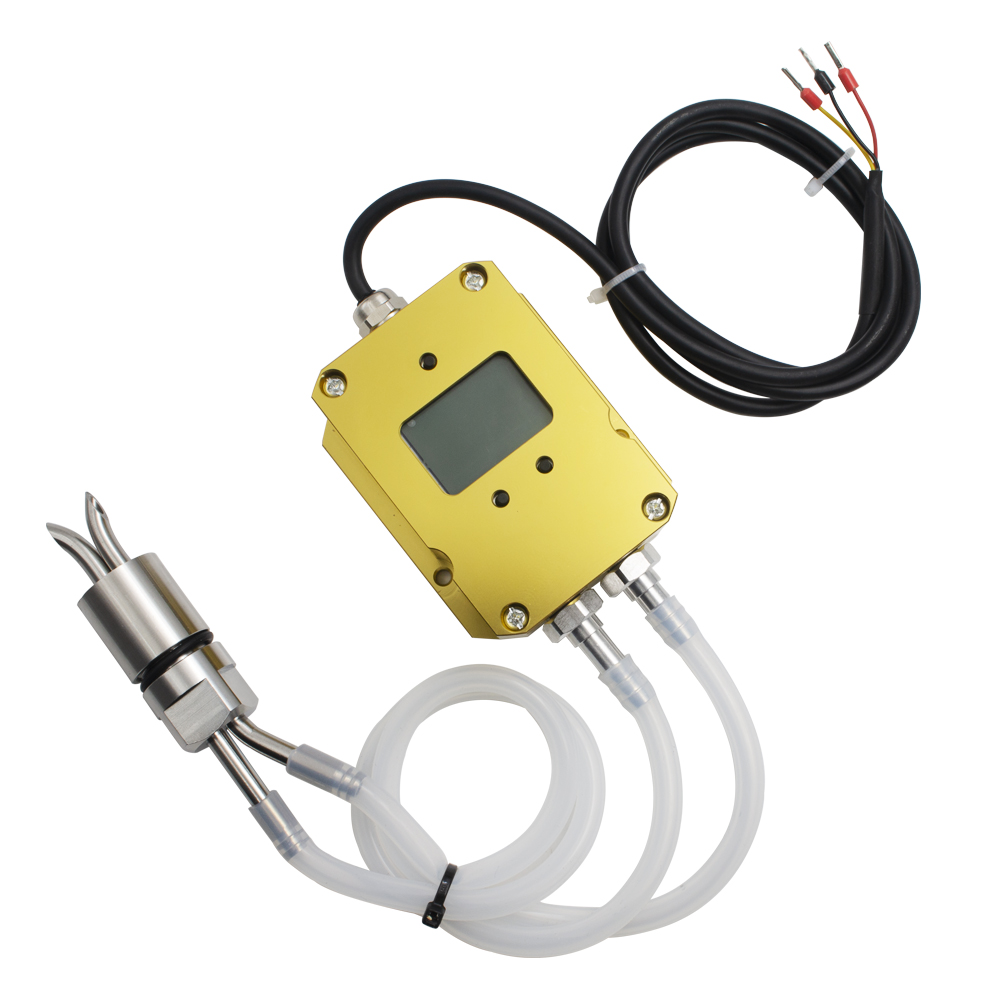
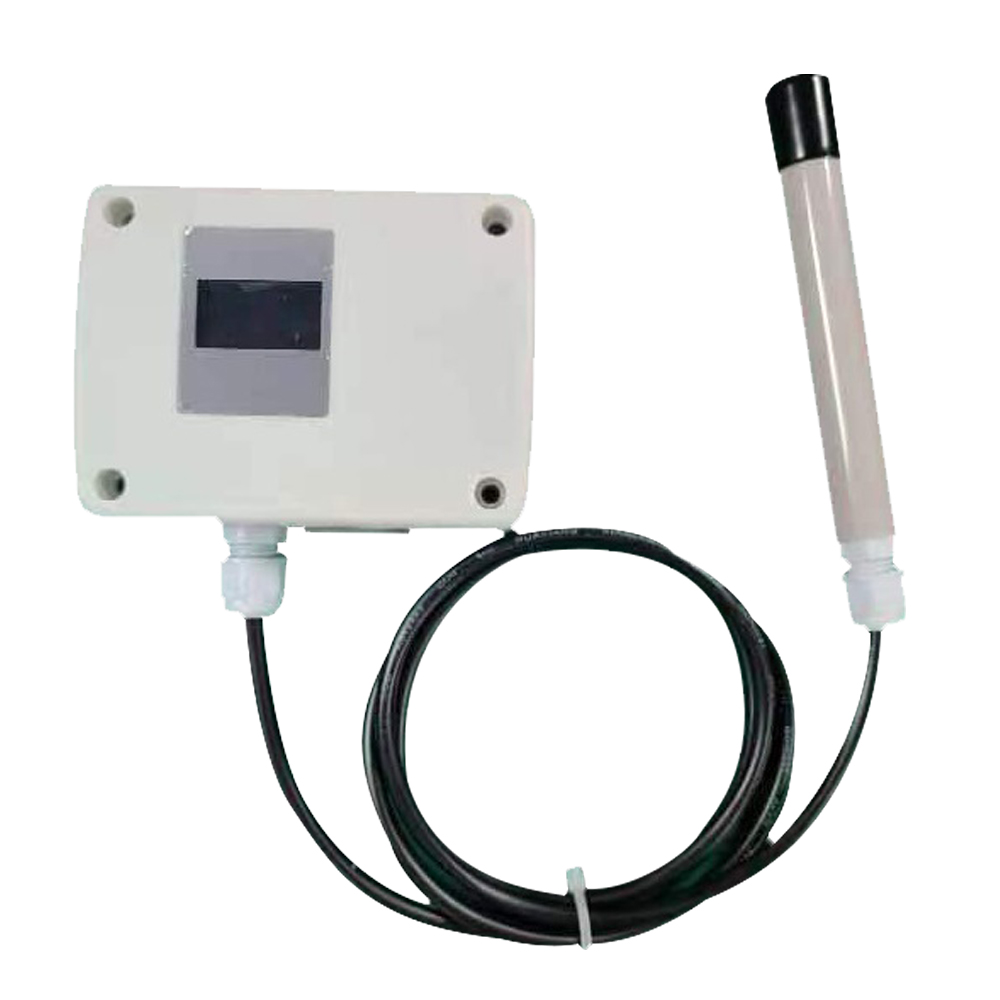
LD750
Air Velocity Sensor
$16.99
Operating Temp:
Connector Type:
-40°C to 125°C
3-Pin
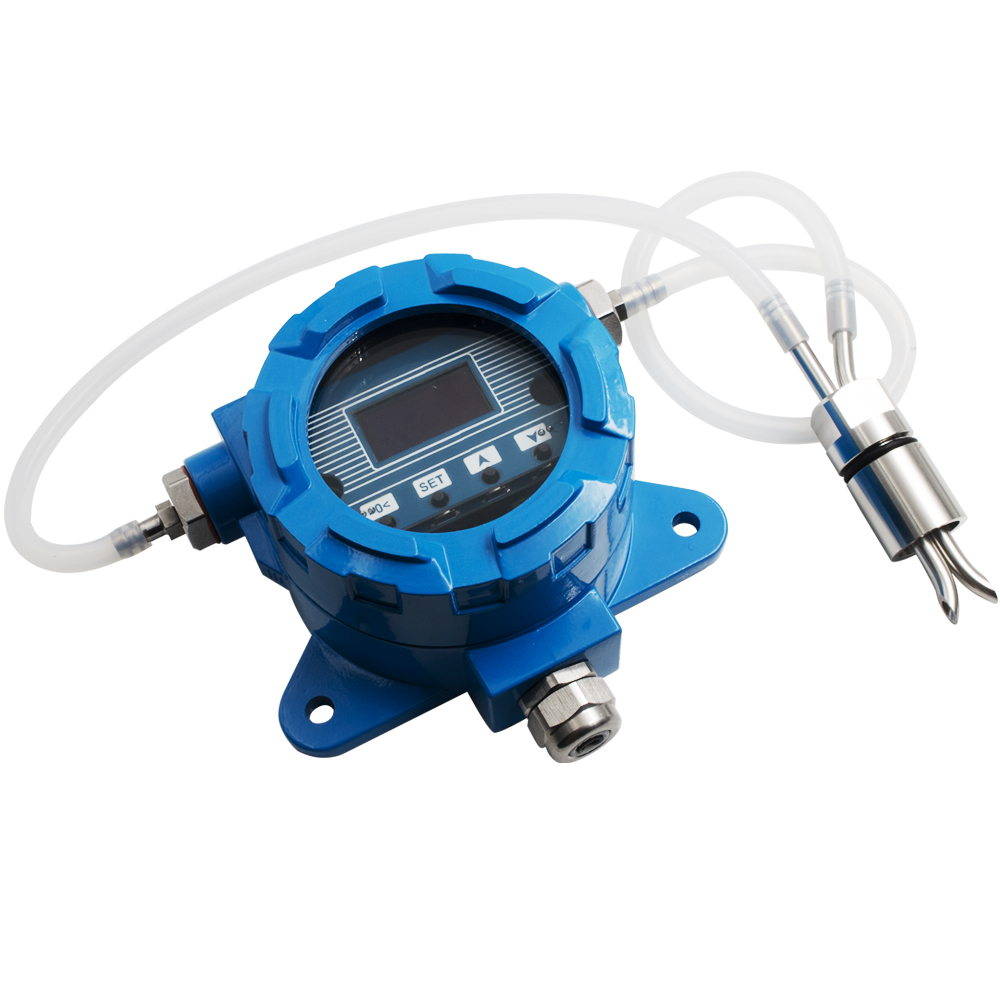
LD751
Hot Film Air Flow Sensor
$16.99
Operating Temp:
Connector Type:
-40°C to 125°C
3-Pin
LD752
Air Flow Volume Sensor
$16.99
Operating Temp:
Connector Type:
-40°C to 125°C
3-Pin