Optical vs. Electrochemical DO Sensors for Aquaculture: Which One Delivers Better ROI?
For a shrimp or fish farm manager, the question is not just “which sensor is more accurate in a laboratory,” but: Which technology delivers a better return on investment (ROI) when deployed continuously in warm, nutrient-rich, biofouling-prone aquaculture ponds?
This page answers that question by comparing capital cost, maintenance labor, calibration frequency, longevity, and the hidden costs of data failure between Optical vs Electrochemical DO Sensors for Aquaculture
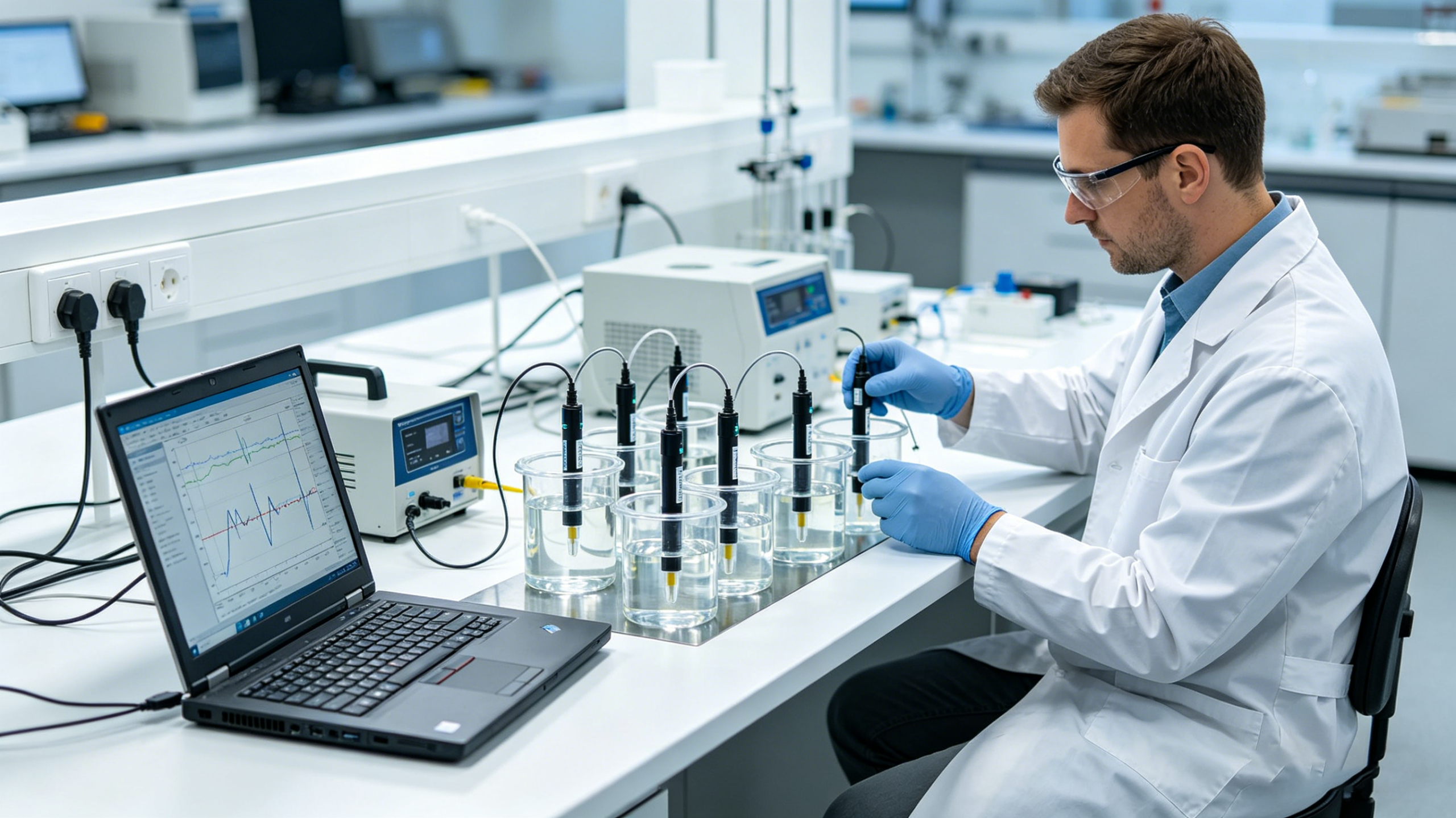
When you invest in a dissolved oxygen monitoring in aquaculture system, the sensor technology you choose becomes the single greatest determinant of long-term data quality, operational labor, and total cost of ownership. The market today is split between two fundamental approaches: optical (fluorescence) sensors and electrochemical (galvanic/polarographic) sensors. While both technologies measure the concentration of oxygen dissolved in water, they diverge dramatically in how they achieve that measurement—and in the financial implications they carry across a full grow-out cycle.
How the Technologies Compare: A Quick Reference
| Feature | Optical (Fluorescence) DO Sensor | Electrochemical DO Sensor |
|---|---|---|
| Measurement principle | Luminescence quenching by oxygen | Electrochemical reduction of oxygen at a cathode |
| Consumables | None (solid-state sensing cap) | Membrane, electrolyte, anode |
| Typical calibration interval | Every 2–4 weeks (air calibration) | Every 1–2 weeks, often longer for polarographic |
| Response to biofouling | Smooth window; can integrate automated wipers | Membrane easily fouled; manual cleaning required |
| Lifetime of sensing element | 1–2+ years for a replaceable cap | 6–12 months for membranes and electrolyte |
| Sensitivity drift in field | Very low | High (±20% within two weeks in dirty water) |
| Upfront cost | Higher | Lower |
| Total cost over 2 years | Lower | Higher (due to consumables and labor) |
The Electrochemical Advantage: Low Purchase Price, High Attention Demand
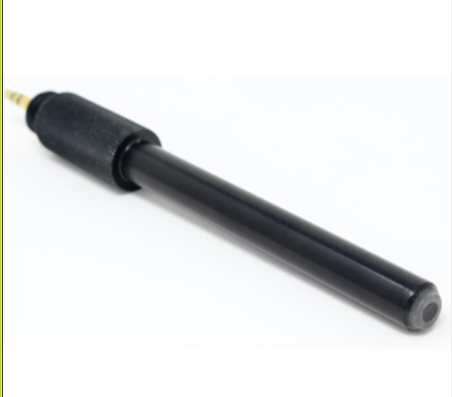
Electrochemical sensors—both galvanic and polarographic types—have been the workhorses of water quality measurement for decades. Their upfront purchase price is undeniably attractive, often coming in at 50–70% less than an equivalent optical sensor. For a farm that has always used manual spot-checks with a handheld meter, an electrochemical probe feels familiar and inexpensive.
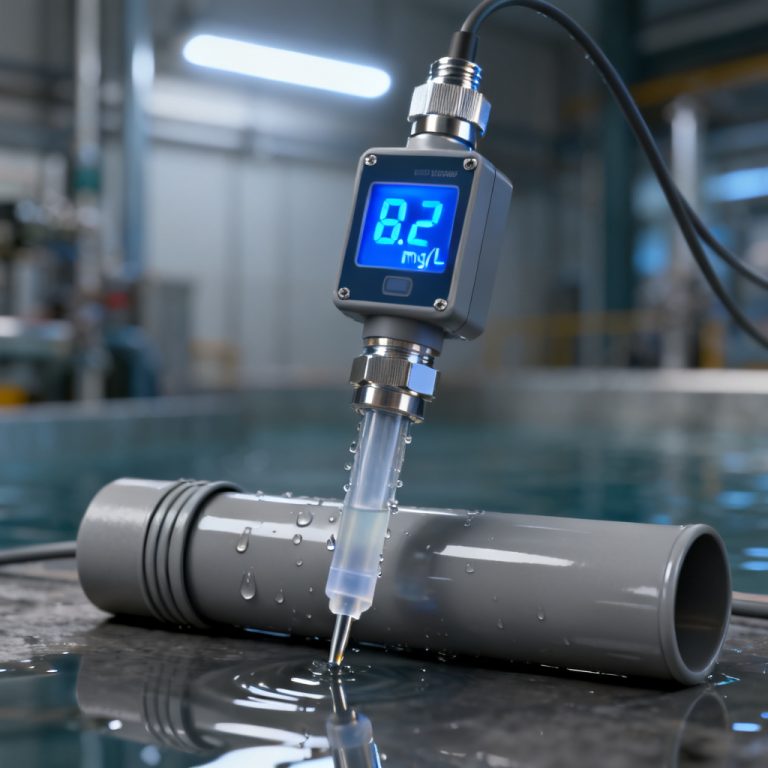
However, the true cost of electrochemical technology for continuous dissolved oxygen monitoring in aquaculture emerges rapidly. These sensors consume themselves during measurement: the anode oxidizes, the electrolyte depletes, and the thin oxygen-permeable membrane stretches, tears, or fouls. In intensive aquaculture water—loaded with algae, bacteria, suspended solids, and biofilm—an unprotected membrane can become a sheet of slime within days. A fouled membrane under-reports oxygen, and a punctured membrane renders the sensor useless.
The calibration drift is another profound liability. Research and field evidence confirm that electrochemical sensors can drift by over 20% within two weeks in warm, biologically active water. A 20% drift means that a sensor displaying a seemingly safe 4.0 mg/L could be measuring only 3.2 mg/L in reality—dangerously close to the hypoxia threshold where feeding stops and mortality begins. The labor cost of twice-weekly calibration and membrane replacement quickly erases the initial purchase savings.
The Optical Advantage: Higher Initial Cost, Radically Lower Operational Burden
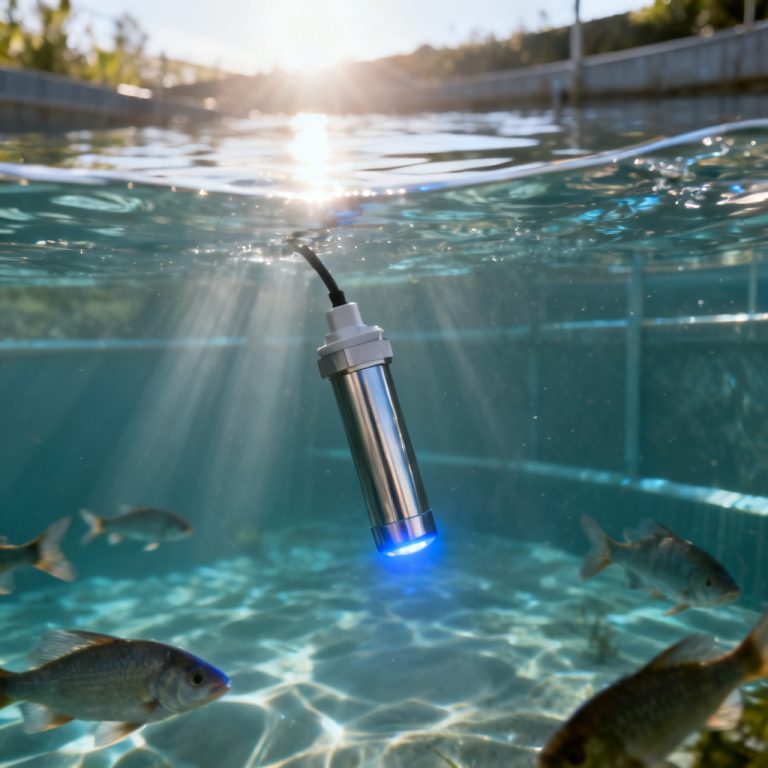
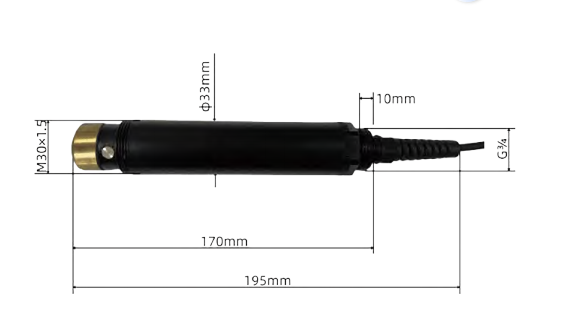
Optical fluorescence technology inverts the cost equation. Instead of consuming oxygen at an electrode, an optical sensor shines a blue light onto a luminescent dye immobilized in a sensing cap. Oxygen molecules in the water “quench” this luminescence, shortening its lifetime in a way that is precisely and repeatably proportional to oxygen partial pressure. This principle is the foundation of every modern optical DO sensor technology used in aquaculture today.
From an ROI perspective, the operational benefits are transformative:
- No membrane, no electrolyte, no anode degradation. The sensor head is a solid-state device. There is nothing for the operator to refill, stretch, or replace on a weekly basis.
- Airtight calibration stability. An optical sensor typically requires a simple air calibration only every 2–4 weeks—a procedure that takes minutes and requires no chemicals. For step-by-step guidance, see our detailed resource on DO sensor calibration.
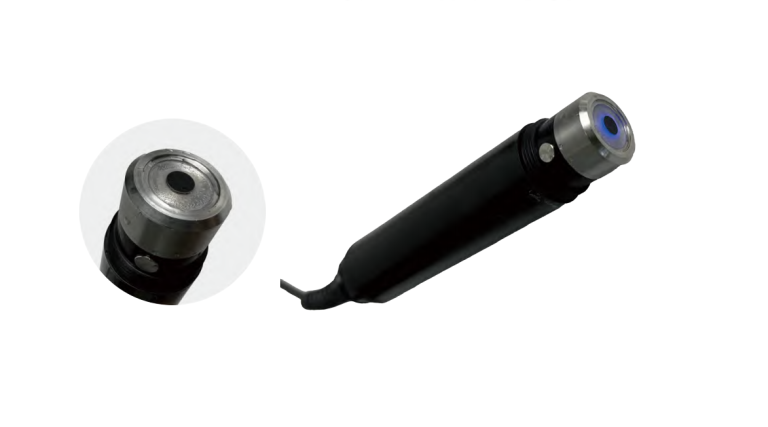
- Biofouling resistance as a design feature. The optical sensing window is a flat, smooth surface that can be easily wiped. Premium optical sensors designed for long-term deployment integrate motorized mechanical wipers and copper-alloy guards that provide continuous, passive antifouling. When combined with intelligent cleaning logic—where a sudden DO drop triggers a wipe to validate whether the reading is real or a biofilm artifact—you gain a level of data confidence that electrochemical sensors simply cannot deliver. Learn more in our deep dive on biofouling prevention.
- Longer field life. The sensing cap on a quality optical sensor typically lasts 1–2 years before requiring replacement, and the sensor electronics remain sealed for years. Compare this to the 6–12 month cycle of membrane kits, electrolyte bottles, and anode polishing that comes with electrochemical ownership.
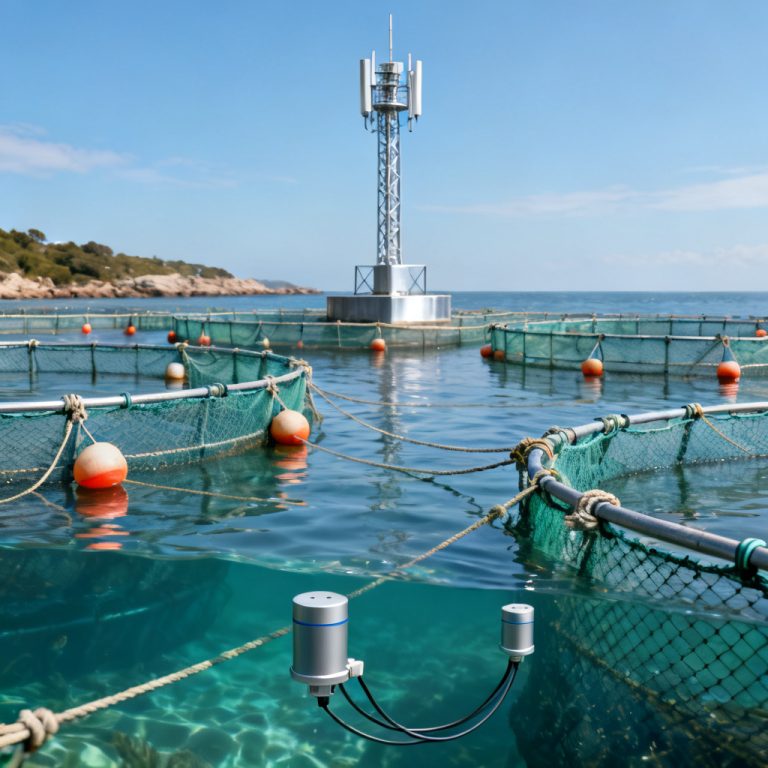
It is precisely because of these attributes that the best-practice guide on dissolved oxygen monitoring in aquaculture identifies optical sensors as the standard for farms where uninterrupted real-time data and automated aeration control are business-critical.
What Drives True ROI: A Case-Based Comparison
Consider a typical intensive shrimp farm with 10 production ponds, each equipped with one continuous monitoring station. The farm operates two crops per year and runs paddlewheel aerators on a timer-based schedule. The manager is deciding between outfitting all 10 stations with electrochemical sensors (low initial cost) or optical sensors with integrated anti-biofouling (higher initial cost).
Annual cost breakdown for 10 stations (USD)
| Cost Category | Electrochemical System | Optical System |
|---|---|---|
| Sensor hardware (10 units) | $3,000 | $8,000 |
| Consumables (membranes, electrolyte, caps) | $2,500/year | $500/year |
| Labor for calibration & cleaning (2 hrs/week/sensor) | $7,500/year | $1,500/year |
| One hypoxia-related mortality event (20% loss in 1 pond) | $12,000 | Prevented by reliable automated control |
| Excess energy from timer-based aeration vs. DO-based | $4,000/year | Optimized |
| Total Year-1 Cost | $29,000 | $10,000 |
While the electrochemical system appears cheaper on Day 1, its true first-year cost is almost triple that of the optical system once labor, consumables, calibration downtime, and a single hypoxia event are factored in. The optical system’s higher initial hardware cost is fully recovered within the first grow-out cycle through reduced labor, avoided feed waste, and the prevention of even one mortality event.
This does not even account for the improved feed conversion ratio (FCR) achievable when real-time DO data confidently and continuously drives automated aeration control: a 0.1 improvement in FCR across a 10-pond farm can save over $15,000 per crop in feed costs alone.
When Might Electrochemical Sensors Still Make Sense?
For completeness, electrochemical sensors do retain a role in specific, limited contexts:
- Handheld, spot-checking applications where a technician visits each pond for a few minutes daily, physically cleans the sensor after each use, and recalibrates weekly in a controlled environment.
- Short-term investigations or low-budget research where the sensor is deployed for days rather than weeks, and high-accuracy monitoring over time is not required.
- Backup or validation for an optical sensor network, used periodically to cross-check readings.
For any farm that depends on real-time monitoring for survival and where labor is a constrained resource, the economic argument decisively favors optical sensors.
The Bottom Line: ROI Is Defined by Data You Can Trust, Not Hardware You Must Fix
When profitability hangs on maintaining oxygen above 5 mg/L at the pond bottom at 4:00 a.m., a sensor that drifts, fouls, and demands continuous human intervention is not a monitoring tool—it is a liability. An optical DO sensor, by removing the consumables, the drift, and the constant maintenance from the equation, transforms dissolved oxygen monitoring in aquaculture from a daily chore into a reliable, automated business asset.
The ROI case is clear: over any reasonable equipment lifecycle beyond a few months, the optical sensor costs dramatically less, delivers far more trustworthy data, and directly enables the advanced automation strategies—such as oxygen-based feeding and variable-speed aeration—that drive profitability in modern intensive aquaculture.
To understand how optical sensors integrate into a full monitoring and aeration control system, read our complete guide to dissolved oxygen monitoring in aquaculture. For a deeper comparison of sensor technologies and detailed technical specifications, explore our optical DO sensor technology page.