How do I tell if my mass airflow sensor is bad?
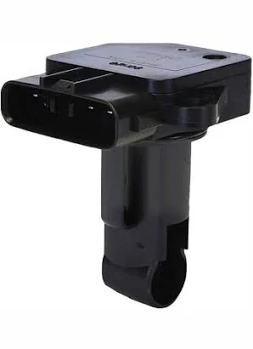
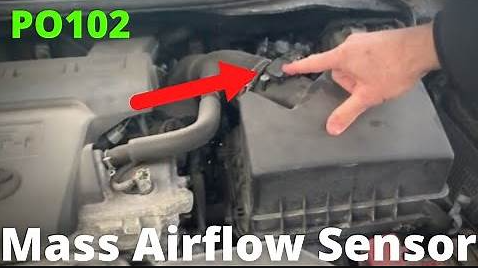
Determining if your mass air flow sensor is faulty involves looking out for certain symptoms and performing some basic tests. Here’s how you can identify a bad MAF sensor:
Common Air Flow Sensor Symptoms:
- Check Engine Light: The most common indicator, as the engine control module (ECM) flags irregular airflow data.
- Sluggish Acceleration: Hesitation or delayed response when you press the accelerator.
- Rough Idling: The engine may feel unstable or idle unevenly.
- Increased Fuel Consumption: A faulty sensor can lead to improper air-fuel mixture, reducing fuel efficiency.
- Black Smoke from Exhaust: Indicates the engine is running rich (too much fuel and not enough air).
- Engine Stalling: The engine may stall while idling or driving.
- Hard Starting: Difficulty starting, particularly in colder conditions.
Basic Tests:
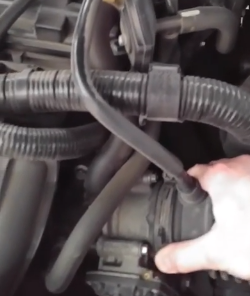
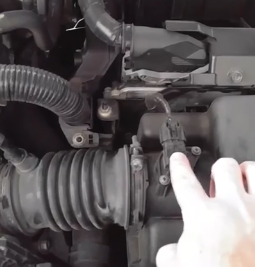
- Visual Inspection: Check the MAF sensor for dirt, debris, or damage.
- Disconnect Test: Unplug the MAF sensor. If the engine runs better, it may indicate the sensor is sending incorrect data.
- OBD-II Scanner: Use a diagnostic tool to check for fault codes related to the MAF sensor (e.g., P0101, P0102, P0103).
How do I know if my MAF sensor needs to be cleaned or replaced?
To determine if your MAF sensor (mass air flow sensor) needs cleaning or replacement, you can assess the mass air flow sensor problems and perform some basic checks:
Signs It May Just Need Cleaning:
- Mild Performance Issues: If you notice reduced fuel efficiency, hesitation, or rough idling, but they’re not severe or consistent, cleaning might be enough.
- Visible Dirt or Debris: Upon inspection, if you see dirt, oil, or contaminants on the sensor, cleaning could resolve the problem.
- No Physical Damage: If the sensor housing and wires are intact, cleaning is a good first step.
Signs It May Need Replacement:
- Persistent Issues: If cleaning doesn’t resolve symptoms like stalling, black smoke, or poor acceleration, it may indicate sensor failure.
- Physical Damage: Cracks, broken components, or damaged wiring are signs the sensor must be replaced.
- Fault Codes: If you’re getting recurring MAF sensor-related codes (e.g., P0101, P0102, P0103) even after cleaning, it’s likely time for a replacement.
- Age and Wear: Over time, the sensor’s internal electronics can degrade, requiring replacement.
What to Do:
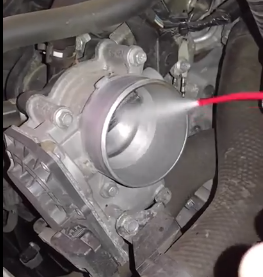
- Start by cleaning the sensor with a dedicated MAF sensor cleaner (avoid touching the sensor wires).
- If the issues persist after cleaning, replacement might be necessary.
Can I drive with a bad MAF sensor?
While it’s technically possible to drive with a bad mass air flow (MAF) sensor, it is not advisable, and here’s why:
- Engine Performance Issues: A faulty MAF sensor can cause poor acceleration, rough idling, or even stalling, which can make driving unsafe.
- Increased Fuel Consumption: Without accurate airflow data, your engine control module (ECM) may provide an improper air-fuel mixture, wasting fuel.
- Potential Engine Damage: Prolonged driving with an incorrect air-fuel ratio could harm components like the spark plugs or catalytic converter.
- Unexpected Stalling: Your vehicle may stall randomly, putting you and others at risk while driving.