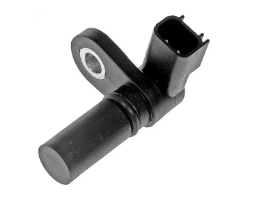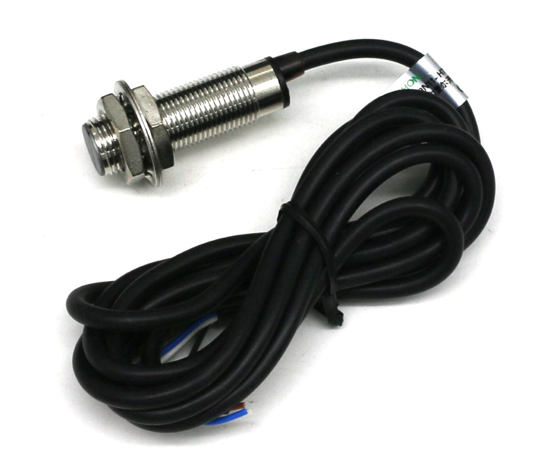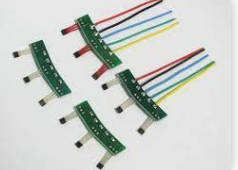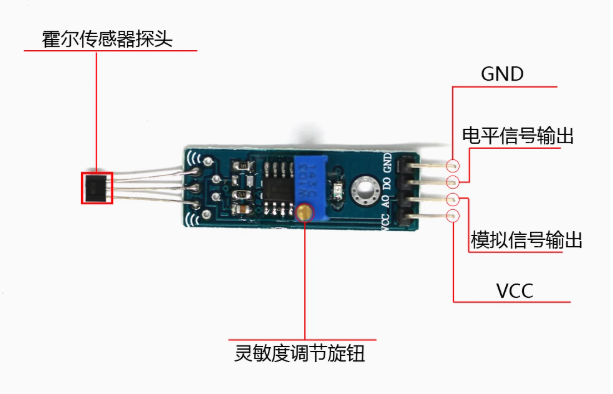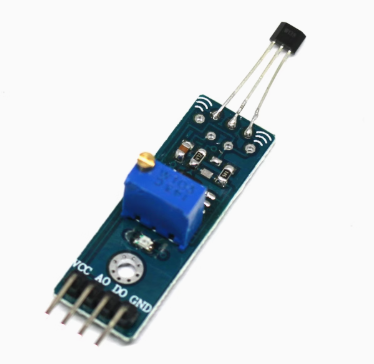
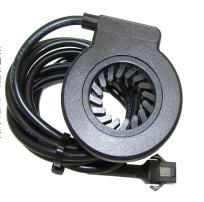
Hall sensor ebike
Model: SensorMass20250331S4
Mounting Type: standard
Series: Hall Sensor 41F
Feature: Lightweight
Description:
An Ebike hall sensor connector is a component that links the Hall sensors in the motor to the e-bike’s controller. These connectors transmit signals from the Hall sensors, which detect the rotor’s position and speed, to the controller for efficient motor operation.
Features
- Wiring: Typically includes multiple wires (e.g., 5 or 6) for power, ground, and signal transmission.
- Connector Types: Commonly uses waterproof or quick-connect plugs to ensure durability and ease of installation.
- Compatibility: Must match the controller and motor specifications for proper functionality.
Application
- Applied to modern e-bikes, enhancing both performance and reliability.
Specifications
| Product name | Ebike hall effect sensor |
| Model | SensorMass20250331S4 |
| Mounting Type | standard |
| Series | Hall Sensor 41F |
| Feature | Lightweight |
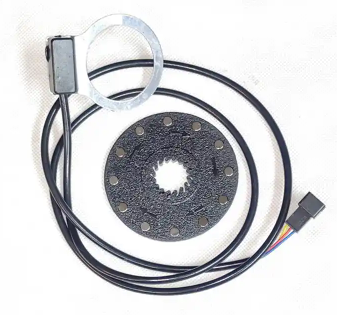
What is the hall sensor on a ebike?
A hall sensor ebike on an e-bike is a key component located within the motor system. It uses the Hall effect to detect the position and movement of the rotor, which is critical for controlling the motor’s operation. Without it, the motor controller wouldn’t be able to properly manage the timing and power delivery.
How to fix hall sensor error ebike?
Fixing a Hall sensor error on an e-bike typically involves diagnosing the issue and addressing the root cause. Here are some steps you can follow:
1. Check for Error Codes
Look at your e-bike’s display for error codes. Common codes like Error 21, 22, or 23 may indicate Hall sensor issues. Refer to your bike’s manual for specific code meanings.
2. Inspect Wiring and Connections
Examine the wiring between the Hall sensor and the controller for any loose, damaged, or disconnected wires. Repair or replace as needed.
3. Test the Hall Sensor
Use a multimeter to check the Hall sensor’s output. Rotate the wheel slowly and measure the voltage changes. If the sensor doesn’t produce a signal, it may need replacement.
4. Check Sensor Alignment
Ensure the Hall sensor is properly aligned with the motor’s magnets. Misalignment can cause incorrect readings.
5. Replace the Hall Sensor
If the sensor is faulty, desolder the old one and install a new Hall sensor. Make sure to use a compatible replacement.
6. Test the System
After repairs, test the e-bike to ensure the error is resolved and the motor operates smoothly.
What are the symptoms of a faulty hall sensor?
A faulty Hall sensor can cause various issues depending on its application. Here are some common symptoms:
1. Erratic Performance: Systems relying on the sensor may behave unpredictably, such as motors running unevenly or vehicles stalling.
2. No Signal Output: The sensor may fail to produce any signal, leading to system malfunctions.
3. Check Engine Light: In vehicles, a bad Hall sensor can trigger diagnostic trouble codes and illuminate the check engine light.
4. Difficulty Starting: Engines may struggle to start or fail entirely due to incorrect timing data.
5. Reduced Efficiency: Systems may consume more energy or fuel because of inaccurate readings.
6. Intermittent Operation: The sensor may work sporadically, causing inconsistent system behavior.