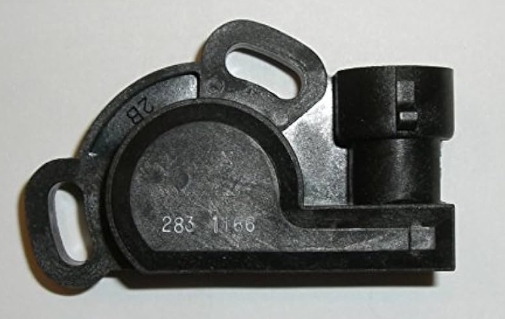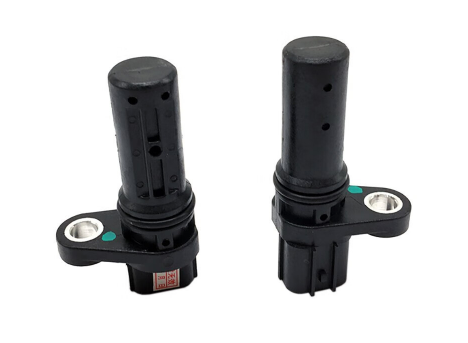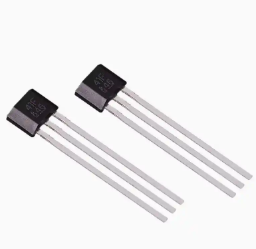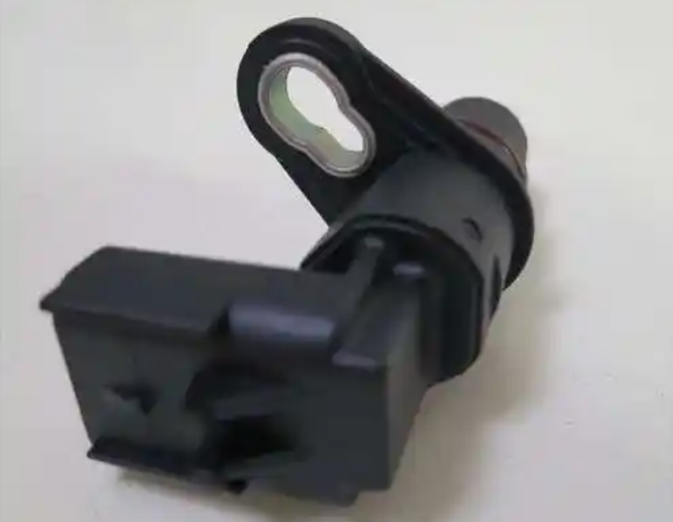
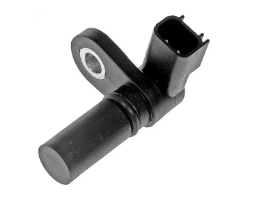
Hall effect crankshaft position sensor
Model: SensorMass20250327S1
Mounting Type: standard
Series: Hall Sensor 41F
Feature: Lightweight
Description:
The Hall effect crankshaft position sensor is a specialized hall sensor used in internal combustion engines to monitor the position and rotational speed of the crankshaft. It relies on the Hall effect principle, where a voltage is generated in a conductor when exposed to a magnetic field perpendicular to the flow of current..
Features
- Non-Contact Operation: Reduces wear and tear since it doesn’t physically touch the crankshaft.
- High Accuracy: Crucial for engine performance and fuel efficiency.
- Durability: Reliable under varying temperatures and speeds.
Application
- Applied to car. This sensor is a cornerstone of modern engine management systems.
Specifications
| Product name | Crankshaft position sensor hall effect |
| Model | SensorMass20250327S1 |
| Mounting Type | standard |
| Series | Hall Sensor 41F |
| Feature | Lightweight |
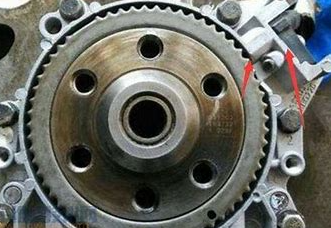
Is a crankshaft position sensor a Hall effect sensor?
Yes, many crankshaft position sensors are Hall effect sensors, but not all of them. Crankshaft position sensors generally fall into two main types:
Hall Effect Sensors: These sensors use the Hall effect principle to detect the presence of a magnetic field generated by a rotating reluctor or pulse wheel. They produce a digital signal that helps the engine control module (ECM) determine the crankshaft’s position and speed. Hall effect sensors are common because they are accurate, durable, and suitable for modern engines.
Inductive Sensors: These sensors rely on electromagnetic induction to detect changes in the magnetic field caused by the movement of the crankshaft’s pulse wheel. They generate an analog signal instead of a digital one. Inductive sensors were widely used in older vehicles but are less common today due to advancements in Hall effect technology.
What happens when Hall effect sensor fails?
When a Hall effect sensor fails, it can lead to various issues depending on its application. Here are some common consequences:
Inaccurate Readings: The sensor may provide incorrect data, leading to improper system operation.
System Malfunction: Devices relying on the sensor, such as motor controllers or ignition systems, may behave erratically or stop functioning.
Safety Risks: In critical systems, a failed sensor can compromise safety by not detecting faults or changes in conditions.
Performance Issues: For example, in vehicles, a failed Hall effect sensor can cause engine misfires, stalling, or difficulty starting.
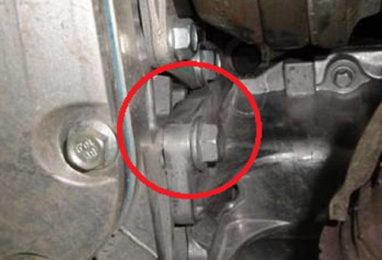
crankshaft position sensor symptoms