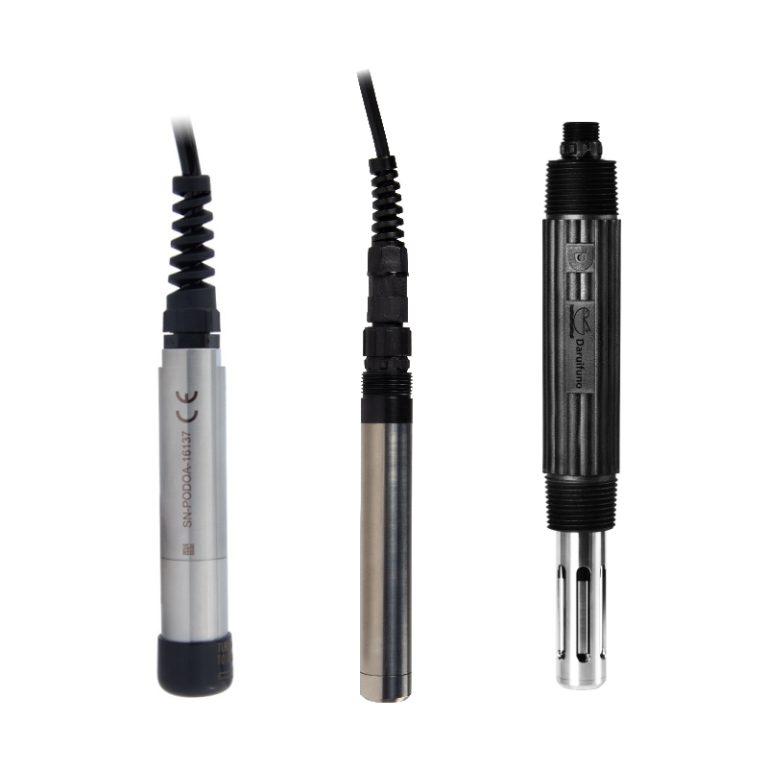
Optical Dissolved Oxygen Sensors: The Complete Technical Guide
Optical dissolved oxygen sensors are high-precision analytical instruments for water quality monitoring. This professional guide explains core technologies, advantages and applications for global industrial buyers.
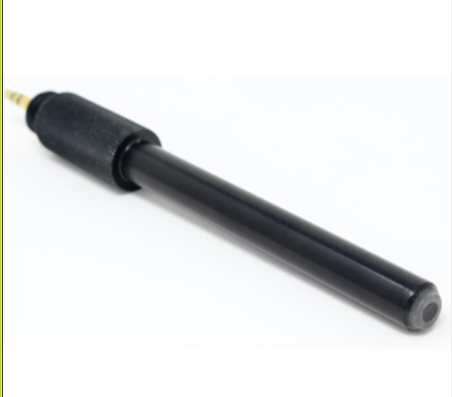
Physics of Optical Dissolved Oxygen Sensors
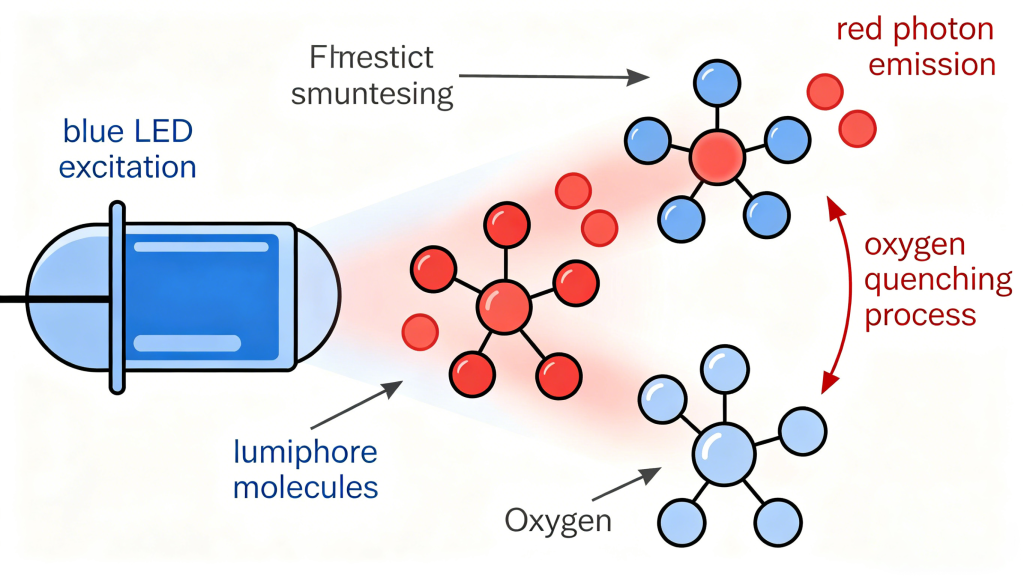
Optical dissolved oxygen sensors operate on the scientific principle of fluorescence quenching, a well-documented physical phenomenon that delivers reliable and repeatable dissolved oxygen measurement results in all aquatic environments.
Unlike traditional sensing methods, this optical technology converts molecular interactions into measurable electrical signals, complying with the international standard ISO 17289 for dissolved oxygen detection. The core physical mechanism ensures measurement stability across temperatures, salinities and water conditions.
Luminescence and Lumiphore Molecules
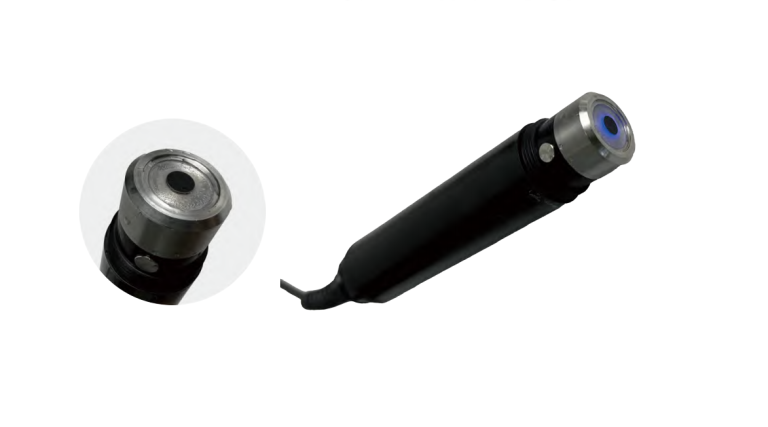
Optical dissolved oxygen sensors utilize proprietary lumiphore molecules as the core sensing material. These metal-complex compounds are activated by a 470nm blue LED light source inside the sensor probe.
Once excited, the lumiphore molecules enter a high-energy state and emit red photons as they return to their ground state. Oxygen molecules act as quenching agents that absorb the released energy, directly reducing the luminescence intensity and lifetime. This correlation forms the foundational measurement logic of optical dissolved oxygen sensors.
Phase Shift Measurement vs Intensity Measurement
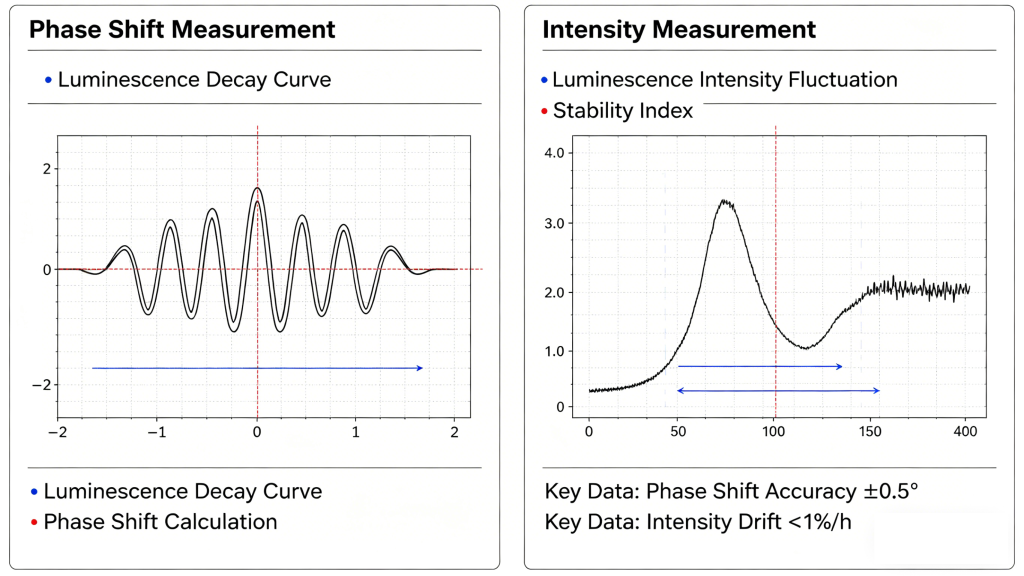
Optical dissolved oxygen sensors adopt phase shift measurement technology, which is far superior to traditional intensity-based measurement in long-term industrial applications.
Intensity measurement relies on light brightness, which is easily affected by fouling, LED aging and material degradation. Phase shift measurement tracks the nanosecond-scale luminescence lifetime, a stable parameter that remains unaffected by signal attenuation. This technology eliminates common measurement errors and ensures consistent data output for years.
Linear Response of Luminescence Quenching
Optical dissolved oxygen sensors provide a strict linear response between the fluorescence quenching effect and dissolved oxygen concentration across the full 0-20mg/L measurement range.
This linearity follows the Stern-Volmer equation, a fundamental physical formula for optical sensing. Unlike electrochemical sensors that show non-linear deviations at low oxygen levels, optical sensors maintain accuracy even at 0mg/L, making them ideal for critical applications such as anaerobic wastewater treatment and deep-sea research.
Structural Advantages of Optical Dissolved Oxygen Sensors
Optical dissolved oxygen sensors feature a revolutionary no membrane no electrolyte design, which redefines maintenance standards and reduces total operational costs for water monitoring systems.
This structural innovation removes the weakest components of traditional dissolved oxygen sensors, creating a more durable and user-friendly device for industrial and environmental use cases worldwide.
RDO Cap with Gas-Permeable Sensing Foil
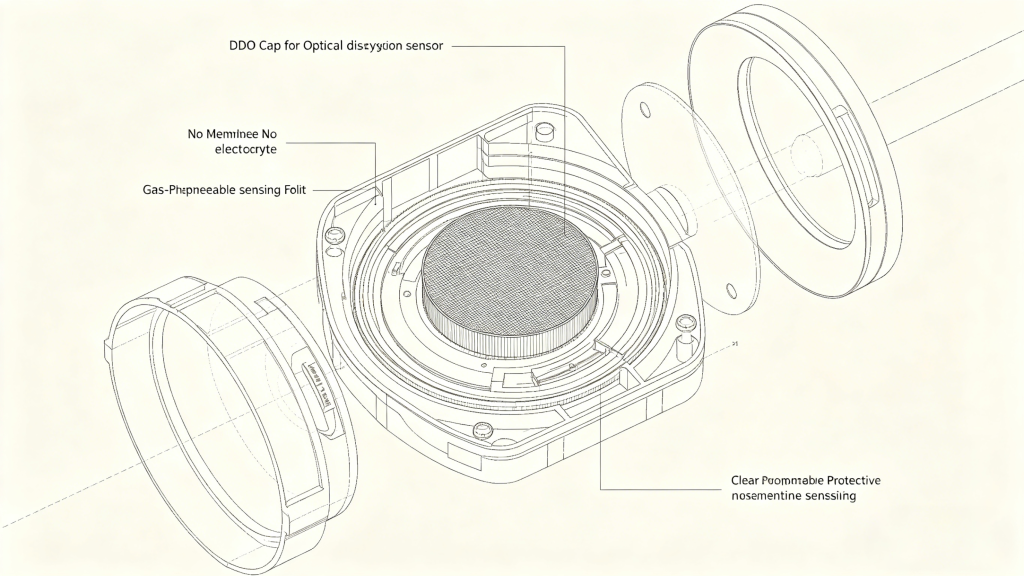
Optical dissolved oxygen sensors are equipped with a rugged RDO sensor cap integrated with a specialized gas-permeable sensing foil. This engineered material selectively allows oxygen molecules to diffuse through while blocking water, suspended solids and contaminants.
The foil acts as a protective barrier for the lumiphore coating, ensuring stable measurement without physical contact between the core sensor elements and raw water samples. This design is resistant to chemical corrosion and physical abrasion in harsh working environments.
Elimination of Membrane and Electrolyte
Optical dissolved oxygen sensors completely remove the need for fragile membranes and consumable electrolytes used in Clark-type electrochemical sensors.
Traditional sensors require frequent membrane replacement and electrolyte refilling to avoid measurement failure. Optical dissolved oxygen sensors eliminate these labor-intensive tasks, reducing downtime and human error in field operations, especially in remote monitoring locations.
Maintenance and Total Cost of Ownership
Optical dissolved oxygen sensors significantly reduce maintenance labor, consumable costs and system downtime, delivering an unbeatable total cost of ownership over the product lifecycle.
While the upfront investment is slightly higher, the long-term savings far outweigh initial costs. For industrial users, annual maintenance costs are reduced by over 70% compared to electrochemical sensors, making optical dissolved oxygen sensors the economical choice for large-scale monitoring projects.
Optical vs Electrochemical Dissolved Oxygen Sensors
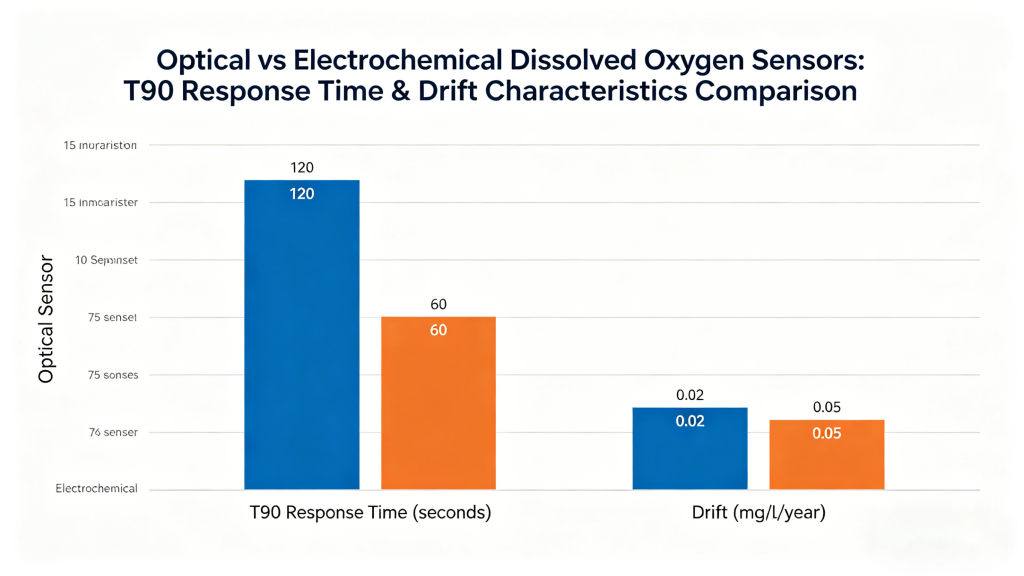
Optical dissolved oxygen sensors outperform electrochemical dissolved oxygen sensors in nearly all key performance metrics for professional water quality monitoring.
This neutral, data-driven comparison highlights the technical differences that impact real-world performance, calibration needs and long-term reliability for industrial users.
| Performance Parameter | Optical Dissolved Oxygen Sensors | Electrochemical Dissolved Oxygen Sensors |
|---|---|---|
| T90 response time | <30s | 60-120s |
| Annual drift characteristics | –0.31 ± 0.17% year⁻¹ | ±2-5% year⁻¹ |
| Calibration Frequency | 3-6 months | Weekly |
| Flow Dependence | Low | High |
| Consumable Parts | Sensor cap (1-2 years) | Membrane & electrolyte (2-4 weeks) |
Response Time Comparison
Optical dissolved oxygen sensors deliver an industry-leading T90 response time that supports real-time water quality monitoring and process control.
The fast response speed is critical for dynamic environments such as aquaculture ponds and wastewater aeration tanks, where dissolved oxygen levels fluctuate rapidly. Real-time data ensures timely adjustments to water treatment systems and aquatic life support equipment.
Drift Characteristics
Optical dissolved oxygen sensors exhibit extremely low drift characteristics, maintaining measurement accuracy without frequent recalibration.
Minimal drift is a result of phase shift measurement technology and maintenance-free structural design. This stability is essential for long-term environmental monitoring projects and research studies that require consistent data over months or years.
Flow Dependence
Optical dissolved oxygen sensors have minimal flow dependence, unlike electrochemical sensors that require continuous water flow to maintain accurate readings.
This advantage makes optical sensors suitable for static water bodies, groundwater monitoring and low-flow pipelines. Users no longer need additional stirring equipment to ensure valid measurement results in stagnant water conditions.
Robustness and Stability
Optical dissolved oxygen sensors offer exceptional long-term stability, even with minor limitations in physical robustness compared to metal-housed electrochemical sensors.
The tradeoff is highly favorable for industrial users: optical sensors require almost no routine maintenance, while electrochemical sensors degrade rapidly without constant care. For remote and harsh environments, stability and reliability take priority over physical durability.
Advanced Features of Optical Dissolved Oxygen Sensors
Optical dissolved oxygen sensors integrate cutting-edge technologies to adapt to complex industrial, marine and environmental monitoring conditions.
These intelligent features enhance measurement accuracy, extend service life and simplify field operation for technical users and maintenance teams across the globe.
Real-Time Salinity Compensation
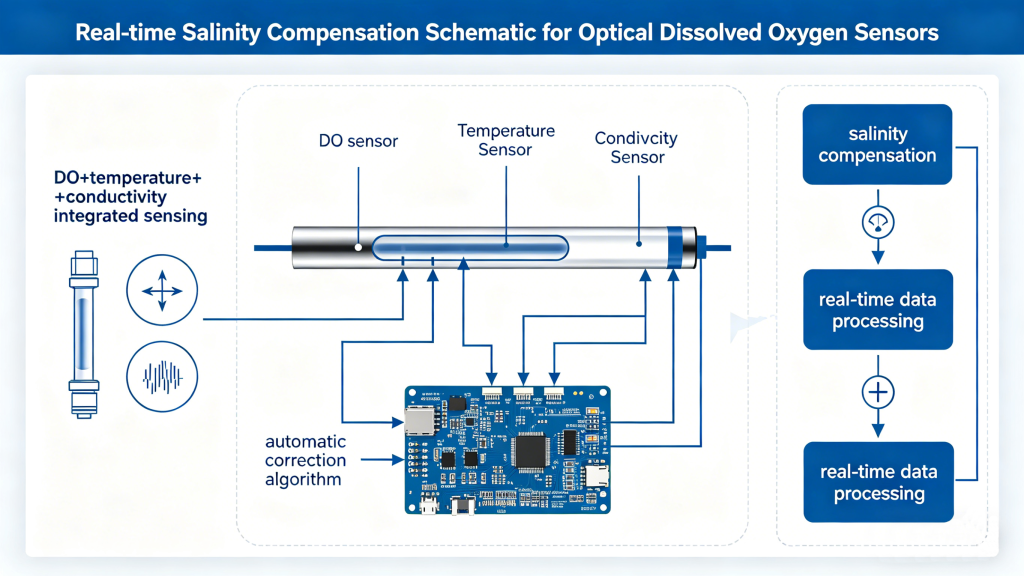
Optical dissolved oxygen sensors support fully automated real-time salinity compensation by synchronizing temperature and conductivity data in real time.
Dissolved oxygen solubility changes significantly with water salinity. The sensor’s built-in algorithm applies the Weiss equation to automatically correct readings, eliminating manual calculations and ensuring accuracy in seawater, brackish water and freshwater environments alike.
Anti-Biofouling Technologies
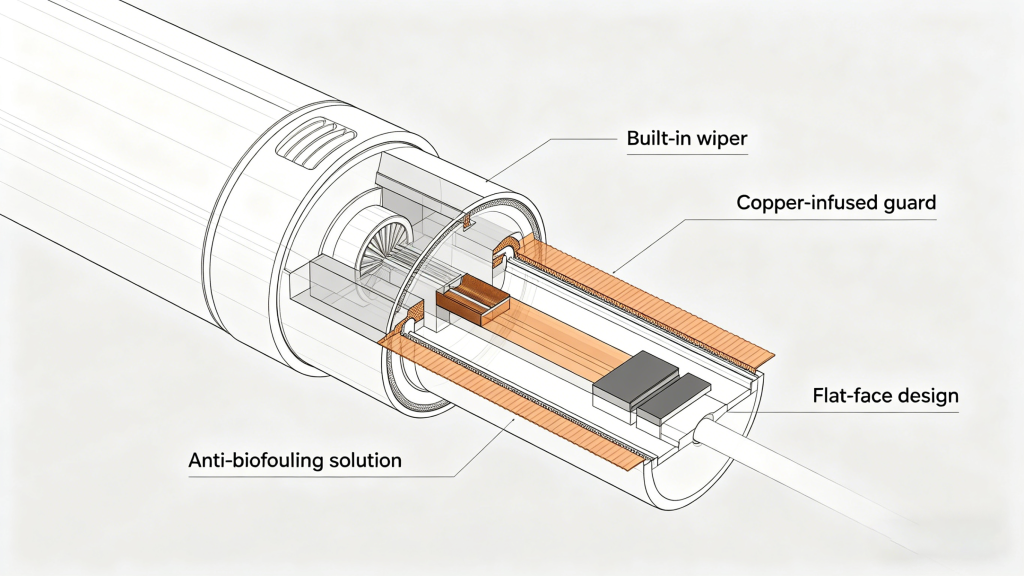
Optical dissolved oxygen sensors employ professional anti-biofouling technologies to resist algae, bacteria and biofilm growth in high-fouling water sources.
Available solutions include mechanical cleaning wipers, copper-alloy protective guards and smooth flat-face sensor designs. These features extend cleaning intervals, maintain measurement performance and reduce operational intervention in wastewater and aquaculture applications.
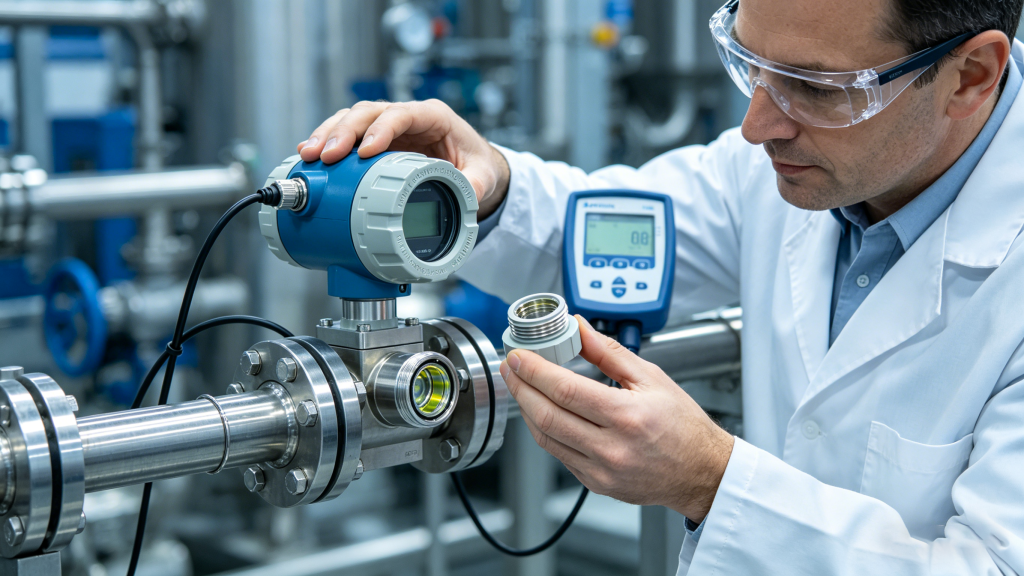
User-Replaceable Caps and Simple Calibration
Optical dissolved oxygen sensors come with user-replaceable cap design and simplified field calibration procedures for non-technical personnel.
Cap replacement takes less than one minute without specialized tools. Calibration only requires two points (zero oxygen and air-saturated water), performed every 3-6 months. This simplicity reduces training costs and operational complexity for global users.
Application Specifications of Optical Dissolved Oxygen Sensors
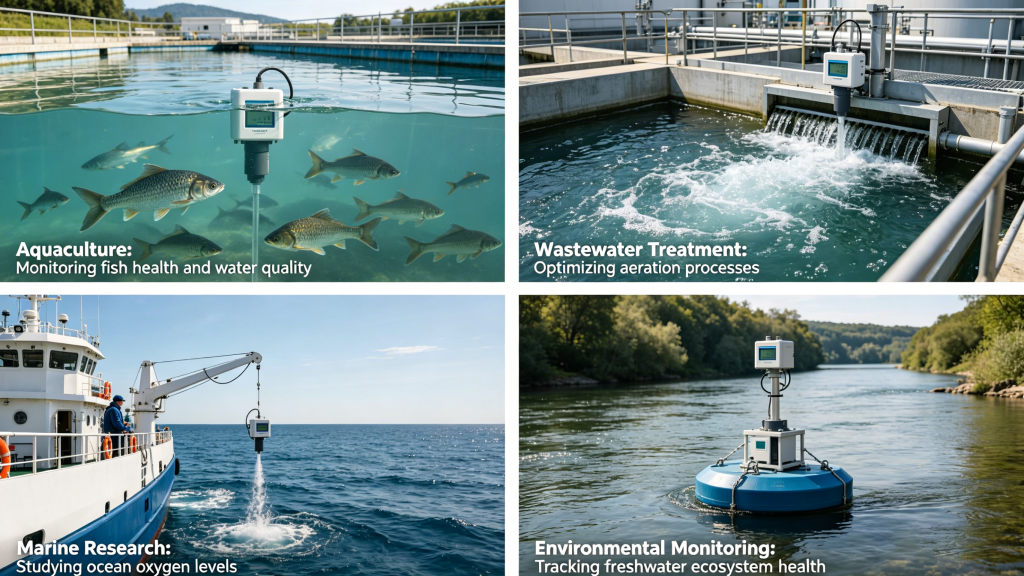
Optical dissolved oxygen sensors are custom-engineered with industry-specific technical parameters to meet the unique demands of four major global application sectors.
Each configuration is optimized for performance, durability and accuracy in its target working environment, ensuring maximum value for industrial buyers and end-users.
Aquaculture
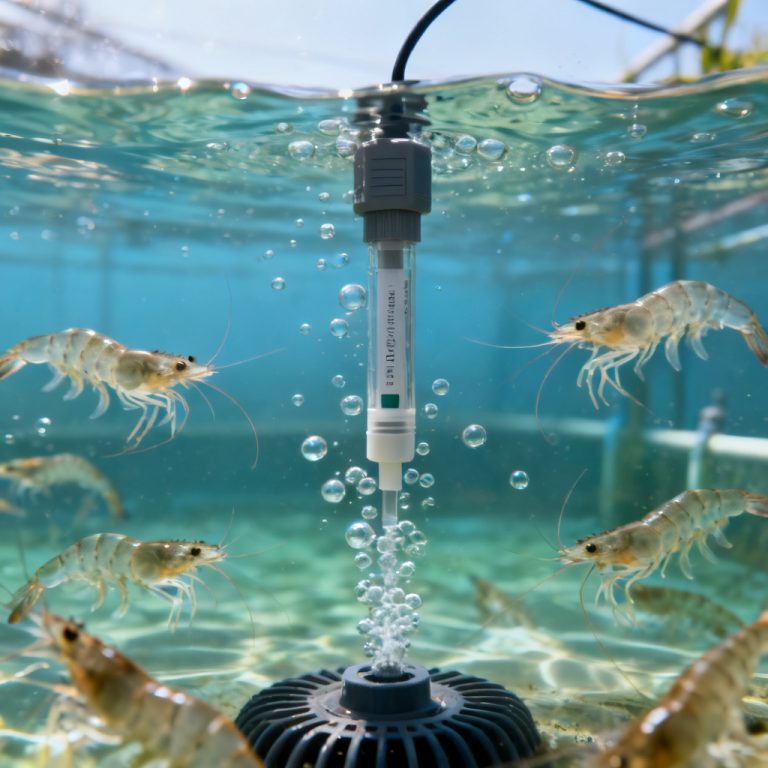
Optical dissolved oxygen sensors for aquaculture are designed for intensive fish and shellfish farming operations with strict water quality requirements.
Key specifications include a 0-20mg/L measurement range, ±0.1mg/L high accuracy, IP68 waterproof and dustproof protection, and anti-biofouling coatings. These sensors support real-time monitoring to prevent fish mortality and optimize feeding cycles in freshwater and marine aquaculture systems.
Wastewater Treatment
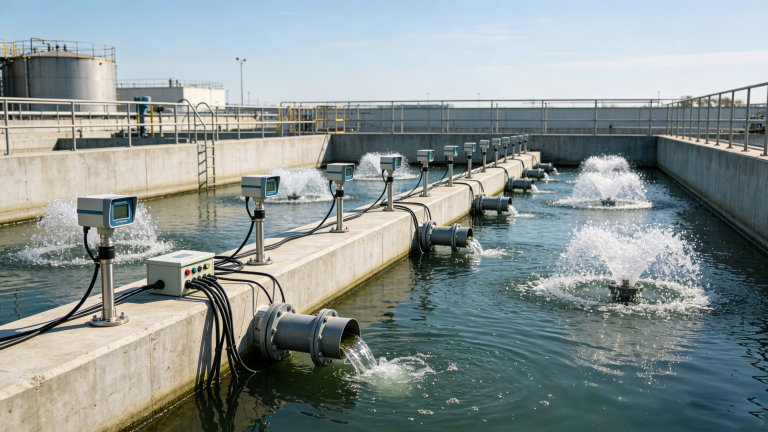
Optical dissolved oxygen sensors for wastewater treatment plants are built to withstand high organic loads, chemical exposure and extreme fouling conditions.
The sensors feature enhanced fouling resistance, chemical stability and long-term drift stability. They provide critical data for aeration control, reducing energy consumption while meeting global wastewater discharge standards for biological treatment processes.
Marine Research
Optical dissolved oxygen sensors for marine research support ultra-precise ppb-level measurement and deep-sea deployment capabilities.
Equipped with pressure compensation and corrosion-resistant titanium components, these sensors operate reliably in deep-ocean environments. They are widely used in oceanographic studies, hypoxia zone monitoring and climate change research projects worldwide.
Environmental Monitoring
Optical dissolved oxygen sensors for environmental monitoring deliver low-maintenance performance for remote river, lake and groundwater telemetry systems.
With low power consumption, wireless communication compatibility and extended calibration intervals, these sensors provide long-term, unattended monitoring for environmental protection agencies and research institutions globally.
FAQs About Optical Dissolved Oxygen Sensors
How long does an optical dissolved oxygen sensor cap last?
The cap of optical dissolved oxygen sensors lasts 1-2 years, with service life varying based on water quality, temperature, UV exposure and fouling conditions. Clean freshwater environments extend cap life, while high-fouling wastewater may require replacement after 12 months.
Can optical dissolved oxygen sensors measure DO in zero-oxygen conditions?
Yes, optical dissolved oxygen sensors can accurately measure 0mg/L DO after professional zero-point calibration using nitrogen-purged water. This capability is essential for anaerobic digestion and hypoxic water research applications.
Do optical dissolved oxygen sensors need more or less calibration than electrochemical sensors?
Optical dissolved oxygen sensors need calibration every 3-6 months, which is 80% less frequent than electrochemical sensors that require weekly calibration. This reduces labor costs and improves data consistency in long-term monitoring.
What is the T90 response time of optical dissolved oxygen sensors?
Optical dissolved oxygen sensors have a T90 response time of less than 30 seconds, three times faster than traditional electrochemical sensors. This rapid response supports real-time process control in dynamic water systems.
Why do optical dissolved oxygen sensors have no membrane or electrolyte?
Optical dissolved oxygen sensors use advanced gas-permeable sensing foil to replace traditional membranes and electrolytes. This design eliminates consumable parts and routine maintenance, lowering total cost of ownership for users.
What industries use optical dissolved oxygen sensors?
Optical dissolved oxygen sensors are widely deployed in aquaculture, municipal wastewater treatment, marine scientific research, environmental protection, drinking water management and industrial process water monitoring across the globe.