Optical Dissolved Oxygen Sensor vs Electrochemical Dissolved Oxygen Sensor
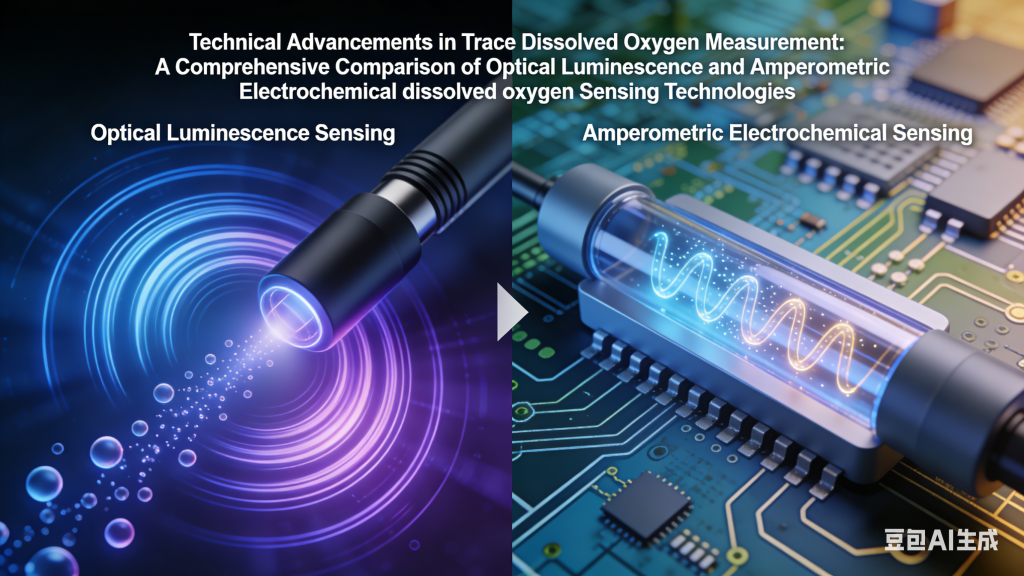
Technical Advancements in Trace Dissolved Oxygen Measurement
Summary: Industrial water monitoring is shifting from the traditional electrochemical sensor for dissolved oxygen to high-precision dissolved oxygen optical sensor technology. This guide analyzes the performance, cost, and physics of these systems.
How do optical dissolved oxygen sensors work?
The optical dissolved oxygen sensor principle is based on a physical phenomenon known as fluorescence quenching. Unlike an electrochemical dissolved oxygen sensor, which consumes oxygen to generate a signal, an optical sensor measures the “lifetime” of light emitted by a luminescent dye.
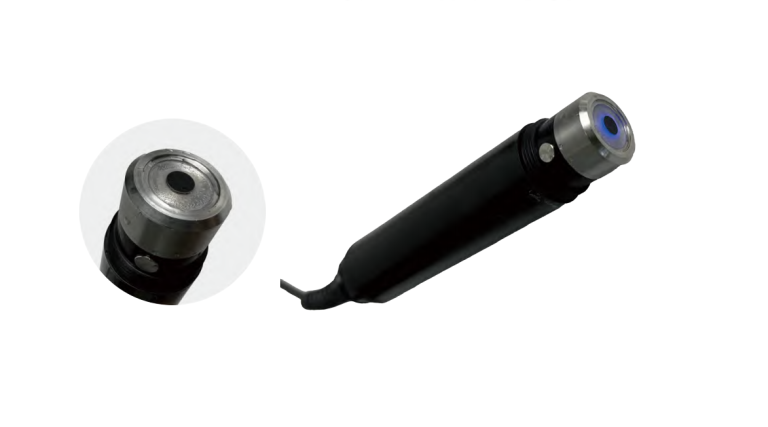
- Excitation: A blue LED excites a luminophore layer on the sensor cap.
- Luminescence: The dye emits red light back to a photodetector.
- Quenching: Oxygen molecules collide with the dye and “quench” the light. The more oxygen present, the faster the light fades.
- Advantage: This process is non-consumptive, meaning the dissolved oxygen sensor optical type is not dependent on water flow for accuracy.
Head-to-Head: Optical vs. Electrochemical
| Feature | Electrochemical Sensor | Optical Sensor (TDO100) |
|---|---|---|
| Measurement Principle | Amperometric/Polarographic | Fluorescence Quenching |
| Calibration Frequency | Weekly/Monthly | Annually |
| Response Time (T90) | 20–60 Seconds | <30 Seconds |
| Drift Stability | High (Electrolyte Depletion) | Minimal (Luminophore based) |
Product Insight: TDO100 Trace Optical Model
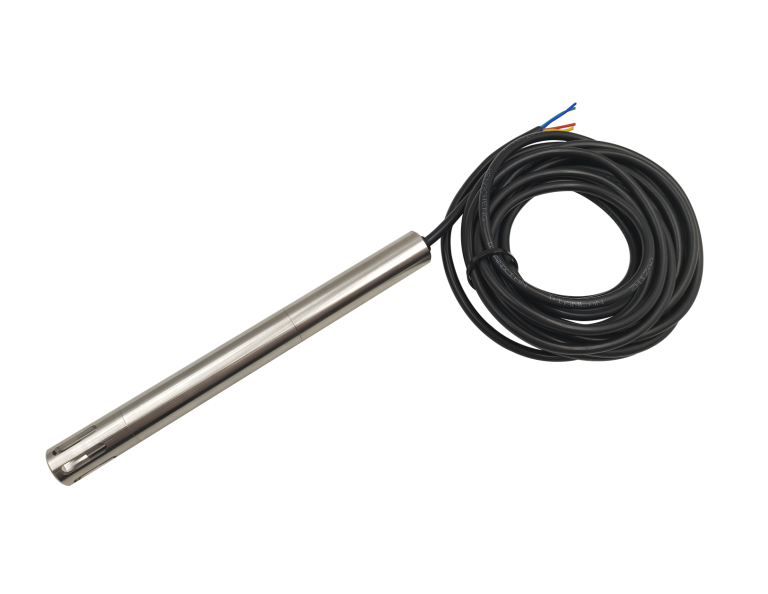
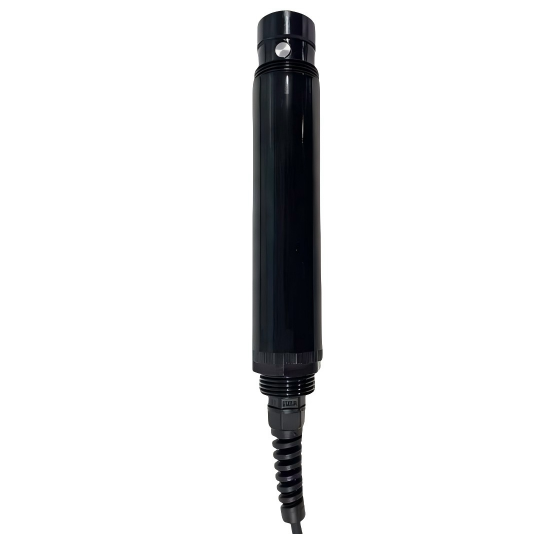
The TDO100 dissolved oxygen optical sensors is specifically engineered for trace-level detection (ppb) in power plant and semiconductor pure water systems.
- Range: 0 ~ 2000 ppb (parts per billion).
- Accuracy: ±1 ppb or 3% of reading.
- Digital Output: RS-485 with MODBUS protocol for IoT integration.
- Material: 316L Stainless Steel and high-performance polymer.
- Optical dissolved oxygen sensor response time: Rapid stabilization in <30 seconds.
The Optical Dissolved Oxygen Sensor Price Advantage
While the initial optical dissolved oxygen sensor price (typically $1,500 – $5,500) is higher than an entry-level electrochemical probe, the Total Cost of Ownership (TCO) is lower over a 5-year period.
- Zero Chemicals: No electrolyte refills or polishing required.
- Labor Reduction: Maintenance is reduced from 240+ hours annually to just minutes.
- Zero Warm-up: Immediate readings on power-up, whereas electrochemical models require 2-6 hours of polarization.
Keywords: electrochemical dissolved oxygen sensor, how do optical dissolved oxygen sensors work, optical dissolved oxygen sensor principle.
FAQ
Dissolved oxygen galvanic sensor vs optical
How does biofouling affect these sensors in high-nutrient aquaculture water?
Microorganisms and biological attachments are the leading cause of inaccuracy. Traditional sensors require cleaning every 2–8 weeks. Advanced optical models like the TDO100 DO sensor feature antibacterial coatings or integrated cleaning brushes to prevent biofilm growth, extending maintenance intervals significantly.
What is the Total Cost of Ownership (TCO) over a 5-year period?
While a dissolved oxygen optical sensor has a higher initial purchase price (often1,500+$ vs. 800$ for electrochemical), the OPEX is significantly lower. Optical sensors reduce annual maintenance labor by approximately 82%–85% and eliminate the need for costly electrolytes and membranes.
Does the sensor require a minimum flow rate for accurate readings?
Electrochemical sensors consume oxygen to measure it, creating a “depletion zone” that requires a minimum flow (typically 100–400 mL/min) or stirring. Optical sensors do not consume oxygen and provide accurate readings even in completely stagnant water.
How often is field calibration required?
Traditional probes may drift weekly due to electrolyte degradation. Optical sensors are extremely stable; for most aquaculture applications, monthly verification is sufficient, and some high-end models only require a full calibration once per year.
What is the “Warm-up” or polarization time?
Polarographic electrochemical sensors require 2 to 6 hours of polarization time before they can provide a stable reading. Optical sensors provide instant measurements upon power-up, which is critical for emergency portable checks or power-loss recovery.
How does salinity impact the measurement in mariculture?
Salinity affects oxygen solubility. Engineering-grade sensors like the TDO100 include automatic temperature compensation and allow for manual or automatic salinity compensation (when linked to a conductivity sensor) to ensure accurate mg/L readings in brackish or seawater.