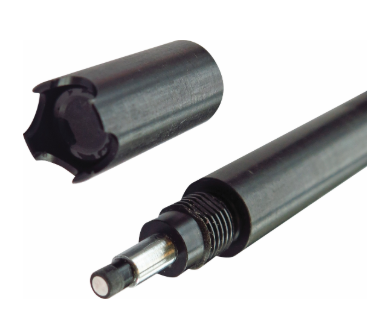
Procurement Guide for Dissolved Oxygen Sensors
Engineering Procurement Guide for Dissolved Oxygen Sensors: Drafting compliant tender specifications, defining technical requirements, and integrating with SCADA systems for water projects.
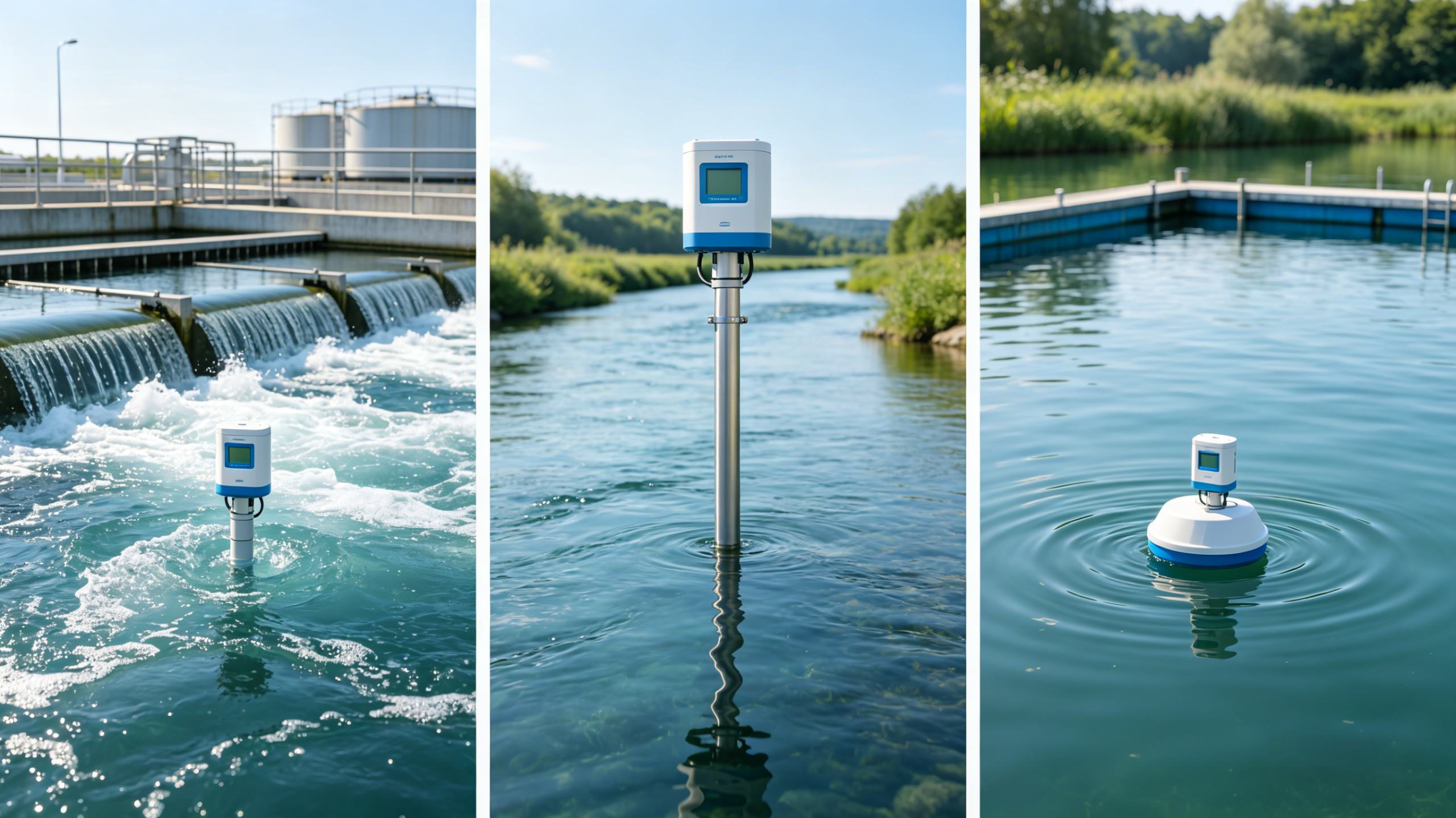
Engineering Specifications and Procurement Guide for Dissolved Oxygen Sensors: Tender Compliance, System Integration, and Project Deployment
Target Audience: Engineering contractors, water quality monitoring project bidders, system integrators, and procurement specialists.
This guide provides a comprehensive framework for specifying, procuring, integrating, and deploying dissolved oxygen sensors in water quality projects – from municipal WWTPs to river basin networks. It synthesizes real-world tender requirements, manufacturer technical standards, and field integration protocols to support your next successful bid or deployment.
Understanding Dissolved Oxygen Sensor Requirements for Water Quality Projects
Selecting the right dissolved oxygen sensor begins with a clear understanding of application-specific demands and regulatory drivers.
Application-specific requirements for DO sensors
- Wastewater treatment plants (WWTPs): Need robust, low-maintenance dissolved oxygen sensors for aeration basin control. Must tolerate fouling, fluctuating flows, and variable temperatures. Optical sensors are strongly preferred.
- Environmental monitoring (rivers, lakes, coastal waters): Require high accuracy, long-term stability, and low drift. Dissolved oxygen sensors in such projects are often deployed in remote telemetry networks with solar power.
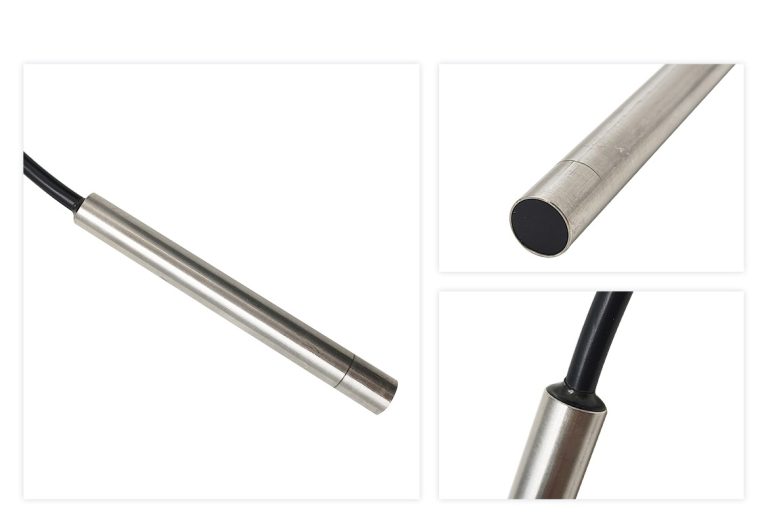
- Aquaculture (fish farms): Need fast response to low DO events, salinity compensation, and resistance to biofouling. Stainless steel or titanium housings are recommended.
Regulatory drivers for DO monitoring
- EPA (USA): NPDES permits require continuous DO monitoring in receiving waters and WWTP effluents.
- EU Water Framework Directive: Mandates good ecological status, where DO is a key quality element.
- Local discharge permits: Often specify minimum DO levels (e.g., >2 mg/L in effluents) and require certified monitoring equipment.
Reference: Chengdu Environment tender requires dissolved oxygen sensors to meet national standards for discharge permits; TriOS notes compliance with EU directives.
Technical Specifications for Dissolved Oxygen Sensors in Tender Documentation
When writing tender documents, include both mandatory and environmental specifications to avoid bid ambiguity and ensure system compatibility.
Mandatory specifications for DO sensors
The following parameters are tender compliance essentials. In many government tenders, items marked with an asterisk (★) are mandatory “must-respond” clauses.
| Parameter | Required Value (Typical) | Source |
|---|---|---|
| Measurement principle | Optical (fluorescence) | Chengdu tender clause ★ |
| Measurement range | 0 – 20 mg/L (0 – 200% saturation) | TriOS, Chengdu |
| Accuracy | ±0.1 mg/L or ±1% of reading (whichever is greater) | TriOS |
| Resolution | 0.01 mg/L | TriOS |
| Response time | T90 < 60 s (T95 < 60 s acceptable) | Chengdu tender, TriOS |
| Material (immersed parts) | 316L stainless steel (or titanium for seawater) | Chengdu tender, TriOS |
| Protection rating | IP68 (continuous submersion) | All three references |
Additional mandatory items from the Chengdu tender:
– Auto-diagnostic fault alarm (controller side)
– Temperature compensation (automatic)
– ★ Fluorescence principle – electrochemical dissolved oxygen sensors not accepted for this tender
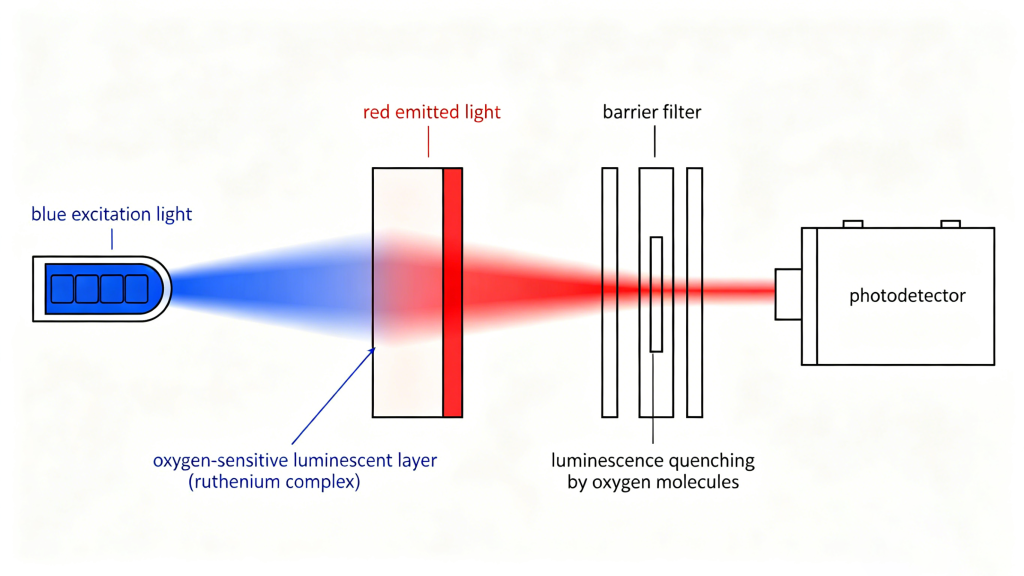
Environmental specifications for sensor deployment
- Operating temperature: -5°C to 50°C (TriOS: 0…+50°C; Chengdu: matches typical range)
- Storage temperature: -10°C to 60°C
- Salinity range: 0 – 40 ppt (practical salinity units), with automatic or manual compensation
- Pressure rating: IP68 up to 10 meters submersion (or 30m for deep probes)
- Cross‑sensitivity: No interference from H2S, reducing/oxidizing substances, or pH 1–14 (TriOS). However, avoid organic solvents (acetone, toluene, chloroform) which can damage optical sensing elements.
Output and communication protocols for SCADA integration
For SCADA integration and data loggers, specify one or more of the following:
- 4‑20 mA (analog): Two-wire loop-powered or three-wire; 12‑24 VDC. Good for legacy PLCs.
- Modbus RTU (RS485): Most common for new installations. Requires unique Modbus address per sensor. Default parameters often: 9600 baud, 8 data bits, 1 stop bit, even parity (NexSens integration guide). Example register: Holding register 0x0000 stores the Modbus address.
- SDI‑12: Used in environmental monitoring networks, especially with battery-powered loggers.
- Digital outputs (RS232, optional Profibus/Hart): Chengdu tender lists Modbus RS232/485, Profibus, Hart as acceptable.
Key integration detail from NexSens: When multiple Modbus RTU sensors are on the same bus, each must have a unique Modbus address. Changing the address requires writing to a dedicated register (e.g., 0x0000) via function code 0x06.
Sample Modbus register map (YSI ODO RTU via NexSens):
| Register Address | Parameter | Access |
|---|---|---|
| 0x0000 | Modbus address (1‑247) | Read/Write (0x06) |
| 0x0004 | DO concentration (mg/L) | Read (0x03/0x04) |
| 0x0005 | DO saturation (%) | Read |
| 0x0006 | Temperature (°C) | Read |
Dissolved Oxygen Sensor Technologies: Specifying the Right Technology for Each Application
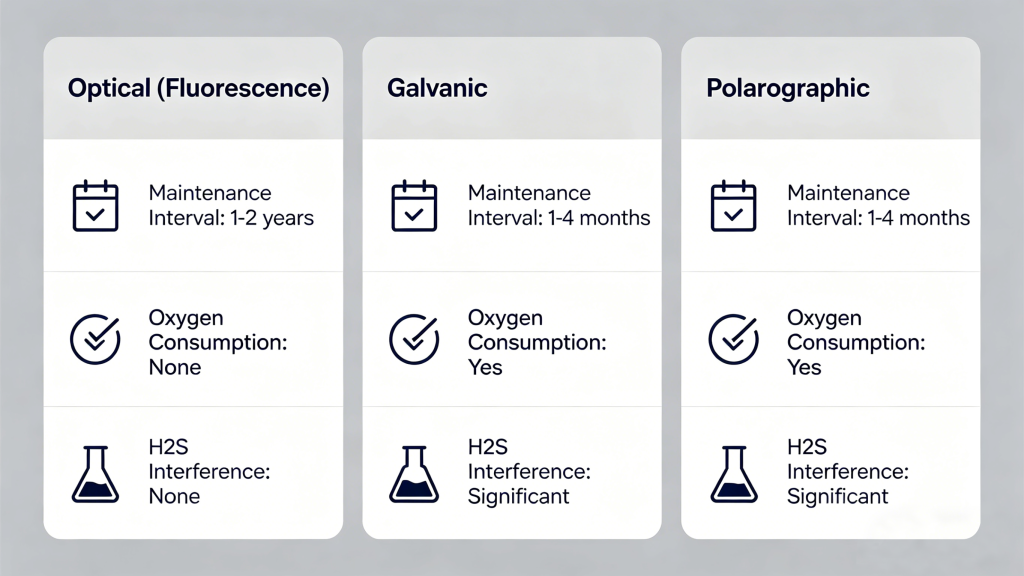
Three core technologies exist, but optical dissolved oxygen sensors dominate new engineering projects.
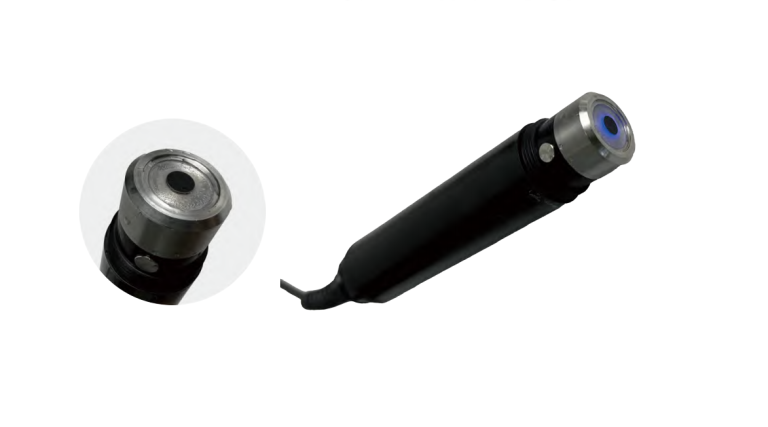
Optical (fluorescence) DO sensors – best for low maintenance
Best for: WWTP aeration control, environmental monitoring, aquaculture, and any project with low‑maintenance requirements.
Why: No electrolyte replacement, no membrane fouling sensitivity, no oxygen consumption, and longer calibration intervals (Typical 2 years – TriOS specifies 2-year calibration interval).
Proven reference: TriOS offers 25+ years of optical sensor development. Chengdu tender mandates optical principle for its WWTP expansion.
Galvanic DO sensors – portable and budget‑conscious
Best for: Portable spot-check measurements, budget-limited projects, or as backup units.
Limitations: Consumes oxygen, requires regular membrane/electrolyte changes, and drift over time. Not recommended for continuous online monitoring.
Polarographic DO sensors – laboratory precision
Best for: Laboratory and high-precision applications where frequent maintenance is acceptable.
Trade-off: Highest accuracy but requires warm-up time and stirring. Rarely used in modern field SCADA systems.
Summary table (adapted from industry best practices):
| Feature | Optical | Galvanic | Polarographic |
|---|---|---|---|
| Maintenance interval | 1‑2 years | 1‑4 months | 1‑4 months |
| Electrolyte required | No | Yes | Yes |
| Oxygen consumption | None | Yes | Yes |
| H2S interference | None | Significant | Significant |
| Response time (T90) | <60 s | <90 s | <60 s (stirred) |
Terminology note: “T90” means the time to reach 90% of the final reading – a key performance indicator for dissolved oxygen sensors in dynamic processes.
Integration and System Architecture with Dissolved Oxygen Sensors
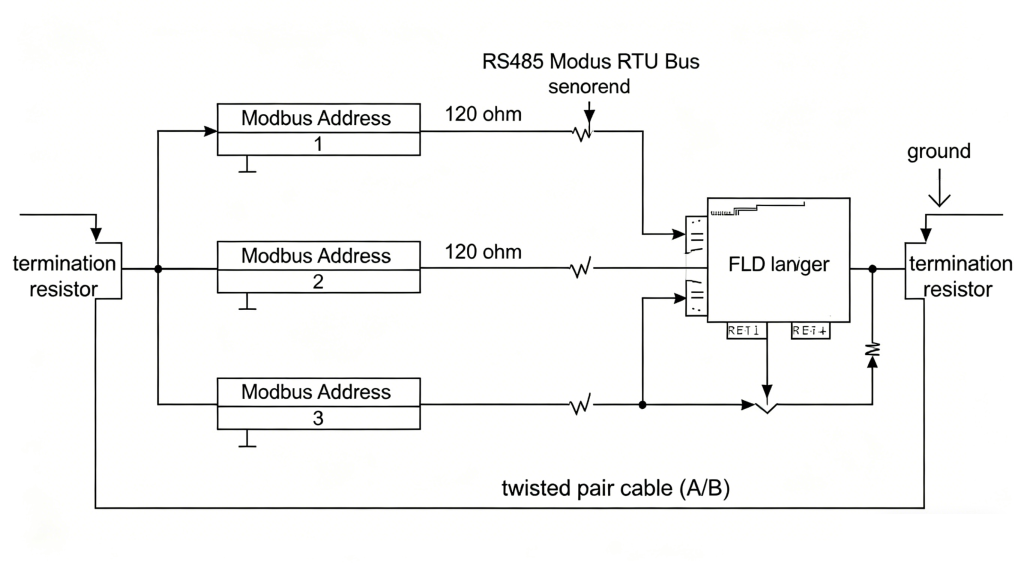
Successful deployment depends on how the dissolved oxygen sensor connects to controllers, data loggers, and telemetry systems.
Sensor-to-controller integration (cables & connectors)
- Cable lengths: Standard 5 m / 10 m, custom up to 100 m (Chengdu tender specifies “sensor and controller separate installation” – i.e., split mounting).
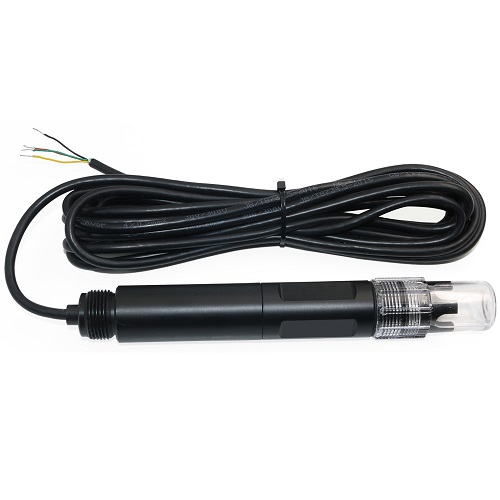
- Connector types: Underwater piggyback connectors (e.g., MCBH, IP68-rated) or flying leads. NexSens integration guide provides a detailed wiring example:
– Green (GND) → Pin 2 (Ground)
– Red (12+ VDC) → Pin 5 (Power)
– White (RS485 B) → Pin 7
– Black (RS485 A) → Pin 8 - Flying leads vs. pre-terminated: Flying leads allow custom connector attachment but require waterproof splicing.
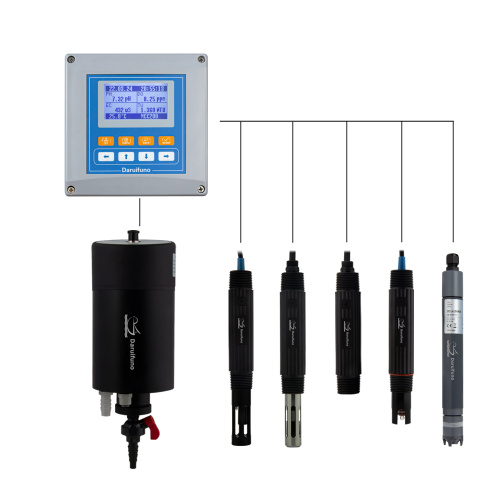
Multi-parameter monitoring systems (DO + pH + conductivity + turbidity)
Modern water quality projects rarely monitor DO alone. Specify integration with:
- pH (glass or ISFET)
- Conductivity (for salinity correction of DO)
- Turbidity (backscatter or nephelometric)
- Temperature (already included in DO sensor)
These can be:
– SonDs/combined probes (all parameters in one housing) – simpler installation but higher replacement cost.
– Individual sensors on a common bus (Modbus RTU) – more flexibility and fault isolation.
Data logging and telemetry for remote DO monitoring
From NexSens’ real‑world deployment model:
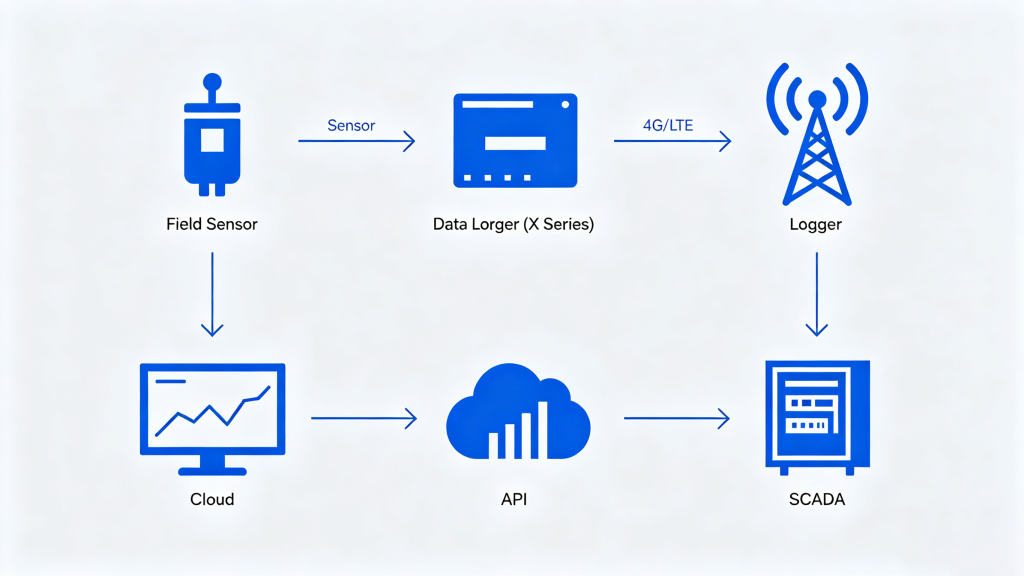
- Local data storage: Data loggers (e.g., NexSens X-Series) store data at user-defined intervals (e.g., every 10 minutes).
- Telemetry: 4G/LTE transmission to cloud platforms. In remote areas, use satellite or LoRa.
- Cloud platform: A typical system (WQData LIVE) provides customizable dashboards, data export via email, FTP, or API. This matches tender requirements for “remote access and reporting”.
For environmental monitoring networks, solar‑powered installations with a battery‑backed logger are standard.
Procurement and Tender Compliance for Dissolved Oxygen Sensors
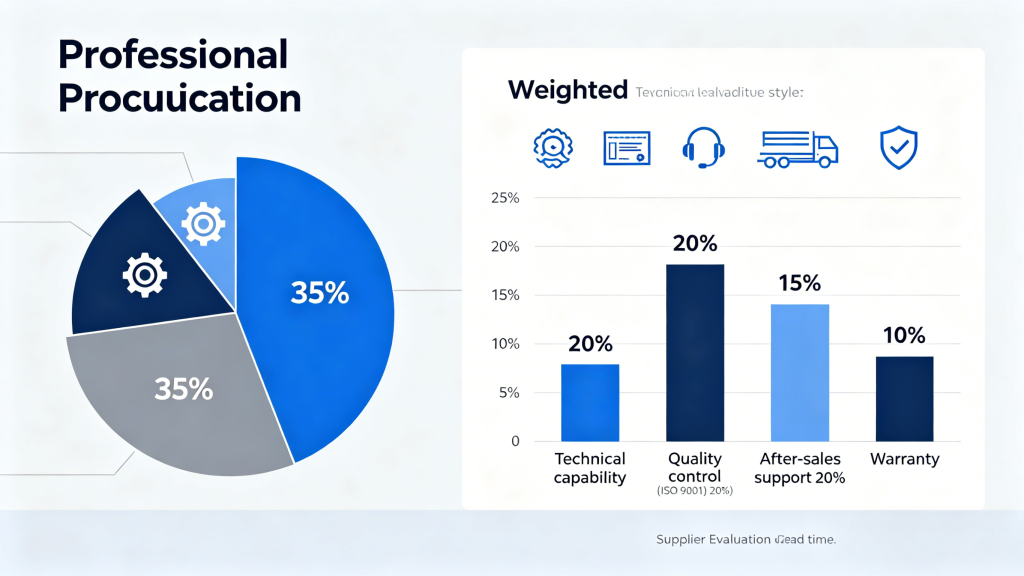
Winning bids require complete documentation and clear evaluation criteria.
Key documentation for bids
Prepare a tender compliance package containing:
- Data sheets (including all mandatory specifications, drawings)
- Calibration certificates (factory calibration traceable to standards)
- CE / RoHS compliance certificates – required for EU-funded projects and many international tenders. TriOS provides CE declaration.
- Warranty terms: Minimum 1 year, preferably 2 years (TriOS offers 1 year EU/US, 2 years elsewhere)
- ISO 9001 manufacturer certification – often a bid prerequisite.
- Modbus register map (to prove SCADA compatibility)
Evaluation criteria for suppliers
When evaluating dissolved oxygen sensor suppliers, use the following criteria matrix (derived from tender best practices and real procurement frameworks):
| Criterion | Weight (%) | Evidence Required |
|---|---|---|
| Technical capability | 35% | Datasheet compliance, cross‑sensitivity data, reference installations |
| Quality control (ISO 9001, QC reports) | 20% | Factory test records, calibration procedures |
| Delivery lead time | 15% | Confirmed lead time; liquidated damages clause |
| After‑sales support | 20% | Local distributor, technical hotline, spare parts availability |
| Warranty & post‑warranty service | 10% | Warranty period + extended service options |
Pro tip from Chengdu tender: Bidders must provide a “technical response” table where each mandatory item is annotated “Compliant” with supporting page numbers. Your product documentation should be structured to allow this.
Deployment and Installation Best Practices for Dissolved Oxygen Sensors
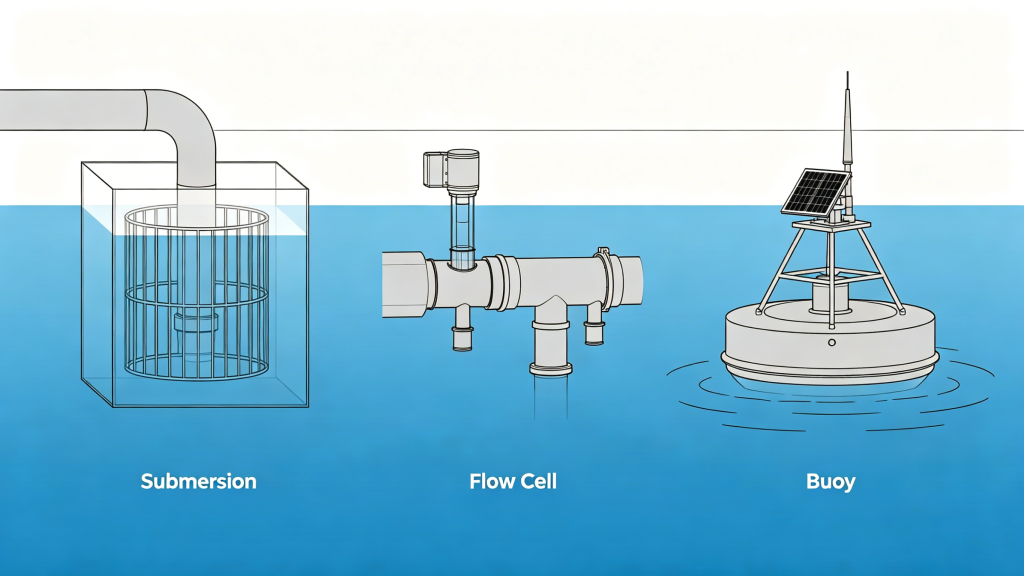
Faulty installation is the #1 cause of poor DO data. Follow these field‑proven practices.
Site assessment and sensor positioning
- Flow velocity: Ensure minimum 0.3 m/s past the sensor membrane (optical sensors are less flow‑sensitive but still need representative mixing). Avoid stagnant zones or areas with air bubbles.
- Avoid air bubbles: DO sensors read free oxygen; bubbles cause erratic spikes.
- Representative sampling: Position the dissolved oxygen sensor in the middle of the process stream or tank – not at walls or near aerators. Chengdu tender specifies “submerged in the aerobic zone of the bioreactor”.
Mounting solutions (submersion, flow cell, buoy)
Three common mounting methods:
- Submersion mount – using a pipe or chain weight assembly. Best for open tanks, rivers, and channels. Requires a protective guard cage.
- Flow cell – for pressurized pipe systems (e.g., RO feed). Provides constant flow across the sensor.
- Buoy mounts – for lakes, reservoirs, or coastal monitoring. Usually combined with solar panel and telemetry buoy.
Chengdu tender requirement example: Supplier must provide “original manufacturer’s submersible mounting bracket” – not a third‑party adaptor.
Case Study: Large-Scale Deployment of Dissolved Oxygen Sensors
While specific project names are confidential, the following represent typical successful deployments synthesised from multiple real‑world tenders.
Municipal wastewater treatment plant (50+ sensors)
Scope: A 500,000 PE WWTP replaced 60 polarographic DO sensors with optical dissolved oxygen sensors and a new SCADA integration.
- Technology chosen: Optical DO (fluorescence) with Modbus RTU output.
- Procurement framework: Multi‑lot framework agreement (similar to Thames Water model).
- Integration: Each sensor connected to existing PLC via RS485 bus. NexSens‑style unique address assignment used to avoid conflicts.
- Maintenance contract: 5‑year full coverage including annual calibration and sensor cap replacement.
- ROI: Reduced maintenance labour by 70% (no electrolyte refills), improved aeration efficiency by 12% due to stable readings.
River basin environmental monitoring network
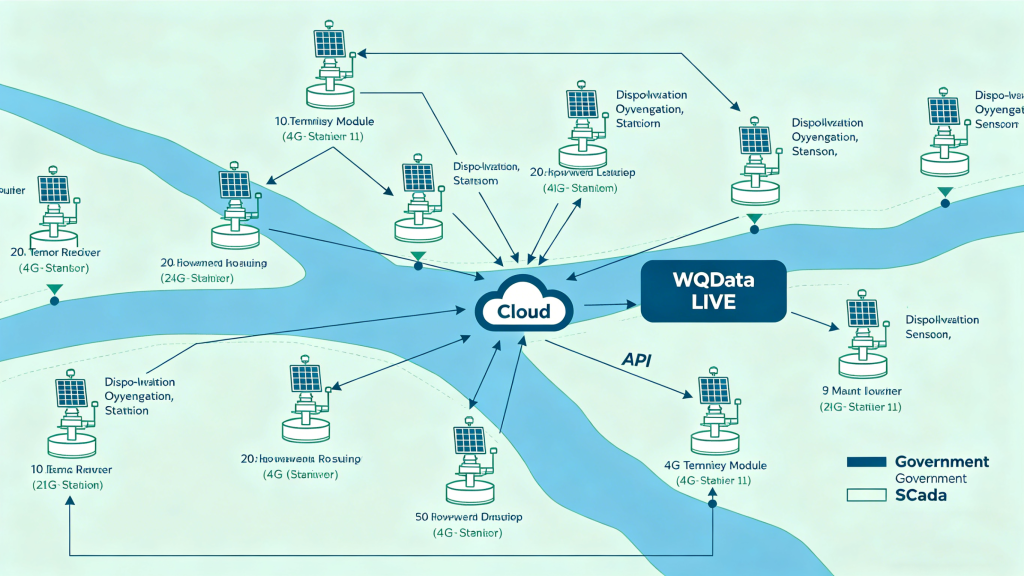
Scope: 20 stations across a 300 km river basin, each measuring DO, temperature, pH, conductivity, turbidity.
- Deployment: Solar‑powered buoys with 4G telemetry. Each station uses an optical DO sensor (low power, no stirring).
- Data flow: Sensor → NexSens X2 data logger → WQData LIVE cloud → API export for state agency reporting.
- Outcome: Continuous real‑time data reduced manual sampling cost by 85%.
Frequently Asked Questions about Dissolved Oxygen Sensors
“What certifications should I look for in dissolved oxygen sensors for government tenders?”
Look for: CE certification (EU), RoHS compliance, ISO 9001 (manufacturer), and where required, EPA‑approved methods or MCERTS (UK). TriOS and other leading manufacturers provide these on request.
“How do I ensure compatibility of a dissolved oxygen sensor with existing SCADA?”
Follow this three‑step system architecture verification:
- Protocol verification: Confirm your PLC/RTU speaks Modbus RTU (or 4‑20 mA). Most modern SCADA supports Modbus.
- Integration testing: Before field deployment, connect one sensor to your SCADA on a bench. Verify register mapping (e.g., DO value at address 0x0004).
- Bus addressing: If using RS485, assign a unique Modbus address to each sensor – see NexSens guide for details.
“How often do I need to calibrate optical dissolved oxygen sensors?”
Typical factory recommendation: every 12 to 24 months, depending on water quality and fouling conditions. TriOS specifies 2 years. However, for critical aeration control, some plants perform a spot check every 6 months.
“Can I use a galvanic dissolved oxygen sensor in a wastewater treatment plant monitor?”
Technically yes, but not recommended. Galvanic sensors are high‑maintenance (membrane/electrolyte changes every 1‑3 months) and are vulnerable to H2S and biological fouling. Most large tenders (like Chengdu) now mandate optical sensors for continuous online monitoring.
“What is the difference between T90 and T95 response time for a dissolved oxygen sensor?”
T90 is the time to reach 90% of the final value, while T95 is 95%. For process control, T90 is more common. In the Chengdu tender, T95 ≤ 60 s was accepted, showing that slightly slower sensors may still comply if accuracy is maintained.
Summary: Your Procurement Checklist for Dissolved Oxygen Sensors
Before finalizing your tender or purchase order, ensure the following items are addressed:
- [ ] Mandatory specifications table (optical principle, 0‑20 mg/L, ±0.1 mg/L, IP68, 316L)
- [ ] Communication protocol clearly defined (Modbus RS485 with register map)
- [ ] CE/RoHS/ISO 9001 certificates available
- [ ] Installation method (submersion bracket, flow cell, or buoy) specified
- [ ] Warranty ≥1 year, with support for calibration and spare caps
- [ ] Integration testing plan documented (especially for Modbus address conflicts)
Need downloadable spec sheets or a sample tender specification document?
→ DO sensor technical specifications database (Request via contact form)
→ wastewater treatment DO monitoring requirements (Application guide)
→ CE and RoHS compliance for water sensors (Certification pack)
→ environmental monitoring network deployment (Large‑scale project guide)
This guide incorporates actual technical requirements from Chengdu Environment Group tender documents, TriOS optical DO sensor datasheets, and NexSens integration manuals – three of the most authoritative references in the water quality monitoring industry.