Dissolved Oxygen Monitoring Systems Project Deployment Guide
Dissolved oxygen monitoring systems are critical for water quality projects. This guide covers the full project lifecycle from tender to long-term maintenance, tailored for engineering contractors.
The Project Lifecycle for Dissolved Oxygen Monitoring Systems
Needs assessment and feasibility study

Site surveys, regulatory requirements mapping, budget estimation
A successful dissolved oxygen monitoring system project begins with a thorough needs assessment. Site surveys must evaluate waterbody characteristics (flow rate, depth, temperature variation, potential biofouling risks) and accessibility. Regulatory mapping is increasingly critical: many regions now mandate continuous DO monitoring under environmental acts (e.g., nutrient reduction strategies, combined sewer overflow control). A recent regulation requires gradual rollout of real-time monitoring at thousands of discharge points – understanding these timelines directly shapes your system capacity and redundancy requirements. Budget estimation should include not only hardware but also civil works, permits, and a 5‑year O&M contract projection.
Tender preparation and bidding
Technical specification writing, supplier shortlisting, bid evaluation
Writing technically sound specifications for a dissolved oxygen monitoring system avoids under‑ or over‑engineering. Specify measurement range (0‑20 mg/L or 0‑200% saturation), accuracy (±0.1 mg/L or better for most regulatory applications), response time (T90 < 30 s), and drift stability (<1% per month). Include requirements for factory acceptance testing (FAT), on‑site system integration testing, and data validation protocols. Shortlist suppliers based on proven track record in similar environments (wastewater vs. natural water vs. industrial effluents). Bid evaluation matrices should weight technical compliance (40%), lifecycle cost (30%), delivery schedules (15%), and warranty/support (15%).
Contractor insight: The most overlooked tender item is site access and power. Remote sites require solar‑powered telemetry; urban sites need permits for kiosk installations. Add a 10‑15% site adaptation contingency.
System Design and Engineering for DO Monitoring
Sensor network architecture
Point monitoring vs. transect vs. grid layouts
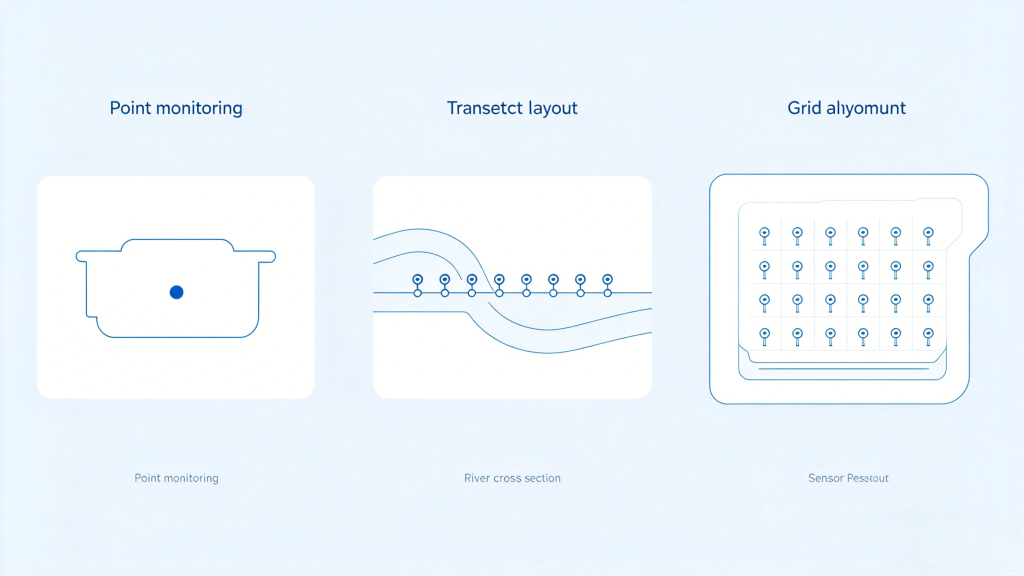
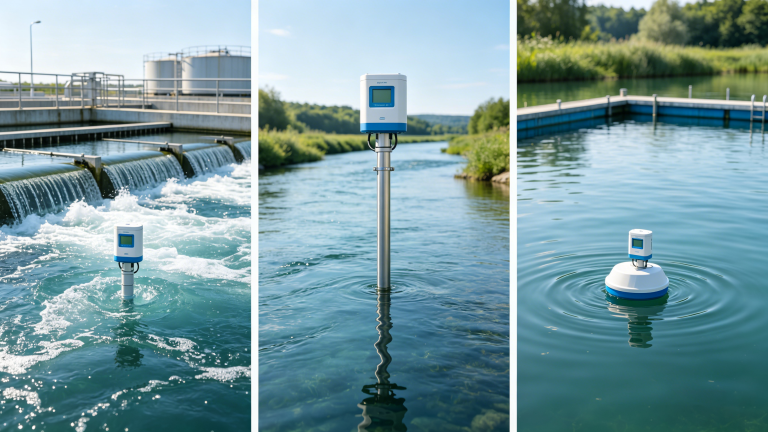
For any dissolved oxygen monitoring system, point monitoring is adequate for well‑mixed tanks or small channels. For rivers or lakes, transect layouts (sensors along a cross‑section) capture vertical and horizontal gradients. Grid layouts are used in large reservoirs or aquaculture zones. Sensor density should reflect DO dynamics: areas with high biological oxygen demand (BOD) or thermal stratification need tighter spacing. In wastewater treatment, place DO probes in the aerobic zone, near weirs, and at the final effluent – typically 3‑6 sensors per basin for effective process control.
Data acquisition and telemetry design
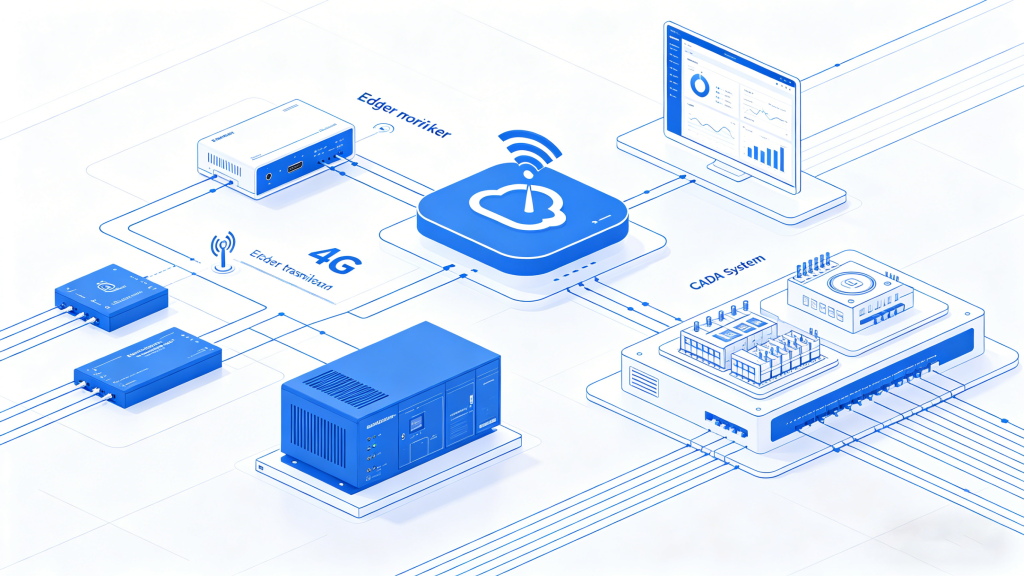
Edge computing, cloud storage, API integrations
Modern dissolved oxygen monitoring systems integrate edge computing for real‑time drift compensation and alarm filtering. Data loggers should store at least three months of 1‑minute averages. Telemetry options range from 4‑20 mA hardwiring (short distances) to LoRaWAN, 4G/5G, or satellite for remote sites. Cloud storage with API access enables SCADA integration, dashboards, and automated reporting. Always plan for offline buffering – the logger must continue recording during network outages. Data validation rules (e.g., rate‑of‑change limits) prevent false alarms due to sensor spikes.
Procurement and Supply Chain Coordination for DO Sensors
Supplier selection criteria
Technical compliance, delivery schedules, warranty and support
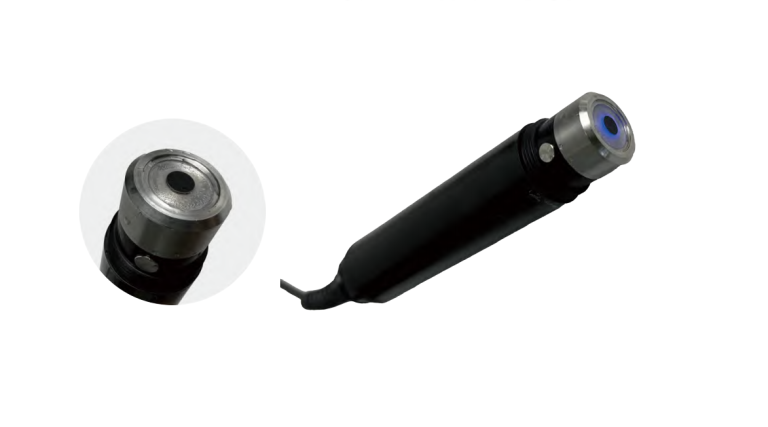
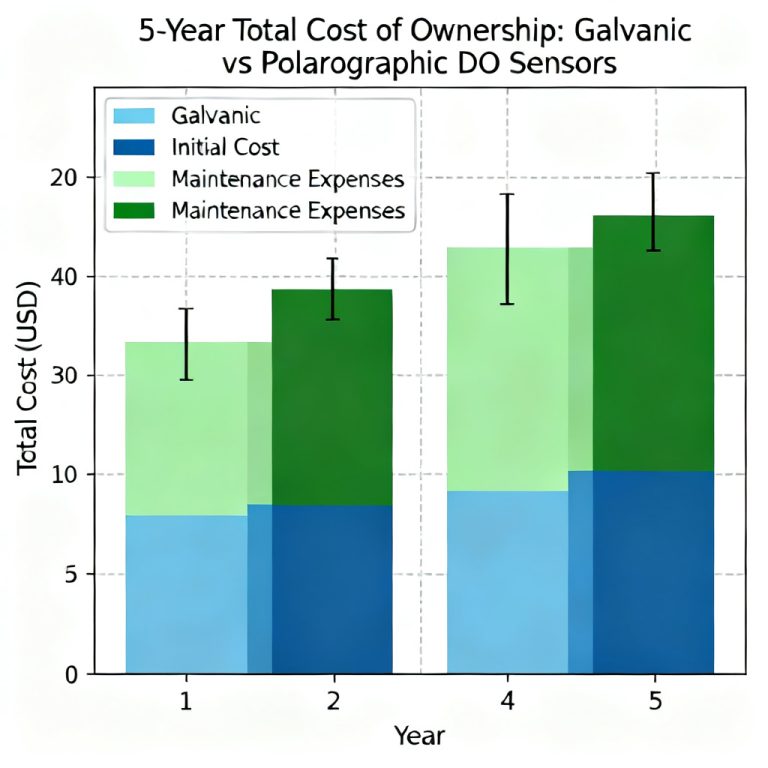
When procuring a dissolved oxygen monitoring system for large‑scale deployments, evaluate suppliers on their consistent long‑term support. Key criteria: optical DO sensor technology (preferred for low maintenance versus galvanic/Clark cells), demonstrated mean time between failures (MTBF >3 years for optical), and availability of spare parts (sensor caps, wipers, cables). Delivery schedules must align with construction milestones – late sensors can delay the entire commissioning. A minimum two‑year warranty with on‑site repair or advance replacement is essential. Ask for references from projects of similar scale (e.g., 100+ sensors).
Quality assurance during procurement
Pre-shipment inspection, factory acceptance testing (FAT)

Pre‑shipment inspection (PSI) verifies mechanical integrity, cable lengths, and accessory completeness. For critical projects, conduct factory acceptance testing (FAT) where each sensor is tested in a controlled DO solution (zero point and air‑saturated water). Record raw data, temperature compensation accuracy, and response time. FAT reduces field surprises and is often a contract requirement for government or industrial clients. A typical FAT report includes individual calibration certificates, pressure test results (for submersible sensors), and communication protocol verification (Modbus, SDI‑12, or analog scaling).
Installation and Commissioning of Dissolved Oxygen Monitoring Systems
Site preparation and mounting
Civil works, power supply, lightning protection
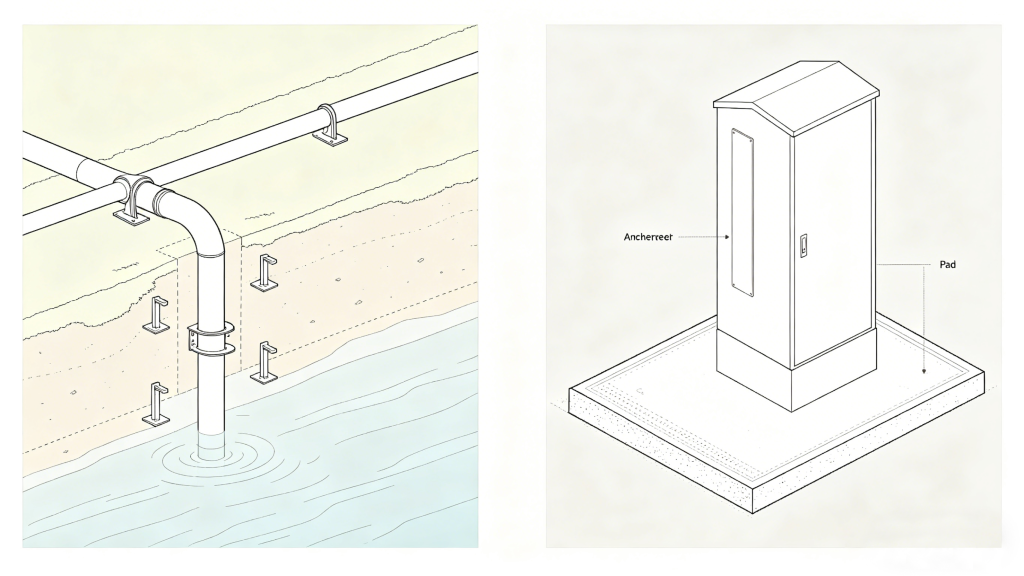
Two dominant deployment methods for a dissolved oxygen monitoring system exist: conduit/casing deployment and enclosure/kiosk installation. Conduit (often a stainless steel or PVC pipe anchored near the bank or on a structure) is faster, lower cost, and ideal when private land access is limited or vandalism risk is moderate. Kiosk installations (weatherproof cabinets housing the logger, telemetry, and power supply) require concrete pads, grounding, and more civil works, but provide better protection and easier on‑site servicing. Power supply: where grid power is unavailable, a solar‑rechargeable battery system with 15‑20 days of autonomy is recommended. Always include surge protection and lightning rods near large water bodies – induced surges are a leading cause of unexplained failures.
Sensor calibration and validation
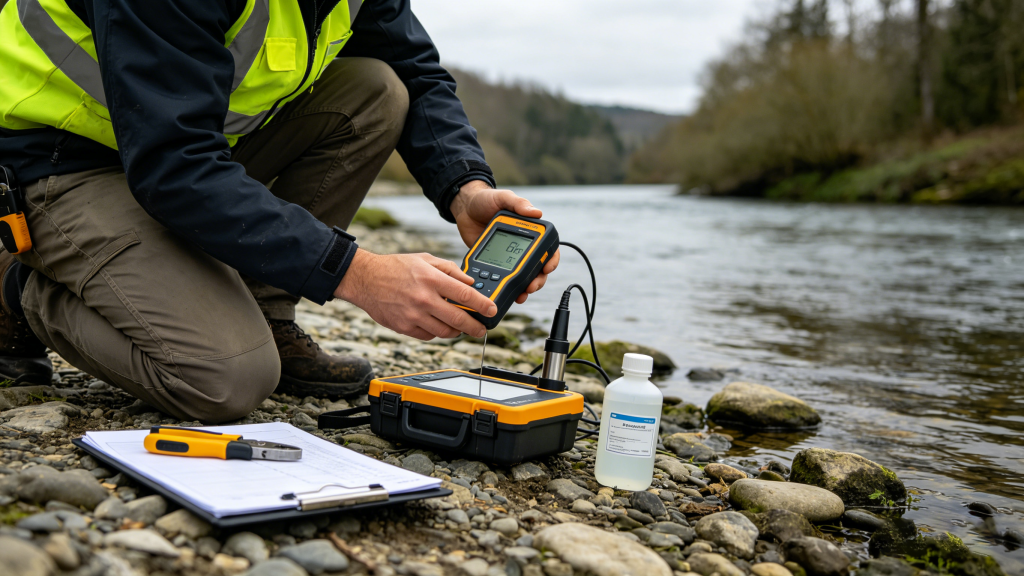
On-site calibration, cross-validation with reference methods
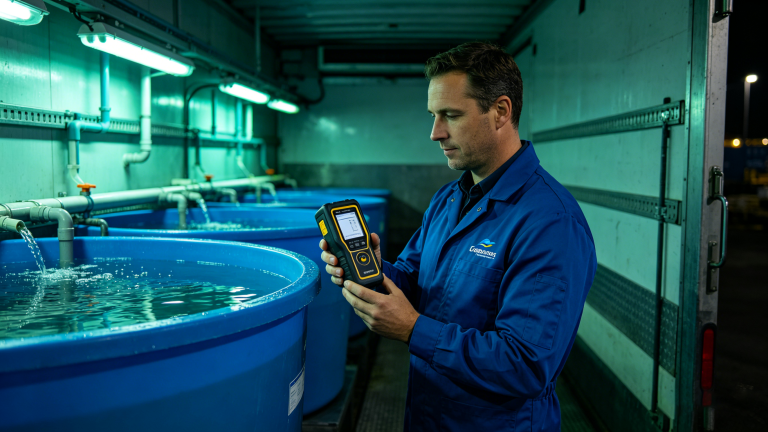
Before submersion, perform a two‑point calibration: zero‑oxygen solution (sodium sulfite) and air‑saturated water (or water‑saturated air). Optical sensors rarely need zero calibration if they have factory‑stored dark counts, but air calibration is mandatory. After installation, take a grab sample and measure DO with a portable reference meter (Winkler titration for highest accuracy). Cross‑validation should show agreement within ±0.2 mg/L. Document all calibration data in a calibration log – this is critical for government project acceptance.
System integration testing

SCADA connectivity, alarm testing, data flow verification
The system integration testing phase ensures every component works together. Simulate low DO alarms: manually expose sensor to nitrogen‑bubbled water and verify that the alarm reaches the SCADA screen, triggers SMS/email notifications, and logs event time stamps. Test data flow from edge logger → cloud → historian database. Verify that data retrieval is possible after power cycle and communication loss. Site Acceptance Test (SAT) repeats part of the FAT on‑site, confirming that shipping and installation have not damaged sensors. The SAT report is a key deliverable for final payment and warranty start.
Contractor note: Installation cost predictability builds trust. Choose modular, plug‑and‑play components to estimate labour hours within ±5% – a major bidding advantage.
Operation and Maintenance (O&M) for DO Systems
Preventive maintenance schedules
Cleaning, calibration, sensor replacement intervals
Optical DO sensors in a dissolved oxygen monitoring system have a typical lifespan of 2‑5 years in wastewater, depending on cleaning frequency. A standard preventive maintenance plan includes:
- Weekly: visual check for fouling, data plausibility review.
- Monthly: cleaning with soft brush and mild detergent; inspect cabling and connectors.
- Quarterly: on‑site air calibration; compare with portable reference.
- Annually: factory recalibration or sensor cap replacement (if fluorescent cap is used).
For heavy biofouling environments, consider automated mechanical wipers or compressed air cleaning systems. Document every activity in a cloud‑based CMMS (computerized maintenance management system) to enable remote diagnostics and predictive maintenance analytics.
Troubleshooting common issues
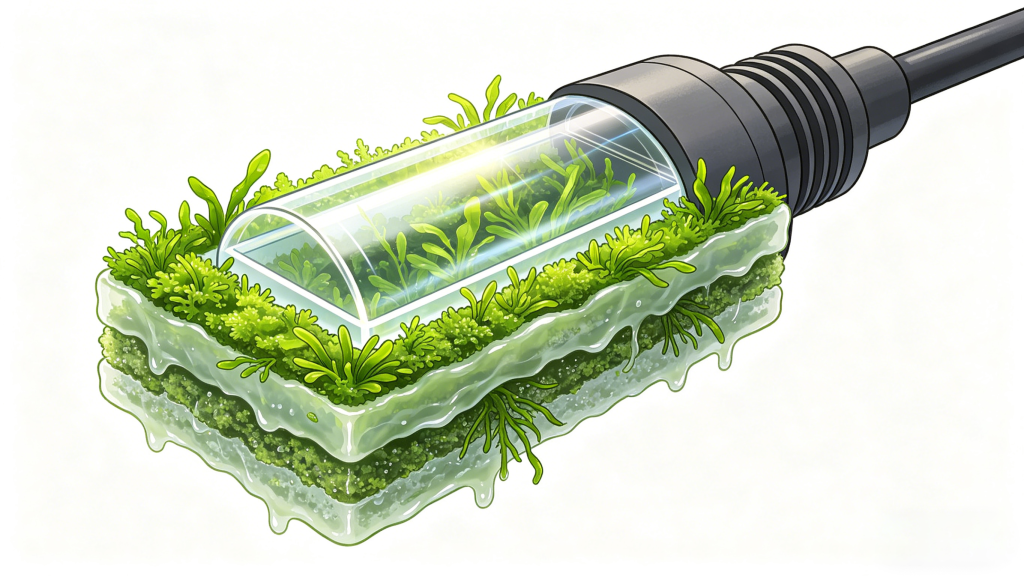
Biofouling, drift, communication failures
Biofouling is the #1 field issue – algae, mussels, or biofilm block the optical window, causing artificially low readings. Solution: copper‑based antifouling guards, frequent cleaning, or submerged in a flow cell. Drift: gradual increase or decrease in DO readings without real change. Optical sensors exhibit little drift (typically <1% per month) but if drift exceeds 0.5 mg/L per week, inspect the sensing foil for scratches or replace the cap. Communication failures often stem from loose connectors, water ingress, or damaged cables. Use dielectric grease on connectors and install junction boxes above flood level. A troubleshooting flowchart should be part of every O&M manual.
Remote diagnostics and support
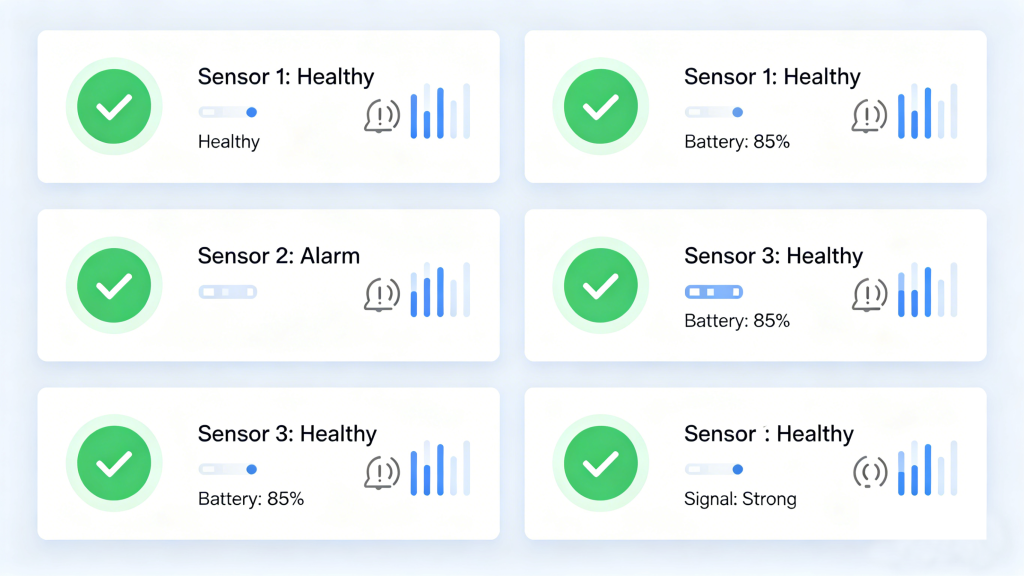
Cloud-based monitoring, remote firmware updates
Modern DO monitoring platforms offer remote diagnostics – you can check sensor health (signal strength, cap lifetime, cleaning status) from a web dashboard. Set up automated alerts for “sensor needs cleaning” or “communication timeout”. Remote firmware updates reduce truck rolls: update logger firmware or calibration coefficients over the air. This is particularly valuable for large‑scale networks with hundreds of sensors across a region. Ensure that the remote platform provides audit trails for regulatory compliance.
Case Studies: Successful Large-Scale Deployments
Nationwide environmental monitoring network
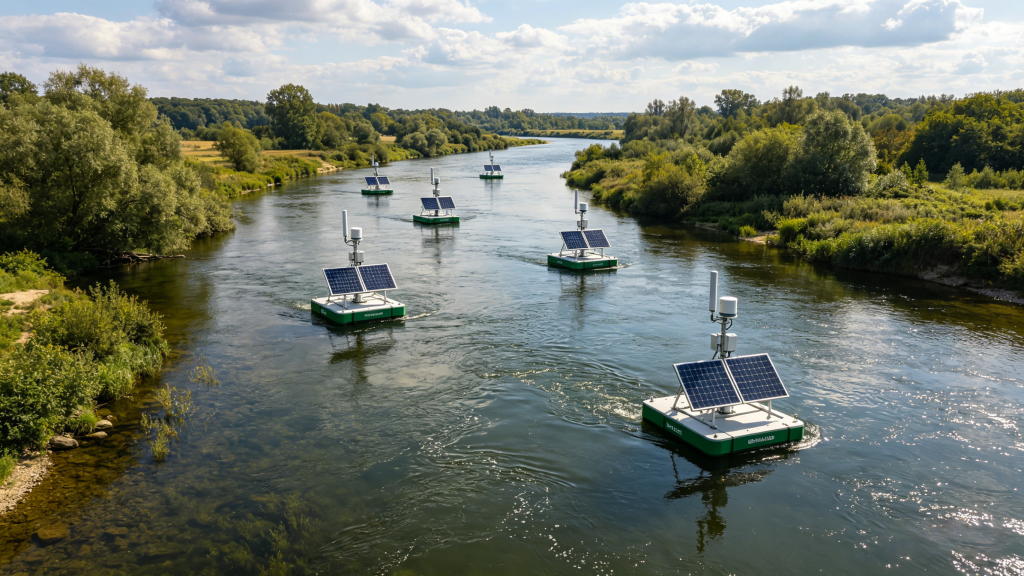
500+ sensors, solar-powered, 5-year O&M contract
A national environmental agency deployed over 500 optical DO sensors across rivers, lakes, and coastal zones. The project required sensors that could operate on solar power in remote locations with 4G telemetry. Each site was equipped with a self‑cleaning mechanism (air blast) to reduce biofouling. Lessons learned: centralised cloud platform reduced site visits by 60%; automated drift detection flagged only 8% of sensors for annual recalibration; the 5‑year O&M contract was priced at 18% of initial capital cost per year, including all spare parts and two scheduled preventive visits. Contractor feedback highlighted the importance of remote diagnostics – they could resolve 70% of alarms without physical dispatch.
Industrial wastewater treatment cluster
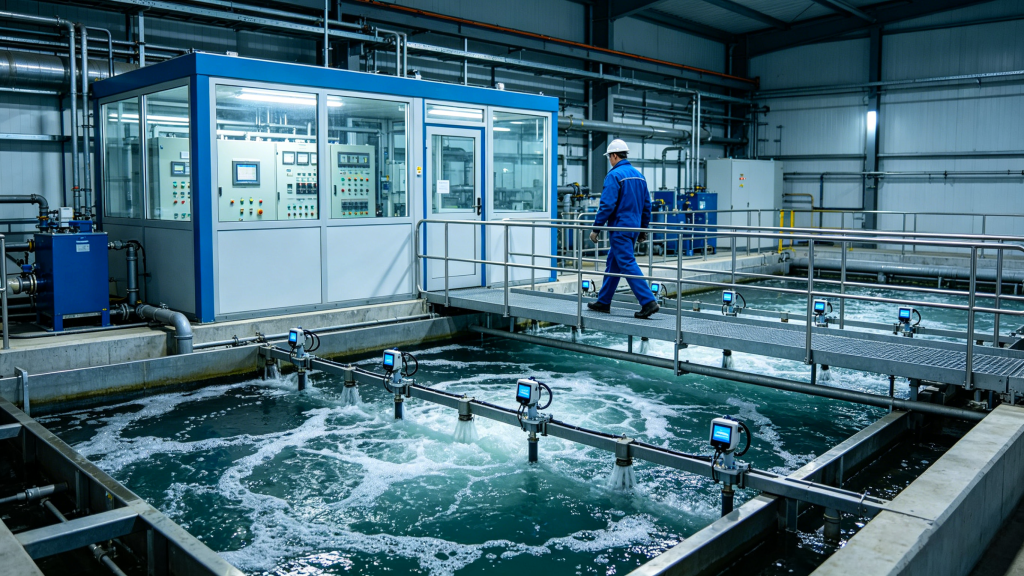
20 plants, centralized SCADA, 15% energy reduction
A regional utility upgraded 20 industrial wastewater treatment plants with a new DO monitoring network. Previously, operators spent 4 hours per week manually cleaning and calibrating galvanic probes, and unreliable readings caused over‑aeration. After switching to optical sensors with automated cleaning, maintenance dropped to 30 minutes per plant per week. The system integration testing phase included an energy audit: by implementing PID control based on reliable DO data, average air blower energy consumption fell by 15% across the cluster – saving over $200,000 annually. The installation contractor reported that pre‑shipment inspection and pre‑terminated cables reduced on‑site installation time by 40%. The plant operator’s statement: “We can now trust the data and focus on process optimisation instead of sensor babysitting.”
Multi‑perspective value: Operators love low maintenance, plant managers value energy savings, and contractors appreciate predictable installation and reliable FAT/SAT procedures.
Comparison of Deployment Methods for Dissolved Oxygen Monitoring Systems
| Deployment Method | Installation Cost | Site Access Needed | Maintenance Ease | Best Suited For |
|---|---|---|---|---|
| Conduit/Casing | Lower | Limited / private land | Moderate (requires wading or boat) | Rivers, lakes, remote areas |
| Kiosk/Enclosure | Higher (civil works) | Public land with power | Easier (dry access) | Wastewater plants, urban sites |
| Solar + Telemetry | Medium to high | Any with sunlight | Remote diagnostics enabled | Off-grid environmental networks |
Glossary of Key Technical Terms for DO Monitoring
- Biofouling: Accumulation of biological growth on sensor optics, causing measurement errors.
- Drift: Gradual deviation of sensor output from true value over time.
- Factory Acceptance Testing (FAT): Pre-shipment test of each sensor in controlled conditions.
- Site Acceptance Test (SAT): On-site validation after installation.
- Remote Diagnostics: Cloud-based health monitoring and fault detection of sensors.
Frequently Asked Questions for Project Contractors
What is the typical lifespan of an optical DO sensor in wastewater for a dissolved oxygen monitoring system?
2‑5 years, depending on cleaning and maintenance. Harsh chemical exposure or abrasive solids can reduce lifespan to 2 years, while clean municipal wastewater with regular cleaning often reaches 5 years. The sensing cap (if replaceable) may need annual change, but the core electronics last 5‑7 years.
How do I handle sensor drift during long-term deployments of a dissolved oxygen monitoring system?
Most modern optical sensors have automated drift correction algorithms that compensate for minor LED decay. For long‑term drift, implement a quarterly air calibration check. If drift exceeds 0.3 mg/L, perform a two‑point calibration. Storing calibration history in the cloud allows predictive cap replacement before drift affects data quality.
What documentation is needed for government project acceptance of a dissolved oxygen monitoring system?
Typical requirements include: calibration logs (pre‑ and post‑installation), FAT reports (with raw data), SAT reports (signed by contractor and client), system integration testing results (alarm verification, communication tests), as‑built drawings, and an O&M manual (including troubleshooting guides and spare parts list). Some agencies also demand data validation plan and cybersecurity compliance for cloud platforms.
How often should a dissolved oxygen monitoring system be recalibrated?
For optical DO sensors, an air calibration check every 3 months is sufficient under normal conditions. In harsh environments (high fouling or extreme temperature shifts), monthly checks are recommended. A full two‑point calibration (zero and air) is advised annually or when drift exceeds 0.3 mg/L.
Can a dissolved oxygen monitoring system be integrated with existing SCADA?
Yes, most modern DO monitoring systems support standard communication protocols (Modbus RTU, Modbus TCP, Profibus, 4‑20 mA analog). The system integration testing phase should include SCADA connectivity validation to ensure real‑time data flow and alarm handling.