Dissolved Oxygen Sensor Standards: International Certification and Regulatory Compliance
Dissolved oxygen sensor standards define the technical requirements for accurate water quality monitoring. This guide covers ISO, ASTM, IEC, CE, RoHS, and regional certifications essential for procurement, tenders, and global projects.
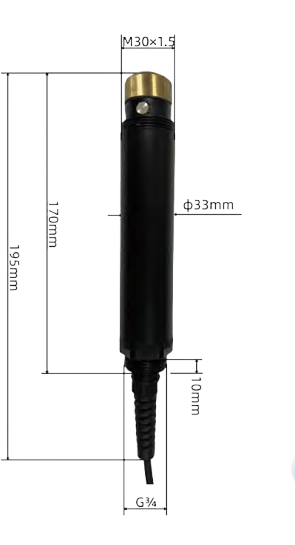
Engineering contractors, B2B procurement professionals, and project managers involved in government tenders and international projects face a complex landscape of technical standards and certifications for dissolved oxygen (DO) monitoring systems. Whether you are specifying sensors for a municipal wastewater plant, a coastal aquaculture facility, or a drinking water network, compliance with internationally recognized standards is not optional—it is a prerequisite for winning bids, avoiding legal liabilities, and ensuring measurement reliability. This comprehensive guide systematically covers the major global standards (ISO 5814, ISO 17289, ISO 22013, ASTM D888, IEC 60746-4), regional certification requirements (CE certification, RoHS compliance, FCC, China HJ 506-2009), and practical steps to draft tender specifications that include mandatory documentation such as calibration certificates and FAT/SAT reports.
Who should read this guide? Aquaculture professionals, fishery managers, high-end seafood hotel operators, water quality equipment distributors, and engineering contractors. If you need to purchase, specify, or deploy DO sensors that will pass audits and perform reliably under regulatory scrutiny, this is your reference.
1. International Standards Framework for Dissolved Oxygen Sensor Standards
The global framework for dissolved oxygen sensor standards rests on three ISO documents. Understanding their scopes prevents misapplication.
ISO 5814:2012 – Electrochemical probe method
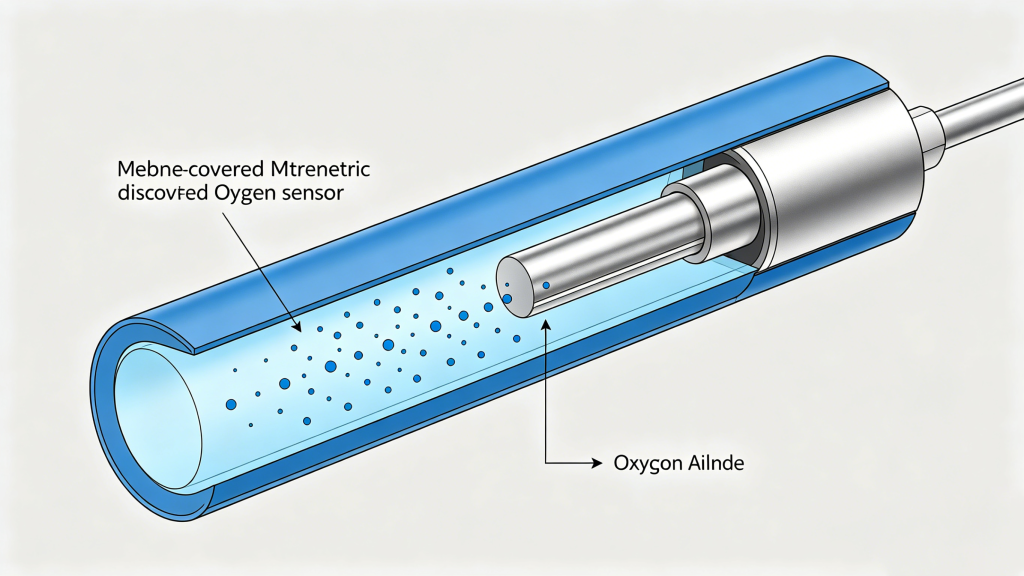
ISO 5814:2012 specifies the method for determining dissolved oxygen in water using an electrochemical probe with a gas-permeable membrane. The operating principle relies on a membrane-covered amperometric cell: oxygen diffuses through the membrane and is reduced at the cathode, generating a current proportional to the oxygen partial pressure. ISO 5814 includes critical solubility correction tables for variable salinity, temperature, and atmospheric pressure. For freshwater applications up to brackish conditions, this remains the reference method. The standard explicitly states that salinity compensation must be applied when total dissolved solids exceed 1 g/L. Many regulatory agencies still cite ISO 5814 as the accepted method for routine monitoring.
ISO 17289:2014 – Optical sensor method (fluorescence quenching)
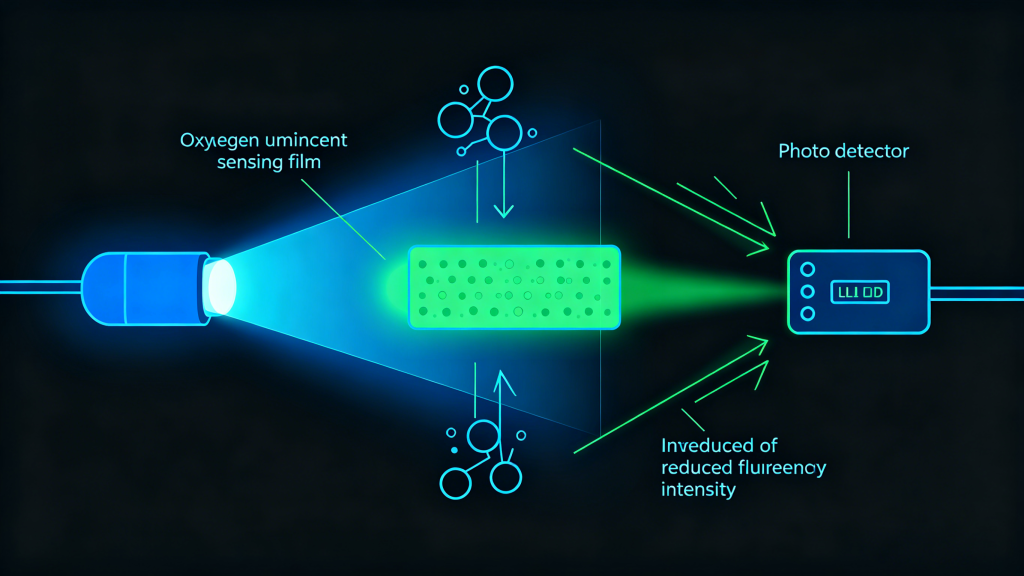
ISO 17289:2014 covers optical sensors that measure oxygen by detecting the lifetime or intensity decay of a luminescent film in contact with the sample. This standard addresses advantages specific to optical technology: no oxygen consumption, minimal drift, low maintenance, and suitability for low-oxygen environments. When writing tender specifications for aquaculture or long-term environmental monitoring, specifying compliance with ISO 17289 signals that you want modern, drift-free optical sensors rather than legacy electrochemical ones. The standard also provides validation procedures for membrane materials and stray light immunity.
ISO 22013:2021 – Marine sensor specifications
For marine applications—including CTD (conductivity-temperature-depth) rosettes and multi-parameter sondes deployed in coastal or open ocean waters—ISO 22013:2021 defines terminology, test methods, and reporting requirements specific to harsh, high-pressure, biofouling-prone environments. This standard complements ISO 5814 and ISO 17289 by adding requirements for pressure housings, antifouling provisions, and calibration stability under varying salinity and temperature gradients. Engineering contractors bidding on offshore aquaculture projects or marine monitoring networks should explicitly require compliance with ISO 22013 to ensure sensor robustness.
2. ASTM Standards for Dissolved Oxygen Testing
ASTM International develops widely adopted test methods, particularly for the North American market. The principal standard for DO measurement is ASTM D888, which unifies three test methods.
ASTM D888-12 / D888-18 – Standard test methods
The current active version is ASTM D888-18. It describes three parallel methods:
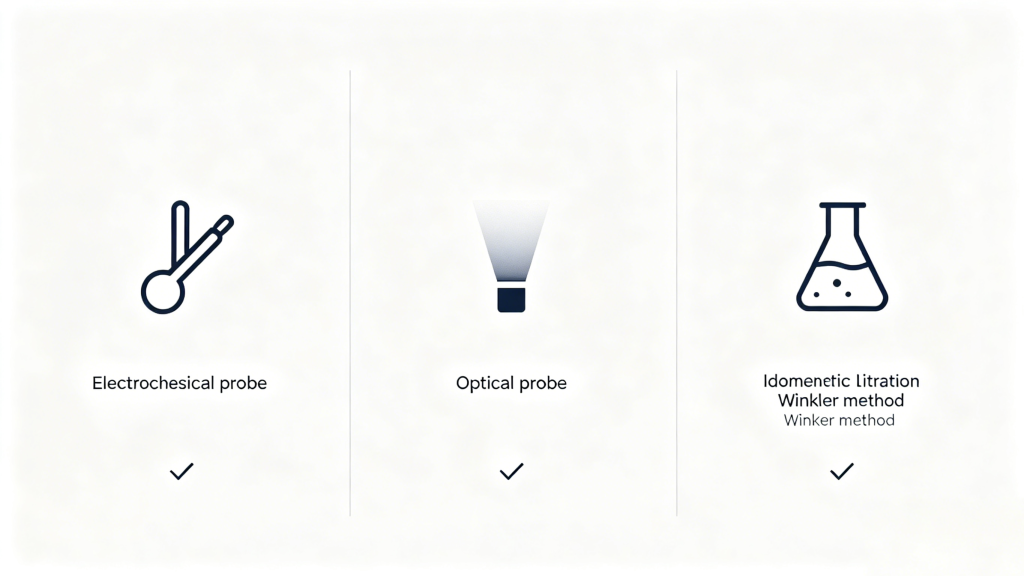
- Method A – Electrochemical probe method: Equivalent to ISO 5814 but with specific requirements for membrane integrity and stirring dependence.
- Method B – Optical probe method: Aligned with ISO 17289; includes verification of quenching linearity and temperature compensation.
- Method C – Iodometric titration (Winkler method): The reference chemical method used for calibration of instrumental methods and for high-accuracy validation.
For environmental monitoring and wastewater applications—such as NPDES permits in the United States—ASTM D888 is the legally referenced standard. Contractors serving US municipalities should ensure their DO sensors can demonstrate compliance with ASTM D888-18, particularly the optical method for continuous monitoring and the iodometric method for periodic verification.
3. IEC Standards for Electrochemical Analyzers
The International Electrotechnical Commission (IEC) focuses on performance and safety of electrical measuring instruments. The key document for DO sensors is IEC 60746-4:2018.
IEC 60746-4:2018 – Membrane-covered amperometric sensors
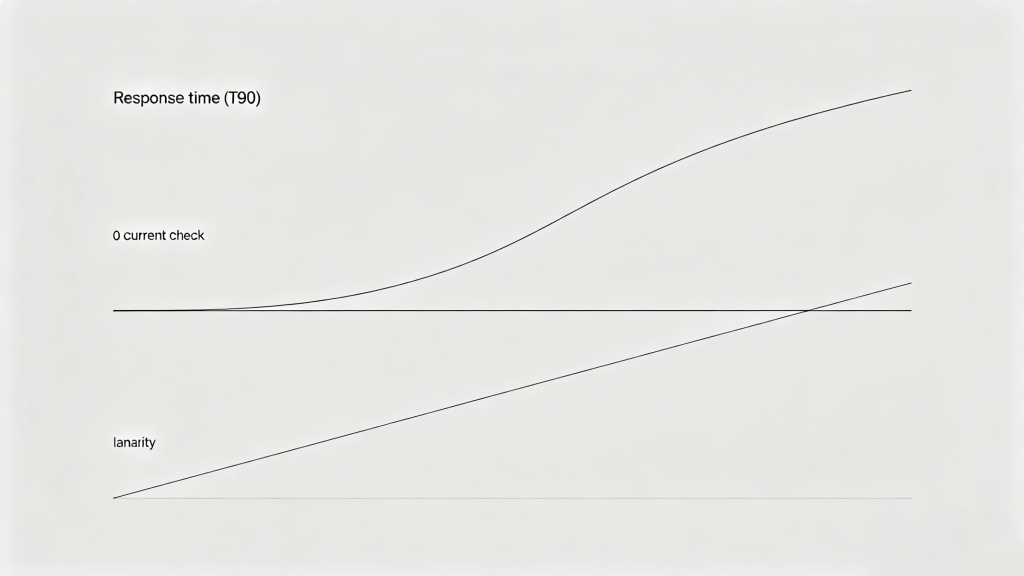
IEC 60746-4:2018 specifies terminology, requirements, and performance test procedures for membrane-covered amperometric sensors used for dissolved oxygen measurement in fresh water, potable water, seawater, industrial wastewater, and municipal wastewater. Importantly, IEC 60746-4 directly references ISO 5814:2012 for the oxygen solubility tables that must be used for calibration and compensation. This cross-reference highlights that standards are not silos: an IEC analyzer standard incorporates ISO method standards.
The 2018 revision clarified that the standard no longer applies to sensors intended for gas-phase oxygen measurement; it is strictly for aqueous solutions. For procurement professionals, specifying compliance with IEC 60746-4 ensures the sensor’s electrical performance, response time, zero current, and linearity have been verified under defined laboratory conditions.
4. Regional Certification Requirements for Dissolved Oxygen Sensor Standards
Beyond technical standards, market access requires compliance with regional regulations regarding electrical safety, electromagnetic compatibility, chemical substances, and environmental protection.
CE marking (Europe) – Essential for EU market access
CE certification indicates conformity with European Union directives. For DO sensor systems, the relevant directives include:
- EMC Directive 2014/30/EU: Sensors must not generate excessive electromagnetic interference and must be immune to typical industrial disturbances. Compliance is typically demonstrated via harmonized standards such as EN 61326-1 (industrial electrical equipment).
- LVD Directive 2014/35/EU: For sensors powered by mains voltage (or any supply above 50V AC / 75V DC), safety against electric shock and fire must be proven.
- RoHS Directive 2011/65/EU (amended by 2015/863): Restricts the use of lead, mercury, cadmium, hexavalent chromium, PBB, PBDE, and four phthalates in electrical equipment. RoHS compliance is mandatory for placing sensors on the European market.
Additionally, REACH (Registration, Evaluation, Authorisation and Restriction of Chemicals) regulation applies to chemical substances used in manufacturing. While not a product marking, REACH compliance is legally required and often requested in tenders.
Suppliers must provide a Declaration of Conformity listing all applicable directives and standards. For sensors also sold to Great Britain, the UKCA mark may be required alongside CE.
FCC compliance (North America)
In the United States, the Federal Communications Commission (FCC) regulates electronic devices that emit radio frequency energy. Most DO sensors with digital outputs (e.g., 4-20mA with HART, Modbus, or Bluetooth telemetry) must comply with FCC Part 15, which limits radiated emissions and requires proper labeling. For wireless-enabled sensors, certification becomes more extensive. While FCC is primarily about electromagnetic interference, engineering contractors for US infrastructure projects should request FCC compliance documentation to avoid installation delays.
RoHS and REACH (EU chemical compliance)
Both RoHS and REACH are enforced by environmental authorities. RoHS focuses on a restricted list of substances in electrical equipment; REACH covers all chemicals placed on the market, including those used in manufacturing processes (e.g., plasticizers in cable insulation, sealants in sensor housings). A complete compliance package for international tenders should include a REACH declaration confirming that Substances of Very High Concern (SVHC) are either not present or are below threshold limits.
China’s domestic standards: HJ 506-2009
For projects in China—or for suppliers exporting to China—the national environmental standard HJ 506-2009 applies. This standard, titled “Water quality – Determination of dissolved oxygen – Electrochemical probe method,” is technically aligned with ISO 5814 but includes specific requirements for sample agitation, temperature compensation accuracy, and reporting units (mg/L or % saturation at 101.325 kPa). China’s Ministry of Ecology and Environment (MEE) enforces HJ 506-2009 for environmental monitoring, wastewater discharge permits, and surface water quality assessments. Any DO sensor used in China for regulatory reporting must be validated against HJ 506-2009. Many provincial tenders now require proof of compliance with this national standard rather than simply referencing ISO.
Pro tip: When bidding on international projects, create a compliance matrix that maps the sensor’s technical specifications to each relevant standard and certification. This matrix is often the first document a technical evaluator checks.
5. How to Write Compliant Tender Specifications for Dissolved Oxygen Sensor Standards
Government tenders and large-scale industrial procurements demand precise, verifiable requirements. Vague language like “must meet international standards” is insufficient. Below is a structured approach to writing DO sensor specifications that eliminate ambiguity and attract qualified suppliers.
Mandatory vs. desirable technical specifications
Separate requirements into “mandatory” (must-have) and “desirable” (value-added). Mandatory items typically include:
- Measurement method: optical (ISO 17289) or electrochemical (ISO 5814), specified per application. For low-maintenance field deployment, optical is preferred.
- Measuring range: e.g., 0–20 mg/L or 0–200% saturation, with accuracy declared as ±0.1 mg/L or ±1% of reading.
- Response time (T90): ≤ 30 seconds for optical, ≤ 60 seconds for electrochemical.
- Temperature compensation range: 0 to 50°C, integrated salinity compensation.
- Compliance with IEC 60746-4:2018 for electrical performance.
- Certifications: CE certification (if EU destination), FCC (if USA), RoHS compliance, and any applicable national standards (e.g., HJ 506-2009 for China).
Desirable specifications might include low drift (e.g., < 1% per month), antifouling membrane systems, remote diagnostics, and data logging capability.
Required documentation: datasheets, calibration certificates, FAT/SAT reports
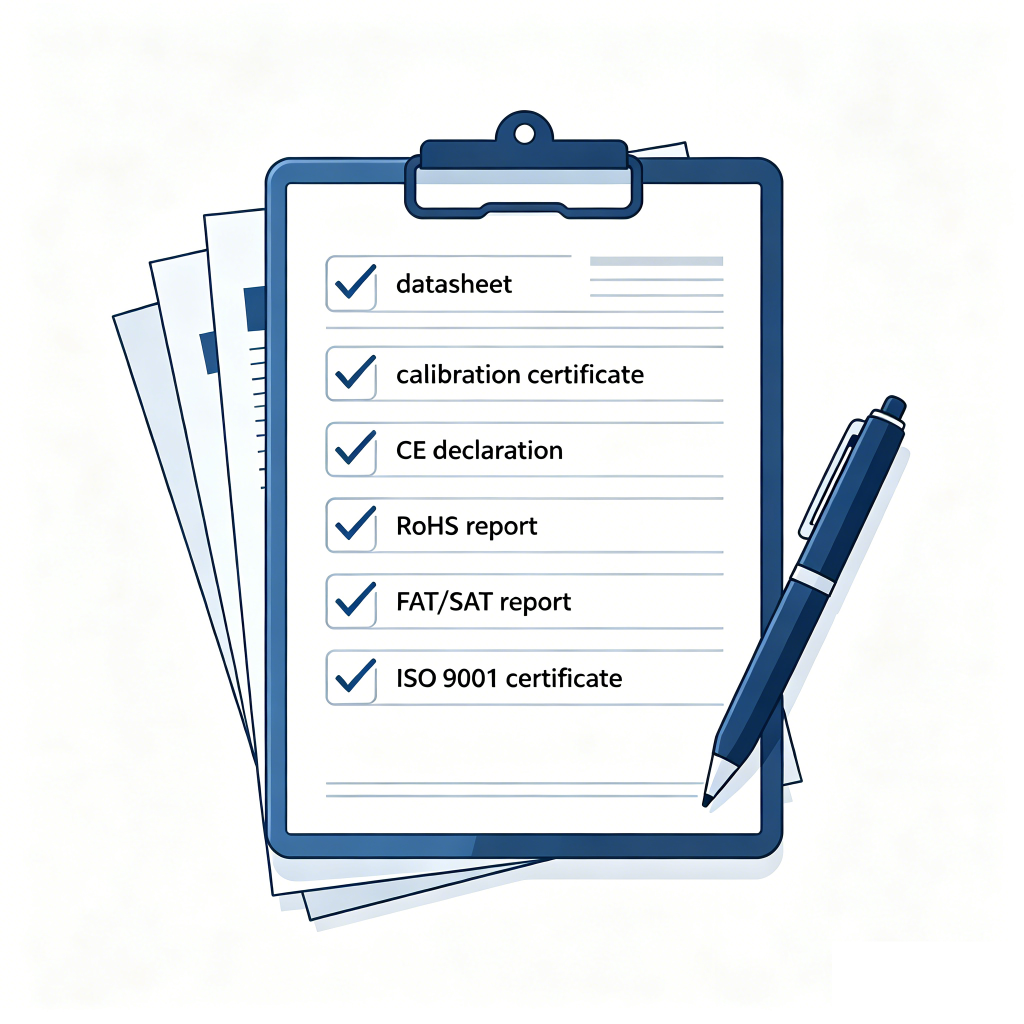
符合要求的投标书必须包含证明其符合性的特定文件。采购经理应要求提供以下文件:
- Manufacturer datasheets with declared performance parameters and traceability to standards.
- Factory calibration certificates issued by an ISO/IEC 17025 accredited laboratory, showing the measurement uncertainty and traceability to national or international references (e.g., NIST, PTB).
- CE Declaration of Conformity listing each applicable directive and the harmonized standards used.
- RoHS compliance report (either a test report from an accredited lab or a supplier declaration with supporting material analysis).
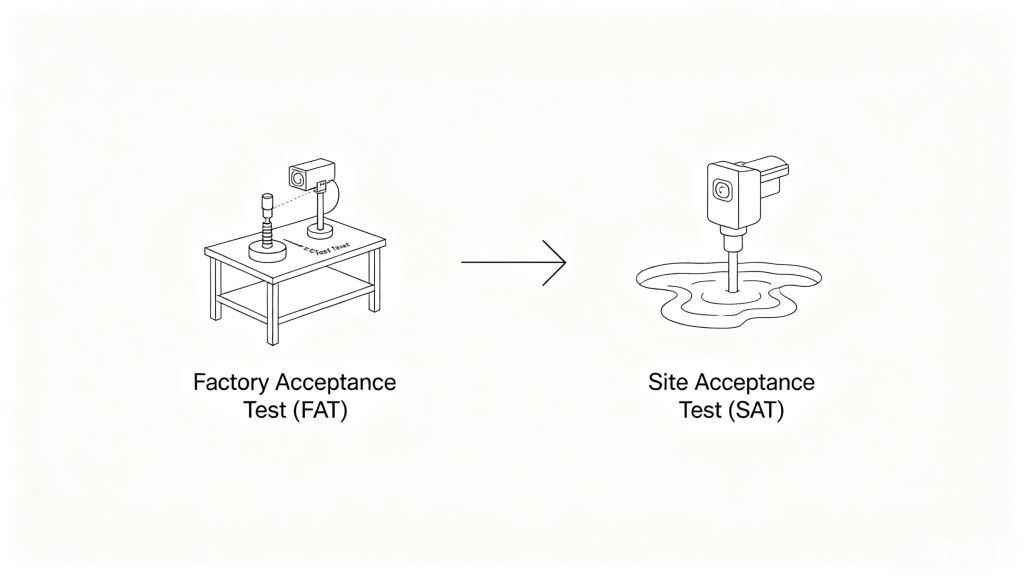
- FAT (Factory Acceptance Test) and SAT (Site Acceptance Test) procedures and results. FAT verifies sensor performance before shipment against agreed acceptance criteria; SAT confirms functionality after installation on site. This is especially important for large projects where sensors integrate into SCADA systems.
- ISO 9001 certificate of the manufacturer (quality management system). While not product-specific, it signals robust manufacturing processes.
Supplier evaluation criteria based on ISO certification
Beyond the product itself, evaluate suppliers on their quality system certification (ISO 9001) and, if available, environmental management (ISO 14001). For tenders involving long-term maintenance, request evidence of calibration traceability—i.e., the supplier’s own calibration laboratory must be ISO/IEC 17025 accredited. This eliminates suppliers that provide “certificates” without metrological traceability.
6. Frequently Asked Questions About DO Standards and Compliance
“Which ISO standard applies to optical DO sensors?”
ISO 17289:2014 is the dedicated standard for optical sensors using the fluorescence quenching principle. For tenders, specify this standard unless you require electrochemical technology.
“ISO 5814 是否同时适用于淡水和海水?”
Yes, but with the mandatory use of salinity compensation tables provided in the standard. Without applying the correct salinity correction (from 0 to 40 PSU), readings in seawater will be off by approximately 20% relative to true concentration.
“What documentation do I need for a government tender on dissolved oxygen sensor standards?”
Essential documents: product datasheet, factory calibration certificate (ISO/IEC 17025), CE Declaration of Conformity, RoHS compliance statement, FCC documentation (if applicable), FAT and SAT reports, and the manufacturer’s ISO 9001 certificate. For Chinese tenders, add HJ 506-2009 compliance evidence.
“How do I avoid calibration certificate disputes with suppliers?”
Specify that calibration certificates must report measurement uncertainty and the reference standard’s traceability (e.g., “calibrated against a NIST-traceable oxygen standard solution”). And require that the supplier’s calibration laboratory holds ISO/IEC 17025 accreditation. This simple requirement eliminates 80% of low-quality offers.
“What is the difference between ASTM D888-18 and ISO 5814?”
Both cover similar methods, but ASTM D888 includes the iodometric titration method as a refereed standard, while ISO 5814 only covers the electrochemical probe method. For optical sensors, ASTM D888-18 includes Method B; ISO 17289 is the optical counterpart. In practice, choose based on the target regulatory authority: US EPA references ASTM, while European agencies reference ISO.
“Can a DO sensor be both CE and UKCA marked?”
Yes. Many manufacturers apply both marks to serve the EU and Great Britain markets simultaneously. The technical requirements are largely aligned, though separate declarations are required.