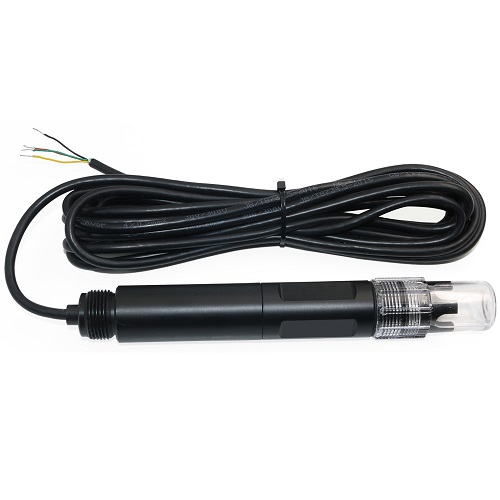
1. What is a Water Quality pH Sensor?
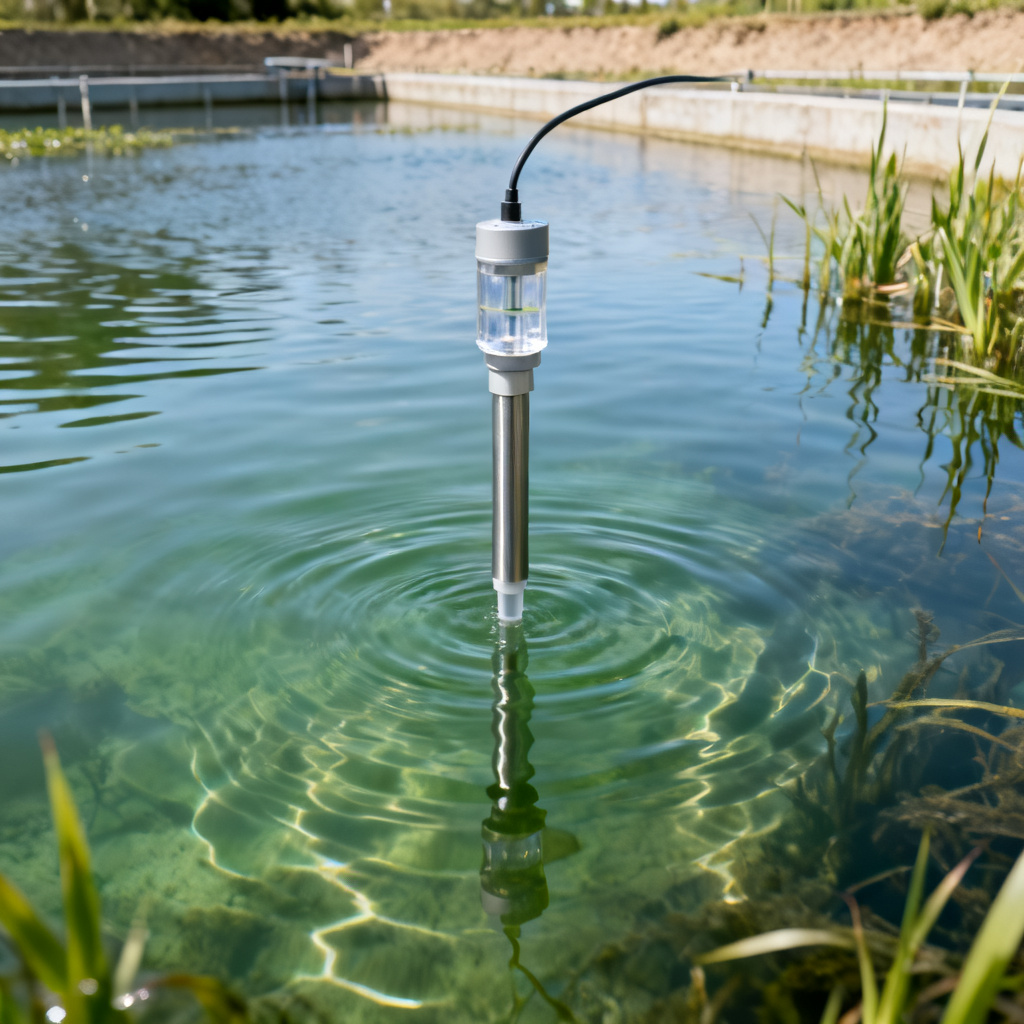
A water pH sensor is an essential device used to measure the acidity or alkalinity of water. The pH scale, ranging from 0 to 14, serves as a numerical indicator of water’s chemical nature. A pH value of 7 represents neutrality. Values below 7 signify acidic conditions, while those above 7 indicate alkalinity. This measurement holds significant importance as it can influence various aspects. For instance, in aquatic ecosystems, pH levels impact the survival and growth of aquatic organisms. In industrial processes and water treatment facilities, maintaining an appropriate pH is often crucial for ensuring the effectiveness of operations. The Benefits of Using a Water PH Sensor for Real-Time Waster Quality Monitoring could be see by all.
2. Introduction to Related Product – LD144 Liquid pH Sensor
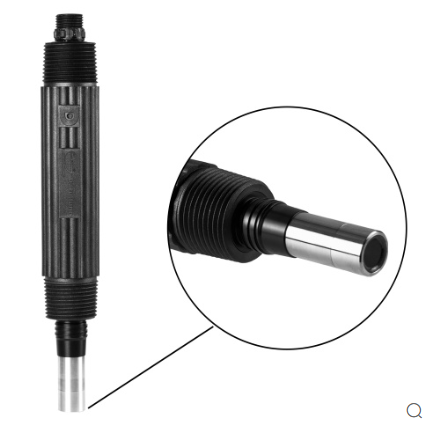
The LD144 Liquid pH Sensor, developed by sensormass, is designed to provide reliable pH measurement solutions. Operating on the electrochemical measurement principle, this sensor can measure pH values within the 0 – 14 pH range. It functions within a supply voltage of 7 – 30VDC, consuming less than 0.2W, which can contribute to relatively low power consumption. The sensor also offers an optional temperature compensation feature, which has the potential to help improve the accuracy of measurements in different temperature environments.
3. Characteristics of LD144 Liquid pH Sensor
3.1 High Precision and Sensitivity
The LD144 sensor is engineered to offer a relatively high level of precision, with an accuracy of ±0.05pH and a resolution of 0.01pH. This precision may enable users to detect small changes in water pH, providing detailed data for analysis. Its high sensitivity allows it to respond quickly to variations in pH levels, potentially offering real-time information for monitoring purposes.
3.2 Fast Response
In flowing liquid, the sensor typically responds in less than 8s, and in stationary liquid, it generally responds in less than 14s. This relatively fast response time can be beneficial for timely monitoring, allowing for prompt actions to be taken if significant pH changes occur.
3.3 Excellent Stability
The sensor exhibits good stability, with a stability level of ≤0.01pH/24h. This stability can contribute to more consistent performance over time, reducing the frequency of recalibration in many cases.
3.4 Simple Operation
One of the notable features of the LD144 is its simplicity in operation. It does not require highly specialized calibration instruments, making it accessible to users with different levels of technical expertise. This simplicity can simplify the process of water quality monitoring for a wide range of users.
4. Advantages and Applications of LD144 Liquid pH Sensor
4.1 Advantages
The LD144 provides dual output signals, 4 – 20mA and RS485 simultaneously. This dual output can make it easier to integrate the sensor with various monitoring systems. It has an IP68 ingress protection rating, suggesting that it is likely to be highly resistant to water and suitable for use in challenging environments. Additionally, with a default cable length of 5m that can be customized, along with an optional mounting bracket, the sensor offers flexibility in installation, allowing it to be adapted to different setups.
4.2 Applications
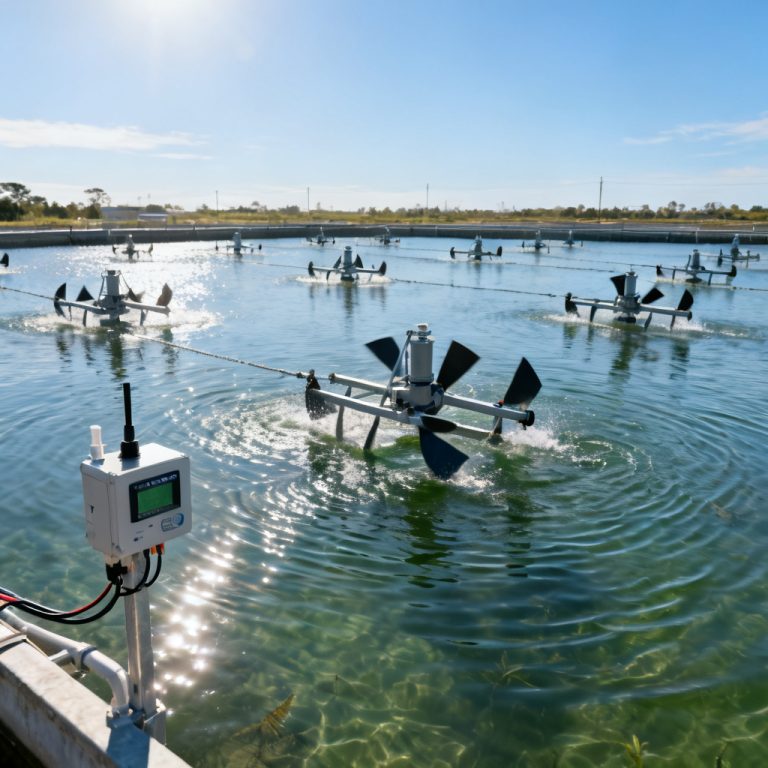
The LD144 has a wide range of applications. In the agricultural sector, it can assist in optimizing the pH of irrigation water, potentially enhancing crop growth conditions. In aquaculture sector, it help monitor the water quality of the fish farm or shrimp farm etc. to ensure the livehood raised in good water condition. In sewage treatment plants, it can be used to monitor and control the pH during the treatment process, helping to ensure compliance with environmental standards. In the chemical industry, it can play a role in quality control for chemical processes that involve water. It is also commonly used in water treatment facilities, rivers, reservoirs, and wells to monitor water quality, contributing to the protection of aquatic ecosystems and public health.