Choosing the right dissolved oxygen in water sensor for ponds is the most critical decision for maintaining healthy aquatic life and preventing fish kills. This comprehensive guide explains everything you need to know about pond DO monitoring technologies, from sensor types to installation and maintenance.
Understanding Dissolved Oxygen Sensor Technologies for Ponds
Electrochemical DO Sensors for Pond Monitoring
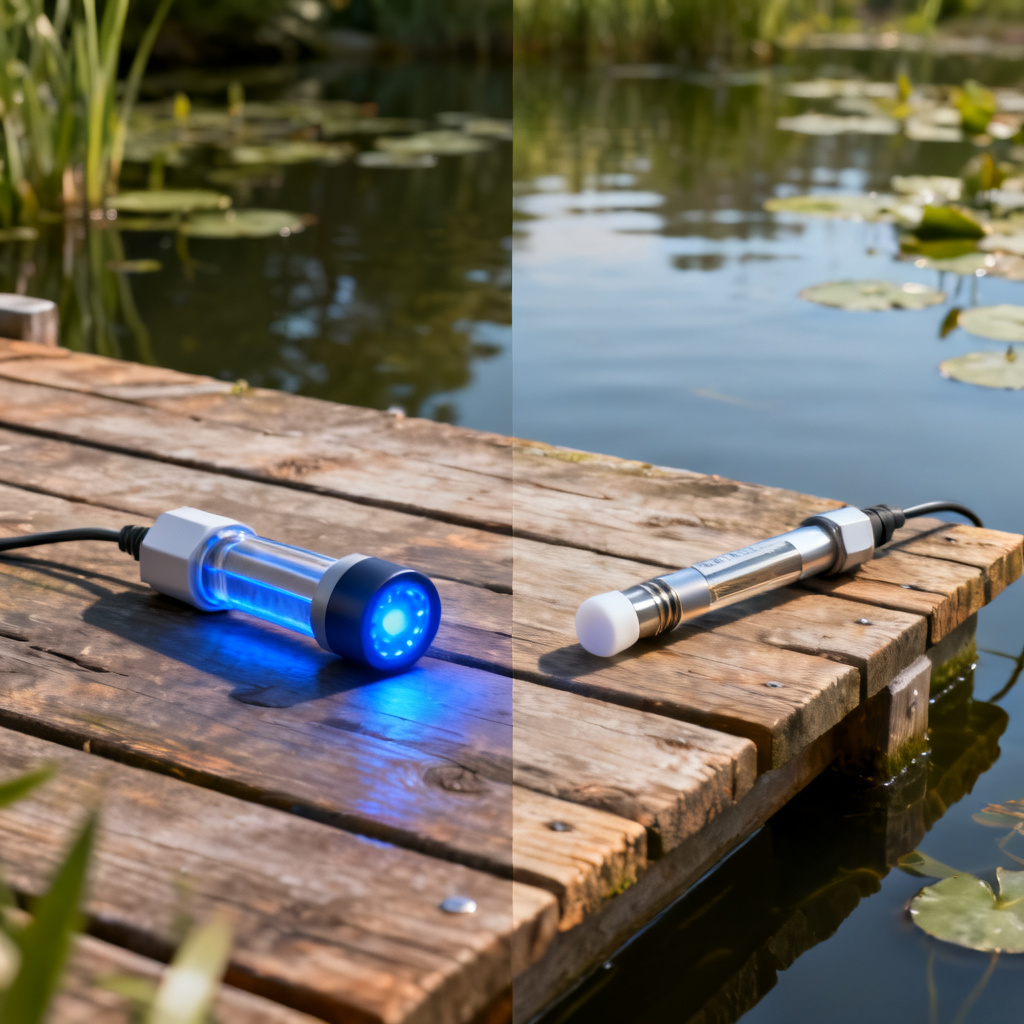
Dissolved oxygen in water sensor for ponds using electrochemical technology includes galvanic and polarographic types. Galvanic sensors are self-polarizing and require no external power, making them robust for long-term field deployment in ponds. Polarographic sensors need an external voltage but offer slightly higher accuracy and faster response times. Both types rely on a gas-permeable membrane and electrolyte solution that must be replaced periodically. In pond environments, membrane fouling from algae and sediment is a major limitation, and these sensors require a minimum flow rate of 0.3–1 ft/s to avoid localized oxygen depletion. Accuracy is typically ±0.1–0.2 mg/L with proper calibration, and response time is 30–60 seconds for 90% response.
Optical Luminescent DO Sensors for Pond Applications
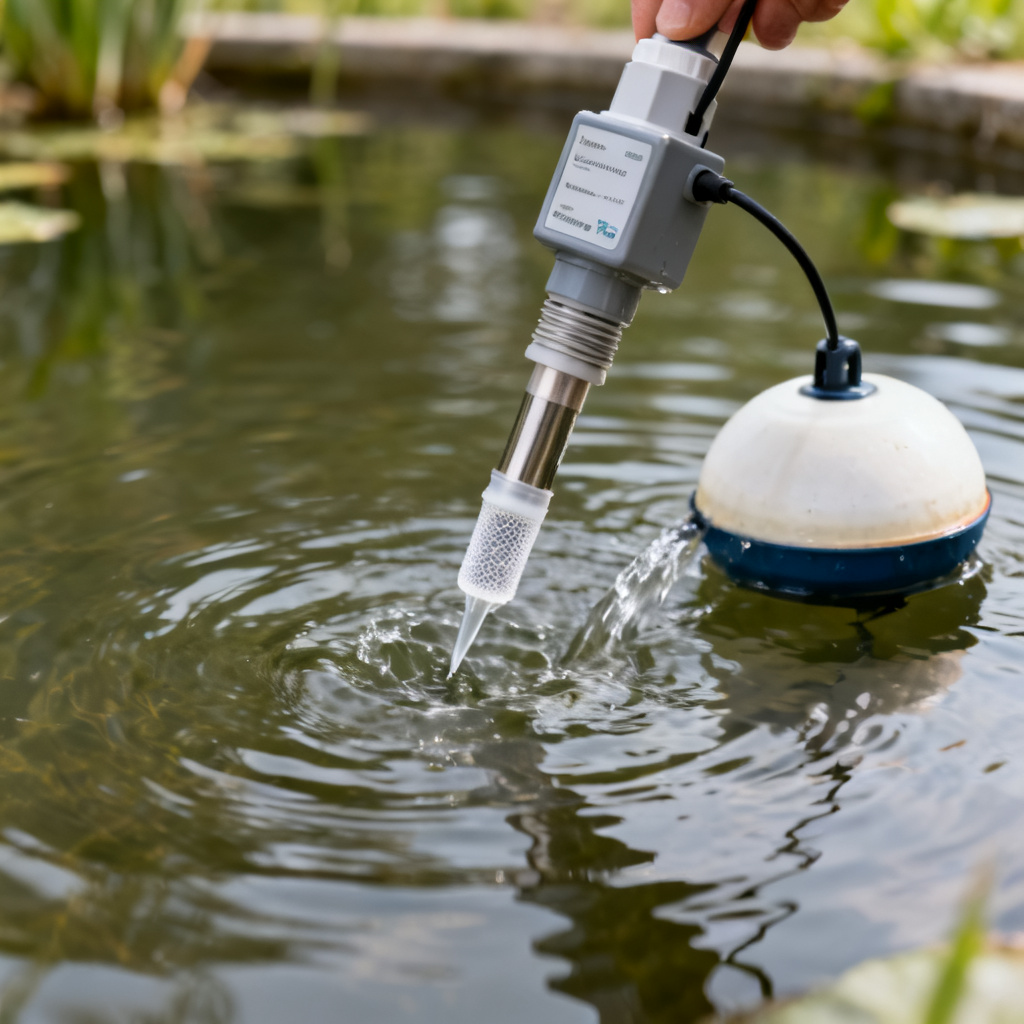
The optical dissolved oxygen in water sensor for ponds uses fluorescence quenching technology, where a sensing foil coated with luminescent dye is excited by a blue LED. Oxygen molecules quench the luminescence, and the sensor measures decay time inversely proportional to oxygen concentration. These sensors do not consume oxygen during measurement, so they are unaffected by flow rate—a critical advantage for stagnant or low-flow pond environments. There is no electrolyte or membrane replacement needed; the sensing foil lasts 1–2 years even in harsh conditions. Optical sensors have no warm-up time, minimal drift, and typically require calibration only every 6–12 months. Accuracy is ±0.1–0.2 mg/L, and response time is similar to electrochemical sensors. The main drawback is higher upfront cost, and the sensing foil can be scratched by abrasive particles.
| Feature | Electrochemical DO Sensor | Optical DO Sensor |
|---|---|---|
| Measurement Principle | Chemical reduction of O2 at cathode | Fluorescence quenching of dye |
| Consumes Oxygen? | Yes | No |
| Flow Requirement | 0.3–1 ft/s | None |
| Maintenance Frequency | High (electrolyte/membrane every 3–12 months) | Low (foil every 1–2 years) |
| Warm-Up Time | 15–30 min (polarographic) / Instant (galvanic) | Instant |
| Accuracy | ±0.1–0.2 mg/L | ±0.1–0.2 mg/L |
| Upfront Cost | $100–$600 | $500–$2,000+ |
| Long-Term Cost | Higher (consumables) | Lower (fewer consumables) |
| Best Pond Application | High-flow, well-maintained ponds | Low-flow, high-fouling, remote ponds |
How to Choose a Dissolved Oxygen in Water Sensor for Ponds
Define Your Pond Type and Monitoring Goal
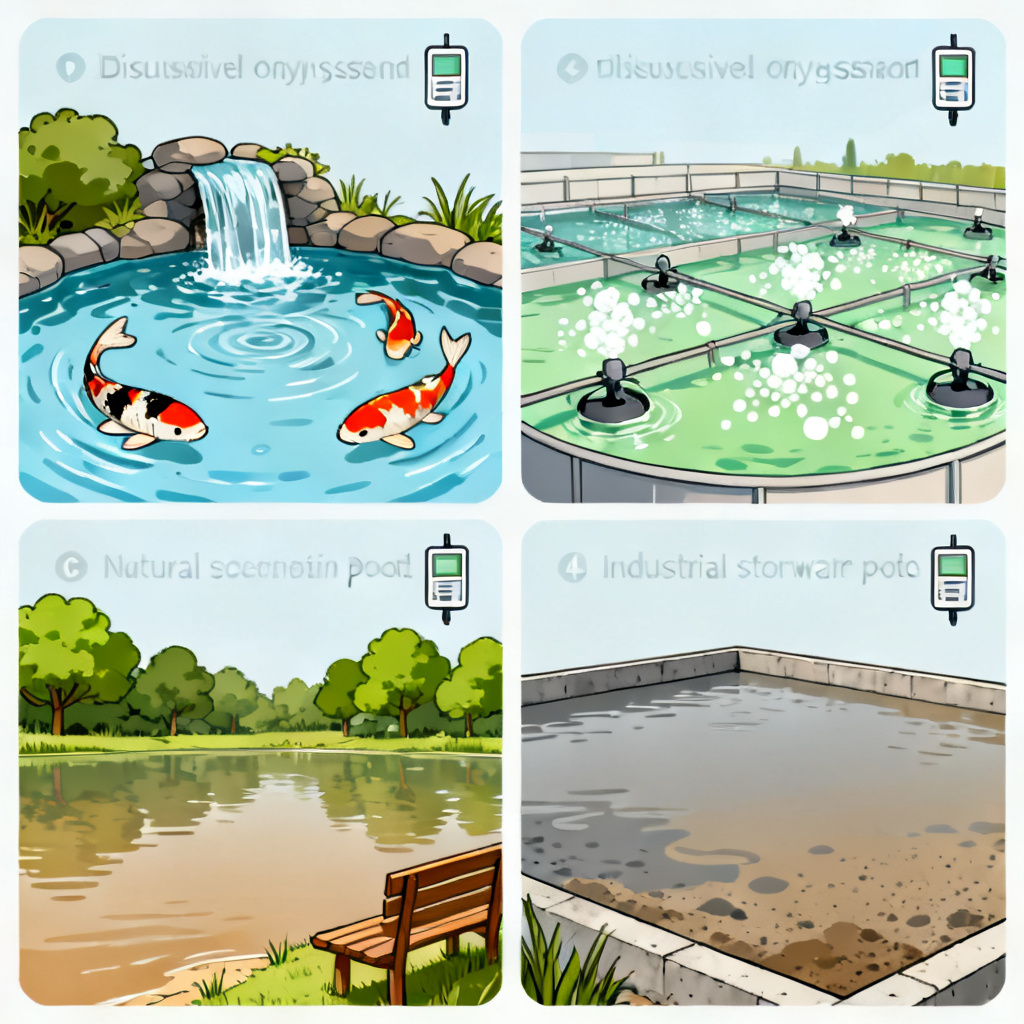
Your dissolved oxygen in water sensor for ponds selection depends on pond category. Koi or ornamental ponds (1,000–50,000 gallons) with heavy aeration benefit from optical sensors for low-flow accuracy or high-quality galvanic sensors if flow is assured. Commercial aquaculture ponds (1–100 acres) with high fish density require optical sensors for reliability or rugged polarographic sensors with automatic cleaning to maintain DO above 4–5 mg/L. Natural recreational ponds with seasonal stratification need optical sensors with long cables for profiling. Industrial stormwater ponds with pollutants and high sediment demand optical sensors with wiper or anti-fouling guards.
Evaluate Measurement Environment
Flow rate determines sensor type: aerated ponds with circulation can use either, but stagnant ponds require optical sensors. Fouling potential from heavy algae, duckweed, or sediment rapidly fouls electrochemical membranes, making optical sensors with mechanical wipers ideal. Temperature range must suit your climate—most sensors work 0–50°C, but ice-covered ponds need sensors rated for sub-zero operation. Salinity compensation is automatic in optical sensors; electrochemical sensors require manual input for brackish ponds.
Consider Data and Connectivity Needs
For remote ponds, a standalone logger with internal memory (like HOBO U26) can log data for weeks. Real-time telemetry for active management requires sensors with 4–20 mA, Modbus RTU, or RS-485 output. Some sensors have handheld displays with audible alarms for low DO. Choose based on whether you need manual downloads, automated aeration control, or remote alerts.
Budget and Total Cost of Ownership
Optical sensors cost 2–5x more upfront but have lower consumable costs (foil cap $100–200 every 1–2 years) versus galvanic sensors needing electrolyte and membrane kits ($20–50 per year). Maintenance labor is significantly lower for optical sensors. Galvanic sensors last 2–5 years; optical sensors last 5–10 years with foil replacement. For small, accessible ponds, galvanic sensors are cost-effective. For large, remote, or fouling-prone ponds, invest in optical sensors.
Installation Best Practices for Pond DO Sensors
Placement Depth and Location
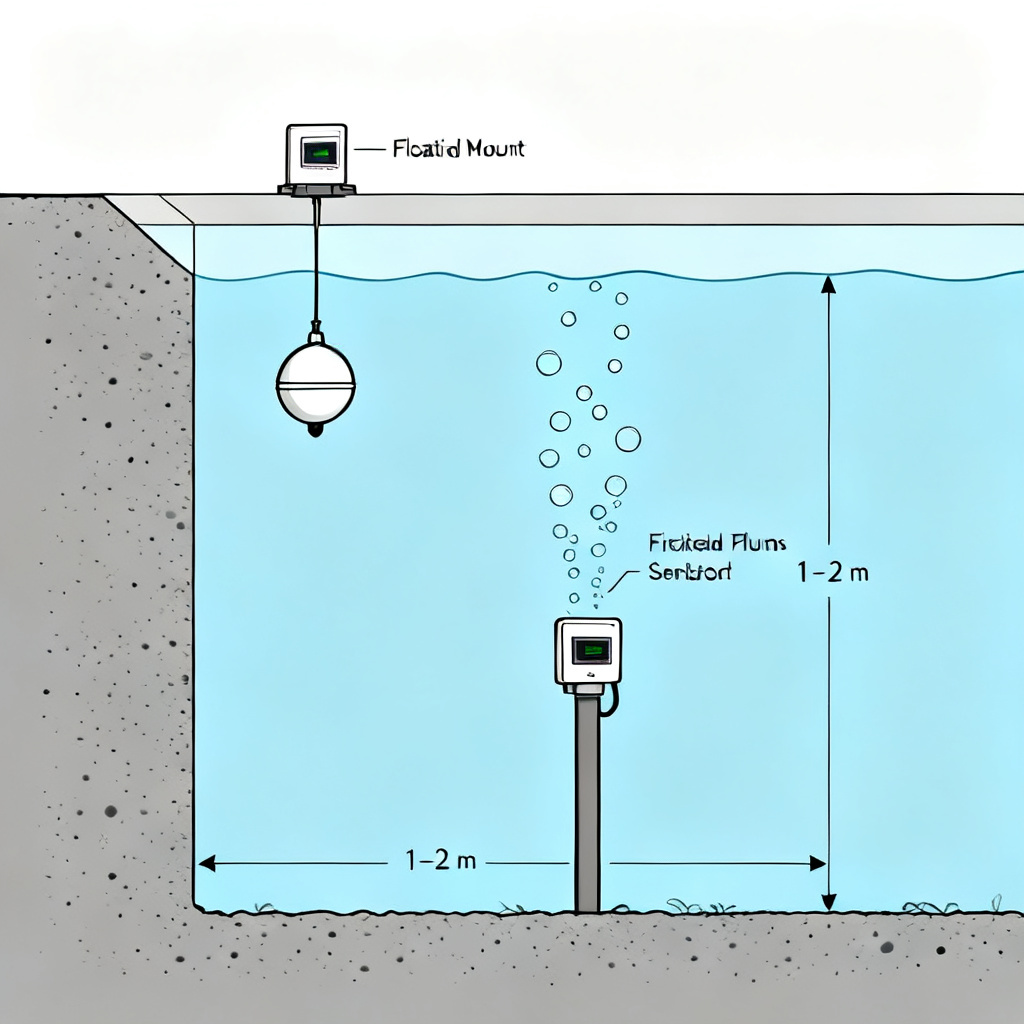
Place your dissolved oxygen in water sensor for ponds at the deepest part where DO is lowest, or at 1–2 meters below the surface where most fish live. For early fish kill warning, mount at the bottom. Avoid aeration plumes and inflows that artificially elevate DO. Optical sensors should face downward to prevent bubble accumulation; electrochemical sensors should be horizontal for full membrane wetting.
Mounting and Protection
Use floating buoys for surface monitoring with stainless steel or PVC mounts. Fixed poles work for shallow ponds. In algae-rich ponds, use copper guards or sensors with automatic wipers. Apply sensor-safe anti-fouling paint if needed. Use cable glands to prevent water ingress at connectors, and wet-mateable connectors for long-term submersion.
Power and Communication
Battery-powered loggers need lithium batteries in cold climates. Solar-powered systems work for telemetry. Wired 4–20 mA loops are reliable over long distances. Wireless options include LoRaWAN or cellular modems for remote ponds.
Calibration and Maintenance for Accurate Pond DO Monitoring
Calibration Frequency
Galvanic and polarographic sensors need calibration before each deployment and weekly during use, using one-point 100% saturation in water-saturated air or zero-oxygen solution. Optical sensors calibrate every 6–12 months with a simple air-saturation check; avoid zero-oxygen calibration unless specified.
Calibration Procedure
Clean the sensor with deionized water. For optical sensors, gently wipe the foil. For electrochemical sensors, inspect membrane for bubbles or damage. Prepare an air calibration environment with 100% humidity and stable temperature. Wait 10–15 minutes for thermal equilibrium. Enter calibration mode, input barometric pressure, and verify against a known sample (air-saturated water at 20°C should read 9.1 mg/L). Recalibrate if off by more than 0.2 mg/L.
| Maintenance Task | Electrochemical DO Sensor | Optical DO Sensor |
|---|---|---|
| Daily/Weekly | Check for bubbles on membrane; clean if fouled | Wipe foil if visible debris; check for scratches |
| Monthly | Replace electrolyte and membrane if needed | None |
| Quarterly | Replace O-rings; inspect cable | Replace foil if drift >0.3 mg/L |
| Annually | Replace sensor cap or entire probe | Replace foil cap; factory recalibration |
Troubleshooting Common Issues
Low or zero readings indicate air bubbles under the membrane (electrochemical) or scratched foil (optical). Erratic readings suggest electrical interference from nearby pumps—shield the cable or use a ferrite core. Drift in optical sensors is often from photo-bleaching or biofouling; in electrochemical sensors, it indicates depleted electrolyte or clogged membrane.
Top Recommended Dissolved Oxygen Sensors for Ponds
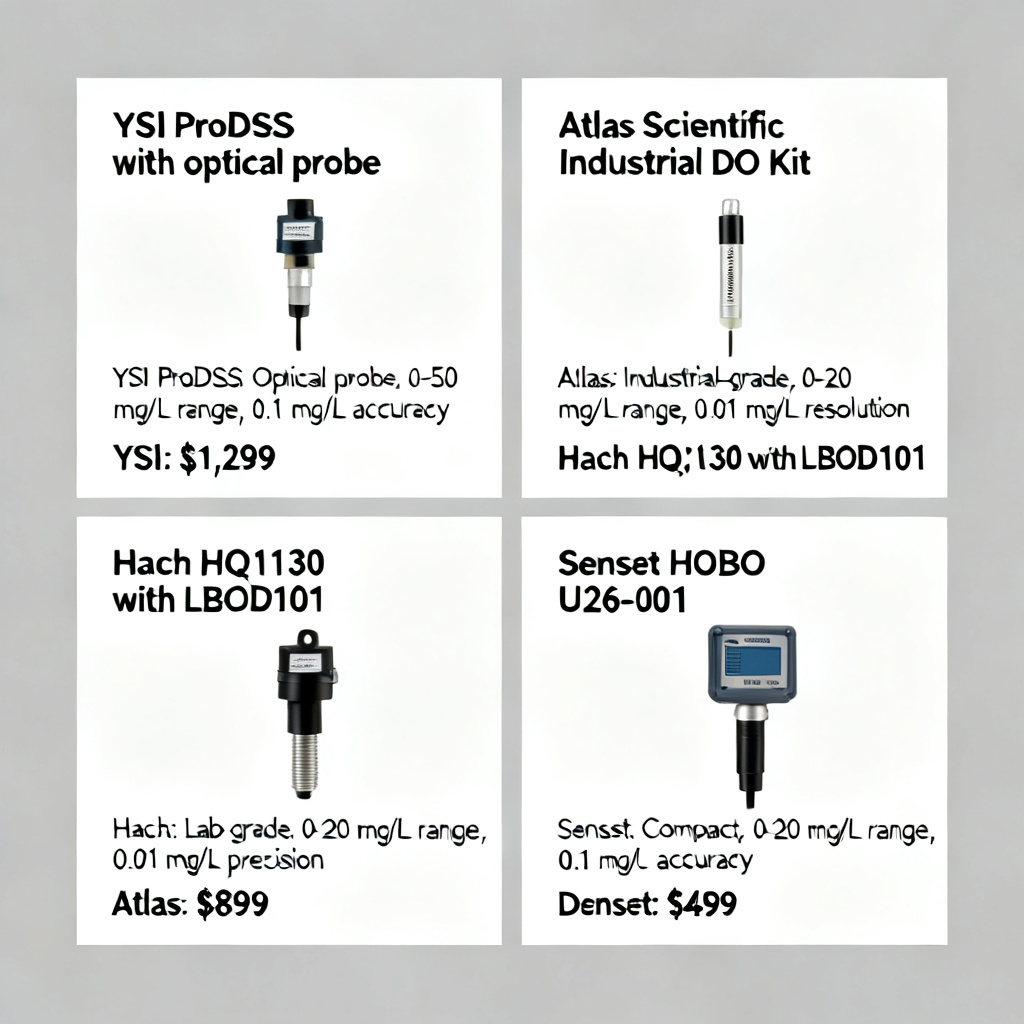
Best Overall: YSI ProDSS with Optical DO Sensor
This optical dissolved oxygen in water sensor for ponds is rugged, submersible to 100 m, with automatic salinity compensation, integrated wiper for anti-fouling, and Bluetooth connectivity. Best for large aquaculture ponds, research ponds, and professionals needing high accuracy and low maintenance. Price: ~$3,000–$5,000.
Best Value: Atlas Scientific Industrial DO Kit Optical
This optical sensor features Modbus RTU (RS-485), 4–20 mA output, no flow requirement, replaceable foil cap, and IP68 rating. Best for small to medium ponds, DIY automation, and remote monitoring. Price: ~$600–$900.
Best Budget: Hach HQ1130 with LBOD101 Probe
This polarographic electrochemical sensor is rugged with field-replaceable membrane, 30-second response, and data logging. Best for koi ponds, small recreational ponds, and users who can perform regular maintenance. Price: ~$1,200–$1,800.
Best for Remote Stagnant Ponds: Onset HOBO U26-001
This optical sensor has internal logger for 21,700 readings, 10-year battery life, no flow requirement, and submersible to 30 m. Best for long-term profiling, seasonal monitoring, and ponds without power. Price: ~$700–$900.
Frequently Asked Questions About Dissolved Oxygen in Water Sensor for Ponds
What is the best dissolved oxygen in water sensor for ponds?
For most pond applications, optical luminescent sensors are the best choice because they require no flow, have minimal maintenance, and provide long-term stability. They are ideal for low-flow, algae-prone, or remote ponds.
How often should I calibrate my pond DO sensor?
Electrochemical sensors should be calibrated before each deployment and weekly during use. Optical sensors typically need calibration every 6–12 months, depending on usage and environmental conditions.
Can I use a dissolved oxygen sensor in stagnant pond water?
Yes, but you must use an optical sensor since it does not consume oxygen during measurement and does not require flow. Electrochemical sensors will give inaccurate readings in stagnant water due to localized oxygen depletion.
What maintenance does a pond DO sensor require?
Optical sensors need foil replacement every 1–2 years and occasional wiping. Electrochemical sensors require electrolyte and membrane replacement every 3–12 months, plus regular cleaning to prevent fouling.
How deep should I place my dissolved oxygen sensor in a pond?
Place the sensor at the deepest part of the pond where oxygen levels are lowest, or at 1–2 meters depth where most fish live. For early fish kill warning, mount at the bottom.
Making Your Final Decision on a Pond DO Sensor
Choosing the right dissolved oxygen in water sensor for ponds balances accuracy, maintenance, cost, and environmental conditions. Optical sensors are the clear winner for most pond owners due to no-flow requirement, minimal maintenance, and long-term stability. If you have a well-aerated pond and budget constraints, a high-quality galvanic sensor can still serve well. Remember that proper installation and regular calibration are essential for accurate data. With the right sensor and care, you can prevent fish kills, optimize aeration, and maintain a healthy pond ecosystem.