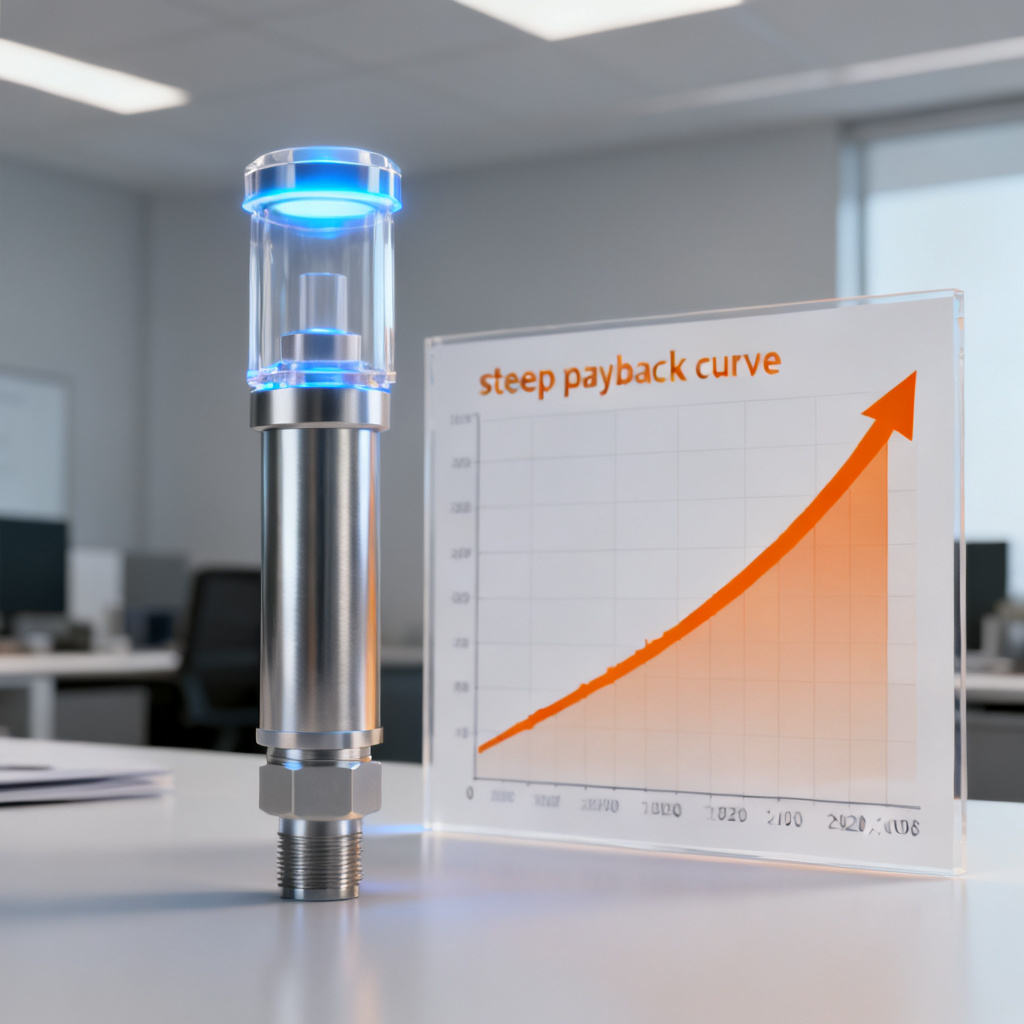
Calculating the payback period for upgrading to optical DO technology is essential for any industrial facility seeking to reduce costs and improve reliability. This comprehensive ROI analysis reveals how quickly you can recoup your investment through lower maintenance, fewer consumables, and reduced downtime. By switching from electrochemical to optical dissolved oxygen sensors, most users achieve full payback within 3 to 9 months.
The True Cost of Electrochemical DO Sensors
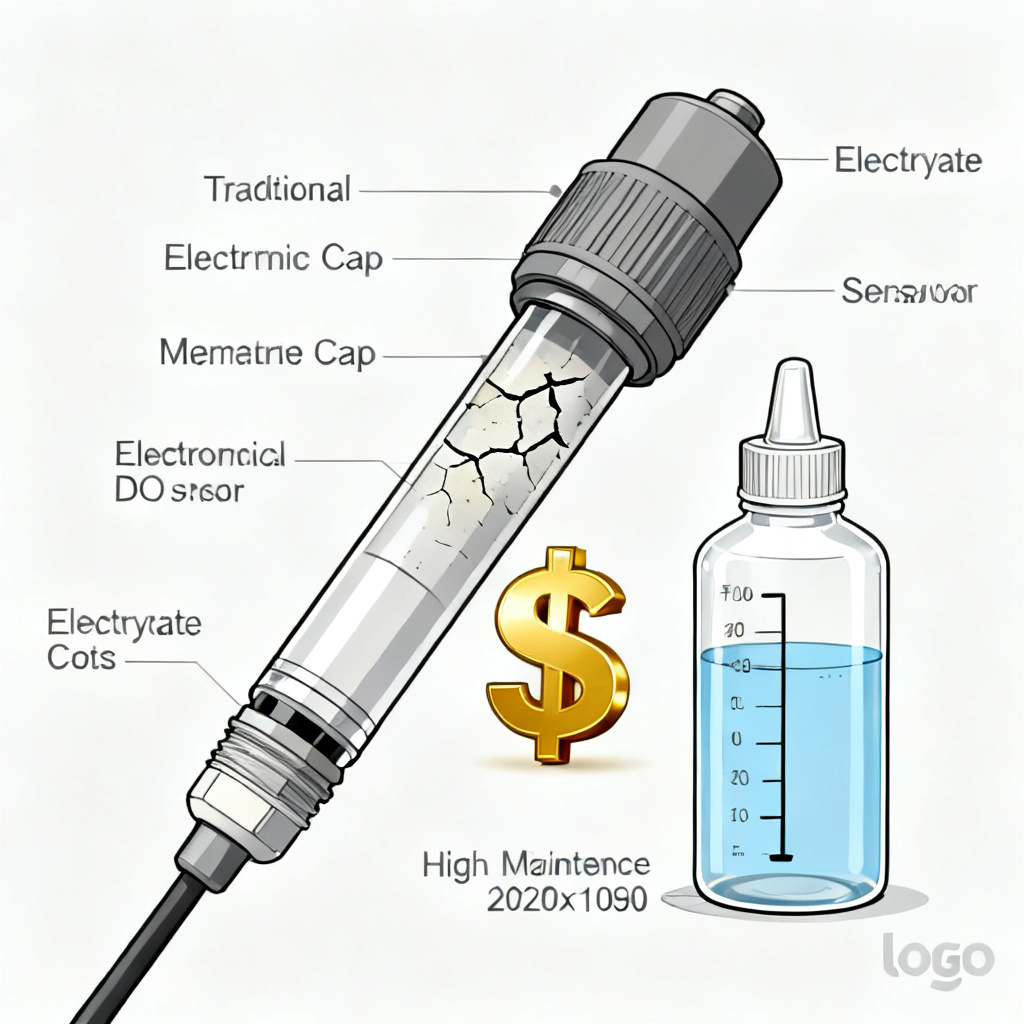
Understanding the payback period for upgrading to optical DO technology first requires calculating the full cost of traditional electrochemical sensors. Both YSI and Hach emphasize that purchase price is only the beginning.
Frequent Membrane and Electrolyte Replacement
Electrochemical sensors require membrane cap replacements every 1–3 months, costing $20–$50 per cap. In harsh wastewater environments, membrane life drops to 2–4 weeks, dramatically increasing annual consumable expenses.
Extensive Calibration and Maintenance Labor
Electrochemical sensors drift due to electrolyte depletion, demanding daily or weekly calibration. Each 10–15 minute calibration adds significant technician labor costs. Endress+Hauser notes that in plants with 10–50 sensors, maintenance can consume 2–4 hours per week per sensor.
Short Sensor Lifespan
Hach reports that electrochemical DO sensors typically last 12–18 months. In high-temperature or high-fouling applications, lifespan drops to 6–9 months, requiring complete sensor replacement every 1–2 years.
Cost-Saving Advantages of Optical DO Technology
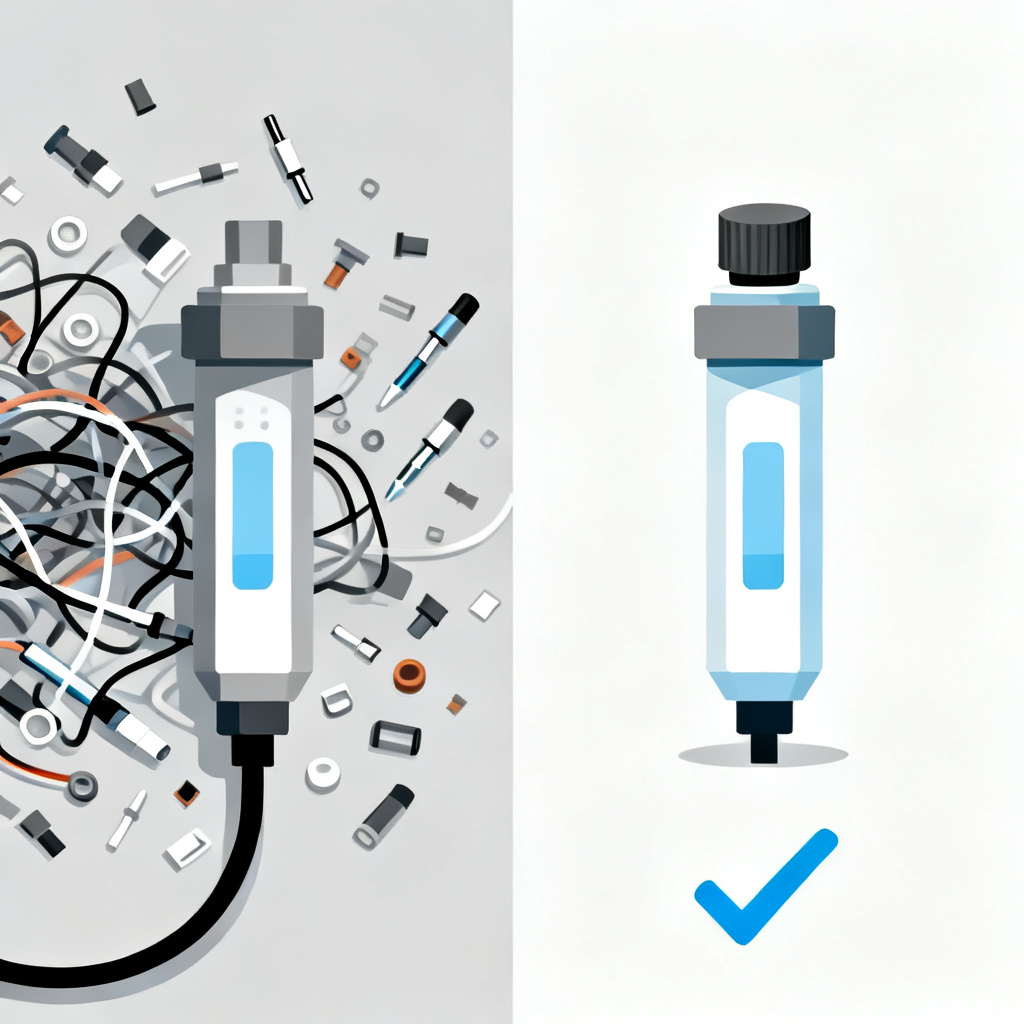
The payback period for upgrading to optical DO technology is driven by dramatic reductions in consumables, labor, and downtime. Optical sensors use luminescent technology with no oxygen consumption, no electrolyte, and no membrane.
Near-Zero Consumables
YSI highlights that optical sensors eliminate membrane caps, electrolyte solutions, and polishing materials. The only consumable is the sensor cap, replaced every 1–2 years instead of every 1–3 months.
Drastic Reduction in Calibration Frequency
Optical sensors are inherently stable. Calibration is needed only once every 3–6 months, compared to daily or weekly for electrochemical sensors. Endress+Hauser’s Memosens digital protocol allows pre-calibration in the lab, reducing on-site maintenance time by 80–90%.
Longer Sensor and Cap Lifespan
Hach confirms optical sensors last 2–5 years, with caps lasting 1–2 years—a 2–3x improvement over electrochemical sensors. The sensor body is not consumed by an electrochemical reaction.
Reduced Process Downtime
YSI notes that electrochemical sensors require removal for cleaning and calibration. Endress+Hauser’s digital technology enables hot-swapping of pre-calibrated sensors, virtually eliminating process interruptions.
Payback Period Calculation
Here is a practical payback period for upgrading to optical DO technology based on real-world data from YSI, Hach, and Endress+Hauser.
Initial Investment Gap
Optical sensor cost: $800–$1,500. Electrochemical sensor cost: $300–$600. Upfront premium: $500–$900 per measurement point.
Annual Savings from Optical Technology
| Cost Category | Electrochemical (Annual) | Optical (Annual) | Annual Savings |
|---|---|---|---|
| Consumables (Membranes, Electrolyte) | $120–$240 | $40–$80 | $80–$160 |
| Calibration Labor | $260–$520 | $50–$100 | $210–$420 |
| Maintenance Labor | $260–$520 | $100–$200 | $160–$320 |
| Sensor Replacement | $300–$600 | $100–$200 | $200–$400 |
| Process Downtime | $500–$2,000 | Negligible | $500–$2,000 |
| Total Annual Savings | $1,150–$3,300 |
Payback Period Formula
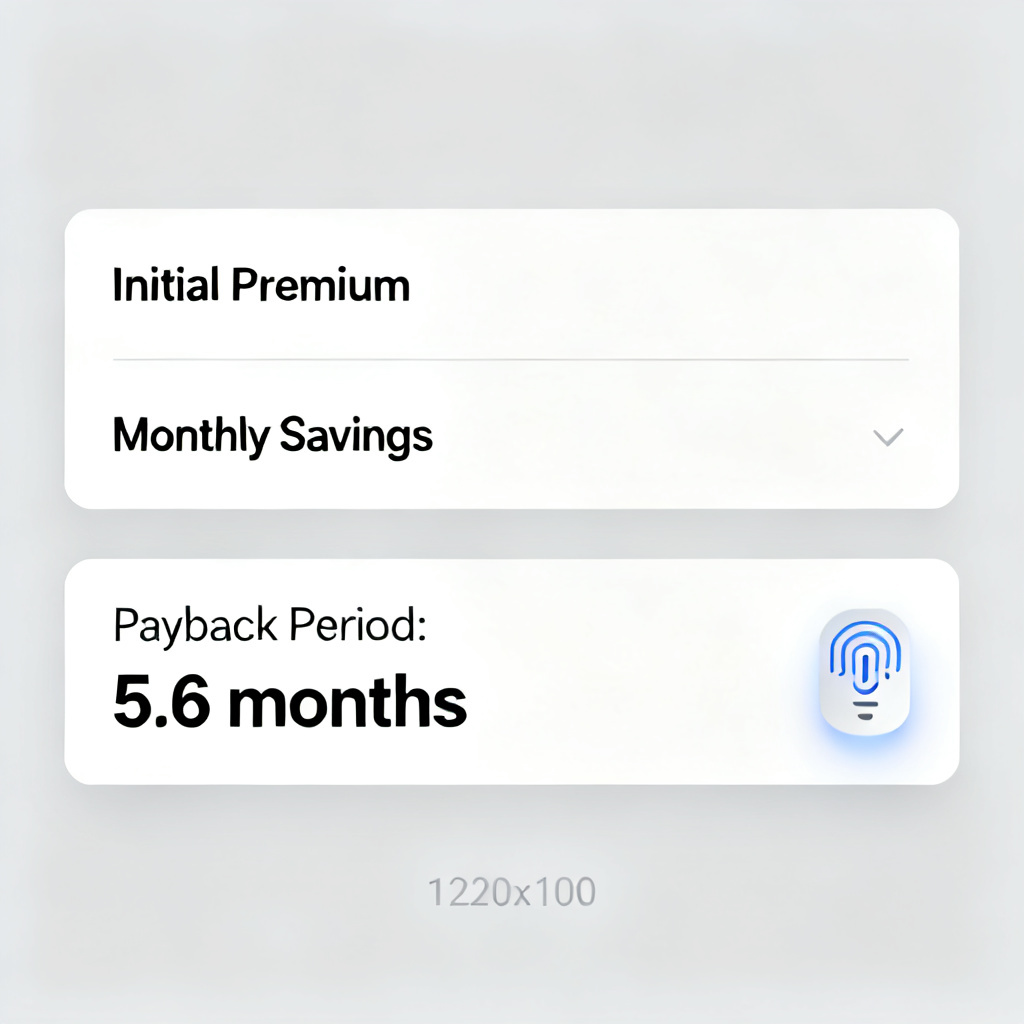
Payback Period (months) = Initial Investment Premium / Monthly Savings.
Example: Premium $700, Annual Savings $1,500, Monthly Savings $125 → Payback = 5.6 months.
High-maintenance scenario: Premium $900, Annual Savings $3,000, Monthly Savings $250 → Payback = 3.6 months.
The typical payback period for upgrading to optical DO technology is 3 to 9 months. In high-fouling environments, payback can be as short as 2–3 months.
Real-World Case Studies
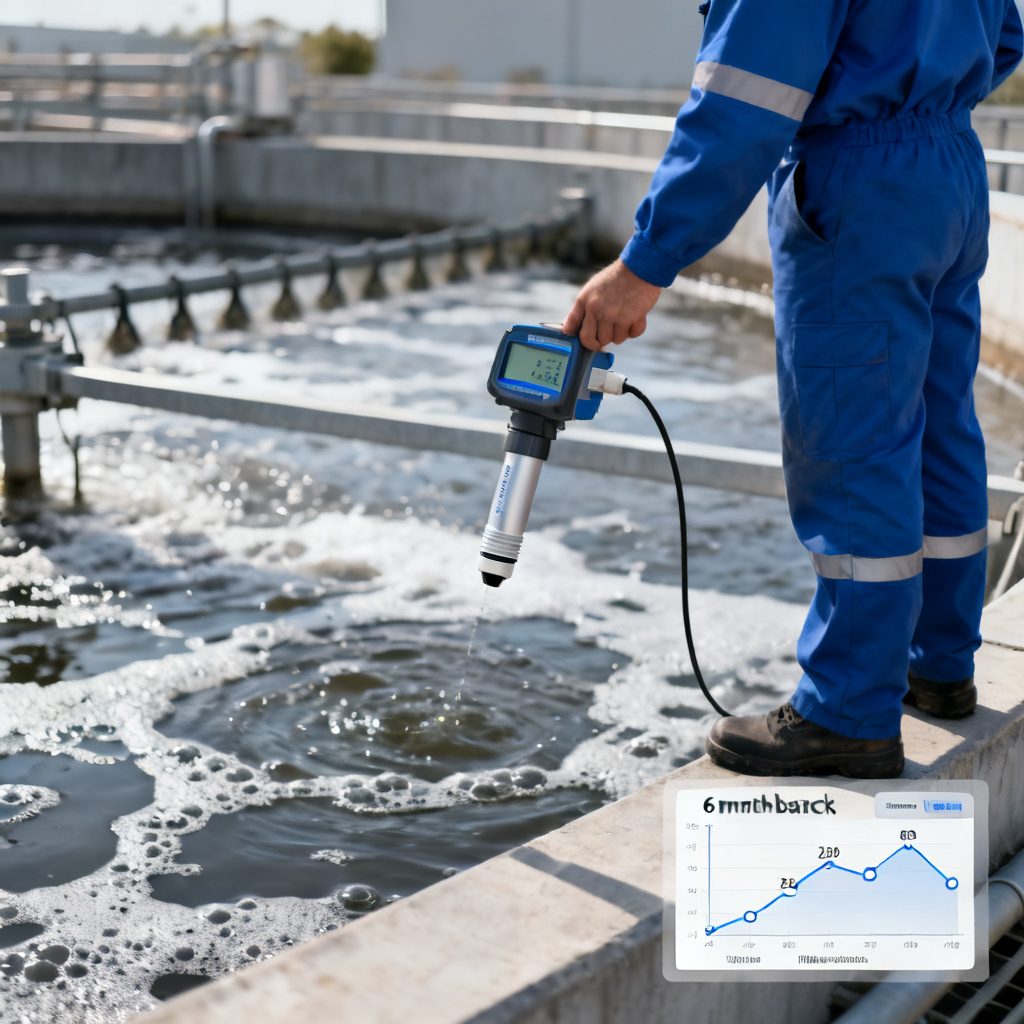
These examples demonstrate the actual payback period for upgrading to optical DO technology in different industries.
Municipal Wastewater Plant (Hach Data)
A 50 MGD plant with 40 electrochemical sensors required two full-time technicians for maintenance. After upgrading to optical sensors, maintenance time dropped from 40 to 8 hours per week. Annual savings of $80,000 in labor and consumables resulted in a payback period of 6 months.
Aquaculture Hatchery (YSI Data)
A salmon hatchery experienced daily drift with electrochemical sensors, causing false alarms and fish stress. Optical sensors reduced alarm frequency by 95% and improved fish survival by 2%. Payback period was 4 months, driven by lower feed conversion ratio and reduced mortality.
Chemical Processing Plant (Endress+Hauser Data)
A chemical plant monitoring a 50°C reactor saw electrochemical sensors last only 4 months. Optical sensors with Memosens technology extended lifespan to 18 months and reduced on-site downtime by 90%. Payback period was 8 months.
When Is the Payback Period Longer?
YSI and Endress+Hauser caution that certain conditions can extend the payback period for upgrading to optical DO technology.
- Very low oxygen environments (<10 ppb): Optical sensors may be less accurate, requiring electrochemical alternatives.
- High-temperature applications (>50°C): Luminophore degrades faster, reducing cap life to 6–9 months.
- High-abrasion environments: Scratched optical windows require more frequent cleaning or cap replacement.
- Infrastructure costs: If digital transmitters are needed, the initial investment premium increases, extending payback to 12–18 months.
How to Maximize Your Payback Period
Follow these best practices from Hach, YSI, and Endress+Hauser to achieve the fastest payback period for upgrading to optical DO technology.
- Choose a digital platform: Memosens allows pre-calibration in the lab, minimizing on-site labor.
- Proactive cap replacement: Replace the optical cap every 12–18 months to maintain accuracy and avoid unplanned downtime.
- Automatic cleaning systems: In high-fouling applications, use compressed air or water cleaning to extend cap life.
- Train your team: Optical sensors require different maintenance habits than electrochemical ones.
FAQ: Payback Period for Upgrading to Optical DO Technology
What is the typical payback period for upgrading to optical DO technology?
Most industrial users achieve a payback period of 3 to 9 months, with some high-maintenance environments seeing payback in as little as 2–3 months.
How do I calculate the payback period for optical DO sensors?
Divide the initial investment premium (optical sensor cost minus electrochemical sensor cost) by your monthly savings from reduced consumables, labor, and downtime.
What factors affect the payback period for upgrading to optical DO technology?
Key factors include sensor lifespan, calibration frequency, consumable costs, labor rates, process downtime value, and application conditions like temperature and fouling.
Can the payback period be longer than 12 months?
Yes, if your plant requires new digital transmitters or operates in very low oxygen or high-temperature environments. In such cases, payback may extend to 12–18 months.
Is optical DO technology worth the investment for small facilities?
Yes. Even with fewer sensors, the reduction in maintenance labor and consumables often yields a payback period under 12 months for facilities with 5 or more measurement points.
Conclusion
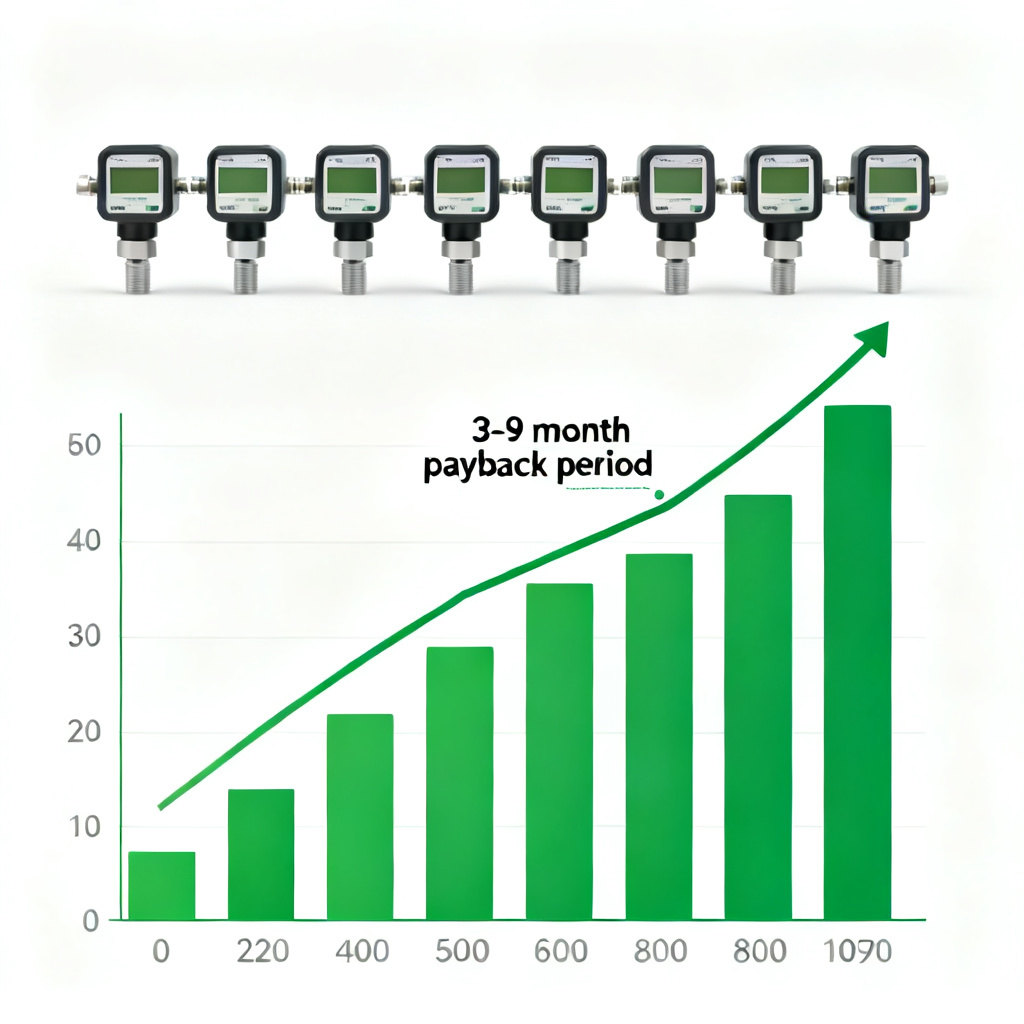
The payback period for upgrading to optical DO technology is a proven financial reality. By consolidating data from YSI, Hach, and Endress+Hauser, the evidence is clear: most industrial users will see a full return on investment within 3 to 9 months. After payback, every dollar saved is pure profit—with lower consumable costs, reduced labor, higher accuracy, and less downtime. If you manage 5 or more electrochemical DO sensors, the switch to optical technology is a financial imperative.