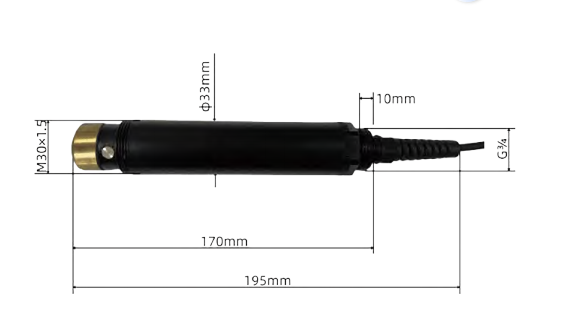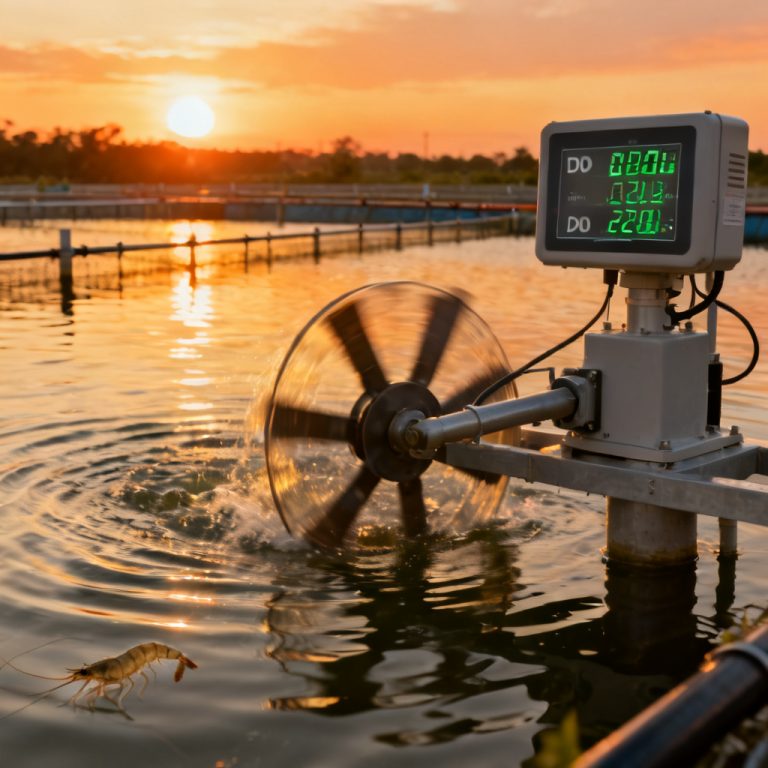
Electrochemical DO sensor hidden costs significantly impact total ownership, often surpassing the initial purchase price. These expenses stem from three critical components: membranes, electrolyte solutions, and calibration procedures. Understanding these hidden costs is vital for optimizing operational budgets, extending sensor lifespan, and ensuring consistent data quality in water quality monitoring, aquaculture, wastewater treatment, and environmental research.
style code after header 20260423 nosynced
This pillar content synthesizes insights from leading industry experts, including YSI (a Xylem brand), Hach, and Sensorex, to provide a comprehensive analysis of the true cost of ownership for electrochemical DO sensors. By addressing common pitfalls and best practices, we aim to empower B2B buyers and facility managers to make informed decisions.
1. Electrochemical DO Sensor Membrane Hidden Costs
Electrochemical DO sensor membrane hidden costs are often underestimated by users focused solely on upfront pricing. Membranes are the heart of an electrochemical DO sensor, acting as a selective barrier that allows oxygen molecules to diffuse while blocking contaminants. Despite their small size, membranes represent a significant recurring expense.
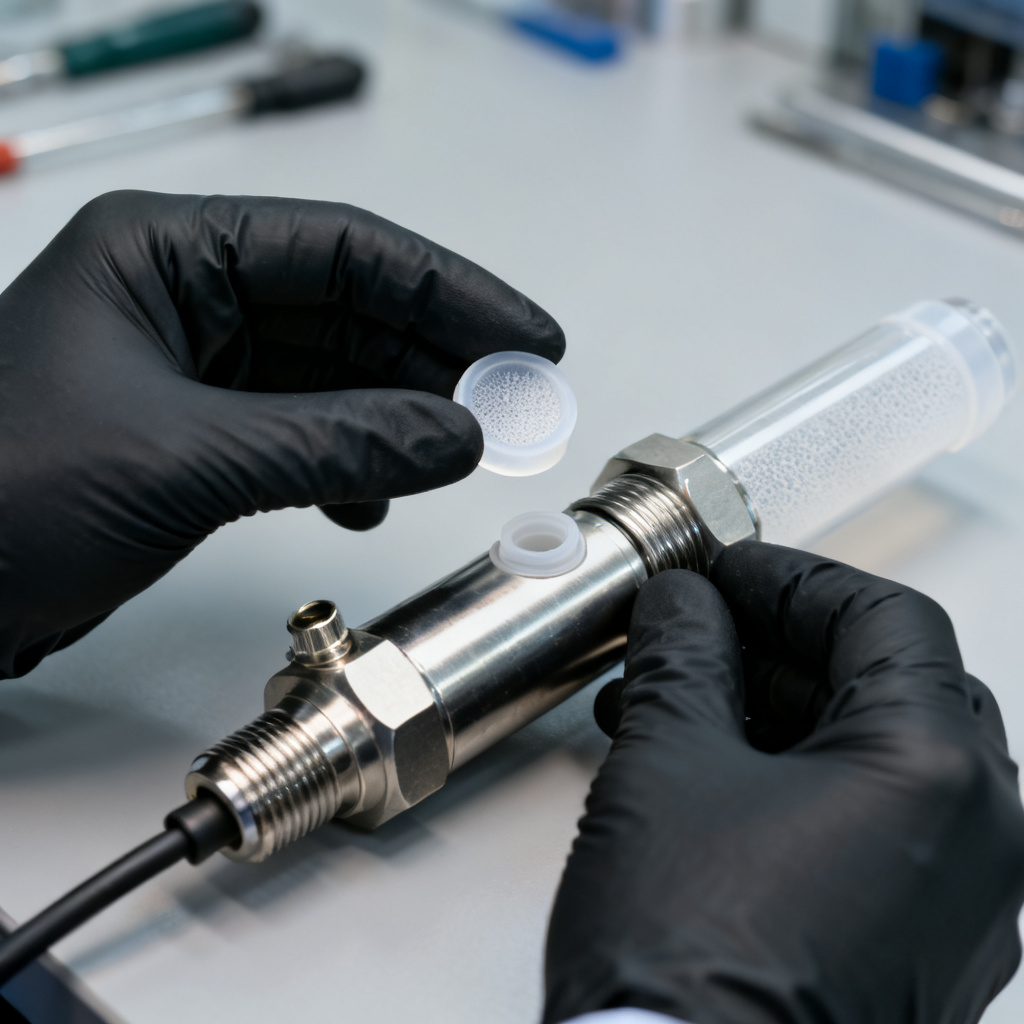
1.1 Membrane Degradation and Replacement Frequency
According to YSI’s technical documentation, membranes in galvanic DO sensors typically require replacement every 2 to 6 weeks under continuous use, depending on water conditions. Hach’s application guides emphasize that membranes degrade faster in harsh environments—such as those with high turbidity, biological fouling, or chemical abrasives—leading to increased replacement rates. Sensorex’s white paper adds that polarographic sensors, which use a separate membrane and electrolyte system, may need membrane changes every 1 to 3 months, but the cost per replacement is often higher due to specialized materials like PTFE or FEP. The hidden cost here is not just the membrane price (typically $5–$20 per unit) but the labor and downtime involved. For a facility with multiple sensors, annual membrane costs can easily exceed $500–$1,000, plus technician hours for replacement and reconditioning.
1.2 Impact of Membrane Quality on Accuracy
A degraded membrane introduces measurement drift. YSI notes that micro-tears or fouling can cause oxygen diffusion rates to change, leading to readings that are 10–20% off. Hach’s research highlights that even a 5% error in DO levels can trigger false alarms in aeration systems, wasting energy and chemicals. Sensorex stresses that using non-OEM membranes—while cheaper—often lacks proper thickness uniformity, accelerating drift and requiring more frequent recalibration.
1.3 Best Practices for Membrane Management
To minimize hidden costs, all three sources agree on proactive maintenance: inspect membranes weekly for bubbles, tears, or deposits; use OEM-recommended membranes to ensure compatibility and longevity; implement a replacement schedule based on water quality data, not just calendar days; consider pre-assembled membrane cap systems (e.g., YSI ProDSS or Hach HQ series) to reduce replacement time by 50%.
2. Electrochemical DO Sensor Electrolyte Hidden Costs
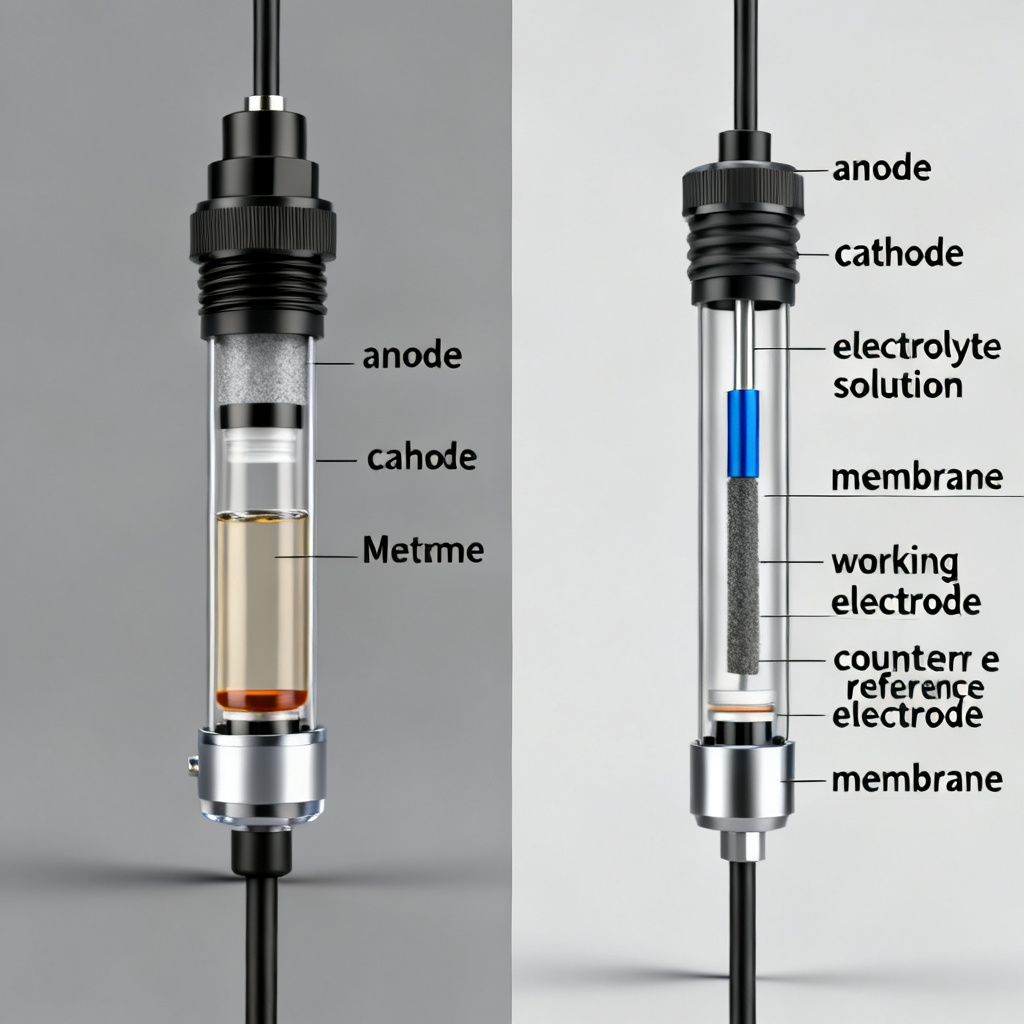
Electrochemical DO sensor electrolyte hidden costs arise from consumption and contamination issues. Electrolyte is the conductive medium that facilitates the electrochemical reaction between the anode and cathode. Its degradation is a primary driver of hidden costs.
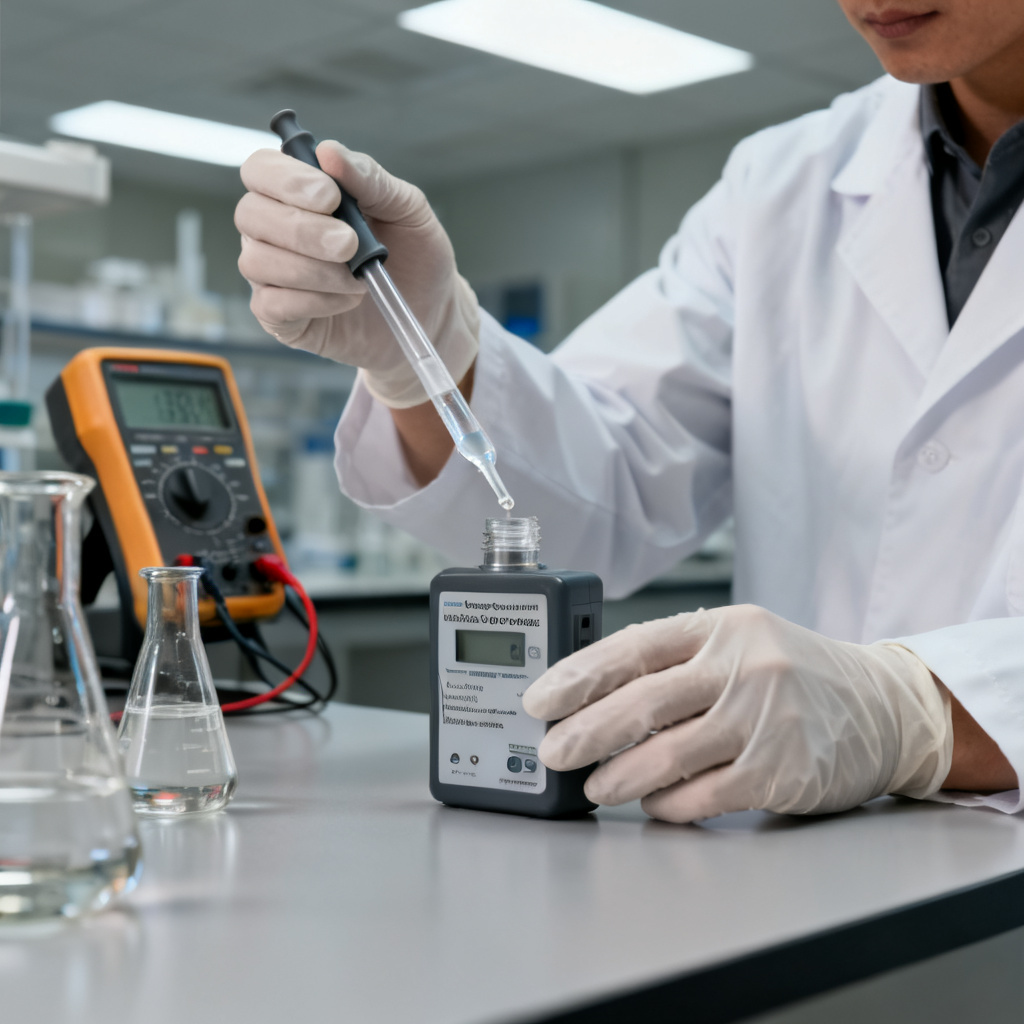
2.1 Electrolyte Depletion and Refilling Needs
In galvanic sensors, the electrolyte is consumed over time as oxygen reacts with the anode. YSI’s guidelines state that typical electrolyte life is 6–12 months, but this shortens in high-DO environments (e.g., aerated aquaculture ponds). Hach’s manuals point out that polarographic sensors require periodic electrolyte refilling—often every 1–3 months—using a specialized potassium chloride (KCl) solution. Sensorex adds that improper storage (e.g., leaving sensors dry) can cause electrolyte crystallization, rendering the sensor unusable and requiring full rebuilds. The cost of electrolyte solution is low ($10–$30 per bottle), but the labor for refilling, cleaning, and reconditioning adds up. A single refill can take 15–30 minutes per sensor, and for a plant with 20 sensors, this translates to 5–10 hours of technician time quarterly.
2.2 Contamination Risks and Their Consequences
Electrolyte contamination is a stealthy cost. Hach warns that if the membrane is damaged, bacteria or chemicals can seep into the electrolyte, causing corrosion of the anode and cathode. This not only necessitates a full sensor rebuild (costing $100–$300) but also invalidates all data collected since the last calibration. YSI’s case studies show that contaminated electrolyte is responsible for 30% of premature sensor failures in wastewater applications. Sensorex emphasizes that using deionized water instead of certified electrolyte dilutes the solution, altering conductivity and causing erratic readings. This hidden error can lead to incorrect process adjustments, such as over-aeration in bioreactors, increasing energy bills by 5–15%.
2.3 Strategies to Control Electrolyte Costs
Monitor electrolyte levels through regular visual checks or automated systems; replace electrolyte at first sign of discoloration (yellowing indicates contamination); use sealed, pre-filled sensor cartridges (e.g., Hach IntelliCAL or YSI ProSeries) to eliminate manual refilling; store sensors properly in a humidified chamber or with electrolyte caps to prevent drying.
3. Electrochemical DO Sensor Calibration Hidden Costs
Electrochemical DO sensor calibration hidden costs involve frequency, complexity, and consumable expenses. Calibration ensures that the sensor’s electrical output corresponds to actual DO concentrations. While it seems straightforward, calibration is a major source of hidden costs.
3.1 Calibration Frequency and Time Investment
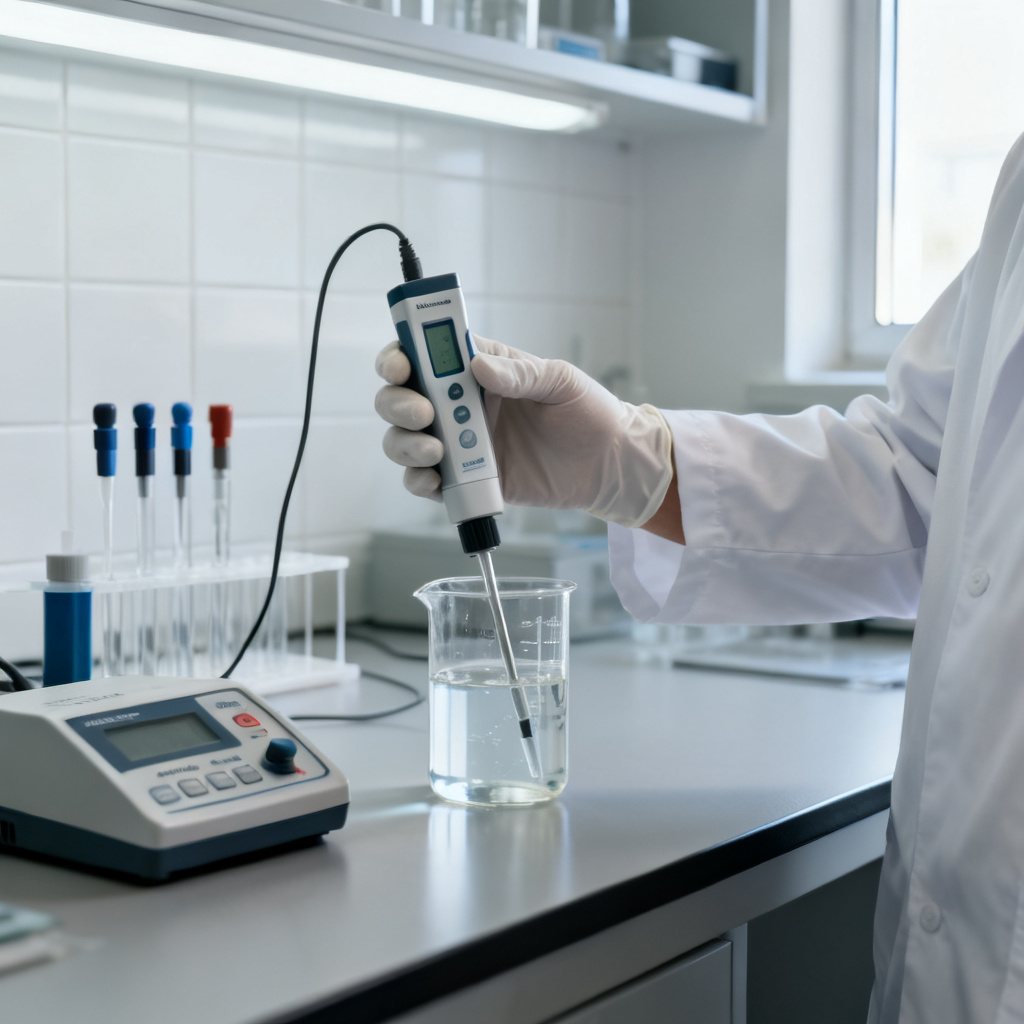
YSI recommends calibration every 1–2 weeks for field sensors, while Hach suggests daily or weekly for critical process control in wastewater treatment. Sensorex’s data indicates that many users calibrate less frequently to save time, but this leads to data drift and eventual rework. Each calibration session takes 10–20 minutes, including preparation of standard solutions (e.g., water-saturated air or zero-oxygen solution), sensor stabilization, and data logging. For a facility with 50 sensors, weekly calibration equates to 8–16 hours of labor per week—or over 400 hours annually. At a technician rate of $50/hour, this is a $20,000 hidden cost.
3.2 Calibration Standards and Consumables
Calibration requires consumables: zero-oxygen solution (sodium sulfite-based) costs $15–$40 per batch and has a shelf life of 1–2 months; saturated air water requires aeration equipment and distilled water, adding $5–$10 per session; calibration gases (for polarographic sensors) are more expensive, at $50–$100 per cylinder. Hach notes that expired or improperly prepared standards cause calibration errors, forcing repeat calibrations. YSI’s research shows that 20% of field calibrations fail due to standard contamination, doubling the time cost.
3.3 The Impact of Drift on Process Costs
Calibration drift is the most insidious hidden cost. Sensorex explains that a sensor drifting by 0.5 mg/L per week can lead to: wasted aeration energy (10–20% overuse in aerobic processes); chemical overdosing (e.g., chlorine or coagulants) in water treatment; regulatory non-compliance fines if DO levels fall below permit limits. YSI’s case study in a municipal plant showed that monthly calibration reduced drift-related energy waste by 8%, saving $12,000 annually.
3.4 Best Practices for Calibration Efficiency
Adopt automatic calibration systems (e.g., Hach SC200 or YSI IQ SensorNet) that self-calibrate at set intervals; use single-point calibration for routine checks, reserving two-point for quarterly deep maintenance; leverage data loggers to track drift trends and schedule calibrations proactively; train staff on standard preparation to avoid common errors like air bubbles or temperature mismatch.
4. Galvanic vs Polarographic DO Sensor Comparison
To fully understand hidden costs, it’s crucial to compare the two main electrochemical types. This comparison helps B2B buyers choose the most cost-effective solution for their application.
| Parameter | Galvanic DO Sensor | Polarographic DO Sensor |
|---|---|---|
| Membrane cost | $5–$15, replaced every 2–6 weeks | $10–$20, replaced every 1–3 months |
| Electrolyte life | 6–12 months (self-consuming) | 1–3 months (requires refilling) |
| Calibration frequency | Weekly to bi-weekly | Weekly (more stable but still drifts) |
| Initial sensor cost | $200–$500 | $300–$800 |
| Annual hidden cost (per sensor) | $150–$300 | $200–$400 |
Sensorex notes that while polarographic sensors have higher upfront and maintenance costs, they offer better stability in low-DO environments (<1 mg/L). YSI and Hach both agree that galvanic sensors are more cost-effective for high-DO, continuous monitoring applications.
5. Total Cost of Ownership (TCO) for Electrochemical DO Sensors
A realistic TCO for an electrochemical DO sensor over 3 years includes:
- Initial sensor purchase: $400 (average)
- Membranes: 36 replacements × $12 = $432
- Electrolyte: 12 refills × $20 = $240
- Calibration supplies: 156 sessions × $8 = $1,248
- Labor: 156 sessions × 0.25 hours × $50/hour = $1,950
- Downtime & drift penalties: $500 (estimated)
Total 3-year cost per sensor: $4,770 — with 70% being hidden costs. This underscores the need for B2B buyers to budget for ongoing consumables and labor, not just the sensor price.
6. Future Trends and Cost Reduction Strategies
Industry leaders are innovating to reduce hidden costs: optical DO sensors (e.g., YSI ProDSS optical, Hach LDO) eliminate membranes and electrolyte, cutting consumable costs by 80%; wireless data transmission reduces calibration frequency through remote monitoring; predictive maintenance algorithms (Sensorex’s SmartDO) flag membrane or electrolyte issues before failure. For now, electrochemical sensors remain a reliable choice, but only if hidden costs are managed through disciplined maintenance, OEM consumables, and staff training.
FAQ: Electrochemical DO Sensor Hidden Costs
What are the main electrochemical DO sensor hidden costs?
The main electrochemical DO sensor hidden costs include membrane replacement, electrolyte refilling and contamination, and calibration frequency and consumables. These can account for up to 70% of total ownership costs over three years.
How often should I replace the membrane on my electrochemical DO sensor?
Membrane replacement frequency for an electrochemical DO sensor depends on water conditions: typically every 2–6 weeks for galvanic sensors and every 1–3 months for polarographic sensors. Harsh environments increase replacement needs.
Can calibration reduce electrochemical DO sensor hidden costs?
Yes, proper calibration management can reduce electrochemical DO sensor hidden costs by preventing drift-related energy waste and chemical overdosing. Automated calibration systems and data loggers help optimize calibration frequency.
What is the difference between galvanic and polarographic DO sensor costs?
Galvanic DO sensors have lower membrane and electrolyte costs but require more frequent membrane changes, while polarographic DO sensors have higher upfront costs but longer membrane life and better stability in low-DO environments.
Key Terminology for Electrochemical DO Sensors
Galvanic DO sensor: A type of electrochemical DO sensor that generates its own voltage, requiring no external power, with self-consuming electrolyte lasting 6–12 months.
Polarographic DO sensor: An electrochemical DO sensor requiring an external voltage to polarize the cathode, with separate membrane and electrolyte systems needing periodic refilling.
Membrane: A selective barrier in an electrochemical DO sensor that allows oxygen diffusion while blocking contaminants, typically made of PTFE or FEP.
Electrolyte: The conductive medium in an electrochemical DO sensor (usually KCl solution) that facilitates the electrochemical reaction between anode and cathode.
Calibration drift: Gradual deviation in an electrochemical DO sensor’s readings over time, often caused by membrane degradation or electrolyte contamination.