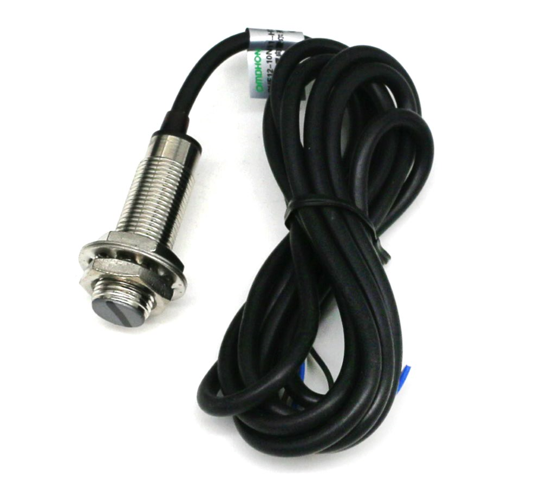
Understanding the Galvanic vs Polarographic DO sensor lifespan is critical for industrial buyers seeking reliable dissolved oxygen monitoring. This comprehensive guide compares both technologies to help you choose the right sensor for your application.
1. Galvanic vs Polarographic DO Sensor: Foundational Principles
The Galvanic vs Polarographic DO sensor debate begins with their electrochemical designs. Both measure oxygen via reduction at a cathode, but their activation methods differ fundamentally.
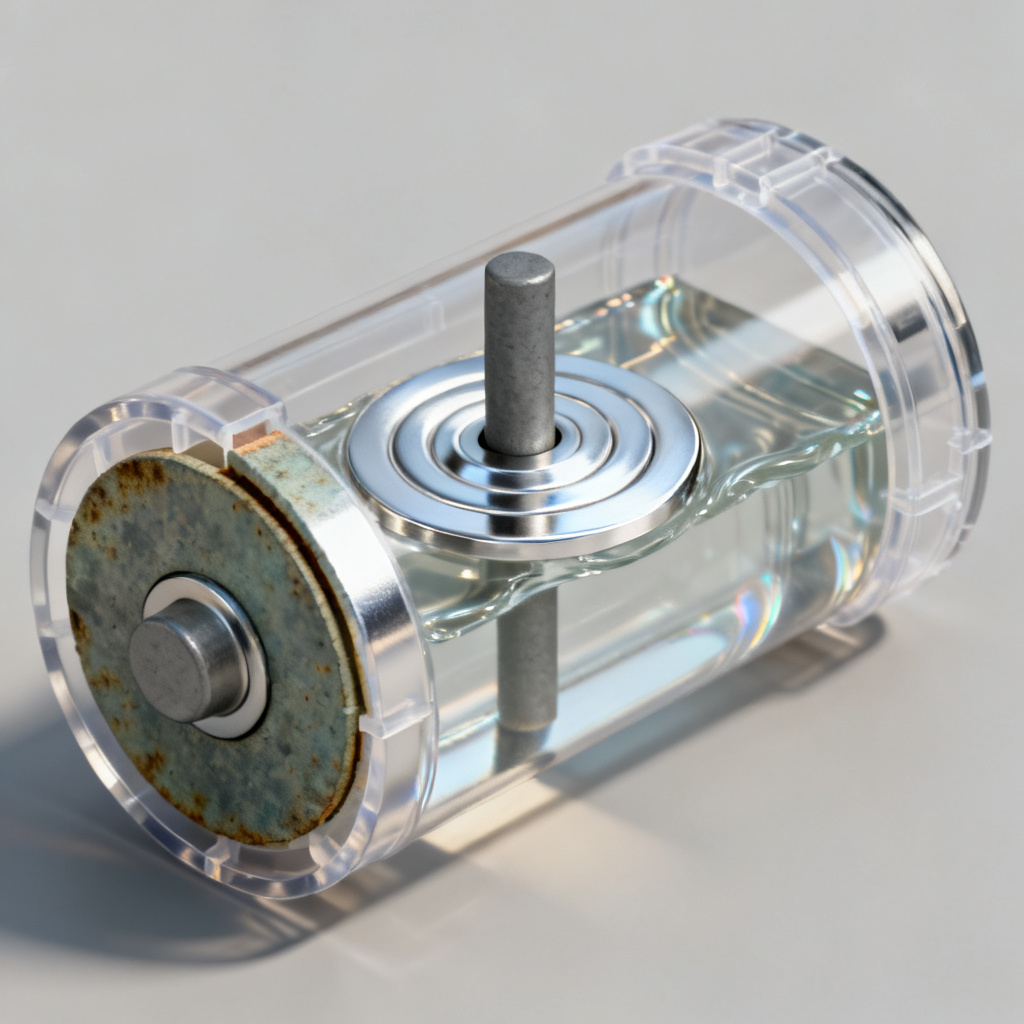
1.1 Polarographic Sensors (Clark-Type)
Polarographic sensors require an external power source to polarize the cathode. A silver anode and gold/platinum cathode sit in KCl electrolyte, separated by an oxygen-permeable membrane. A constant 0.6-0.8V voltage is applied, requiring 15-60 minutes warm-up. The electrolyte depletes over time, and the silver anode degrades via AgCl formation. Typical lifespan: 6-12 months.
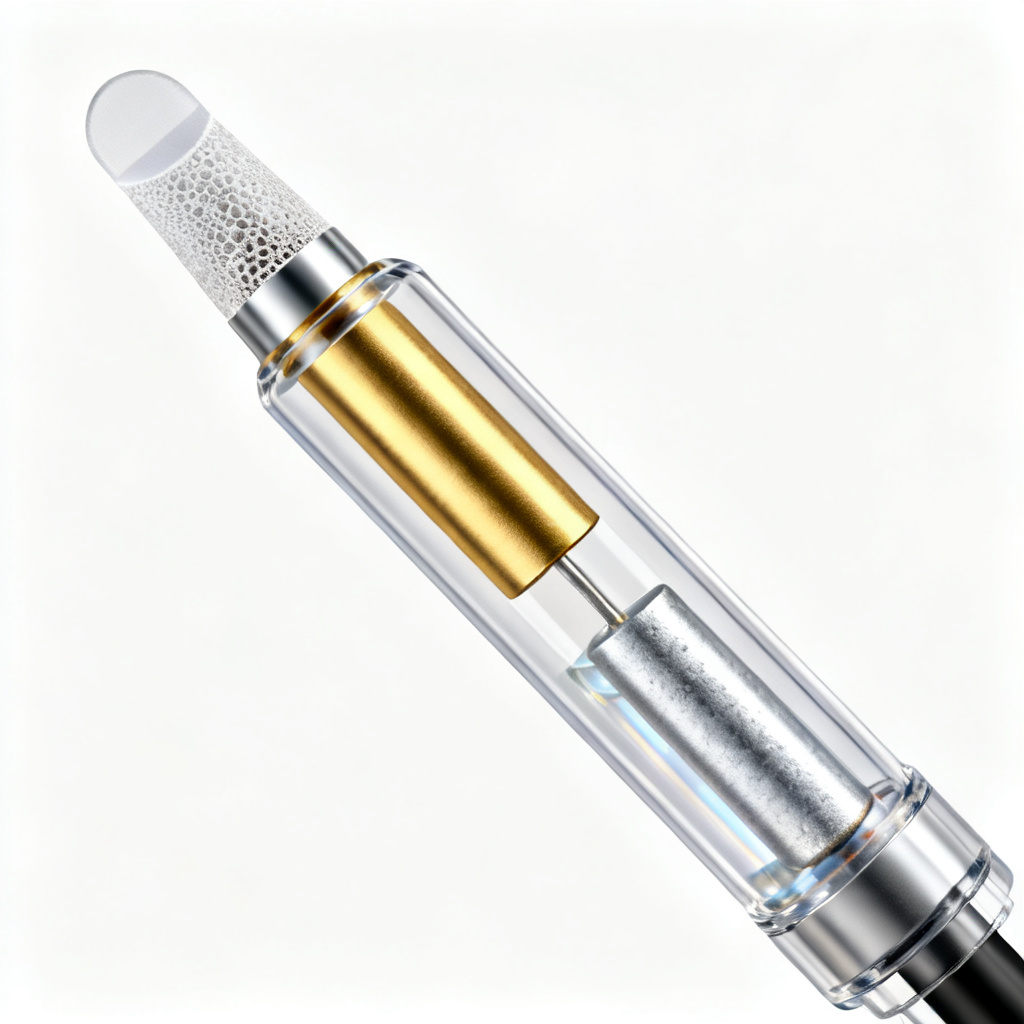
1.2 Galvanic Sensors
Galvanic sensors operate without external voltage, using spontaneous reaction between dissimilar metals. A lead/zinc anode and silver/gold cathode sit in alkaline electrolyte (KOH). No polarization time is needed. The sacrificial anode oxidizes over time, with typical lifespan of 12-24 months.
2. Galvanic vs Polarographic DO Sensor Longevity Data
Industry data confirms Galvanic vs Polarographic DO sensor longevity favors Galvanic in most conditions. However, application-specific factors matter.
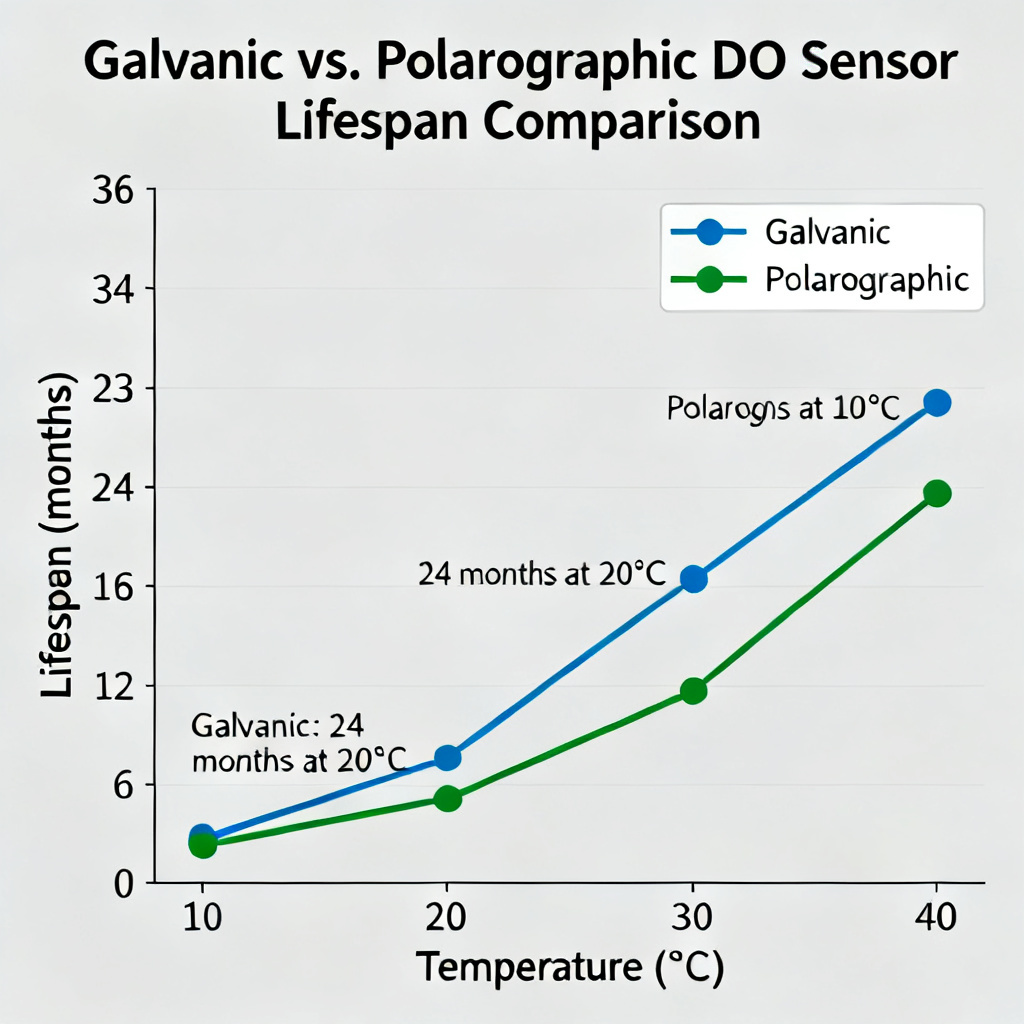
2.1 Theoretical vs Real-World Lifespan
Polarographic sensors: 6-12 months continuous use, shorter in harsh environments (high temperature, H2S). Membrane replacement every 1-3 months is typical. The applied voltage accelerates anode degradation. Galvanic sensors: 12-24 months, with premium models reaching 3 years. The sacrificial anode is the primary consumable. At 50°C, Galvanic lifespan drops to 6-12 months; Polarographic may fail in 3-6 months.
2.2 Key Factors Affecting Lifespan
Temperature accelerates chemical reactions. H2S poisons silver electrodes; Galvanic sensors with lead anodes are more resistant. Oils clog membranes for both. Chlorine attacks membranes. Polarographic requires weekly-to-monthly maintenance; Galvanic is lower-maintenance but still needs periodic cleaning. Polarographic degrades even when idle due to applied voltage; Galvanic experiences minimal anode consumption when not exposed to oxygen.
3. Practical B2B Implications
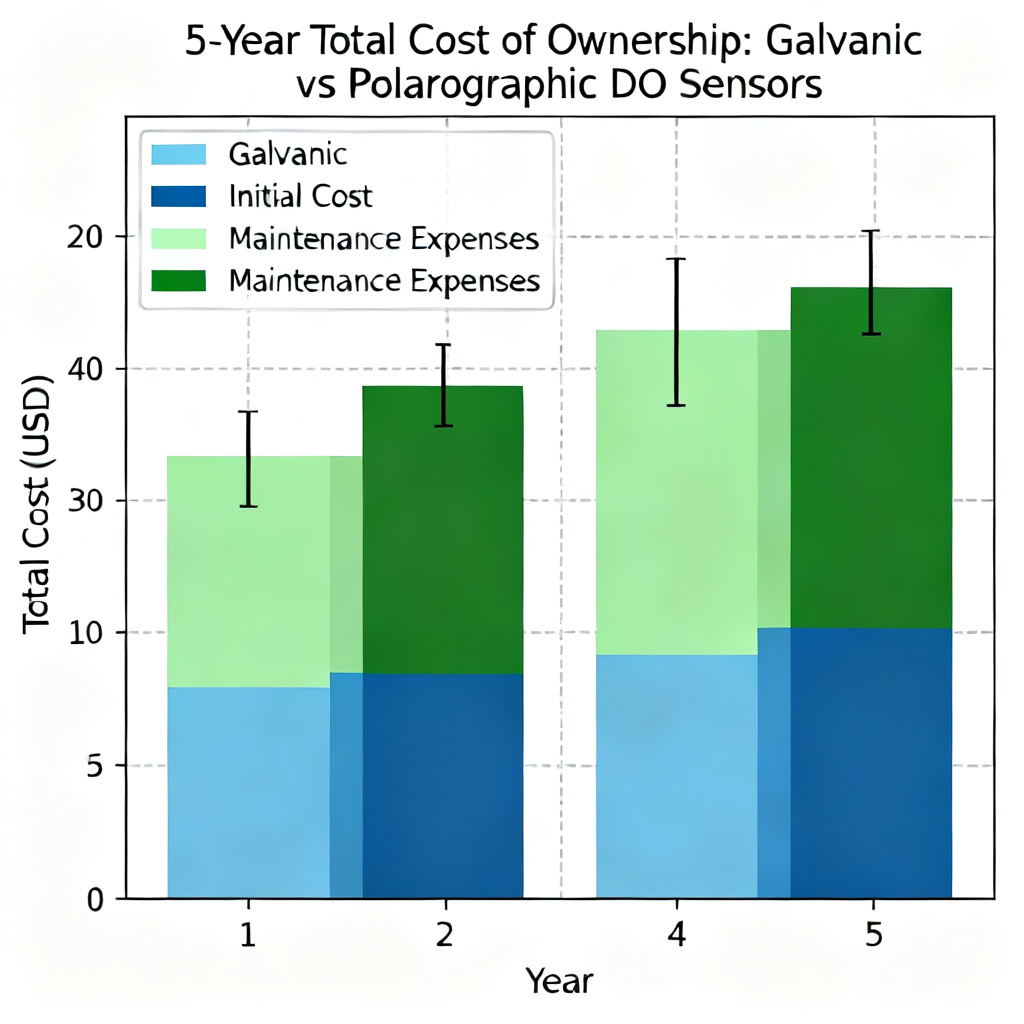
For industrial buyers, Galvanic vs Polarographic DO sensor choice impacts total cost of ownership (TCO).
3.1 Total Cost of Ownership
Polarographic sensors are 20-40% cheaper upfront but require frequent electrolyte refills and membrane changes. Over 2 years, consumables cost 50-100% of initial price. Galvanic sensors have lower consumable costs (anode replacement every 12-18 months). For a 5-year period, Galvanic may need 2-3 replacements vs 4-6 for Polarographic.
3.2 Application Recommendations
Wastewater treatment: Galvanic preferred for robustness and longer lifespan. Aquaculture: Galvanic favored for continuous monitoring; Polarographic for precise low-DO control. Pharmaceutical: Polarographic often mandatory for accuracy at low DO levels. Environmental monitoring: Galvanic excels in remote deployments.
3.3 Sensor Design Quality
High-quality brands use advanced materials: Teflon membranes with anti-fouling coatings, 99.9% pure lead anodes, proprietary electrolyte formulations that resist evaporation.
4. Maintenance Best Practices
Proper care extends Galvanic vs Polarographic DO sensor lifespan.
4.1 Polarographic Maintenance
Replace electrolyte every 1-3 months. Inspect membranes for tears every 2-4 months. Clean silver anode if discolored. Calibrate weekly. Store with protective cap, unpowered.
4.2 Galvanic Maintenance
Replace lead anode every 12-18 months. Clean membrane biweekly with mild detergent. Calibrate monthly. Store dry and cool. Avoid operation above 40°C without high-temperature variant.
5. Future Trends: Optical DO Sensors
Optical DO sensors (fluorescence quenching) offer 2-5 year lifespan with zero consumables. However, they are more expensive upfront and unsuitable for extreme temperatures. For now, Galvanic and Polarographic remain workhorses.
Comparison Table: Galvanic vs Polarographic DO Sensor Parameters
| Parameter | Galvanic DO Sensor | Polarographic DO Sensor |
|---|---|---|
| Typical Lifespan | 12-24 months | 6-12 months |
| Warm-up Time | None | 15-60 minutes |
| External Power | No | Yes (0.6-0.8V) |
| Primary Consumable | Anode (lead/zinc) | Electrolyte + membrane |
| Best Application | Wastewater, aquaculture, remote | Pharmaceutical, low-DO precision |
FAQ: Galvanic vs Polarographic DO Sensor Lifespan
Which Galvanic vs Polarographic DO sensor lasts longer?
Galvanic sensors generally last 12-24 months vs 6-12 months for Polarographic, making Galvanic the longer-lasting choice for most industrial applications.
Can a Polarographic DO sensor be used in high-temperature environments?
Polarographic sensors degrade faster above 40°C, with lifespan dropping to 3-6 months. Galvanic sensors are more robust but also experience reduced lifespan at high temperatures.
How does H2S affect Galvanic vs Polarographic DO sensor lifespan?
H2S poisons silver electrodes in both types. Galvanic sensors with lead anodes are more resistant, but prolonged exposure still shortens lifespan. Optical sensors are recommended for H2S-rich environments.
What is the total cost of ownership for Galvanic vs Polarographic DO sensor?
Galvanic sensors have higher upfront cost but lower maintenance and replacement costs over 5 years. Polarographic sensors are cheaper initially but require frequent consumable replacements.
Industry Terminology Explained
Amperometric dissolved oxygen sensor: Measures current generated by oxygen reduction at an electrode. Electrochemical DO sensor: Generic term for Galvanic and Polarographic types. Membrane type DO sensor: Uses oxygen-permeable membrane to isolate electrodes from sample. Optical DO sensor: Uses fluorescence quenching principle, no consumables.