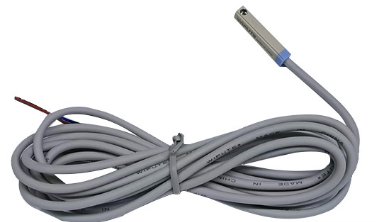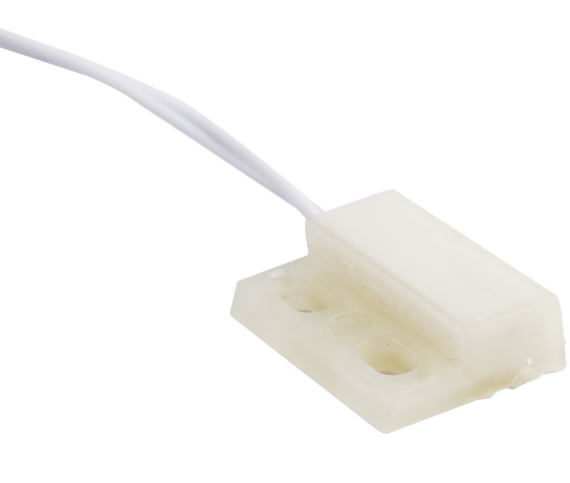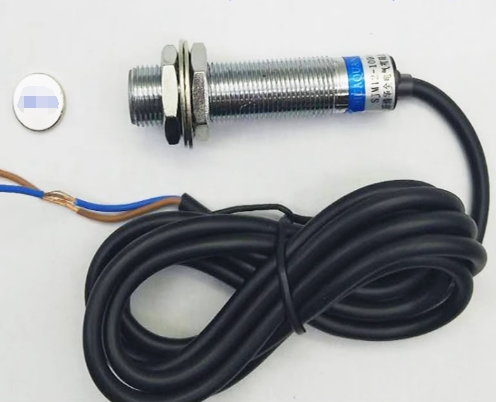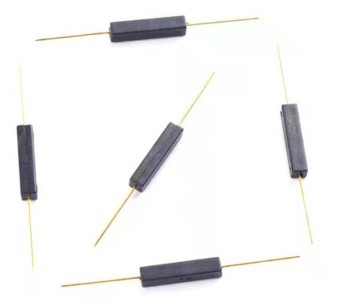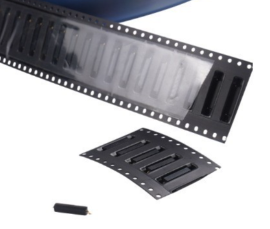
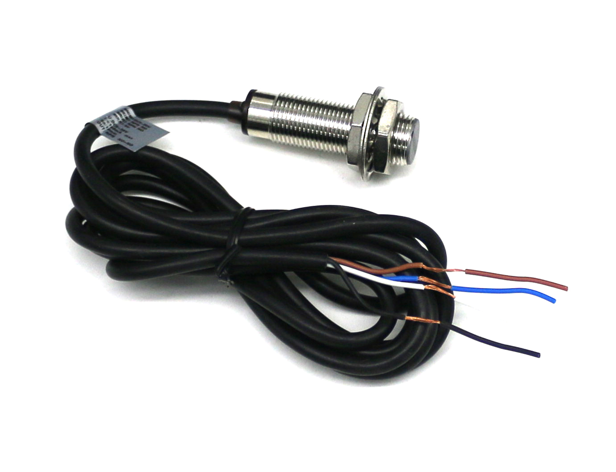
Hall Effect Magnetic Sensor
Model: SensorMass20250609S4
Induction method: magnetic induction
Product type: hall effect sensor
Working voltage: 5-30V DC
Description:
The Hall effect switch is a magnetic sensor composed of a voltage regulator, a Hall voltage generator, a differential amplifier, a Schmitt trigger and an open collector output. Its input is the magnetic induction intensity and its output is an NPN normally open signal.
Features
- The internal structure is better than usual and more resistant to vibration.
- Fast response speed and strong sensitivity.
- Especially suitable for use in narrow spaces or for detecting small objects.
Application
- It mainly measures the steady magnetic field of permanent magnets and cannot detect alternating magnetic fields.
Specifications
| Product name | Normally open Magnetic switch |
| Model | SensorMass20250609S4 |
| Working voltage | 5-30V DC |
| Detection distance | <10mm |
| Output | NPN NO |
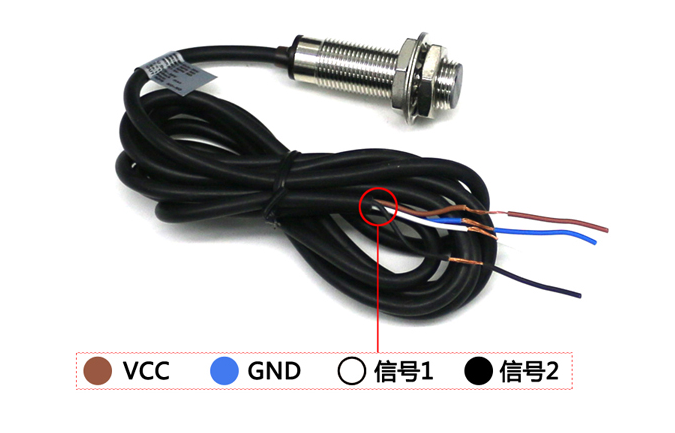
Hall sensor
How does a magnetic position sensor work?
Sensing components within the devices detect changes in the magnetic field and transform them into electrical signals according to the target’s location or angle. Magnetic position sensors and angle encoders are built with numerous sensor technologies, each with its own set of benefits and drawbacks.
What is the principle of magnetic position sensor?
Utilizes magnetic fields for position or angle measurement. Enables contactless measurement with remarkable durability and robustness, designed to withstand harsh environmental conditions. Sensitive to external magnetic fields, leading to limited range and resolution.
What is the magnetic range of a Hall sensor?
The guaranteed range that a given sensor will detect a specific magnet will be from a gap of 0.000 to the point where the curve reaches the max switch point. The minimum gap required to ensure that the sensor will not trigger the magnet is the below where the curve crosses the min switch point.
What are Hall effect magnetic switches?
Hall Effect switches are electronic devices that use magnetic fields to detect keypresses. Unlike mechanical switches, they rely on magnetic fields rather than physical contact. This results in fewer moving parts, often leading to increased durability and reliability.