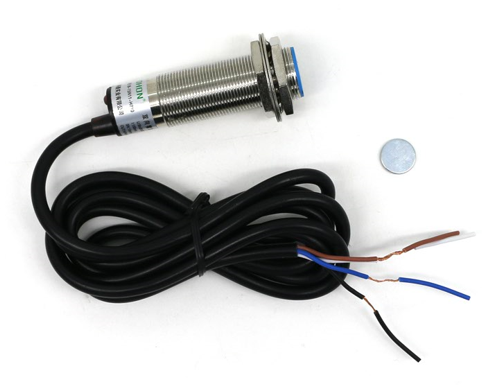
Understanding the hidden operational costs of electrochemical DO sensors is critical for industrial users in wastewater, aquaculture, and biotech. These sensors, while essential for dissolved oxygen monitoring, often incur significant expenses beyond the initial purchase price. This guide reveals the true cost drivers to help you optimize your budget and process reliability.
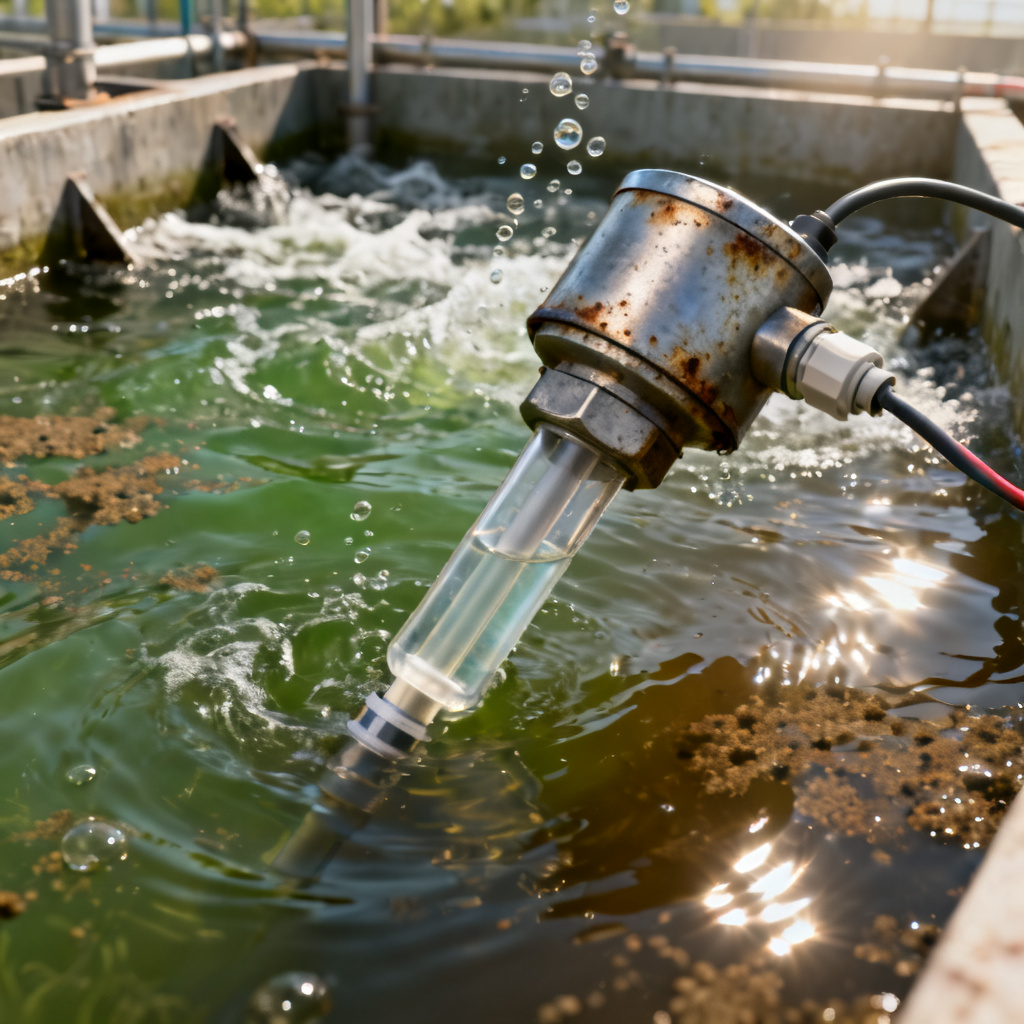
1. Membrane and Electrolyte Degradation: The Silent Consumable Crisis
The Core Problem of Electrochemical DO Sensors
Electrochemical DO sensors (galvanic and polarographic types) rely on a gas-permeable membrane and a consumable electrolyte solution. Over time, the membrane becomes less permeable, and the electrolyte is depleted or contaminated. This is not a failure—it is an inevitability that drives up operational costs.
Hidden Costs Identified by Industry Leaders
Frequent Replacement Cycles: According to YSI, polarographic sensors require membrane and electrolyte replacement every 2–8 weeks under normal operating conditions. In high-demand environments like bioreactors, this cycle can shrink to every 1–2 weeks. Each replacement costs not only the kit ($30–$80) but also labor and process downtime.
Electrolyte Poisoning: In applications where hydrogen sulfide (H2S) or chlorine is present, the electrolyte can be chemically degraded prematurely. This forces unscheduled replacements, often at peak operational hours, leading to overtime labor and expedited shipping fees.
Storage and Shelf Life Waste: Many users purchase bulk membrane kits and electrolyte bottles, only to find that unopened electrolyte has a shelf life of 6–12 months. Expired stock must be discarded, representing a direct financial loss that is rarely budgeted.
Real-World Example of Electrochemical DO Sensor Costs
A municipal wastewater plant running 20 electrochemical DO sensors reported that membrane/electrolyte replacements consumed $12,000 annually in consumables alone, with an additional $8,000 in technician labor. This was 4 times the initial sensor cost per year.
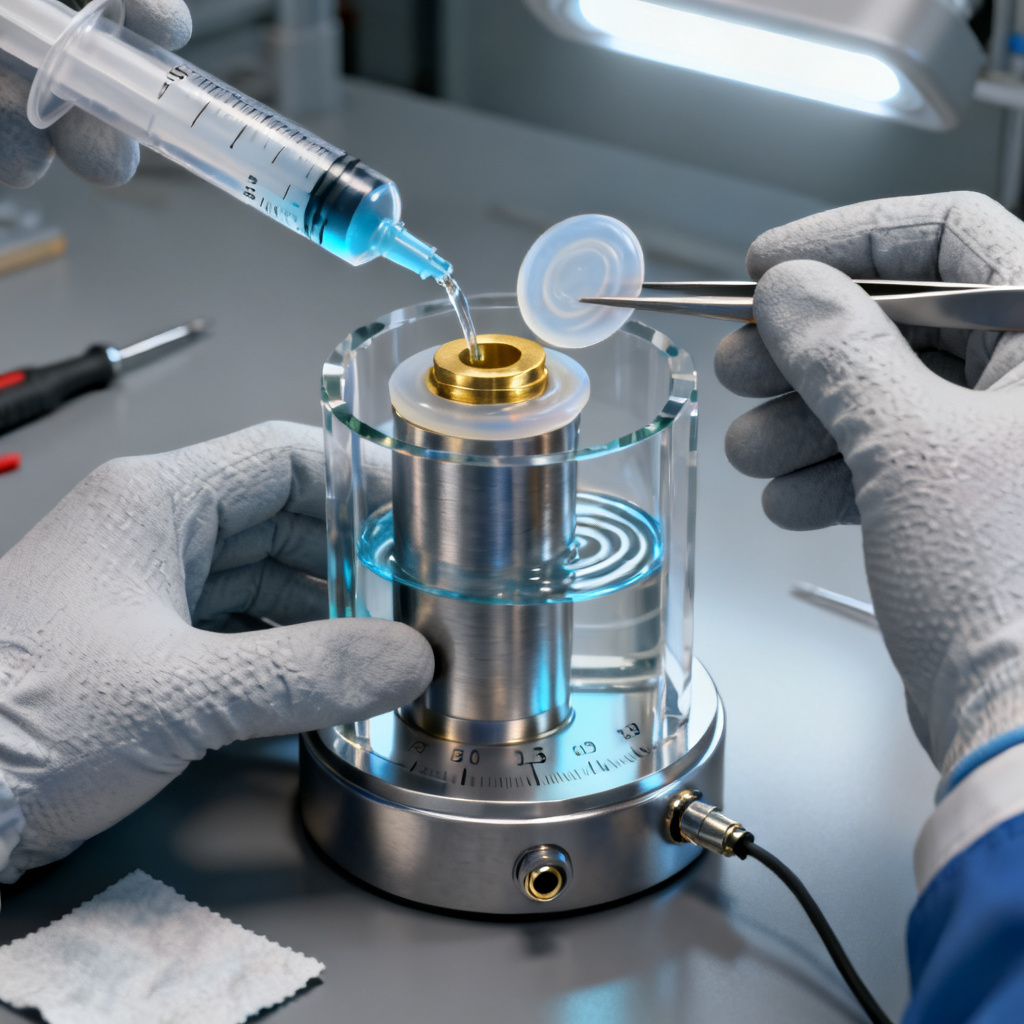
Mitigation Strategy for Electrochemical DO Sensors
Implement a just-in-time inventory system for consumables. Use optical DO sensors where H2S or chlorine exposure is frequent—optical sensors have no electrolyte to poison.
2. Fouling, Calibration Drift, and Unplanned Maintenance
The Core Problem of DO Sensor Fouling
Electrochemical sensors are highly sensitive to surface fouling from biological growth (biofilm), scale, oil, or suspended solids. Fouling alters the diffusion rate of oxygen through the membrane, causing calibration drift. Drift leads to inaccurate readings, which in turn forces more frequent calibrations and unplanned maintenance, increasing the total cost of ownership.
Hidden Costs of Calibration Drift
Calibration Frequency Escalation: A clean, well-maintained electrochemical DO sensor may require calibration every 2–4 weeks. However, in dirty water, calibration may be needed daily or per shift. Each calibration consumes standard solutions, costing $5–$15 per calibration per sensor. For a plant with 10 sensors calibrated daily, this is $18,000–$55,000 annually in calibration consumables alone.
Process Downtime and Quality Penalties: Drift can cause under-aeration (leading to fines for non-compliance) or over-aeration (wasting energy). A 1% drift in DO control can increase energy costs by up to 10–15% in a large aeration system.
Manual Cleaning Labor: Many operators must physically remove sensors, clean the membrane, and re-install them. This task, when performed weekly across dozens of sensors, can consume 20–40 hours of labor per month.
Biofilm-Induced Membrane Damage: Aggressive cleaning to remove biofilm can scratch or tear the membrane, necessitating an earlier replacement cycle.
Real-World Example of Sensor Drift Costs
A food processing plant using electrochemical DO sensors found that calibration drift caused false high readings, leading to under-dosing of sanitizer. The resulting product spoilage cost $50,000 in a single quarter.
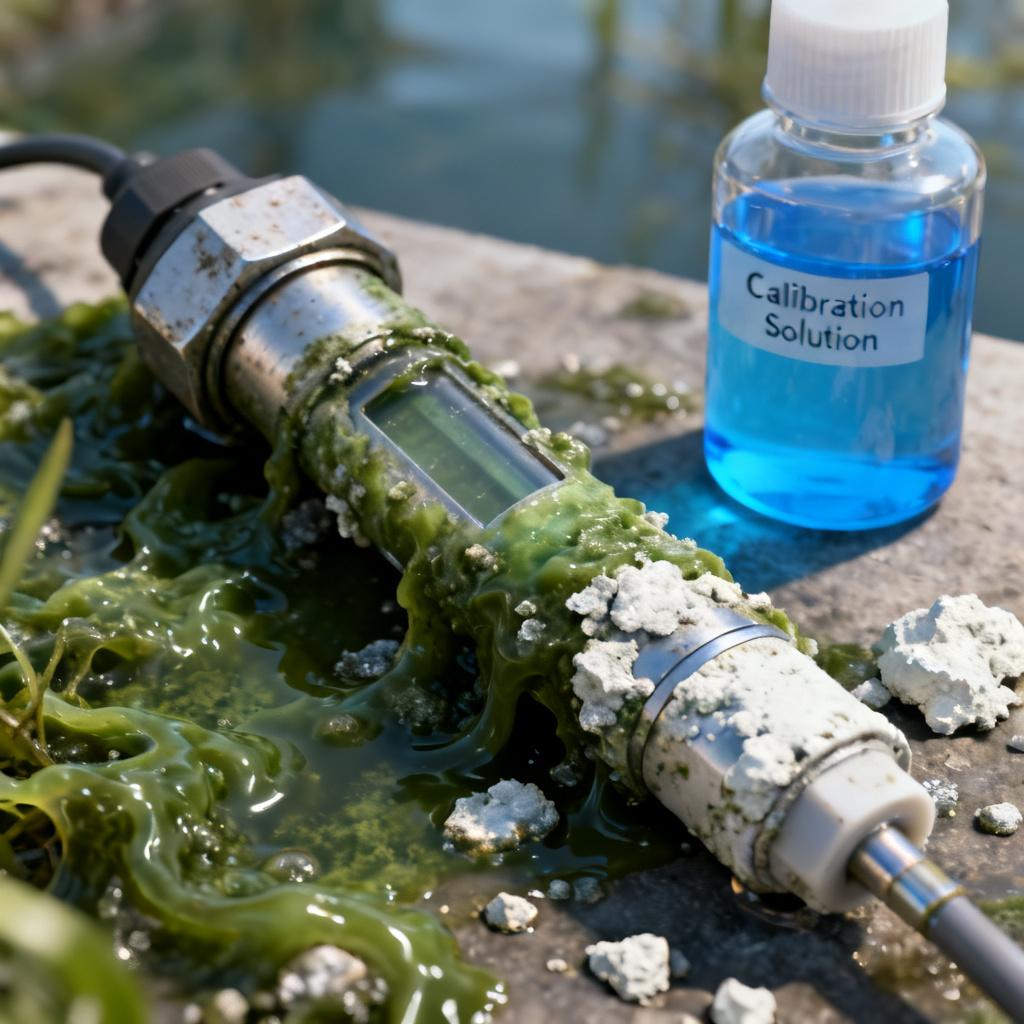
Mitigation Strategy for Fouling
Install automatic cleaning systems to reduce manual cleaning frequency. Use optical DO sensors in high-fouling environments—they are less susceptible to drift and require fewer calibrations.
3. Polarization Time, Stabilization, and Process Interruption
The Core Problem of Sensor Polarization
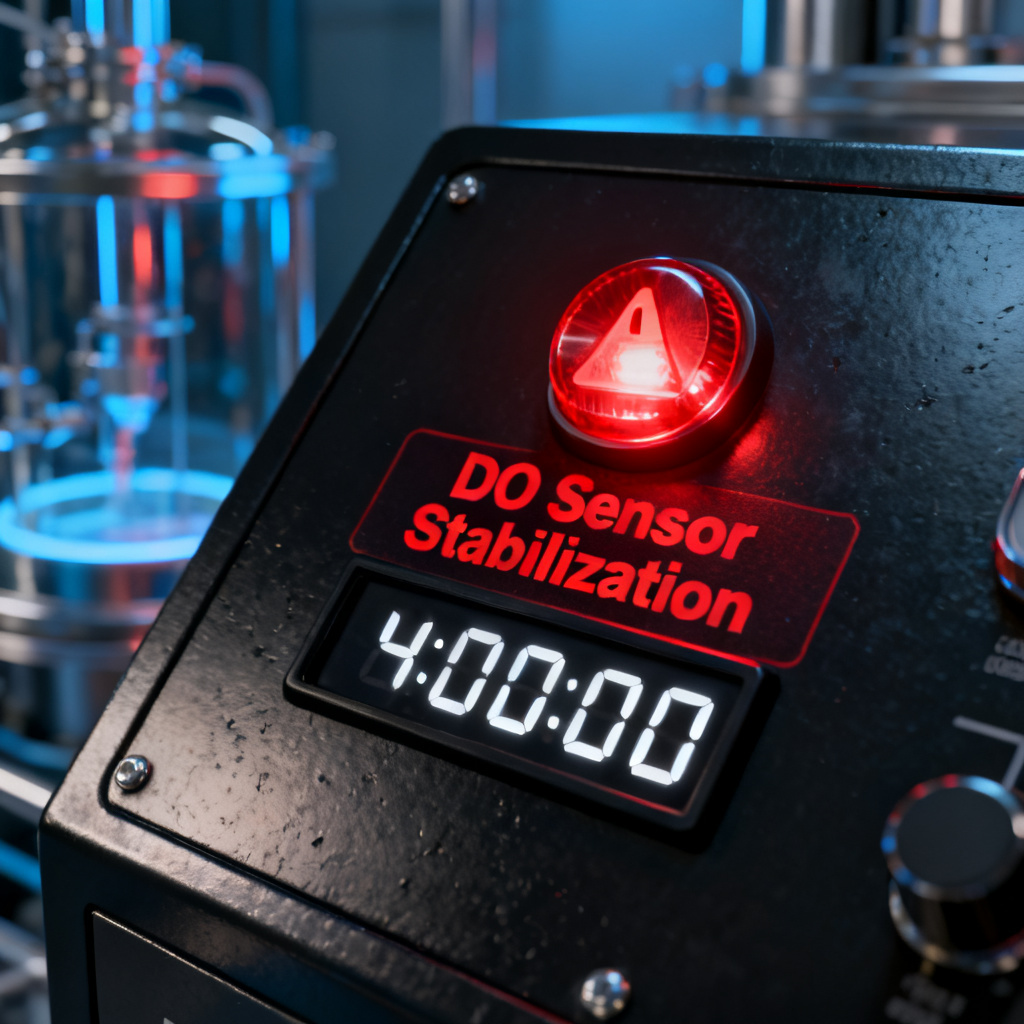
Galvanic and polarographic sensors require a polarization period (typically 30 minutes to 6 hours) after initial installation or after being disconnected from power. During this time, the sensor output is unstable and cannot be used for control, creating hidden operational costs.
Hidden Costs of Polarization and Stabilization
Startup Delays: In batch processes, a sensor that loses power must be re-polarized, delaying the next batch by 1–4 hours. For a high-value bioreactor, this lost production time can cost $5,000–$20,000 per hour.
Preventive Maintenance Scheduling: To avoid polarization delays, maintenance teams often try to replace membranes during short process windows. If the window is too short, the sensor may not be ready, forcing a process hold or the use of a backup sensor.
Stabilization Drift After Cleaning: Even after a quick cleaning, electrochemical sensors can take 15–30 minutes to stabilize. Operators may incorrectly assume the reading is stable, leading to false control actions.
Power Interruption Vulnerability: In facilities with unstable power, a brief outage can de-polarize all sensors simultaneously, requiring a full recovery period.
Real-World Example of Polarization Costs
A biotech facility using 12 polarographic sensors reported that 4% of total production time was lost to sensor polarization and stabilization, equating to $1.2 million in lost annual revenue.
Mitigation Strategy for Polarization
Always keep sensors polarized when not in use. Switch to optical DO sensors, which have no polarization requirement and stabilize in under 60 seconds.
Comparative Cost Analysis: Electrochemical vs. Optical DO Sensors
| Cost Category | Electrochemical DO Sensor (Annual Estimate per Sensor) | Optical DO Sensor (Annual Estimate per Sensor) | Savings with Optical |
|---|---|---|---|
| Consumables (membrane, electrolyte) | $200–$600 | $0 | $200–$600 |
| Calibration (labor + solutions) | $300–$1,200 | $50–$200 | $250–$1,000 |
| Cleaning & Maintenance Labor | $400–$800 | $100–$300 | $300–$500 |
| Process Downtime (polarization) | $500–$2,000 | $0 | $500–$2,000 |
| Energy Penalty (drift-induced) | $200–$1,000 | $50–$200 | $150–$800 |
| Total Hidden Costs | $1,600–$5,600 | $200–$700 | $1,400–$4,900 |
Note: Optical sensors have a higher initial purchase price, but the total cost of ownership over 3–5 years is often lower due to elimination of consumables, reduced calibration, and zero polarization downtime.
Conclusion: Making the Invisible Visible
The hidden operational costs of electrochemical DO sensors—membrane/electrolyte degradation, fouling-induced drift, and polarization downtime—are not minor inconveniences. They represent a significant, recurring financial burden that can erode process efficiency and profitability. By quantifying these costs, you can justify a switch to optical sensor technology, optimize maintenance schedules, and budget accurately for total cost of ownership.
For industrial users seeking to minimize hidden costs while maintaining high accuracy, the evidence overwhelmingly points toward optical dissolved oxygen sensors as the long-term cost-effective solution. However, for low-maintenance, clean-water applications, a well-managed electrochemical sensor program with proactive consumable management can still be viable.
Next Steps: Conduct a total cost of ownership audit for your current DO sensor fleet. Use the breakdown above to calculate your hidden costs, then evaluate whether a hybrid approach optimizes your budget.
FAQ: Hidden Operational Costs of Electrochemical DO Sensors
What are the main hidden operational costs of electrochemical DO sensors?
The main hidden operational costs of electrochemical DO sensors include membrane and electrolyte degradation, fouling and calibration drift, and polarization time. These factors can increase total expenditure by 300–500% over a sensor’s lifetime.
How often do electrochemical DO sensors need calibration?
Electrochemical DO sensors may require calibration every 2–4 weeks in clean water, but in dirty water, calibration may be needed daily. This frequent calibration adds significant operational costs.
What is the difference between electrochemical and optical DO sensors?
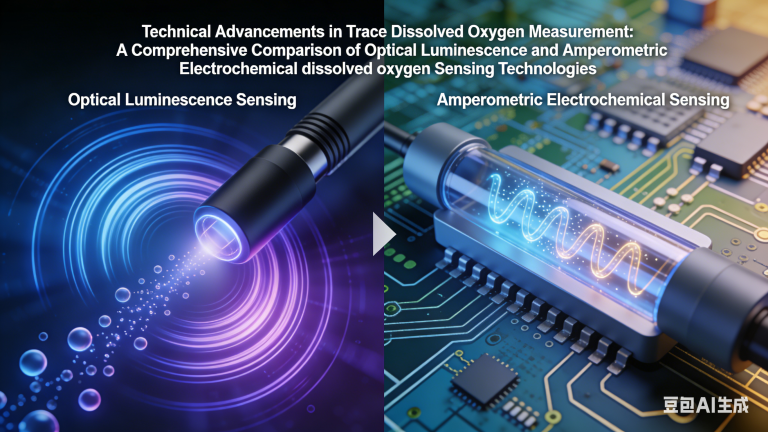
Electrochemical DO sensors use a membrane and electrolyte and require polarization time, while optical DO sensors use luminescence technology, require no consumables, and stabilize in under 60 seconds, reducing hidden operational costs.
How can I reduce the hidden costs of my DO sensors?
To reduce hidden operational costs of electrochemical DO sensors, consider switching to optical sensors, implementing automatic cleaning systems, and maintaining a just-in-time inventory for consumables.