1997 Toyota Corolla Mass Air Flow Sensor Location
The 1997 Toyota Corolla uses a Manifold Absolute Pressure sensor instead of a Mass Air Flow sensor. The MAF sensor is located on the firewall on the passenger side of the engine compartment.
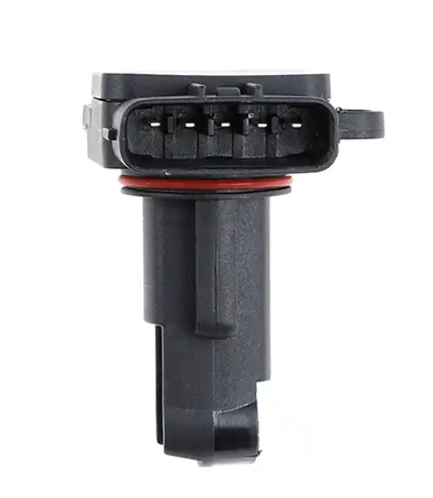
Toyota Corolla MAF Sensor OEM List
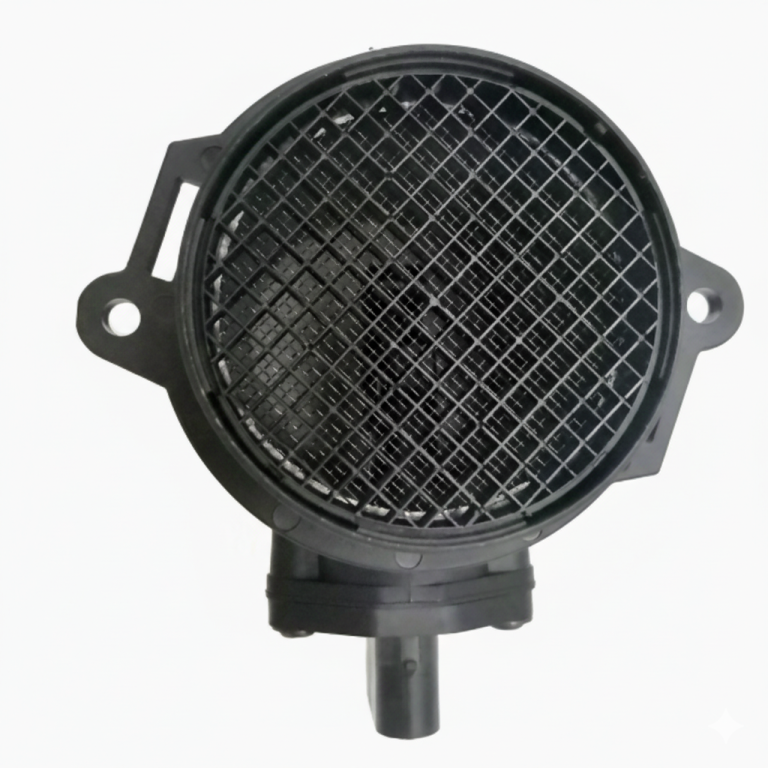
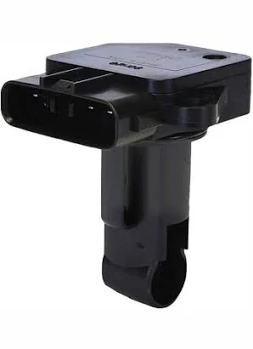
Toyota Corolla MAF Sensor
- 22250-16060: Used for 1988–1990 Corolla models (AE92) with the 1.6L 4A-GE/4A-FE engines. Primarily North American and Japanese markets.
- 22204-15010: Used for 1998–2002 Corolla models (ZZE110). This was the early “drop-in” style used in North America and Europe.
- 22204-22010: The most common sensor for 2003–2008 Corolla models (ZZE130) and 2000–2005 Celica/MR2 Spyder. Global market standard.
- 22204-0V010: Used for 2009–2017 Corolla models. Often found in North American 1.8L models and replaced by newer revisions.
- 22204-0V020: The current replacement for the 22204-0V010, covering 2009–2024 models across Global and North American markets.
- 22204-0F030: Found in Corolla Hybrid models (2020–2023) and some 2004–2023 1.8L variants in North America.
- 22204-75040: The modern standard for 2016–2025 Corolla models, including the M20A-FKS 2.0L engines and the GR Corolla.
Toyota Corolla MAF Sensor OEM Reference & Compatibility
| OEM Part Number | Corolla Years | Selling Markets | Compatible Toyota / Lexus / Scion Models |
|---|---|---|---|
| 22250-16060 | 1988 – 1990 | North America, Japan | MR2 (1988-89), Celica (1988-89) |
| 22204-15010 | 1998 – 2002 | Global | Chevy Prizm (2000-02), Echo (2000-05) |
| 22204-22010 | 2003 – 2008 | Global | 4Runner, Avalon, Camry (02-06), Celica, Highlander, Matrix, Prius (01-09), RAV4, Sienna, Tacoma, Tundra, Yaris, Lexus ES/GS/IS/LS/RX, Scion tC/xA/xB |
| 22204-0V010 / 22204-0V020 | 2009 – 2024 | Global | 4Runner (10-24), Avalon, Camry (12-17), FJ Cruiser, Highlander, Matrix, Prius (10-19), RAV4 (13-18), Sienna, Tundra, Lexus CT/ES/GS/HS/IS/NX/RX, Scion iM/iQ/tC/xD |
| 22204-0F030 | 2020 – 2023 | North America | Land Cruiser (11-21), Prius/Prime (16-22), Sequoia, Tacoma (05-23), Tundra (05-21) |
| 22204-75040 | 2016 – 2025 | Global | Camry (18-24), C-HR, Corolla Cross, Crown, GR Corolla, Highlander (17-25), Prius (23-25), RAV4/Prime (19-25), Sienna, Tacoma, Venza |
| 22204-28010 | 2011 – 2014 | Global | Camry Hybrid (07-11), HS250h, RAV4 (06-12), Scion tC (05-10) |
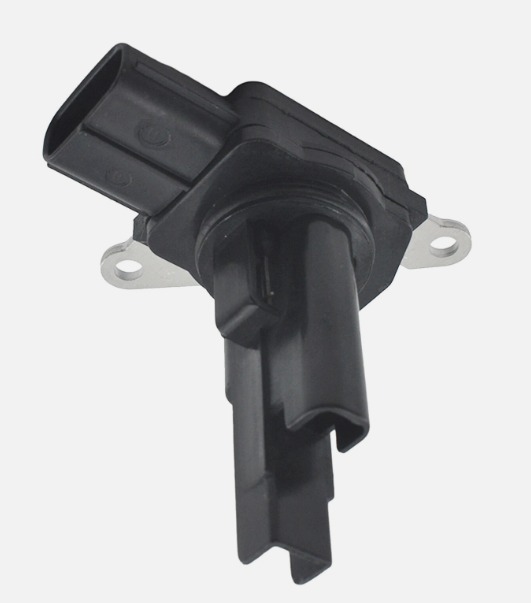
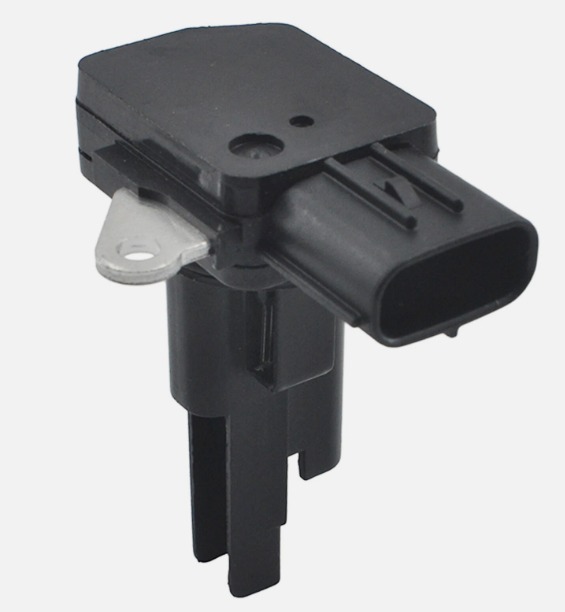
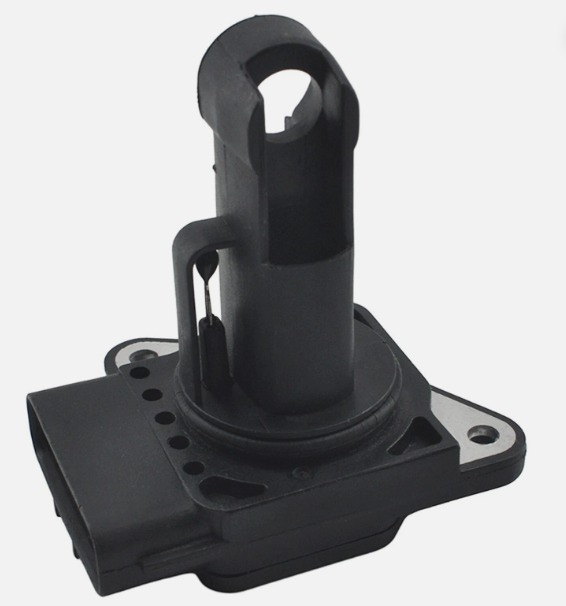
Toyota Corolla MAF Sensor Detail Display
Toyota Corolla maf sensor location
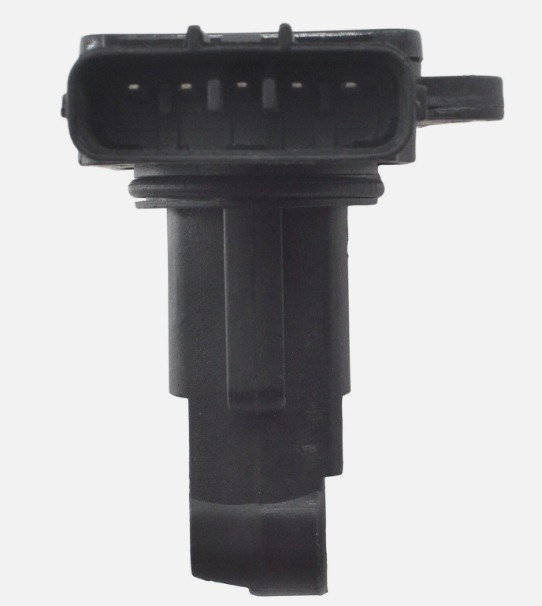
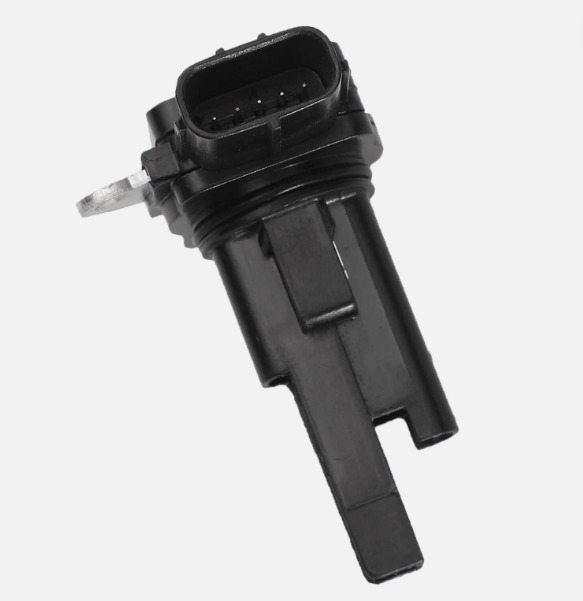
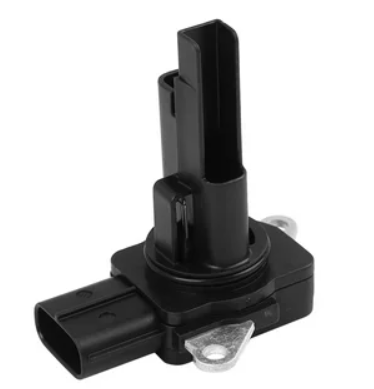
Where is the mass air flow sensor on a 1997 Toyota Camry?
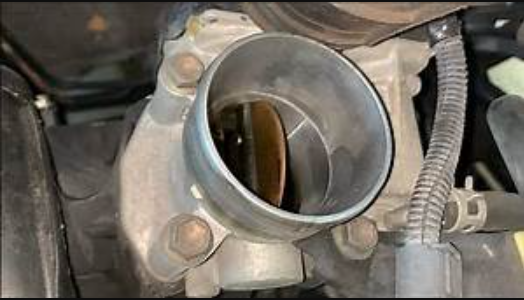
The mass air flow sensor on a 1997 Toyota Camry is typically located between the air filter housing and the throttle body. It is part of the intake system and measures the amount of air entering the engine, which helps the engine control module (ECM) adjust the air-fuel mixture for optimal performance.
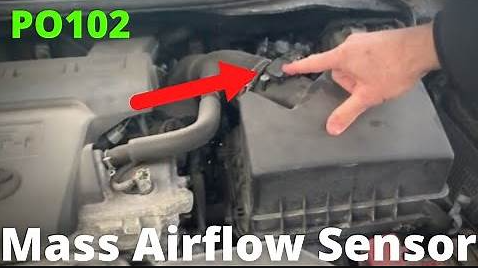
What are the symptoms of a failing mass air flow sensor?
A failing MAF sensor can cause noticeable issues in your vehicle’s performance. Here are some common mass air flow sensor problems:
- Check Engine Light: The most obvious sign, as the engine control module (ECM) detects irregularities.
- Poor Acceleration: Hesitation or sluggish response when pressing the accelerator.
- Rough Idling: The engine may idle unevenly or stall.
- Increased Fuel Consumption: A faulty MAF sensor can lead to an improper air-fuel mixture, reducing fuel efficiency.
- Black Smoke from Exhaust: Indicates the engine is running too rich (too much fuel, not enough air).
- Hard Starting: Difficulty starting the engine, especially in cold conditions.
- Jerking or Surging: The vehicle may jerk or surge unexpectedly during driving.
Where is the fuel pump on a 1997 Toyota Corolla?
The fuel pump on a 1997 Toyota Corolla is located inside the fuel tank. To access it, you’ll typically need to remove the rear seat cushion to reach the fuel pump access panel. Once the panel is removed, you can access the fuel pump assembly for inspection, repair, or replacement.
What does unplugging the mass air flow sensor do?
Unplugging the MAF sensor disrupts its ability to provide airflow data to the engine control module (ECM). When this happens, the ECM typically switches to a default or “safe” mode, using preprogrammed values instead of real-time air intake readings. Here’s what this might cause:
Effects of Unplugging:
- Engine Performance May Improve (Temporarily): If the MAF sensor is faulty, unplugging it may help the engine run smoother as it avoids incorrect airflow readings.
- Check Engine Light Will Illuminate: The ECM detects the missing sensor signal, triggering a diagnostic trouble code (DTC).
- Fuel Efficiency Decreases: Running without accurate air intake data can lead to an improper air-fuel mixture, increasing fuel consumption.
- Limited Throttle Response: Engine power and throttle response might feel reduced as the ECM prioritizes safe operation.
- Worsened Performance in Some Cases: If the sensor was working properly, unplugging it will negatively impact the engine’s efficiency and performance.
Cannot find correct MAF sensor for your car?
Our engineers work with you to design the optimal solution for yourspecific requirements, Get expert consultation and custom configuration support.
Request a Quote
Get a customized solution for your application!