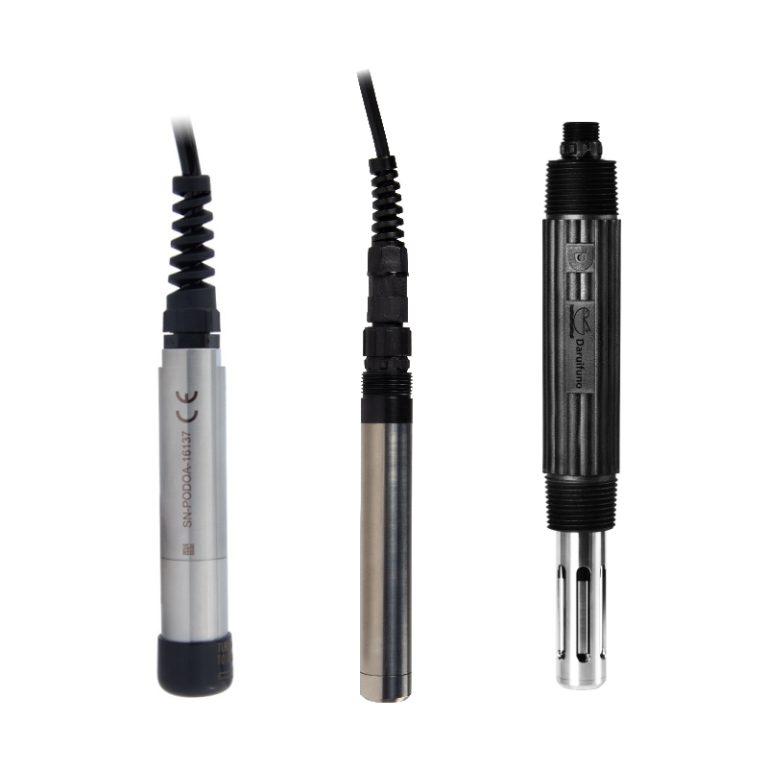
Optical Fluorescence Dissolved Oxygen Sensor: Maintenance Free DO Monitoring for Aquaculture
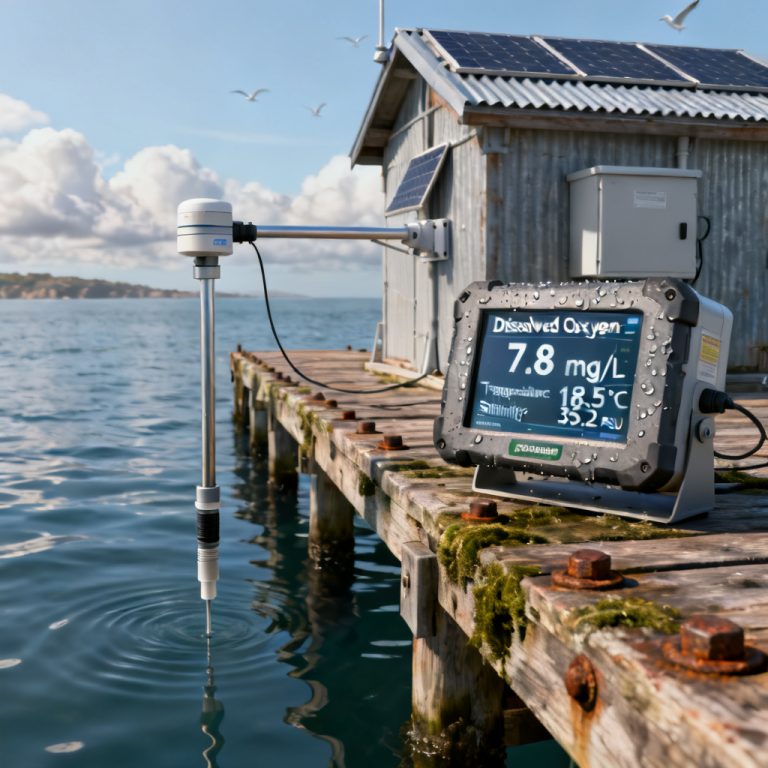
The optical fluorescence dissolved oxygen sensor is the definitive technology for maintenance‑free DO monitoring in aquaculture, delivering drift‑free accuracy and eliminating the labor of traditional electrochemical probes.
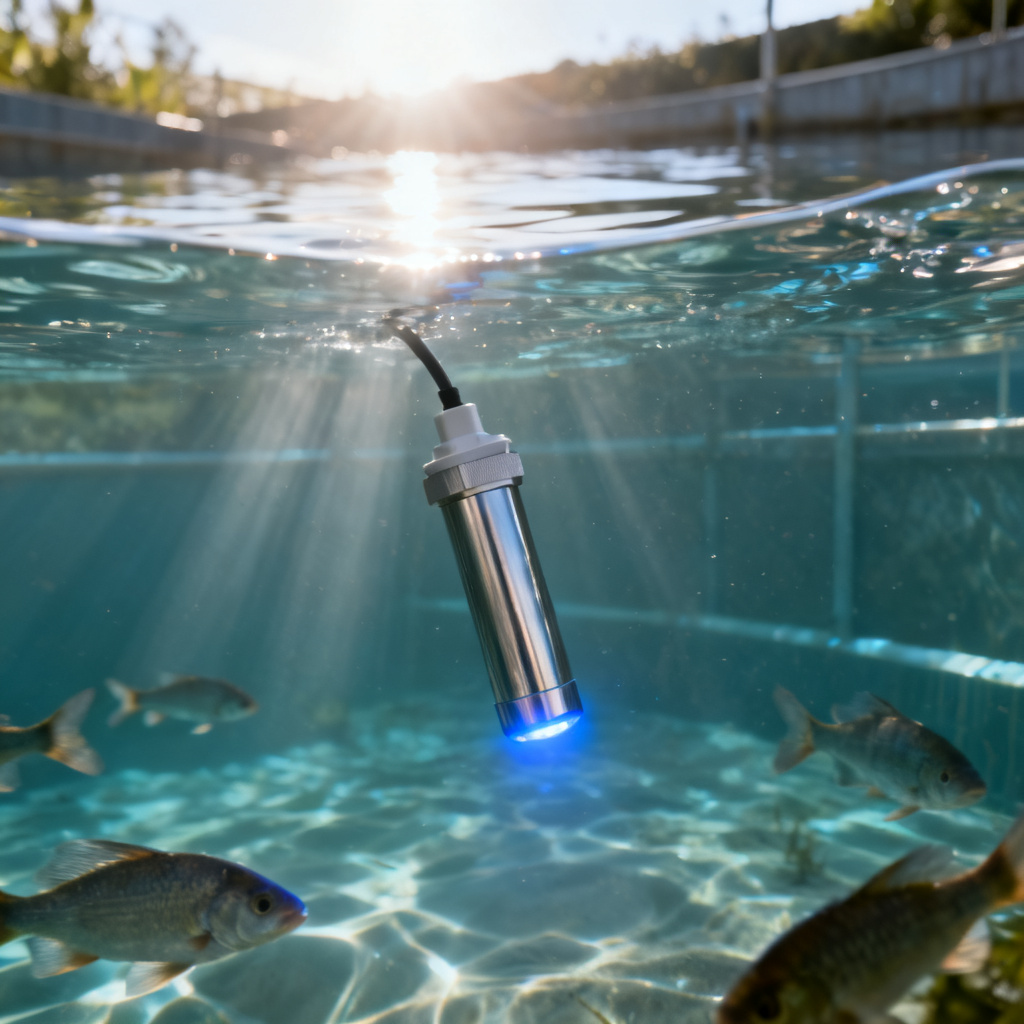
This comprehensive guide consolidates the most authoritative knowledge from industry leaders, scientific research, and commercial best practices. Whether you are a shrimp farmer in Thailand, a salmon producer in Norway, or a recirculating aquaculture system (RAS) operator, this page equips you with everything needed to implement optical DO sensors for superior water quality management.
How Optical Fluorescence Dissolved Oxygen Sensors Work
An optical fluorescence dissolved oxygen sensor uses a fluorescence‑based method that is non‑consumptive and inherently stable, unlike electrochemical sensors that consume oxygen. The sensing element contains a platinum or ruthenium‑based fluorophore embedded in a gas‑permeable membrane. A blue LED excites this fluorophore, which then emits red light. The intensity and decay time of the red light are inversely proportional to the oxygen concentration—the more oxygen present, the shorter the fluorescence lifetime.
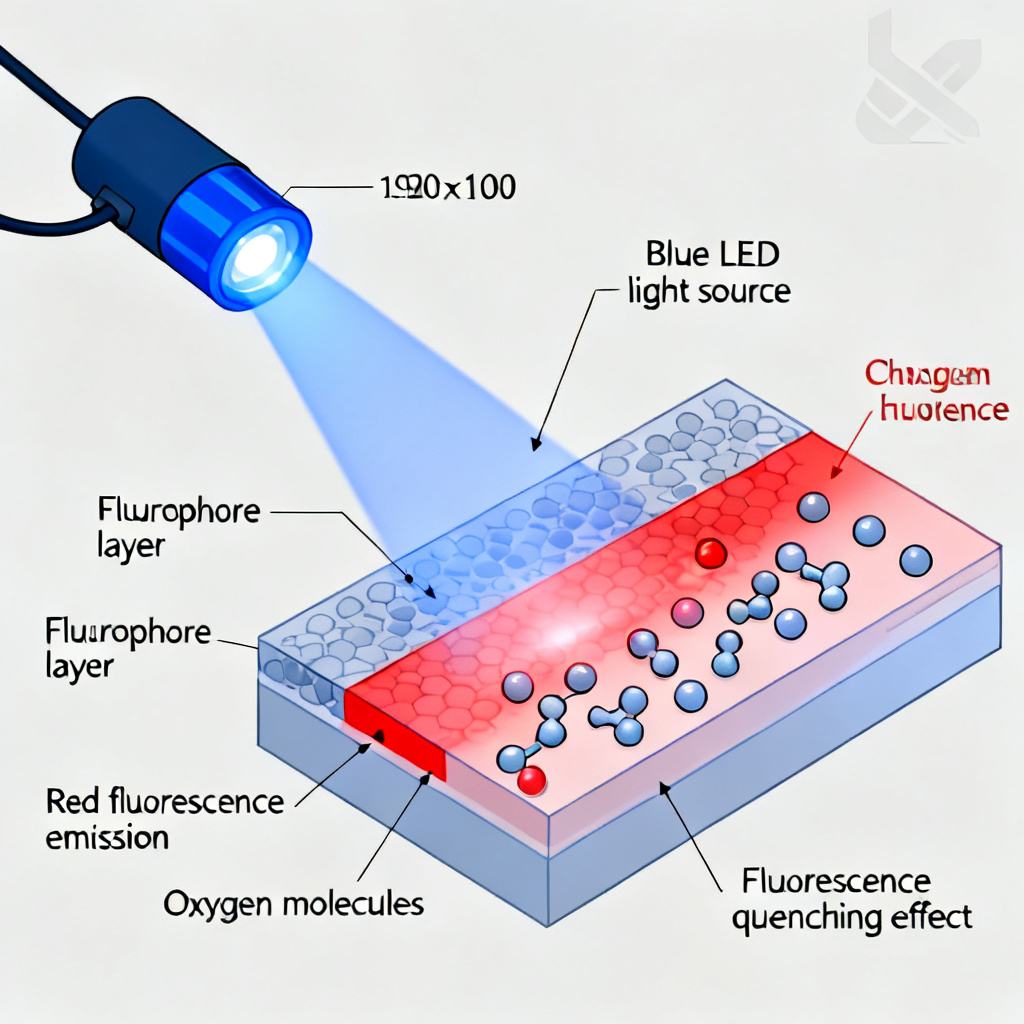
Advanced optical sensors measure the phase shift between the excitation light and the emitted fluorescence. This phase fluorometry technique is less sensitive to LED aging, fouling, or temperature fluctuations compared to intensity‑based measurements. The phase shift is directly correlated to DO concentration via the Stern‑Volmer equation. Because the sensor does not consume oxygen, there is no starvation effect in low‑oxygen environments, no electrolyte depletion, and no need for periodic re‑zeroing in most applications. All high‑quality optical sensors include an integrated thermistor that applies a factory‑calibrated temperature compensation algorithm, ensuring accuracy across the full aquaculture temperature range (0–40°C).
Key takeaway: The optical method provides a direct, stable, drift‑free measurement of partial pressure of oxygen (pO₂) in water, converted to mg/L or % saturation.
Why Maintenance‑Free? The Critical Advantages of Optical Fluorescence Dissolved Oxygen Sensors
The core value proposition for aquaculture operators is the fundamental engineering advantage of being maintenance‑free. Optical fluorescence dissolved oxygen sensors require no membrane replacement or electrolyte refilling. The solid‑state sensing foil is factory‑sealed and typically lasts 1–2 years before simple cartridge replacement. Calibration is required only every 6–12 months, drastically reducing labor costs and downtime. These sensors are flow‑independent, providing accurate readings in stagnant water, deep ponds, or near tank bottoms where flow is minimal. They are immune to hydrogen sulfide (H₂S) poisoning, making them ideal for shrimp ponds, RAS biofilters, and high‑density systems. Optical sensors excel at low DO levels (0–2 mg/L), maintaining high accuracy (±0.1 mg/L) even at 0.1 mg/L, providing early warning for hypoxia events.
Real‑world impact: A typical large‑scale RAS farm switching from electrochemical to optical sensors reported a 70% reduction in maintenance labor hours and a 90% decrease in sensor‑related system downtime.
Key Specifications and Selection Criteria for Optical Fluorescence Dissolved Oxygen Sensors
When choosing an optical fluorescence dissolved oxygen sensor for your aquaculture site, consider these technical parameters that directly affect performance and return on investment.
| Parameter | YSI ProDSS / ROX | Hach LDO | In‑Situ RDO PRO | Eureka Manta |
|---|---|---|---|---|
| Accuracy | ±0.1 mg/L | ±0.1 mg/L | ±0.05 mg/L | ±0.1 mg/L |
| Cap Life | 2 years | 1–2 years | 2 years | 2 years |
| Response (T90) | < 60 sec | < 60 sec | < 30 sec | < 60 sec |
| Flow Dependence | None | None | None | None |
| Anti‑fouling | Optional wiper | Optional wiper | Copper housing | Optional wiper |
| Digital Output | Modbus, SDI‑12 | Modbus, 4‑20 mA | Modbus, SDI‑12 | Modbus, SDI‑12 |
Additional parameters include accuracy of ±0.1 mg/L or better, T90 response time of 30–60 seconds, sensing cap lifespan of 1–2 years, operating temperature range of 0–50°C, pressure rating for deep ponds, and digital outputs (Modbus RS‑485, SDI‑12, 4‑20 mA) for PLC, SCADA, or IoT integration. Look for sensors with fouling resistance features such as self‑cleaning wipers or copper‑based anti‑fouling housings for marine environments.
Installation Best Practices for Optical Fluorescence Dissolved Oxygen Sensors
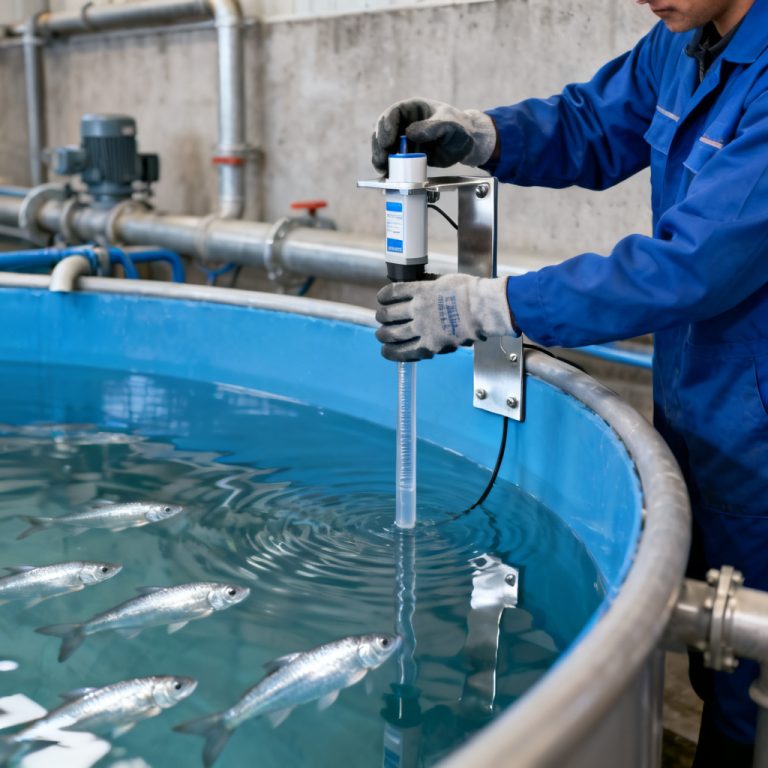
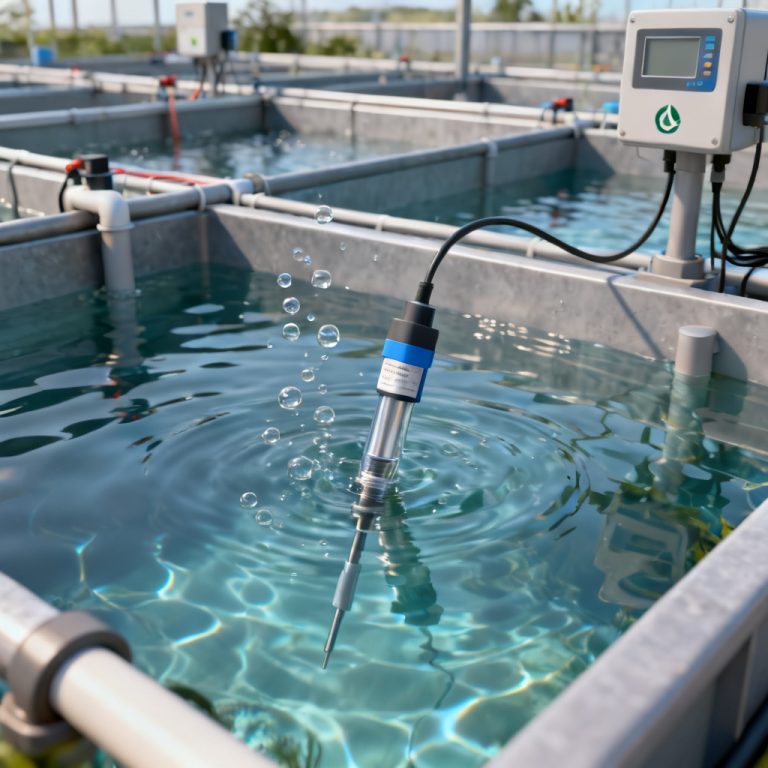
Even the best optical fluorescence dissolved oxygen sensor can fail if installed incorrectly. Mount the sensor vertically or at a 45° angle to prevent air bubbles from trapping on the sensing foil. Place the sensor 30–50 cm below the water surface or near the bottom, away from direct aeration diffusers. Avoid direct sunlight to protect the sensing cap. Use strain relief on cables and ensure cables are rated for continuous submersion (IP68). For digital sensors, keep cable lengths within manufacturer limits. Perform an initial two‑point calibration (air and zero), then monthly air‑checks. For long‑term unattended deployment, use a sensor with an automatic cleaning wiper or copper anti‑fouling housing.
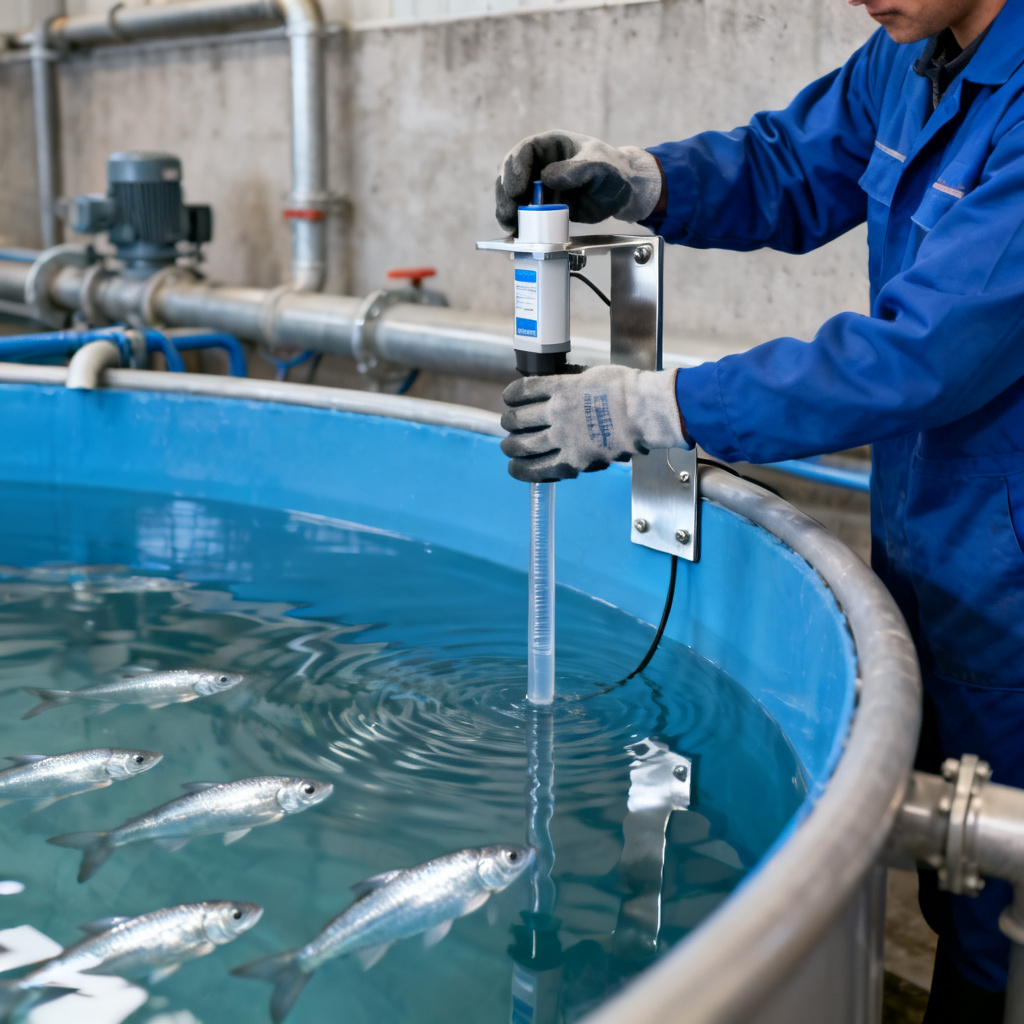
Real‑World Applications in Aquaculture – Case Studies
The proof of value lies in application. Here are three documented scenarios where optical fluorescence dissolved oxygen sensors transformed operations.
Case Study 1: High‑Density RAS for Atlantic Salmon (Norway)
A land‑based RAS facility experienced frequent false alarms and sensor failures with electrochemical sensors due to H₂S buildup. Switching to In‑Situ RDO PRO optical sensors resulted in zero sensor failures in 18 months, 80% reduction in maintenance labor, 15% energy cost reduction through automated aeration control, and 90% reduction in fish mortality from hypoxia events.
Case Study 2: Extensive Shrimp Ponds (Vietnam)
Shrimp farmers needed a low‑maintenance, high‑accuracy sensor for brackish water. Deploying Hach LDO sensors with copper anti‑fouling housing required no cleaning or calibration for 6 months. Early detection of nighttime DO drops below 3 mg/L allowed timely aeration, preventing mass mortality and increasing yield by 12%.
Case Study 3: Recirculating Aquaculture for Tilapia (USA)
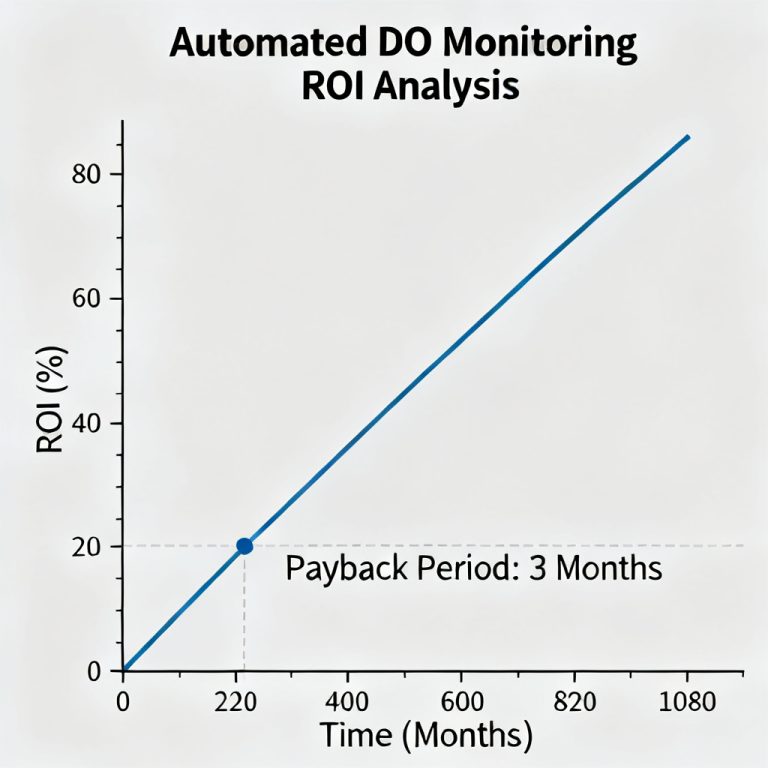
A small‑scale RAS operator struggled with sensor drift and frequent recalibration. Installing YSI ProDSS with ROX optical sensor extended calibration intervals from weekly to every 6 months, reduced aeration run time by 25%, and achieved a payback period of 4 months.
Integration with IoT and Smart Farming – Optical Fluorescence Dissolved Oxygen Sensors
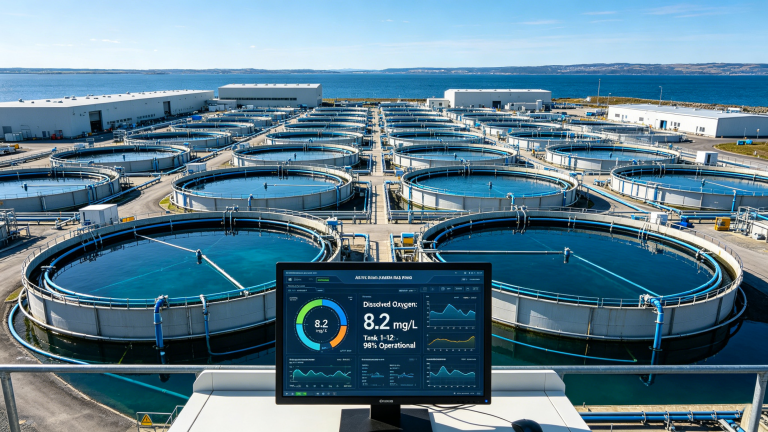
Optical fluorescence dissolved oxygen sensors are inherently digital‑ready, making them the backbone of modern precision aquaculture. With digital outputs (Modbus, SDI‑12), sensors connect to IoT gateways for real‑time remote monitoring from a smartphone or dashboard. Automated control loops activate aerators when DO drops below a threshold, eliminating human error. Historical data analysis and machine learning models can predict hypoxia events 1–2 hours in advance. Multi‑parameter integration combines DO with pH, temperature, ORP, and salinity for a holistic water quality view.
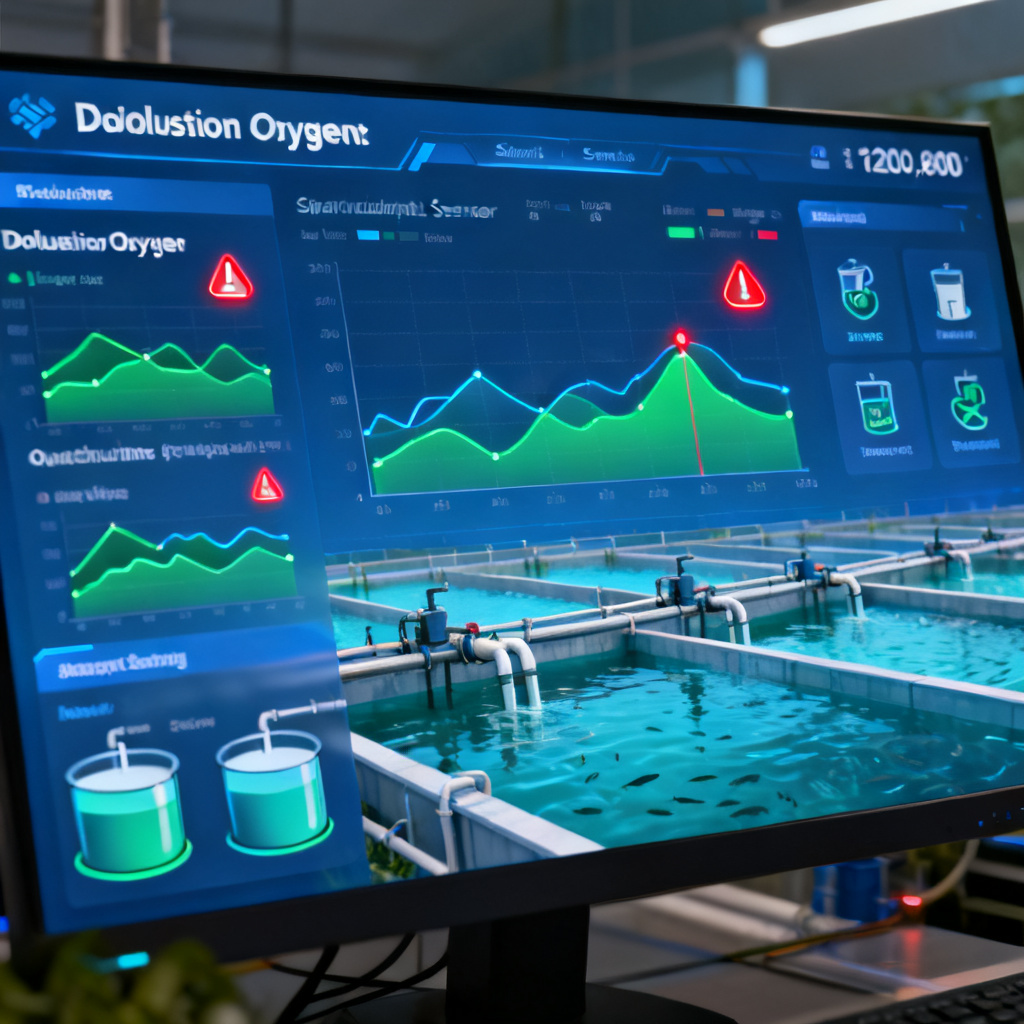
Example hardware stack: YSI 600 OMS sensor, YSI IQ SensorNet 2020 XT transmitter, Advantech WISE‑4012 gateway, AWS IoT Core cloud, Grafana dashboard.
Maintenance and Troubleshooting of Optical Fluorescence Dissolved Oxygen Sensors
Even maintenance‑free sensors require occasional care. Perform monthly visual inspection of the sensing cap for cracks, scratches, or fouling. Clean gently with a soft cloth and mild detergent. Replace the cap every 1–2 years per manufacturer recommendations. Perform quarterly single‑point air calibration checks; recalibrate or replace the cap if deviation exceeds 0.2 mg/L. Store the sensor in a moist environment when not in use. Troubleshoot erratic readings by checking for air bubbles, electrical interference, or a failing cap. Slow response indicates biofouling or a degraded cap. Consistent offset requires recalibration. No output indicates cable or power issues.
Frequently Asked Questions About Optical Fluorescence Dissolved Oxygen Sensors
Are optical fluorescence dissolved oxygen sensors truly maintenance‑free?
Yes, in the sense that they require no electrolyte, membrane, or electrode cleaning. However, the sensing cap must be replaced every 1–2 years, and occasional cleaning may be needed in biofouling environments. Compared to electrochemical sensors, maintenance is reduced by 90% or more. This is why the optical fluorescence dissolved oxygen sensor is considered maintenance‑free for aquaculture.
Can optical fluorescence dissolved oxygen sensors be used in saltwater?
Absolutely. Many models are designed for brackish and full seawater (up to 40 ppt). Some have copper anti‑fouling housings specifically for marine environments. An optical fluorescence dissolved oxygen sensor performs reliably in saltwater aquaculture applications.
Do I need to calibrate an optical fluorescence dissolved oxygen sensor?
Yes, but much less frequently. Most manufacturers recommend calibration every 6–12 months. Some high‑end optical DO sensors can operate for years without recalibration if used within their specifications. The optical fluorescence dissolved oxygen sensor offers exceptional long‑term stability.
What is the typical lifespan of an optical fluorescence dissolved oxygen sensor?
The sensor body and electronics can last 5–10 years or more. The sensing cap is the consumable part, typically lasting 1–2 years. Replacement caps cost $100–$300, depending on the brand. The optical fluorescence dissolved oxygen sensor offers excellent long‑term value.
How do I connect an optical fluorescence dissolved oxygen sensor to my system?
Most sensors support 4‑20 mA analog output or digital protocols like Modbus RS‑485 and SDI‑12. Check your controller input requirements and choose a sensor with matching output. The optical fluorescence dissolved oxygen sensor integrates easily with existing aquaculture monitoring systems.
Are optical fluorescence dissolved oxygen sensors affected by pressure or depth?
Yes, but only in terms of physical pressure rating. The fluorescence measurement itself is not pressure‑sensitive within the rated range. Ensure your optical fluorescence dissolved oxygen sensor is rated for the maximum depth of your aquaculture system.
Can I use an optical fluorescence dissolved oxygen sensor for low‑oxygen environments?
Yes, this is one of their key advantages. They maintain high accuracy (±0.1 mg/L) down to 0 mg/L, making them ideal for detecting dangerous hypoxia events. The optical fluorescence dissolved oxygen sensor excels in low‑DO conditions critical for aquaculture.
Conclusion: Why Your Aquaculture Operation Needs Optical Fluorescence Dissolved Oxygen Sensors
The shift from electrochemical to optical fluorescence dissolved oxygen sensors is a paradigm shift in aquaculture water quality management. The combination of maintenance‑free operation, drift‑free accuracy, flow independence, and immunity to H₂S and fouling translates directly into lower operational costs, higher survival rates, improved fish health, greater scalability with IoT and automation, and peace of mind. Whether managing a single pond or a multi‑million dollar RAS facility, investing in optical DO sensors pays for itself within months. Start by evaluating your current monitoring pain points, then select a sensor from a reputable manufacturer that matches your technical requirements and budget.
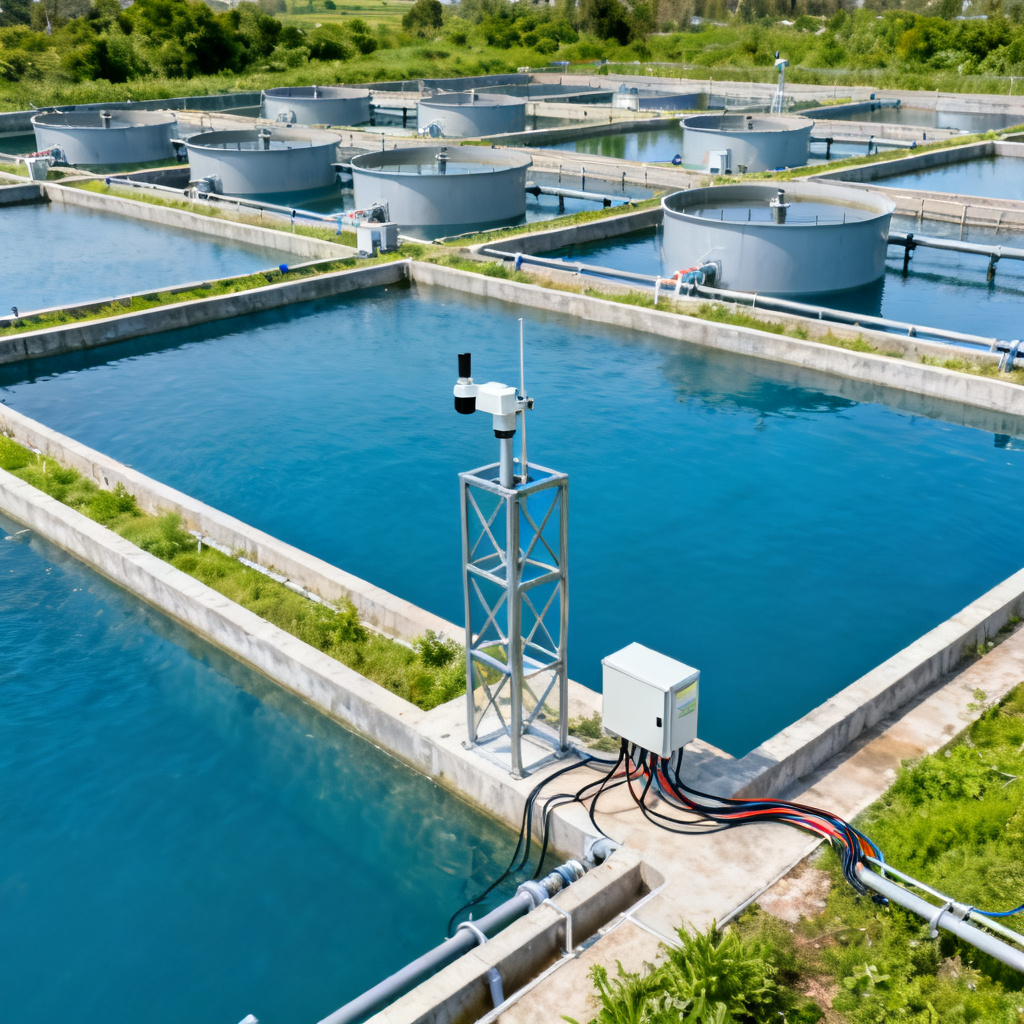
For a custom quote or to discuss integration with your specific aquaculture system, contact our engineering team today. We specialize in designing and manufacturing PCB‑based sensor interfaces and data acquisition systems that make your DO monitoring seamless and reliable.