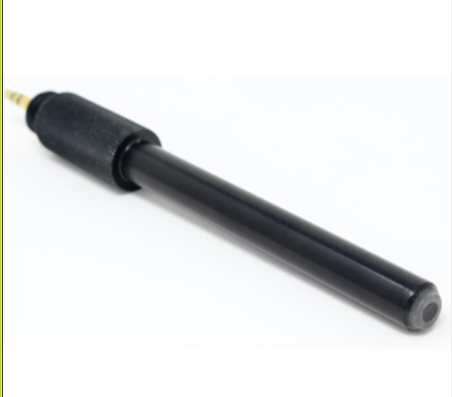
Mettler Toledo InPro 6860i
Optical Dissolved Oxygen Sensor
The definitive technical resource covering specifications, installation, calibration, and maintenance for precision industrial O₂ measurement
Introduction to the InPro 6860i Optical DO Sensor
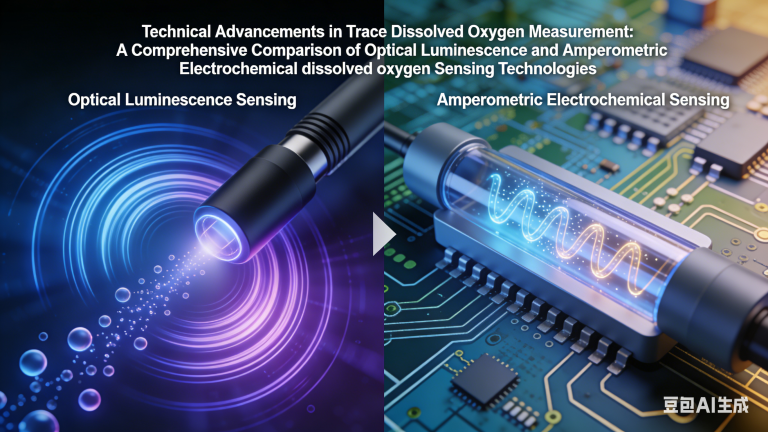
The Mettler Toledo InPro 6860i represents the cutting edge of optical dissolved oxygen sensing technology, engineered specifically for demanding industrial process environments where measurement accuracy, reliability, and minimal maintenance are non-negotiable requirements. As part of Mettler Toledo’s renowned InPro series of analytical sensors, the 6860i model incorporates advanced luminescence-based measurement principles that fundamentally outperform traditional electrochemical (Clark cell) probes across virtually every operational parameter.
Designed for continuous online monitoring applications, the InPro 6860i delivers laboratory-grade measurement precision in harsh field conditions—making it the instrument of choice for pharmaceutical bioreactors, municipal wastewater treatment plants, food and beverage production lines, chemical processing facilities, and power generation stations worldwide. This comprehensive guide serves as both an authoritative reference for engineers evaluating the sensor’s capabilities and a practical manual for technicians responsible for installation, calibration, and ongoing maintenance.
🎯 Why Choose Optical Technology?
The InPro 6860i’s optical measurement principle eliminates the need for membranes, electrolytes, and anodes that plague conventional galvanic and polarographic sensors. By measuring the dynamic fluorescence quenching of a proprietary luminophore material in response to dissolved oxygen concentration, this sensor achieves zero consumables, 90% reduction in maintenance intervals, and superior resistance to process interference from hydrogen sulfide, chlorine, ammonia, and other common contaminants that rapidly degrade electrochemical cells.
💰 Cost-Effective Alternative Options
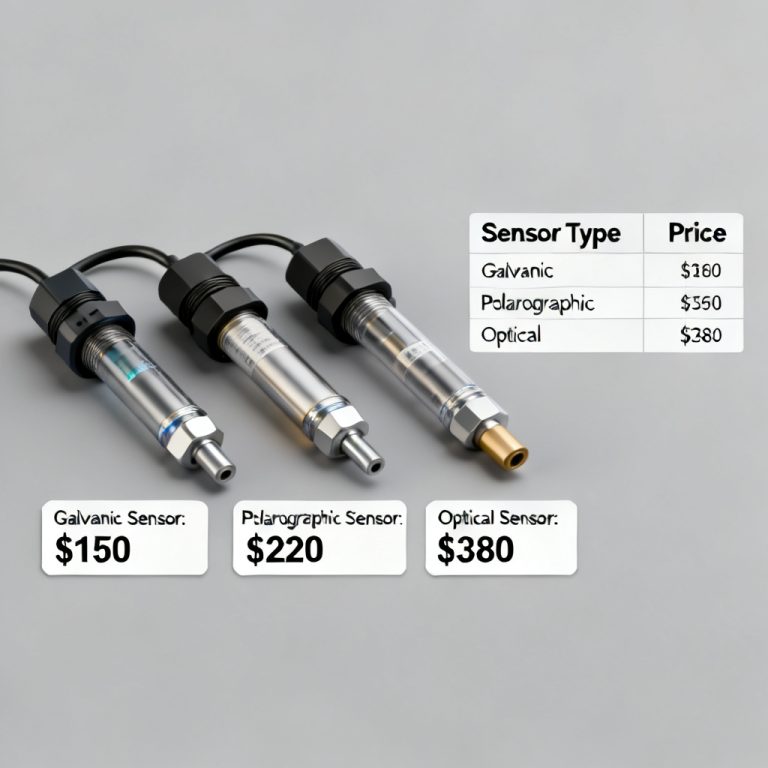
While the InPro 6860i delivers premium-tier performance for regulated industries, many operations can achieve excellent dissolved oxygen monitoring results at a significantly lower cost. If your application does not mandate ISM protocol integration or GMP-compliant traceability, consider these high-value alternatives:
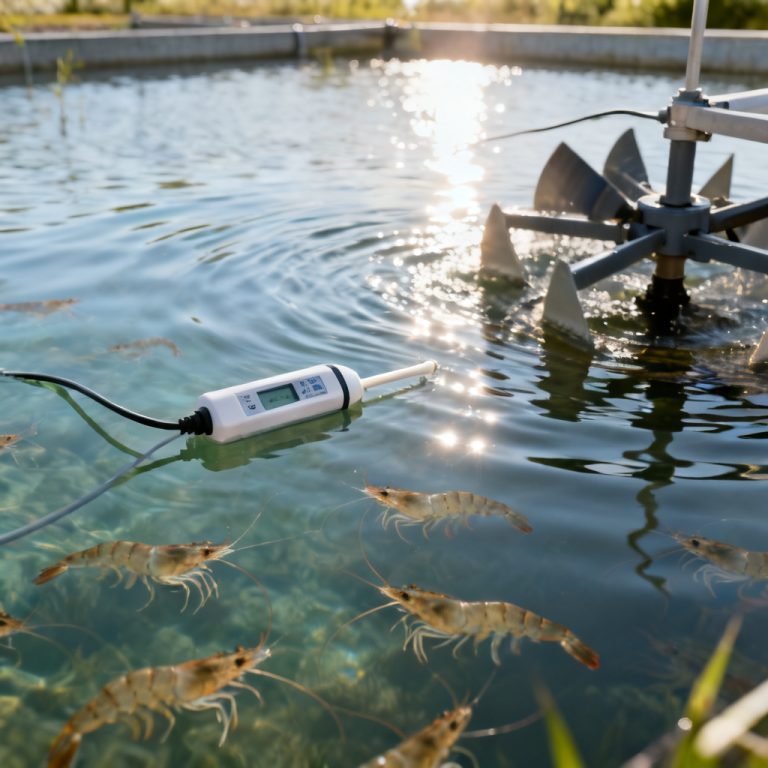
Optical Dissolved Oxygen Sensor & Probe (DS380) — Featuring the same fluorescence quenching optical principle as the InPro 6860i, this probe delivers RS485 Modbus output, IP68 protection, 3-second response time, and zero electrolyte maintenance—all at approximately one-third the cost of the InPro 6860i. With typical delivery times of 3–7 days from stock, it is ideal for aquaculture, wastewater treatment, and general industrial process monitoring where rapid deployment matters more than brand-specific ecosystem integration.
Dissolved Oxygen Sensors Membrane Type (TDO100B) — A ppb-level precision optical sensor offering 0–2000 ppb measurement range, 316L stainless steel construction, and dual output (RS485 + 4-20mA). Priced at roughly one-third of the InPro 6860i’s investment, this model excels in high-pressure boiler feedwater monitoring, ultrapure water systems, and denitrification control where sub-ppm accuracy is required but budget constraints favor faster ROI. Standard lead time is 5–10 days with global shipping available.
Both alternatives maintain the core advantage of optical technology—no membranes, no electrolytes, no flow dependency—while dramatically reducing capital expenditure and accelerating project timelines compared to the Mettler Toledo flagship.
Technical Specifications & Performance Parameters
Understanding the full specification envelope of the InPro 6860i is essential for proper application engineering and system integration. The following table consolidates all critical parameters referenced in the official Mettler Toledo InPro 6860i manual:
| Parameter | Specification |
|---|---|
| Measurement Principle | Optical Fluorescence Quenching (Luminescence) |
| Measurement Range | 0–20 mg/L (0–200% air saturation) |
| Detection Limit | 0.01 mg/L (10 ppb) |
| Accuracy | ±0.5% of reading or ±0.05 mg/L (whichever is greater) |
| Repeatability | ±0.2% of reading |
| Response Time (T90) | <60 seconds |
| Operating Temperature | 0–80°C (32–176°F) |
| Maximum Pressure | 10 bar abs. (145 psi) at 25°C |
| Process Connection | Varipin, Tri-Clamp, DN25/CN25, NPT, custom options |
| Material (Wetted Parts) | Stainless Steel 316L, PEEK, Sapphire window, Silicone |
| Digital Protocol | ISM (Intelligent Sensor Management) via M400/SevenExcellence transmitters |
| Cable Length | 3m, 5m, 10m, 15m options (integral or detachable) |
| Protection Rating | IP68 (submersible to 2m depth for 96 hours) |
| Calibration Interval | 6–12 months (factory), air calibration anytime |
| Sensor Life Expectancy | 3–5 years under normal operating conditions |
Installation Guidelines & Best Practices
Proper installation of the Mettler Toledo InPro 6860i is fundamental to achieving specified performance and maximizing service life. While detailed dimensional drawings and torque specifications appear in the official InPro 6860i manual (document available through Mettler Toledo’s support portal), the following guidelines address the most critical installation considerations:
Mounting Position & Flow Conditions
- Orientation: Install at a 15° downward angle from horizontal to prevent gas bubble accumulation on the optical sensing window, which would cause false low readings.
- Flow Velocity: Maintain minimum flow velocity of 5 cm/s (0.16 ft/s) across the sensor face. Stagnant conditions cause localized depletion and drift. Maximum recommended velocity: 3 m/s to prevent erosion damage.
- Submersion Depth: Ensure the sensor tip is submerged at least 3 cm below the lowest expected liquid level. Avoid positioning near surface turbulence or air entrainment zones.
- Location Selection: Install downstream of pumps, valves, and injection points. Allow minimum 10 pipe diameters of straight run upstream for flow profile stabilization.
Electrical Integration & Transmitter Configuration
The InPro 6860i communicates exclusively through Mettler Toledo’s ISM (Intelligent Sensor Management) digital protocol. Compatible transmitter models include the M400 (single-parameter), M700 (multi-parameter), SevenExcellence S4/S7 benchtop/multiparameter systems, and the iSense Wireless solution. Upon connection, the transmitter automatically reads sensor identification data, calibration coefficients, and operating history—the hallmark of true Plug-and-Measure functionality that eliminates manual parameter entry errors.
Analog output options include isolated 4-20 mA current loop (configurable for 0-20 mA), Modbus RTU over RS485, Hart protocol (with appropriate gateway), and EtherNet/IP or Profinet industrial Ethernet interfaces on select transmitter models. Ensure proper shielding of signal cables when routing near VFD outputs, motor starters, or high-voltage conductors to prevent electromagnetic interference affecting the sensitive optical electronics.
Calibration Procedures & Quality Assurance
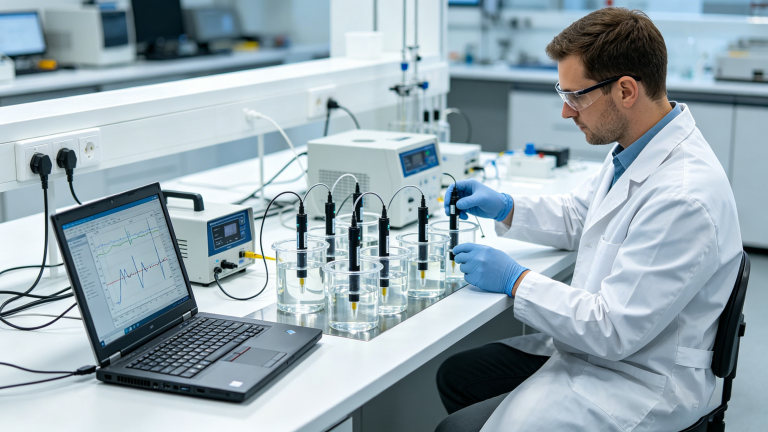
Calibration strategy for the InPro 6860i differs significantly from electrochemical traditions. The optical sensing element exhibits exceptional stability, but periodic verification ensures continued compliance with quality standards and regulatory requirements (FDA 21 CFR Part 11, GMP, EPA methods).
- Air Calibration (Recommended Weekly/Monthly): Remove sensor from process, rinse with deionized water, place in ambient air with the sensing cap exposed. Initiate air calibration from the transmitter menu. The sensor automatically compensates for barometric pressure and temperature. Duration: approximately 3 minutes. No consumables required.
- Water-Saturated Calibration (Quarterly): Prepare fully aerated water by vigorous stirring or bubbling with air for 10+ minutes. Immerse sensor tip, allow temperature equilibration (2 minutes), then initiate single-point calibration against known saturation value calculated from temperature and altitude.
- Zero-Point Verification (Semi-Annual): Use sodium sulfite solution (approximately 5 g/L Na₂SO₃ in deionized water) to create zero-oxygen environment. Verify reading stabilizes below 0.02 mg/L. Rinse thoroughly afterward.
- Two-Point Calibration (Annual/Post-Maintenance): Combine zero-point and span (air or saturated water) calibrations for full characterization. Required after optical cap replacement or if sensor has been stored inactive for extended periods.
💡 Pro Tip: Predictive Maintenance Diagnostics
The InPro 6860i continuously monitors internal diagnostic parameters including LED intensity decay, photodetector sensitivity, temperature compensation integrity, and signal-to-noise ratio. Access these metrics through the transmitter’s DLI (Dynamic Lifetime Indicator) screen or via the iMonitor software suite. A remaining sensor life percentage above 70% indicates healthy operation; values below 30% trigger proactive replacement scheduling before unexpected failure impacts your process.
Maintenance Schedule & Troubleshooting Guide
One of the most compelling value propositions of the InPro 6860i optical technology is its dramatically reduced maintenance burden compared to legacy systems. However, even robust instrumentation benefits from systematic care:
Routine Maintenance Tasks
- Daily/Weekly: Visual inspection of cable integrity, check transmitter readings against grab sample reference measurements (if applicable), verify no alarm conditions active.
- Monthly: Clean optical sensing window with soft cloth and mild detergent if biofouling or scaling observed. Perform air calibration check. Review DLI status trend.
- Quarterly: Full cleaning procedure using manufacturer-approved brush kit. Verify torque on process connection fittings. Update calibration log documentation.
- Annually: Comprehensive performance validation against portable reference instrument. Replace O-ring seals on process adapter. Verify firmware version and update if newer release available.
- As Needed (Every 2-3 Years): Replace optical sensing cap assembly. This is the only wear item and takes less than 5 minutes with no special tools required.
Common Issues & Resolution Strategies
| Symptom | Likely Cause | Corrective Action |
|---|---|---|
| Reading drifting slowly downward | Fouling on optical window | Clean sensing cap per manual section 4.2 |
| Erratic/spiking readings | Air bubbles on sensor face | Adjust mounting angle; increase submersion |
| Transmitter shows “Sensor Error” | Communication fault or damaged cable | Check connections; replace cable if nicked/cut |
| Slow response to step changes | Aged optical cap (>3 years) | Replace sensing cap assembly |
| Calibration fails consistently | Contaminated calibration environment | Use fresh solutions; verify temperature stable |
| DLI showing <30% life | Normal end-of-life progression | Order replacement sensor; plan swap during shutdown |
Industry Applications & Use Cases
The versatility of the Mettler Toledo InPro 6860i optical dissolved oxygen sensor spans virtually every industry sector requiring reliable aqueous oxygen monitoring. Below we highlight the most prominent application domains and the specific value drivers that make the InPro 6860i the preferred choice:
Pharmaceutical & Biotechnology
In upstream bioprocessing, dissolved oxygen concentration directly impacts cell growth rates, product yield, and batch-to-batch consistency in mammalian cell culture, microbial fermentation, and enzymatic synthesis. The InPro 6860i meets stringent GMP requirements with SIP (Steam-In-Place) compatibility to 140°C, USP Class VI compliant materials, and full FDA 21 CFR Part 11-compliant electronic records when paired with qualified data acquisition systems. Its fast response time enables tight cascade control loops maintaining optimal DO setpoints throughout exponential growth phases.
Municipal & Industrial Wastewater Treatment
Aeration basin blowers represent 50-70% of WWTP energy costs. Precise DO measurement from the InPro 6860i enables advanced closed-loop aeration control strategies that reduce energy consumption by 20-30% compared to timed or constant-speed operation. The sensor’s immunity to hydrogen sulfide poisoning—a pervasive problem in anaerobic/anoxic zones and primary clarifiers—eliminates the frequent replacement cycle that makes electrochemical probes economically unviable in municipal installations.
Food & Beverage Production
From brewery fermentation tanks controlling yeast metabolism to bottled water filling lines verifying oxygen ingress prevention, the InPro 6860i’s EHEDG-compliant hygienic design (3-A sanitary standards optional), CIP (Clean-In-Place) tolerance, and FDA-approved materials ensure product safety while delivering the measurement stability required for consistent quality outcomes. Dairy applications particularly benefit from the absence of electrolyte leakage contamination risks inherent to membrane-covered electrochemical cells.
Power Generation & Chemical Processing
Condensate feedwater monitoring in power plants demands ppb-level detection capability to prevent corrosion-induced turbine failures. The InPro 6860i’s 0.01 mg/L (10 ppb) detection limit, combined with its tolerance to high temperatures and pressures encountered in boiler cycles, provides reliable early warning of oxygen excursions. In chemical reactors, the sensor’s broad chemical compatibility matrix—including resistance to organic solvents, acids, and bases—supports diverse synthesis and purification operations.
Frequently Asked Questions About the InPro 6860i
Conclusion: Is the InPro 6860i Right for Your Application?
The Mettler Toledo InPro 6860i optical dissolved oxygen sensor establishes a compelling value proposition for any organization prioritizing measurement reliability, reduced maintenance workload, and lower total cost of ownership in their dissolved oxygen monitoring infrastructure. Its combination of zero-consumables operation, poisoning immunity, intelligent diagnostics, and broad application compatibility positions it as the definitive upgrade path from aging electrochemical technologies.
For facilities currently experiencing excessive maintenance costs, frequent sensor failures, or measurement uncertainty from compromised electrochemical probes, the transition to InPro 6860i optical technology typically achieves return on investment within 12-18 months through reduced labor, eliminated spare parts inventory, and improved process efficiency enabled by trustworthy real-time data.
We recommend requesting a site survey or application review from a certified Mettler Toledo process analytics specialist to validate fitment for your specific operating conditions, process media composition, and regulatory requirements. The official InPro 6860i manual contains additional detail on mechanical dimensions, safety certifications (ATEX, IECEx, FM, CSA), and warranty terms not covered in this overview.
This technical resource is provided for informational purposes by Industrial Sensor Solutions. Always refer to the manufacturer’s official documentation for installation, safety, and warranty information specific to your equipment configuration and jurisdiction.