Introduction: The Critical Role of Dissolved Oxygen in Aquaculture
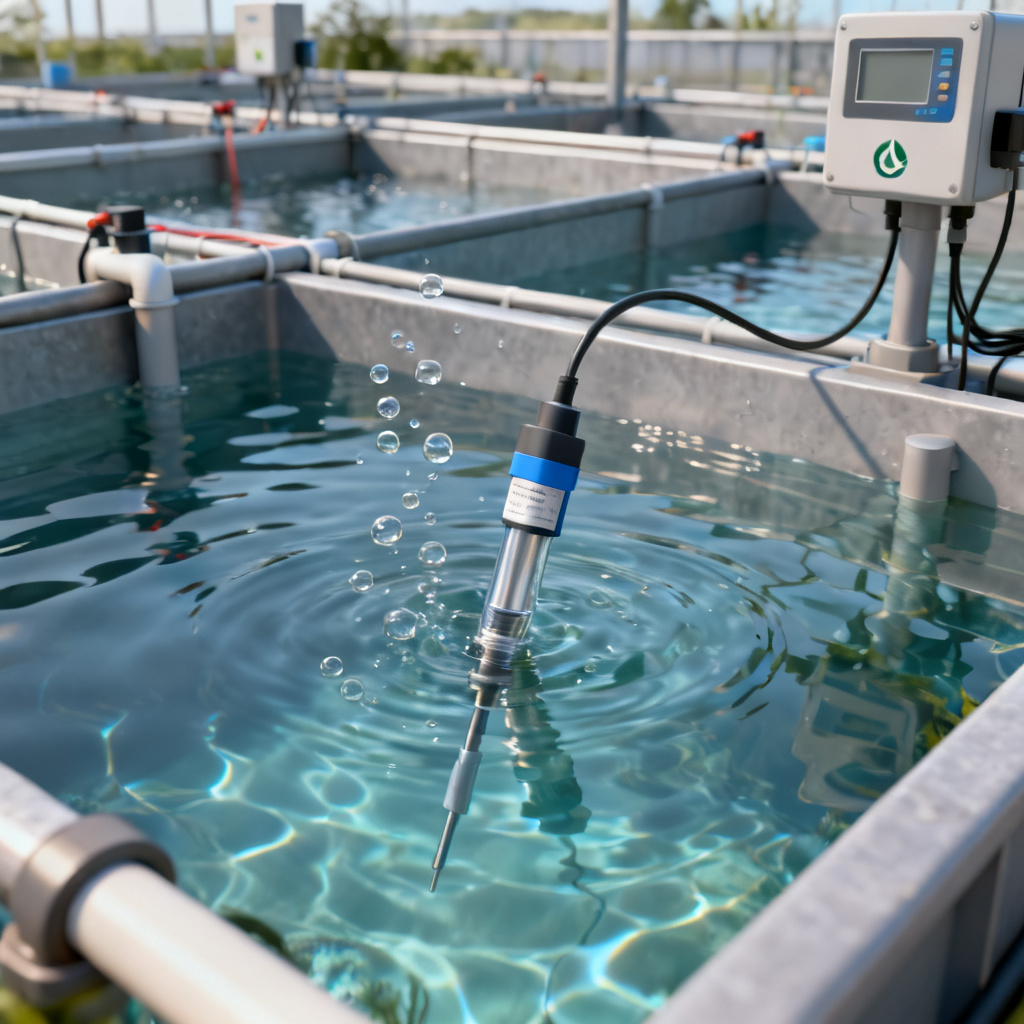
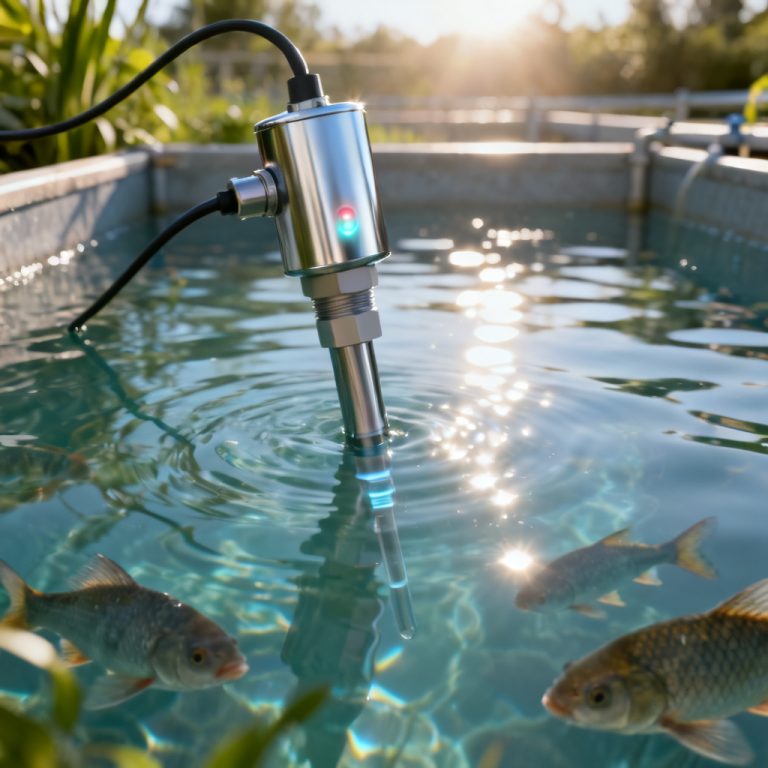
In modern aquaculture, dissolved oxygen (DO) concentration is the single most critical water quality parameter. Whether you operate a high-density recirculating aquaculture system (RAS) for shrimp, an extensive pond for tilapia, or a flow-through salmon farm, maintaining optimal DO levels (typically 5–8 mg/L for most species) directly impacts feed conversion ratios, growth rates, disease resistance, and overall survival.
Failure to monitor DO accurately can lead to hypoxia, mass mortality events, and significant economic losses. While optical (luminescent) sensors have gained popularity, electrochemical sensors remain the workhorses of the industry due to their reliability, cost-effectiveness, and proven track record in harsh aquatic environments.
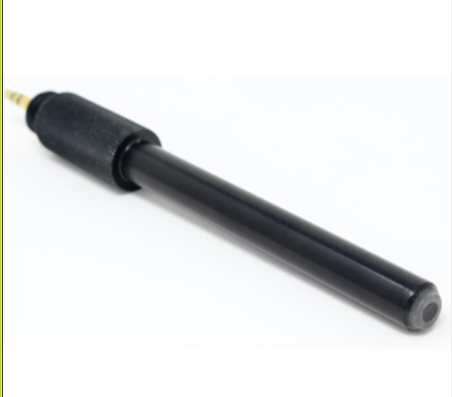
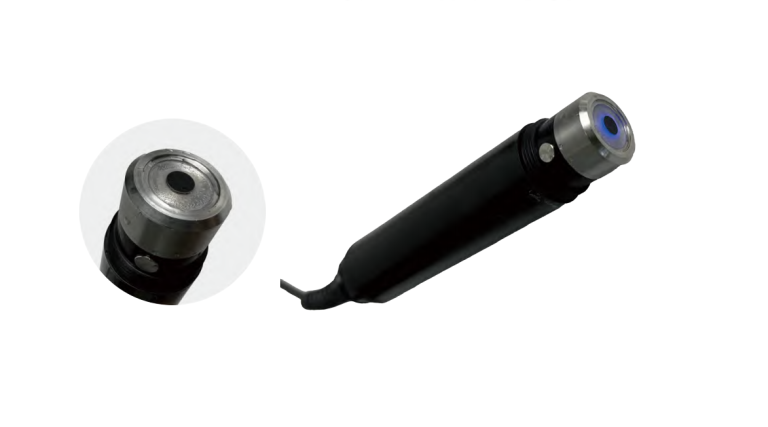
This comprehensive guide: “Electrochemical Dissolved Oxygen Sensor Galvanic vs Polarographic Technology for Aquaculture” synthesizes the most authoritative industry knowledge to help you understand, select, and maintain the two dominant electrochemical DO sensor technologies: Galvanic and Polarographic. We will dissect their working principles, operational nuances, maintenance requirements, and real-world performance in aquaculture settings.
Section 1: The Fundamental Principles of Electrochemical DO Sensors
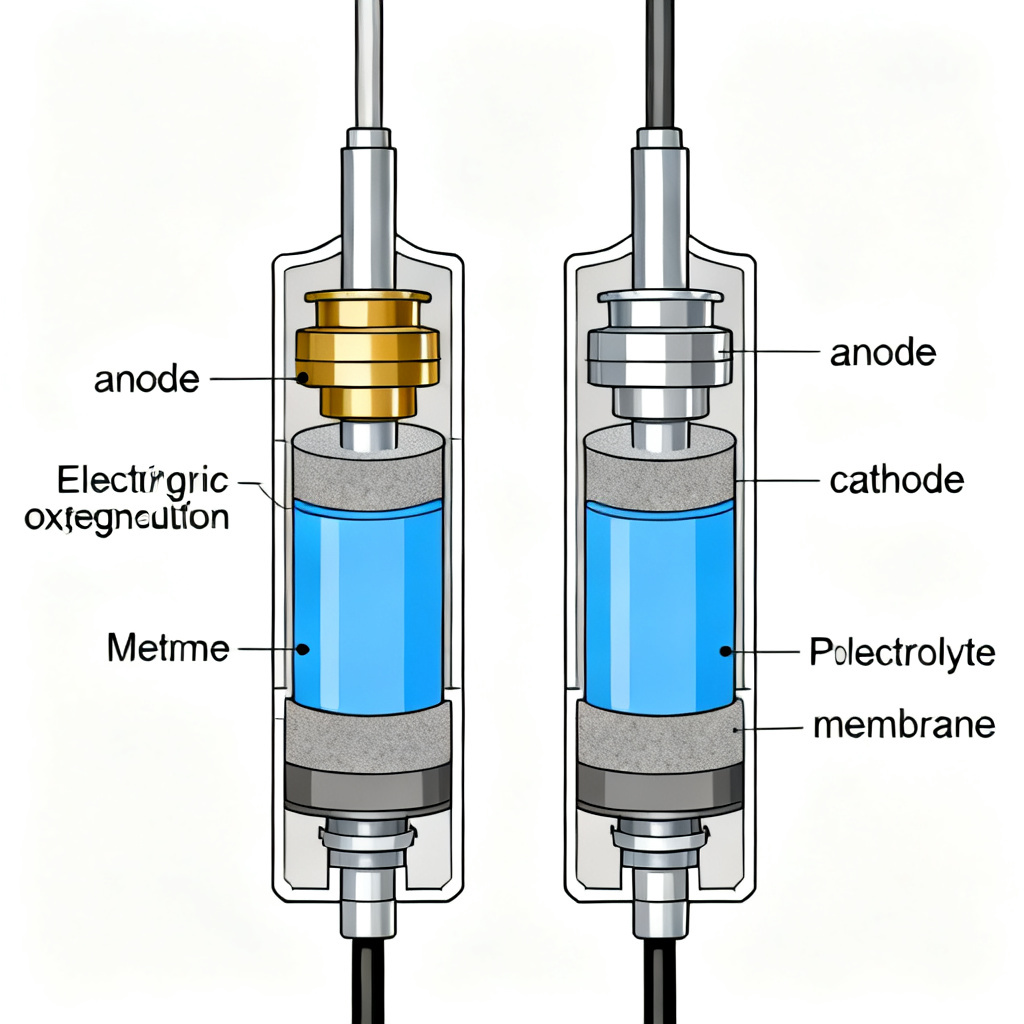
Both galvanic and polarographic sensors are amperometric devices. They generate a current proportional to the partial pressure of oxygen in the water. This current is converted into a DO concentration reading (mg/L or ppm) or percent saturation (%).
The Core Components:
- Cathode (Working Electrode): Typically made of gold or platinum. Oxygen molecules are reduced (gain electrons) here.
- Anode (Counter/Reference Electrode): Made of a reactive metal (e.g., lead, silver, zinc). The anode is oxidized (loses electrons).
- Electrolyte Solution: A conductive liquid (e.g., potassium chloride, KOH) that facilitates ion transfer between electrodes.
- Gas-Permeable Membrane: A thin film (usually PTFE or polyethylene) that selectively allows oxygen to diffuse into the sensor while blocking contaminants and water.
The Reaction: Oxygen diffuses through the membrane into the electrolyte layer. At the cathode, oxygen is reduced: O₂ + 2H₂O + 4e⁻ → 4OH⁻. This reduction consumes electrons, generating a current. The anode oxidizes to balance the charge: e.g., Pb → Pb²⁺ + 2e⁻. The resulting current is linear with oxygen concentration.
Critical Distinction: The Need for External Polarization This is the single most important operational difference between the two technologies.
- Polarographic Sensors: Require an external voltage (typically -0.6 to -0.8 V DC) to be applied across the electrodes. This voltage creates the necessary polarization for the reduction reaction to occur. The sensor will not function without this applied voltage.
- Galvanic Sensors: Do not require an external voltage. The two metals (anode and cathode) naturally have a sufficient potential difference (like a battery) to drive the oxygen reduction reaction spontaneously.
Section 2: Deep Dive – Polarographic DO Sensors
How They Work: A polarographic sensor (also called a Clark-type sensor) uses a noble metal cathode (platinum or gold) and a silver/silver chloride (Ag/AgCl) or silver anode. A fixed voltage is applied between them. This voltage is carefully chosen to ensure that only oxygen is reduced at the cathode, avoiding interference from other electroactive species.
Key Operational Characteristics:
- Warm-Up Time: Because the applied voltage must stabilize the electrochemical system, polarographic sensors require a warm-up period of 15 minutes to 2 hours before they produce stable, accurate readings. This can be a significant inconvenience for spot-checking or portable use.
- Stirring Dependency: Polarographic sensors consume oxygen during measurement. If water is stagnant, a “depletion zone” forms at the membrane surface, causing a falsely low reading. Therefore, a minimum flow rate (typically 0.3–0.5 m/s) past the membrane is required. In aquaculture tanks, this is often naturally achieved by aeration, but in quiescent zones, it can be problematic.
- Electrolyte and Membrane Maintenance: The electrolyte solution (usually KCl) and the membrane are consumables. The membrane must be replaced periodically (every 2–4 weeks under heavy use), and the electrolyte must be replenished. This is a manual, skill-dependent process.
- Calibration: Requires regular calibration, typically a two-point calibration (zero oxygen solution and air-saturated water). Calibration stability is moderate, with drift of 1-2% per week.
- Sensitivity: Excellent sensitivity at low DO levels (down to 0.1 mg/L), making them suitable for anaerobic or near-anoxic zones in RAS.
Advantages in Aquaculture:
- High Accuracy at Low DO: Ideal for critical low-oxygen alarms and research applications.
- Wide Measurement Range: Can accurately measure from 0 to 100% oxygen saturation.
- Proven Technology: Decades of use in laboratories and industrial processes.
Disadvantages in Aquaculture:
- Mandatory Warm-Up: Cannot be used for immediate readings after power-on.
- Flow Requirement: Inaccurate in stagnant water without active stirring.
- High Maintenance: Frequent membrane replacement and electrolyte refilling.
- Electrolyte Degradation: Over time, the electrolyte can become contaminated or depleted, requiring replacement.
- Toxic Anode (Silver): Silver is toxic to aquatic life if the sensor is damaged and leaks.
Section 3: Deep Dive – Galvanic DO Sensors
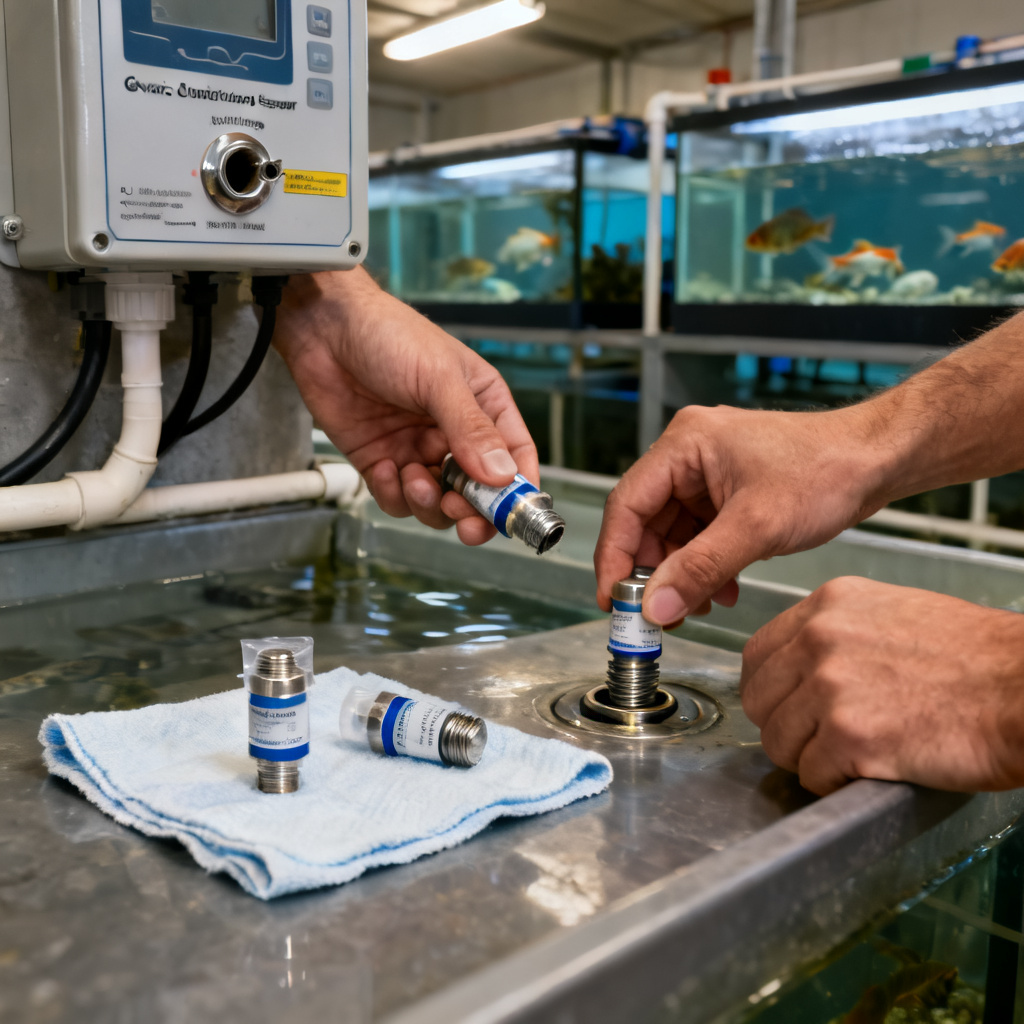
How They Work: A galvanic sensor operates like a self-powered battery. It uses a lead (Pb) anode and a gold (Au) or silver cathode immersed in a potassium hydroxide (KOH) or sodium hydroxide (NaOH) electrolyte. The natural potential difference between lead and gold is sufficient to drive the oxygen reduction reaction without any external voltage.
Key Operational Characteristics:
- Zero Warm-Up Time: The sensor is ready to measure immediately upon connection to a readout device. This is a game-changer for portable meters and rapid spot checks.
- Stirring Dependency: Like polarographic sensors, galvanic sensors also consume oxygen. They require water movement across the membrane for accurate readings. However, many modern galvanic sensors have a larger cathode area, which can slightly mitigate this effect, but flow is still recommended.
- Membrane and Electrolyte: The membrane is typically thicker and more robust than polarographic membranes. The electrolyte (KOH) is a strong base that absorbs CO₂ from the air, forming carbonates that reduce sensitivity. This leads to a finite lifespan for the sensor cartridge (typically 6–12 months).
- Calibration: Generally requires less frequent calibration than polarographic sensors (every 1–2 weeks). Calibration is simpler, often a single-point calibration in air-saturated water.
- Lifespan: The anode (lead) is consumed over time. The sensor is designed as a replaceable cartridge that is swapped out when the lead is depleted or the electrolyte is exhausted.
Advantages in Aquaculture:
- Instant Readiness: No warm-up time; power on and measure immediately.
- Lower Maintenance (in the short term): No need for frequent membrane replacement or electrolyte refilling. The entire cartridge is replaced.
- Less Skill-Dependent: Cartridge replacement is simpler than membrane stretching.
- Robust Construction: Typically more rugged, suitable for field and farm use.
- Cost-Effective (initial): Lower upfront cost for the sensor head.
Disadvantages in Aquaculture:
- Finite Cartridge Life: The sensor has a fixed lifespan (often 6–12 months), after which the entire cartridge must be replaced, which can be a recurring cost.
- CO₂ Interference: The KOH electrolyte absorbs CO₂, leading to drift and eventual failure. This is accelerated in high-CO₂ environments like RAS.
- Lead Toxicity: Lead is highly toxic. Disposal of spent cartridges must be managed carefully. A leaking sensor can contaminate the culture water.
- Lower Accuracy at Very Low DO: Compared to polarographic sensors, galvanic sensors can be less accurate below 0.5 mg/L.
- Temperature Sensitivity: Galvanic sensors have a higher temperature coefficient and require careful temperature compensation.
Section 4: Head-to-Head Comparison for Aquaculture Applications
| Feature | Polarographic Sensor | Galvanic Sensor |
|---|---|---|
| Warm-Up Time | 15 min – 2 hours | Zero (instant) |
| Power Requirement | Requires external voltage (0.6-0.8V) | Self-powered (no external voltage) |
| Maintenance | High (frequent membrane & electrolyte change) | Moderate (replace entire cartridge) |
| Lifespan | Indefinite (with membrane/electrolyte replacement) | Fixed (6-12 months per cartridge) |
| Accuracy at Low DO | Excellent (down to 0.1 mg/L) | Good (down to 0.5 mg/L) |
| Flow Requirement | Yes (0.3-0.5 m/s) | Yes (but slightly more tolerant) |
| Initial Cost | Higher (sensor + electronics) | Lower |
| Recurring Cost | Lower (membranes & electrolyte are cheap) | Higher (cartridge replacement) |
| Skill Required | High (membrane stretching) | Low (cartridge swap) |
| Toxicity Risk | Silver (toxic) | Lead (highly toxic) |
| Best For | Research, low-DO alarms, continuous monitoring | Spot checks, portable meters, general farm use |
Section 5: Practical Selection Guide for Aquaculture Professionals
Choose a Polarographic Sensor When:
- You need high-precision measurements below 1 mg/L (e.g., for salmon smolt or shrimp post-larvae).
- You are operating a research facility or a high-tech RAS where data accuracy is paramount.
- You have a trained technician on staff who can perform membrane replacements and calibrations.
- The sensor will be used in continuous, fixed installation with constant power and flow.
Choose a Galvanic Sensor When:
- You need instant readings for portable spot checks across multiple ponds or tanks.
- You are a small to medium farm with limited technical staff.
- You prioritize ease of use and low maintenance training.
- The sensor will be used in harsh, variable conditions (e.g., outdoor ponds, transport tanks).
- You are on a tight initial budget and can manage the recurring cartridge cost.
Section 6: Best Practices for Installation, Calibration, and Maintenance
For Both Technologies:
- Installation:
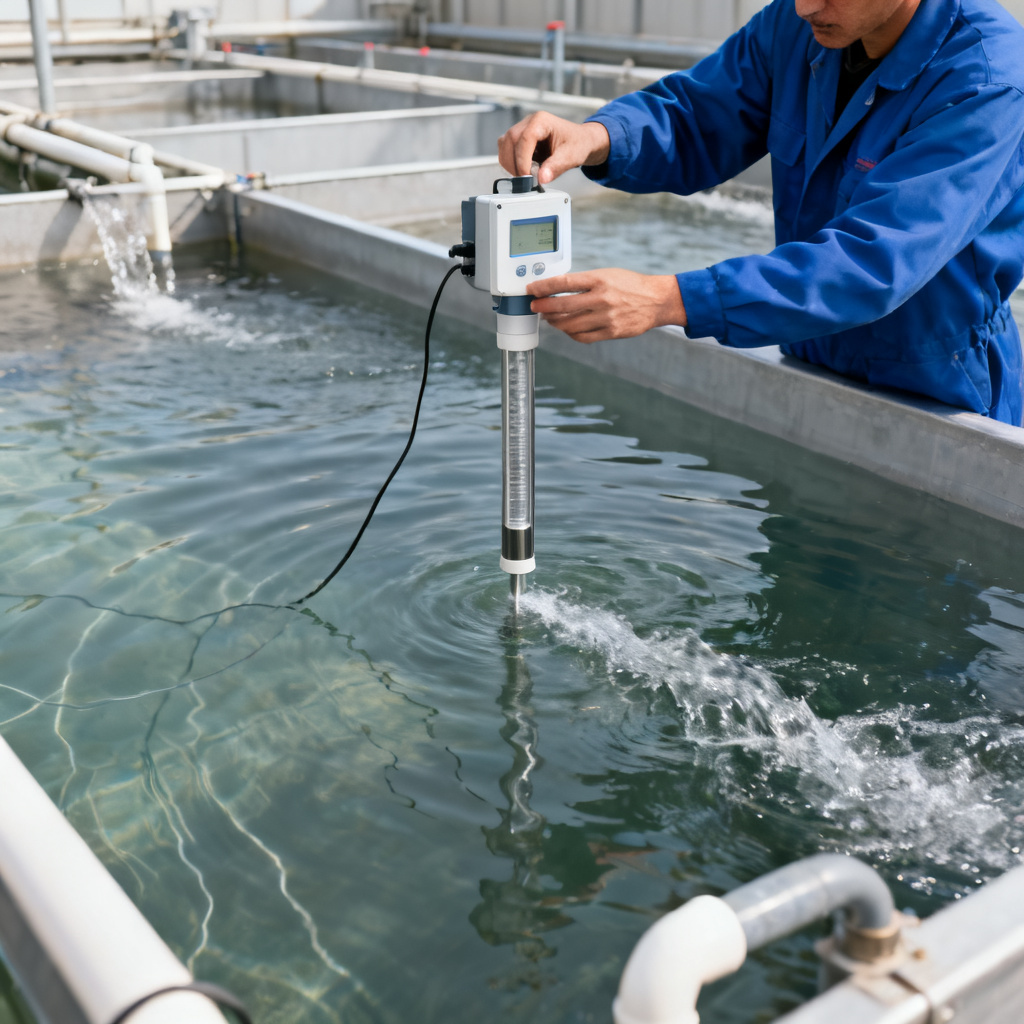
- Ensure the sensor is mounted vertically or at a 45° angle to prevent air bubble entrapment on the membrane.
- Position the sensor in a representative area of the tank or raceway, away from direct aeration diffusers (which can cause false high readings) and dead zones.
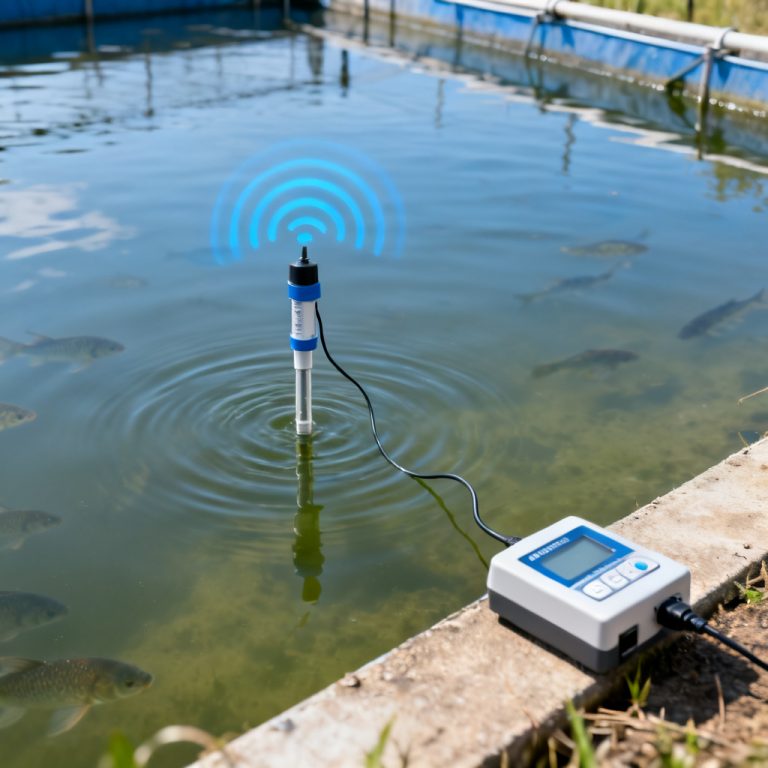
- For continuous monitoring, install a flow-through cell or ensure a minimum flow of 0.3 m/s across the membrane.
- Calibration:
- Zero Calibration: Use a sodium sulfite solution (Na₂SO₃) to remove all oxygen. This is crucial for low-DO applications.
- Span Calibration: Calibrate in water-saturated air (100% humidity) or air-saturated water. The most common method is to hold the sensor in moist air above the water surface for 2-3 minutes.
- Frequency: Calibrate polarographic sensors weekly; galvanic sensors bi-weekly. Increase frequency if readings drift or after membrane/cartridge replacement.
- Maintenance:
- Cleaning: Rinse the sensor with fresh water after each use. Gently wipe the membrane with a soft cloth. Avoid scratching.
- Membrane Inspection (Polarographic): Check for wrinkles, tears, or bubbles under the membrane. Replace immediately if damaged.
- Electrolyte Replacement (Polarographic): Follow manufacturer guidelines. Typically every 2-4 weeks.
- Cartridge Replacement (Galvanic): Replace according to the manufacturer’s lifespan (usually 6-12 months). Do not exceed the expiry date.
- Storage: Store sensors in a humid environment (e.g., a wet sponge in a plastic bag) to prevent the membrane from drying out. Never store in distilled water.
Section 7: Common Pitfalls and Troubleshooting
| Problem | Possible Cause | Solution |
|---|---|---|
| Slow response time | Clogged membrane (biofouling) | Clean the membrane. Use a copper-based anti-fouling guard. |
| Drifting readings | Electrolyte depletion (polarographic) or CO₂ absorption (galvanic) | Replace electrolyte (polarographic) or cartridge (galvanic). |
| Zero reading | Dead battery (polarographic: no voltage applied) | Check power supply. |
| Damaged cable or connector | Inspect and replace. | |
| Erratic readings | Air bubbles on membrane | Re-mount sensor to prevent bubble entrapment. |
| Electromagnetic interference | Shield the cable, move away from pumps/VFDs. | |
| Low reading in high DO | Stagnant water (depletion zone) | Increase flow past the sensor. |
| High reading in low DO | Membrane damage (leak) | Replace membrane (polarographic) or cartridge (galvanic). |
Conclusion: Making the Right Choice for Your Farm
Both galvanic and polarographic electrochemical DO sensors are reliable, proven tools for aquaculture. The choice is not about which is “better,” but which is better suited to your specific operation.
- For research-grade accuracy and continuous monitoring in a controlled RAS environment, invest in a polarographic sensor and commit to its maintenance schedule.
- For practical, day-to-day farm management where speed, simplicity, and portability are key, a galvanic sensor with replaceable cartridges is the superior choice.
Ultimately, the best sensor is the one that is properly installed, regularly calibrated, and diligently maintained. Whichever technology you choose, consistent monitoring of dissolved oxygen will protect your stock, optimize your feed efficiency, and maximize your profitability.
About the Author: This content is provided by a specialist in B2B PCB manufacturing and custom electronics for aquaculture monitoring systems. Our expertise includes designing and producing the circuit boards and sensor interfaces that power these critical water quality instruments. For inquiries about custom sensor integration or high-reliability PCBs for your DO monitoring equipment, please contact our engineering team.