Reliable Optical Dissolved Oxygen Sensor for Live Fish Transport & Logistics
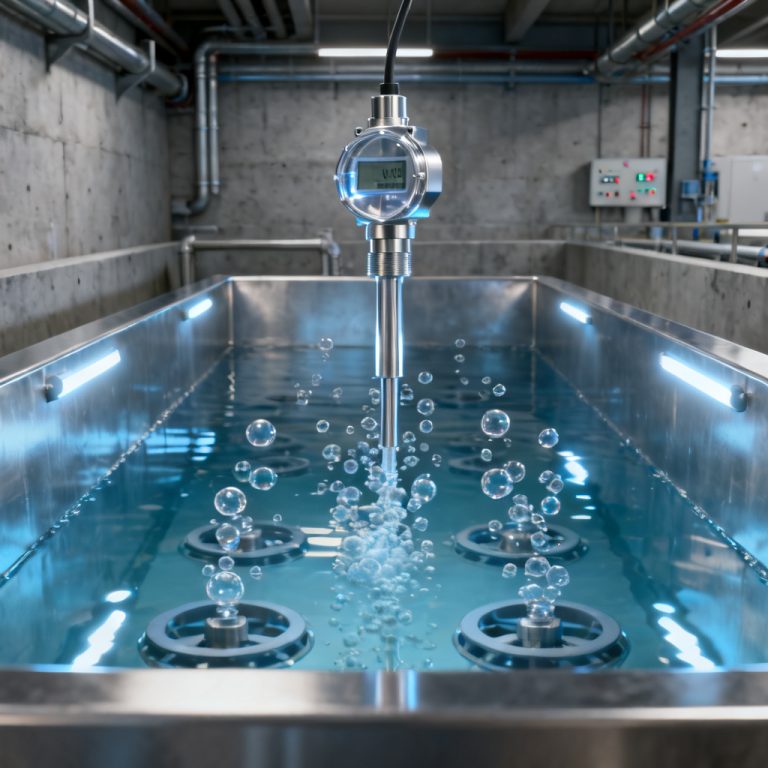
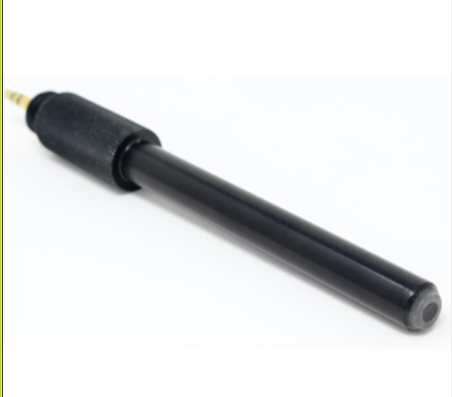
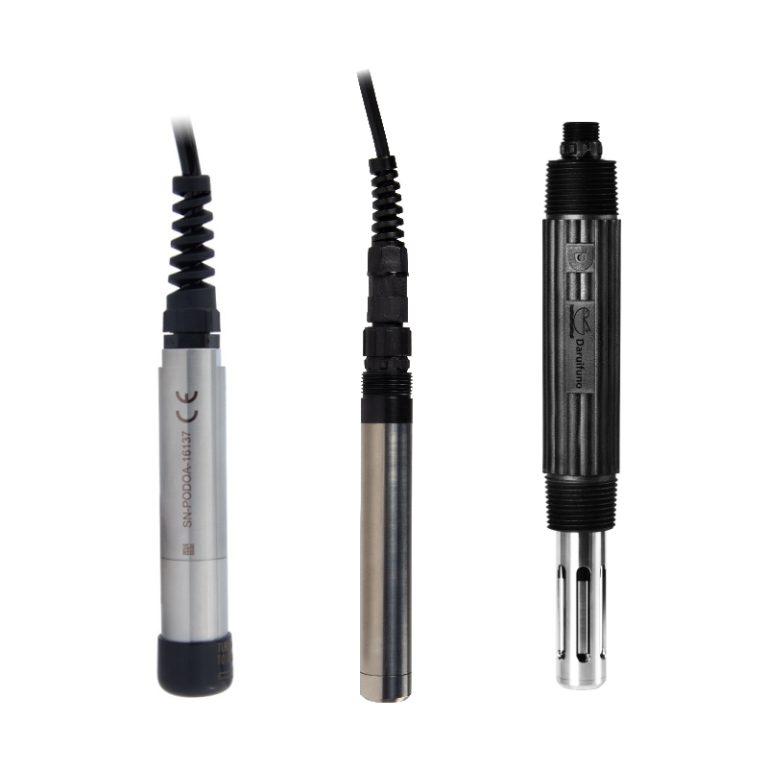
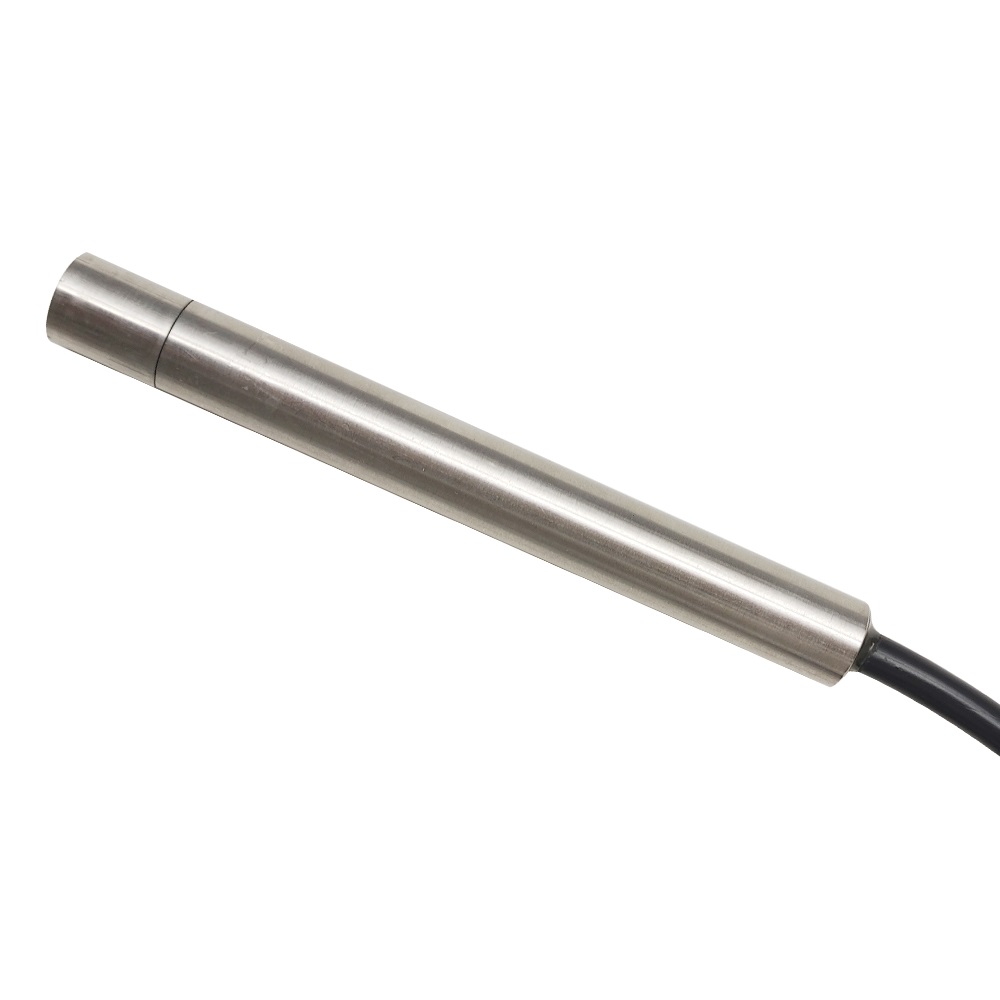
The optical dissolved oxygen sensor is a high-precision, industrial-grade solution engineered for the critical demands of live haulers, transporters, and seafood distribution hubs. Utilizing advanced Fluorescent dissolved oxygen sensor technology, it provides instantaneous, drift-free monitoring without the need for water flow, ensuring the survival of high-value aquatic livestock in truck tanks, holding bins, and retail displays. With its rs485 modbus integration, it is the ultimate smart sensor dissolved oxygen meter for real-time quality traceability.
Product Feature
RS485 modbus dissolved oxygen sensor reviews
Zero-Flow Dependency for Mobile Tanks
Unlike a traditional analog dissolved oxygen sensor, our luminescent dissolved oxygen sensor does not consume oxygen during measurement. This is critical for live haulers using stationary tanks or small bins where water movement is minimal, providing an accurate water dissolved oxygen sensor reading where others fail.
Ultra-Fast Response for High-Density Survival
In the “moving ponds” of logistics, oxygen levels can drop to lethal limits in seconds. Our smart sensor dissolved oxygen meter features a T90 response time of <60s (Section A), allowing transporters to react instantly to aeration failures and prevent mass mortality.
Maintenance-Free Optical Technology
This inline dissolved oxygen sensor eliminates the hassle of membranes and electrolytes. The dissolved oxygen sensor principle based on fluorescence quenching ensures long-term stability and resistance to “poisoning” in waste-heavy water, making it the most cost-effective optical dissolved oxygen sensor price-to-performance choice for busy distribution hubs.
Technical Specifications
Water dissolved oxygen sensor
| Parameter | Details |
|---|---|
| Measuring Range | 0-20 mg/L (0-200% Saturation) |
| Communication | ModBus-RTU RS485 / Analog output 4-20mA |
| Compensation | Automatic Temperature (PT-1000) & Manual Pressure |
| Power Requirements | DC 12V-30V |
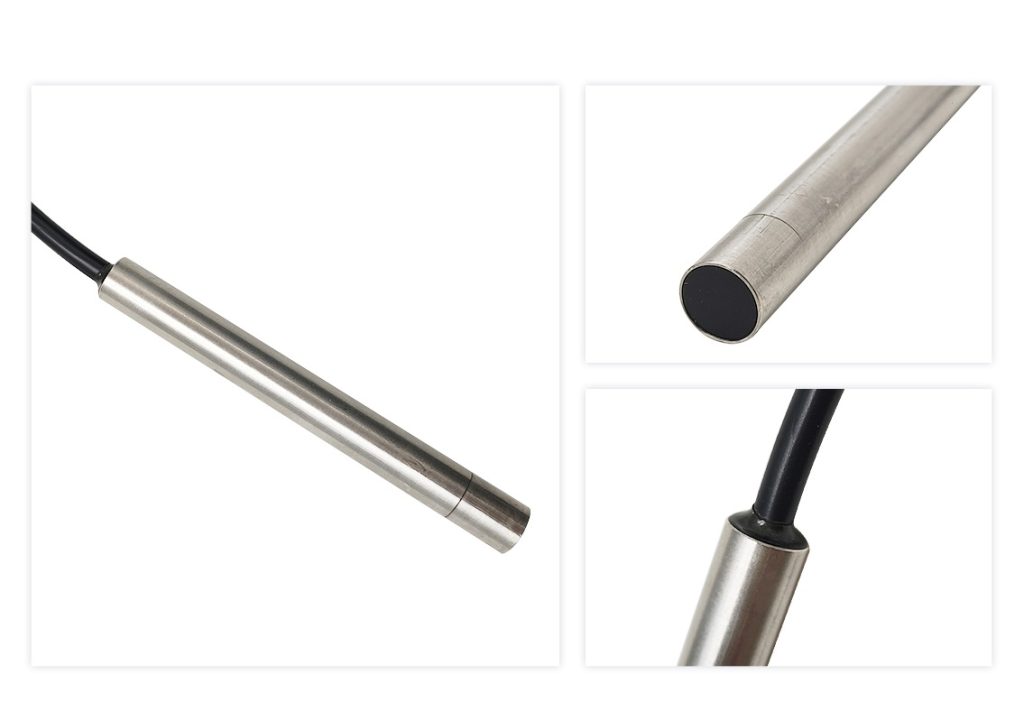
| Construction | IP68 Rated POM Body with Silicone/Teflon sensing part |
Industrial Applications
0-10 ppm dissolved oxygen sensor for Live Hauling
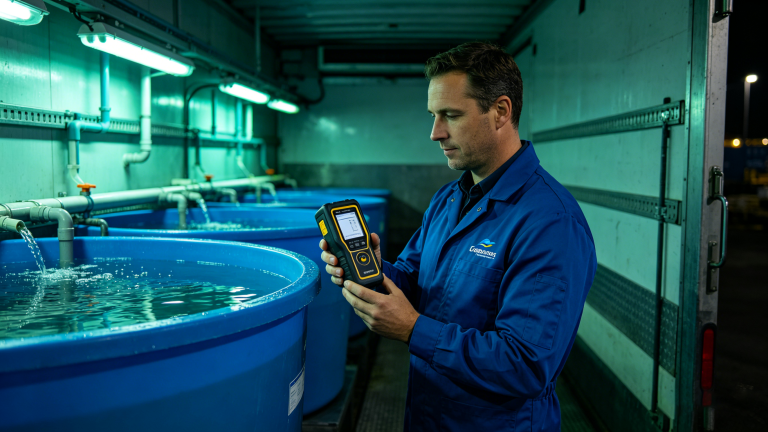
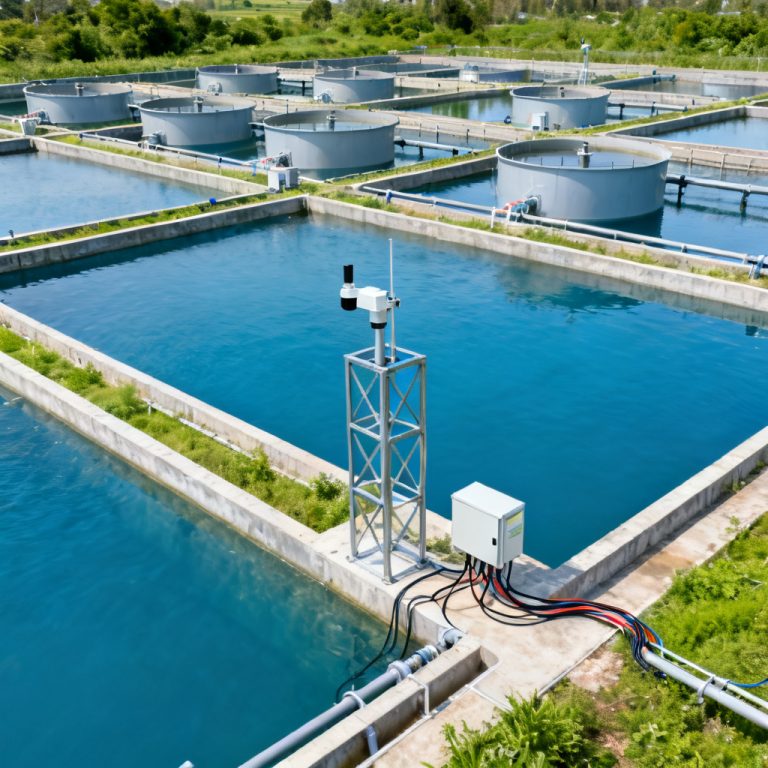
The vitality of high-value seafood such as abalone, lobster, and premium finfish depends entirely on the precision of the dissolved oxygen management system. Even marginal deviations in DO saturation can lead to “fish kills” or chronic stress, reducing the market value of the product significantly.
Restaurants Aquatic Temporary Rearing
In high-end restaurants, the temporary rearing DO sensor solution ensures that sensitive species like live coral trout or king crabs remain in peak physiological condition before being served. High stocking densities in display tanks can lead to rapid oxygen depletion, especially at night when light for photosynthesis is absent. The SensorMass Dissolved Oxygen Sensor triggers emergency aeration systems if levels drop below the species-specific threshold, preventing lethal hypoxia.
Commercial Aquatic Distributor Transportation
The Aquatic DO sensor transportation application case highlights the sensor’s role in the global cold chain. During long-haul transport, the maintenance of oxygen levels is critical to reducing mortality. The sensor’s ability to operate accurately in the high-vibration environment of a transport truck while providing real-time data logging ensures that distributors can prove the “quality of care” to their high-end clients.
Maintenance-Free Optical Technology
This inline dissolved oxygen sensor eliminates the hassle of membranes and electrolytes. The dissolved oxygen sensor principle based on fluorescence quenching ensures long-term stability and resistance to “poisoning” in waste-heavy water, making it the most cost-effective optical dissolved oxygen sensor price-to-performance choice for busy distribution hubs.
Distribution Hubs for Retail & Restaurants
Affordable and easy-to-integrate smart sensor dissolved oxygen meter for high-end lobster tanks and supermarket live displays. Online testing for import/export agencies to verify the health and environmental compliance of aquatic shipments.
FAQ
dissolved oxygen sensor how it works
What is the working principle of this dissolved oxygen sensor ?
The sensor uses fluorescence quenching. It pulses blue light at a sensing film; the rate at which the film returns red light is inversely proportional to the oxygen concentration. This is more stable than traditional chemical methods.
Is this sensor suitable for seawater used in lobster transport?
Absolutely. The enclosure is made of POM, making it a highly durable dissolved oxygen sensor for water in marine and saline environments.
Why does my optical DO sensor read 0.5–1.0 mg/L higher than a membrane electrode in a stationary transport tank
Deep Insight: This highlights the “Flow Dependency” flaw of electrochemical sensors. Membrane-type electrodes consume oxygen during measurement, creating a “depletion layer” in still water (like a retail bin or a transport tank during a stop). Optical sensors do not consume oxygen, providing the true concentration even in zero-flow conditions.
How accurate is NTC temperature compensation when water temperature drops from 20°C to 2°C in ‘Cold Chain’ transport?
Fluorescence quenching constants are non-linear at extreme temperatures. Most budget sensors use linear compensation which fails near freezing. Professional-grade sensors require a multi-point polynomial algorithm to maintain accuracy below 5°C.
Ready to Impletment in Your Application?
To get a customized quote, contact our sales team now!
Request a Quote
Get a customized solution for your application!