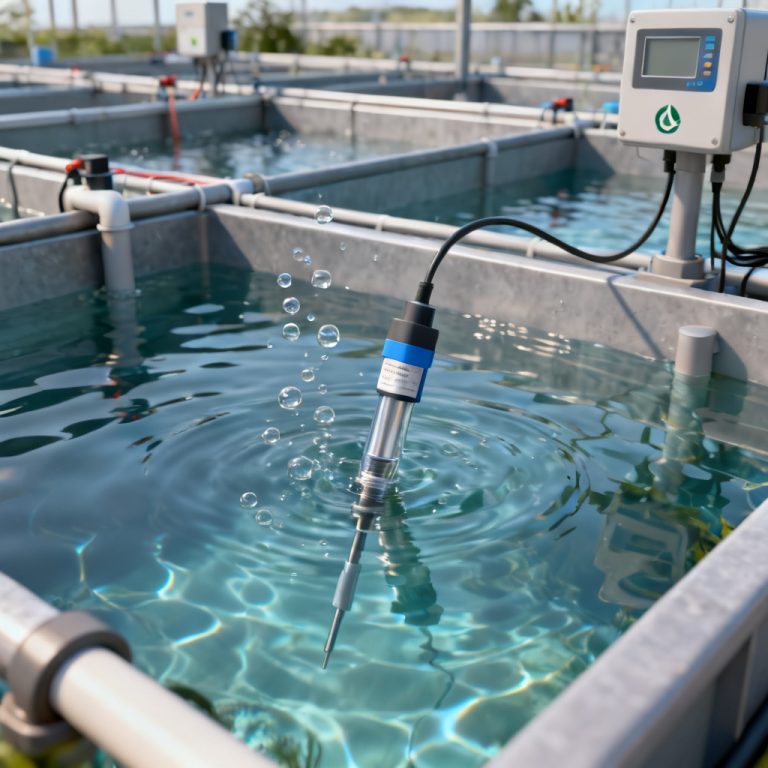
A Dissolved Oxygen Sensor 4-20mA for Aeration Control is the industry-standard tool for real-time monitoring and automation in wastewater treatment, aquaculture, and industrial process control. This comprehensive guide covers sensor fundamentals, selection criteria, installation best practices, and advanced aeration control strategies to optimize your system.
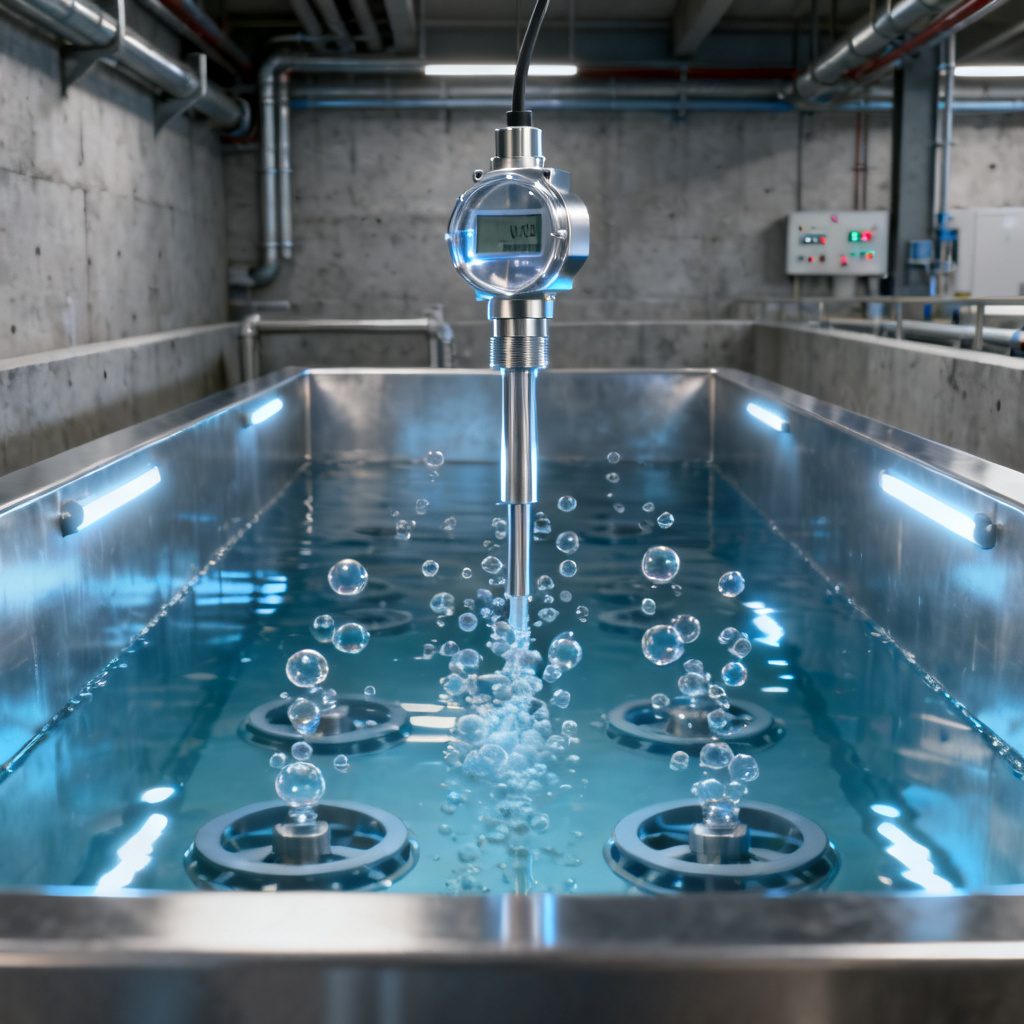
Types of Dissolved Oxygen Sensor 4-20mA: Optical vs. Electrochemical
Understanding the technology behind a Dissolved Oxygen Sensor 4-20mA is crucial for selecting the right solution for your aeration control system. Two primary types dominate the market: Optical and Electrochemical.
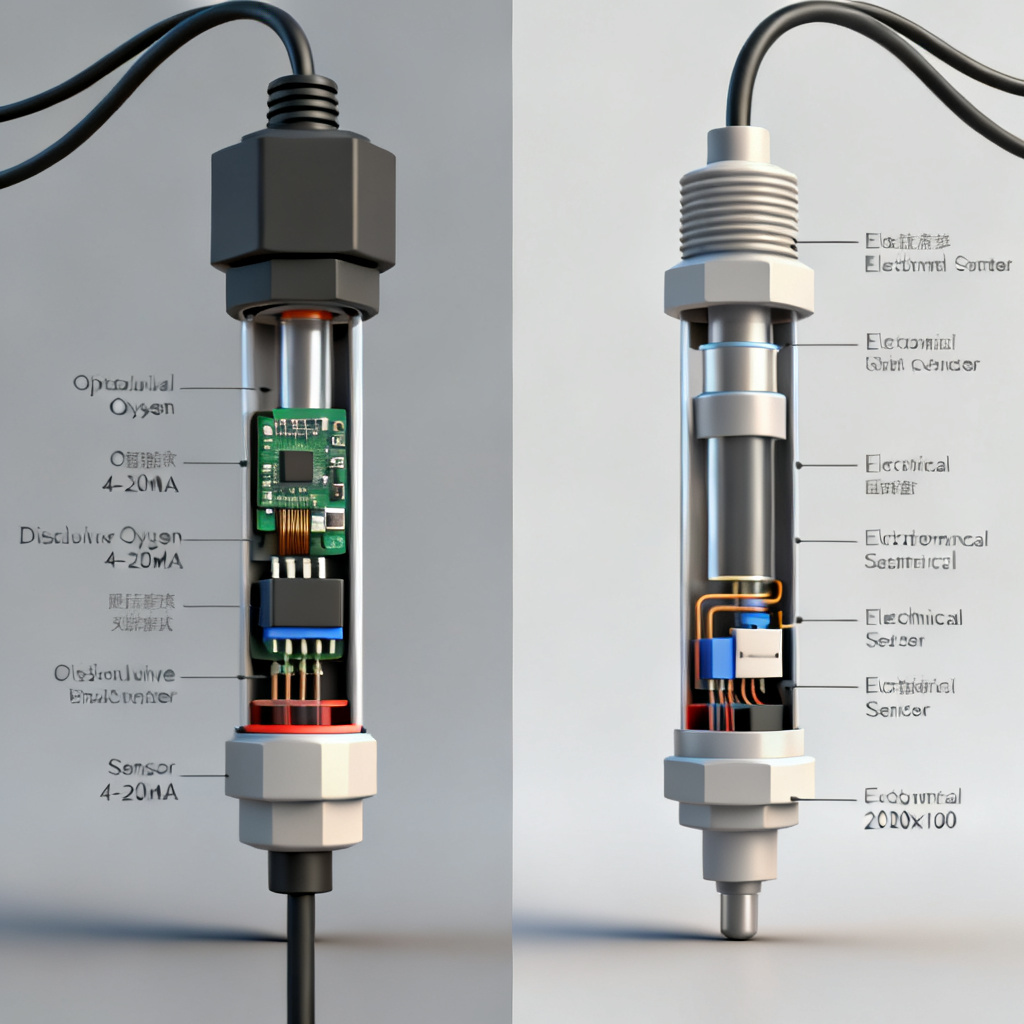
Optical (Luminescent) Dissolved Oxygen Sensor 4-20mA
An Optical Dissolved Oxygen Sensor 4-20mA uses a blue LED to excite a luminescent dye on the sensor cap. Oxygen molecules quench the luminescence, and the sensor measures the decay time or intensity of the emitted light. The decay time is inversely proportional to the DO concentration.
Advantages: No electrolyte consumption or membrane replacement. Minimal maintenance (clean every 1-3 months; replace cap every 1-2 years). No oxygen consumption during measurement (no stirring required). Stable readings even in low-flow or stagnant conditions. Faster response time (T90 < 30 seconds typical). Immune to H2S and other chemical interferences.
Disadvantages: Higher initial cost than electrochemical sensors. Cap must be replaced periodically (cost factor). Slight drift over time requiring recalibration.
Electrochemical (Galvanic or Polarographic) Dissolved Oxygen Sensor 4-20mA
An Electrochemical Dissolved Oxygen Sensor 4-20mA features a gold cathode and silver anode immersed in an electrolyte solution, separated from the sample by an oxygen-permeable membrane. Oxygen diffuses through the membrane and is reduced at the cathode, generating a current proportional to the DO concentration.
Advantages: Lower initial purchase price. Proven technology with decades of field data. Wide measurement range (0-40 mg/L typical).
Disadvantages: Requires regular membrane and electrolyte replacement (every 1-6 months). Consumes oxygen during measurement (requires flow > 0.3 m/s). Drift over time due to electrolyte depletion or membrane fouling. Sensitive to H2S, chlorine, and other interfering gases. Longer stabilization time after power-up.
Which to choose for aeration control? For most aeration systems, optical Dissolved Oxygen Sensor 4-20mA are now preferred due to lower lifecycle costs and reliability. However, electrochemical Dissolved Oxygen Sensor 4-20mA remain viable for budget-sensitive installations or where replacement caps are readily available.
Key Specifications
When sourcing a Dissolved Oxygen Sensor 4-20mA for aeration control, examine these critical parameters in the structured table below:
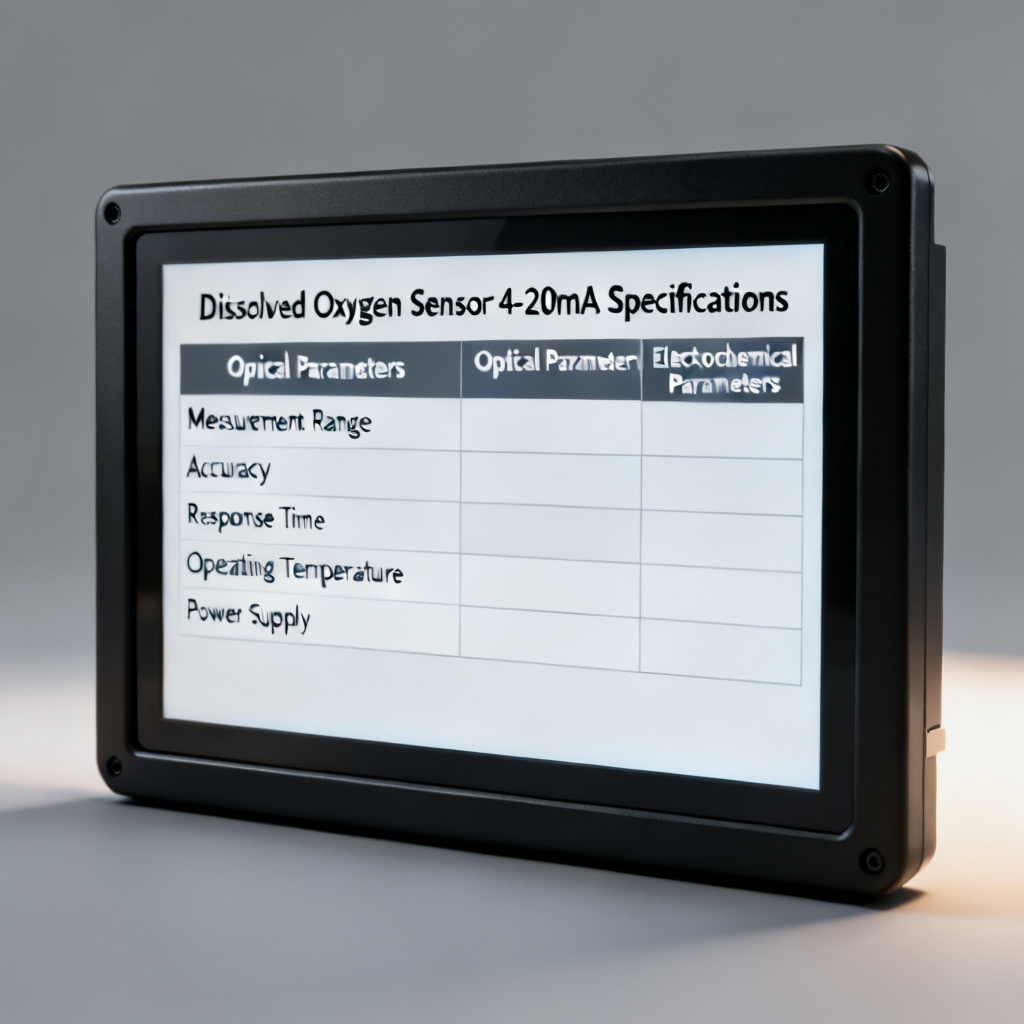
| Specification for Dissolved Oxygen Sensor 4-20mA | Optical Sensor | Electrochemical Sensor |
|---|---|---|
| Measurement range | 0-20 mg/L (typical) | 0-40 mg/L |
| Accuracy | ±0.1 mg/L or ±1% of reading | ±0.2 mg/L or ±2% |
| Response time (T90) | < 30 seconds | < 60 seconds |
| Operating temperature | 0-50°C | 0-45°C |
| Pressure rating | 0-6 bar | 0-4 bar |
| Calibration frequency | Every 3-6 months | Every 1-4 weeks |
| Maintenance interval | Cap replacement every 1-2 years | Membrane/electrolyte every 1-6 months |
| Output signal | 4-20mA (isolated or non-isolated) | 4-20mA (usually isolated) |
| Power supply | 12-24 VDC | 12-24 VDC |
Pro tip: Ensure the Dissolved Oxygen Sensor 4-20mA output is isolated to prevent ground loops, which can cause signal drift in industrial environments.
Installation Best Practices for DO Sensor 4-20mA
Proper installation of a Dissolved Oxygen Sensor 4-20mA is as important as sensor selection. Follow these guidelines to ensure accurate and stable readings:
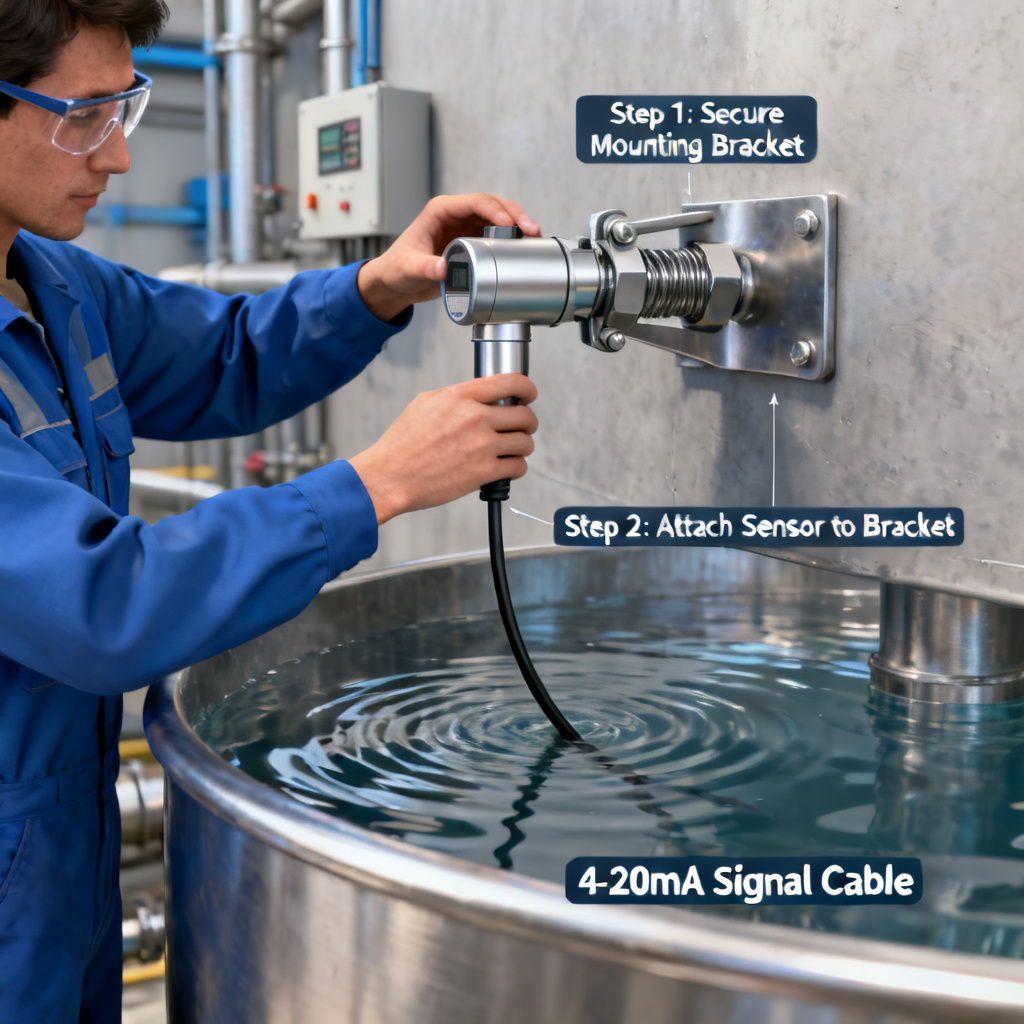
Sensor Positioning
Submersion depth should be 0.5-1 meter below the water surface, away from turbulent zones near aerators. For electrochemical Dissolved Oxygen Sensor 4-20mA, ensure minimum flow of 0.3 m/s past the membrane. Optical Dissolved Oxygen Sensor 4-20mA have no flow requirement but benefit from gentle circulation. Avoid air bubbles from diffusers by installing the sensor in a stilling well or at least 1 meter away from diffusers. Mount the sensor at a 15-45° angle to prevent air pocket formation at the tip.
Cable and Wiring for Optical Dissolved Oxygen Sensor 4-20mA
Use shielded twisted-pair cable (e.g., Belden 8760) for the 4-20mA loop. Ground the shield at the controller end only to avoid ground loops. Keep cable runs under 1000 meters; for longer distances, use a signal repeater. Avoid running sensor cables parallel to power cables (minimum 30 cm separation).
Transmitter and Controller Integration to 4-20mA Sensors
Connect the 4-20mA output to a PLC analog input module (e.g., 0-20mA or 4-20mA configured). Set the input range in the PLC to match the sensor’s measurement range (e.g., 4mA = 0 mg/L, 20mA = 20 mg/L). Implement a PID loop in the controller: setpoint = desired DO level (e.g., 2.0 mg/L), PV = sensor reading, output = blower speed or valve position. Add a low-pass filter (e.g., 1-5 second time constant) in the PLC to smooth noise from turbulent flow.
Environmental Considerations
Temperature compensation: Most modern Dissolved Oxygen Sensor 4-20mA include automatic temperature compensation (ATC). Verify it’s enabled. Pressure compensation: For deep tanks (>5 meters), use a Dissolved Oxygen Sensor 4-20mA with barometric or hydrostatic pressure compensation. Fouling prevention: In high-solids applications (e.g., activated sludge), use a self-cleaning Dissolved Oxygen Sensor 4-20mA or install an automatic cleaning system (air blast or mechanical wiper).
Calibration and Maintenance
Regular calibration of a Dissolved Oxygen Sensor 4-20mA ensures trustworthy data for aeration control.
Calibration Methods
Air calibration (most common): Clean the sensor tip and expose it to moist air (100% relative humidity). Wait for stable reading, then calibrate to 100% saturation (or local barometric pressure equivalent). For mg/L calibration, input the expected DO value at current temperature and pressure.
Wet calibration (zero point): Use a sodium sulfite solution (0% DO) to set the 4mA point. Alternatively, use nitrogen-purged water.
Two-point calibration: Calibrate zero point (0 mg/L) and span point (air-saturated water or a known standard).
Calibration frequency: Optical Dissolved Oxygen Sensor 4-20mA: Every 3-6 months or when drift exceeds ±0.2 mg/L. Electrochemical Dissolved Oxygen Sensor 4-20mA: Every 1-4 weeks or after membrane replacement.
Maintenance Checklist
Daily: Verify sensor reading against a portable DO meter (optional). Weekly: Visually inspect sensor tip for fouling or damage. Monthly: Clean the sensor with a soft cloth and mild detergent (avoid abrasives). Quarterly: Replace optical sensor cap if readings drift. Annually: Replace electrochemical membrane and electrolyte.
Integrating DO Sensor 4-20mA into Aeration Control Systems
The ultimate goal of a Dissolved Oxygen Sensor 4-20mA is to enable automatic aeration control. Here’s how to implement it:
Setpoint Control (On/Off or PID)
On/Off control: Simple but inefficient. Blower turns on when DO falls below setpoint, off when above. Causes cycling and wear. PID control: Proportional-Integral-Derivative algorithm continuously adjusts aeration rate. Most efficient for variable load conditions.
Cascade Control (Advanced)
Use multiple Dissolved Oxygen Sensor 4-20mA at different points in a basin (e.g., inlet, middle, outlet). Average readings or use the lowest value as input to the PID controller. Prevents over-aeration at one end while starving the other.
Energy Optimization
Set DO setpoint at the minimum required for biological activity (e.g., 1.5-2.0 mg/L for activated sludge). Use the 4-20mA signal to control VFD-driven blowers, modulating speed to match oxygen demand. Typical energy savings: 30-50% compared to fixed-speed aeration.
Real-world example: A municipal wastewater plant reduced aeration energy from 600 kWh/day to 320 kWh/day (47% savings) by replacing manual aeration with a PID-controlled system using an optical Dissolved Oxygen Sensor 4-20mA. The sensor cost was recouped in under 6 months.
Troubleshooting Common Issues with Dissolved Oxygen Sensor 4-20mA
Even the best Dissolved Oxygen Sensor 4-20mA can encounter problems. Here’s a diagnostic guide:
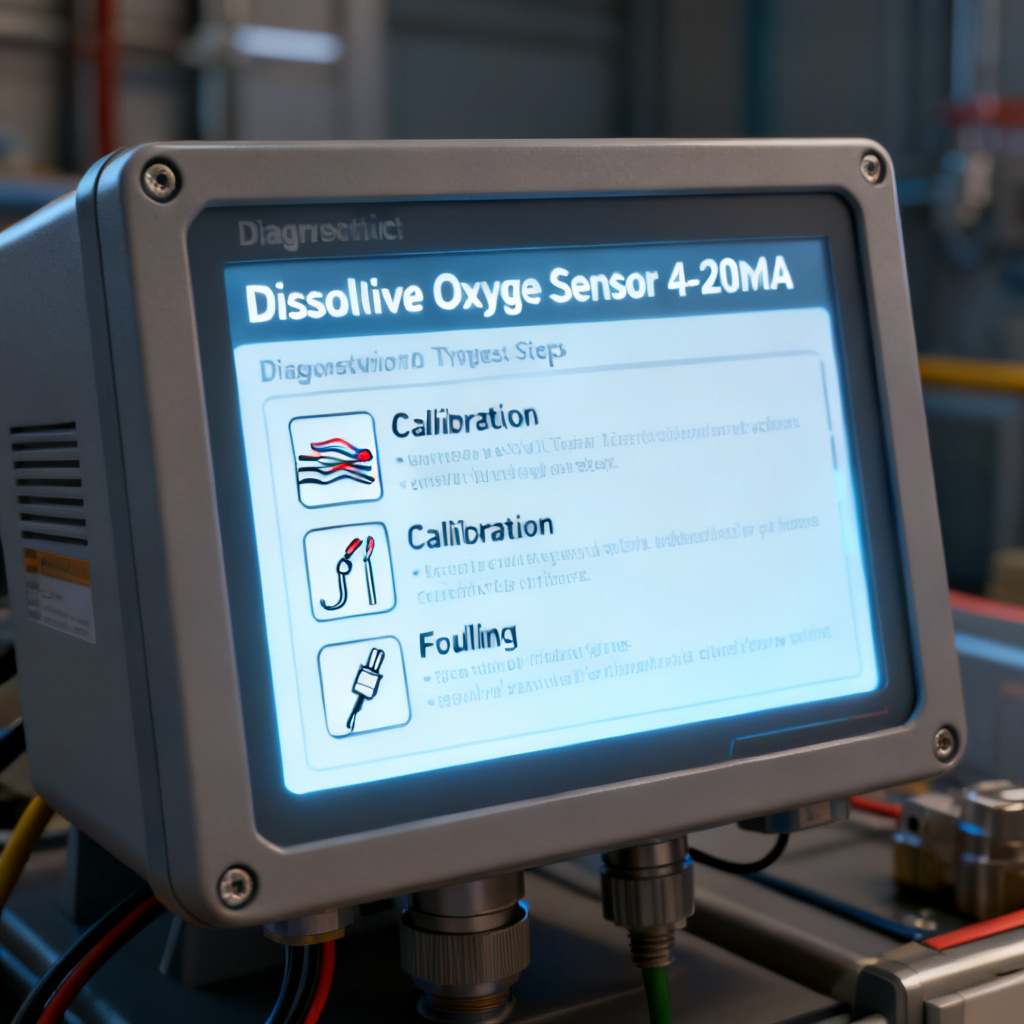
| Symptom | Likely Cause | Solution |
|---|---|---|
| Reading stuck at 4mA | Broken wire, sensor failure, or zero DO | Check wiring; test with known DO sample |
| Reading stuck at 20mA | Short circuit, sensor failure, or over-range | Check wiring; replace sensor if needed |
| Erratic readings | Air bubbles, fouling, or EMI | Clean sensor; reposition away from diffusers; check shielding |
| Drift over time | Fouling, cap aging, or electrolyte depletion | Clean sensor; replace cap or membrane |
| Slow response | Fouling, membrane clogging, or cap aging | Clean or replace sensor tip |
| 4-20mA signal not matching PLC | Incorrect input configuration or ground loop | Verify PLC input range; check isolation |
FAQ about Dissolved Oxygen Sensor 4-20mA
Can I use a Dissolved Oxygen Sensor 4-20mA with a 0-10V input PLC?
Yes, but you’ll need a 250-ohm resistor across the input. 4-20mA through 250 ohms = 1-5V. Configure the PLC accordingly.
How long does a Dissolved Oxygen Sensor 4-20mA last?
Optical Dissolved Oxygen Sensor 4-20mA: 2-5 years (cap replacement every 1-2 years). Electrochemical Dissolved Oxygen Sensor 4-20mA: 1-3 years (membrane/electrolyte replacement every 1-6 months).
What is the typical accuracy of a Dissolved Oxygen Sensor 4-20mA?
±0.1 mg/L for optical Dissolved Oxygen Sensor 4-20mA; ±0.2 mg/L for electrochemical Dissolved Oxygen Sensor 4-20mA under ideal conditions.
Do I need a flow cell for aeration control with a Dissolved Oxygen Sensor 4-20mA?
Not typically. Direct submersion in the aeration basin is standard. Flow cells are used in pipelines or low-flow applications.
Can I calibrate a Dissolved Oxygen Sensor 4-20mA without removing it from the tank?
Yes, for air calibration. Clean the sensor, then expose it to air for 2-5 minutes. For zero calibration, you’ll need a sample.
Conclusion: Making the Right Choice for Your Aeration System
A Dissolved Oxygen Sensor 4-20mA is the cornerstone of efficient aeration control. Whether you choose an optical or electrochemical Dissolved Oxygen Sensor 4-20mA, prioritize these factors: Reliability: Optical Dissolved Oxygen Sensor 4-20mA offer lower maintenance and longer life. Compatibility: Ensure the 4-20mA output matches your PLC/controller. Installation: Position the Dissolved Oxygen Sensor 4-20mA correctly and use shielded wiring. Calibration: Implement a regular schedule to maintain accuracy. By integrating a high-quality Dissolved Oxygen Sensor 4-20mA into your aeration system, you can reduce energy costs by up to 50%, improve process stability, and meet environmental compliance with confidence.
Ready to optimize your aeration control? Contact our team of experts to discuss your specific application. We offer a range of Dissolved Oxygen Sensor 4-20mA, including optical and electrochemical models, with custom calibration and mounting solutions for your facility.
2026 Industry Glossary & Market References
To assist international project engineers and bidders evaluating the dissolved oxygen sensors market, SensorMass maintains compliance with global industrial definitions:
- Luminescence Quenching (Fluorescence Quenching): The advanced optical principle behind modern DO sensors, utilizing phase shift detection of emitted light to measure oxygen concentration without electrolyte or oxygen consumption.
- Gas-Permeable Membrane: The specialized consumable barrier (often PTFE or silicone) utilized in galvanic and polarographic cells that regulates oxygen reduction reactions, requiring frequent manual calibration.
- Total Cost of Ownership (TCO) in Aeration: A holistic procurement framework evaluating initial capital expenditure (CapEx) against long-term operational costs (OpEx), including replacement caps, technician hours, and energy savings derived from automatic PID blower modulation.