Long-term optical DO sensor drift testing and maintenance protocols for automated smart aquaculture shrimp farming
|

Optical DO Sensor Drift

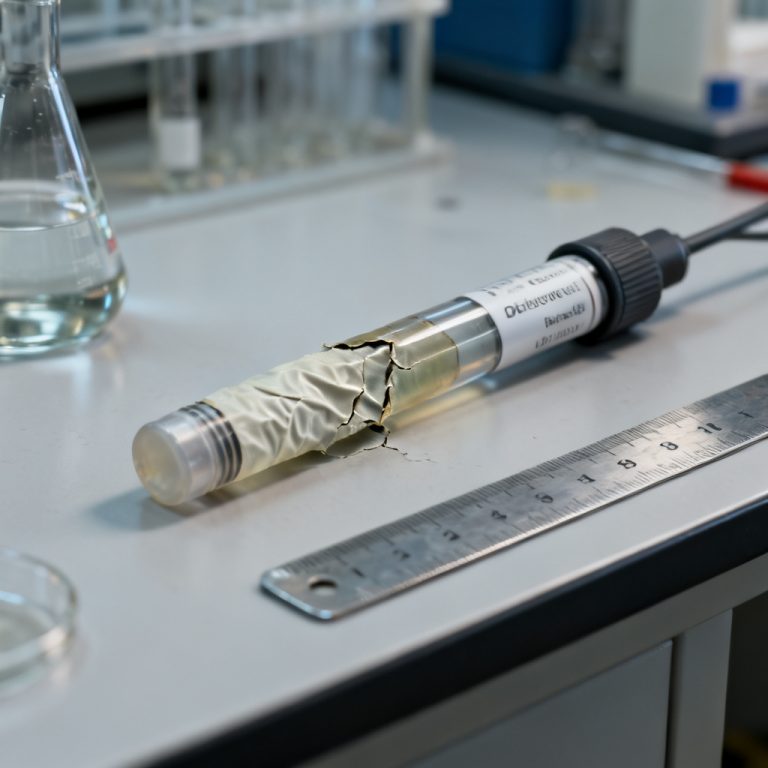
Optical DO Sensor Drift What to Expect Over 1 Year Optical dissolved oxygen sensors offer superior stability for long-term water quality monitoring, but gradual optical DO sensor drift over 12 months is inevitable due to photo-bleaching and biofouling. Understanding this drift profile is essential for maintaining accurate data in B2B applications like wastewater treatment, aquaculture,…

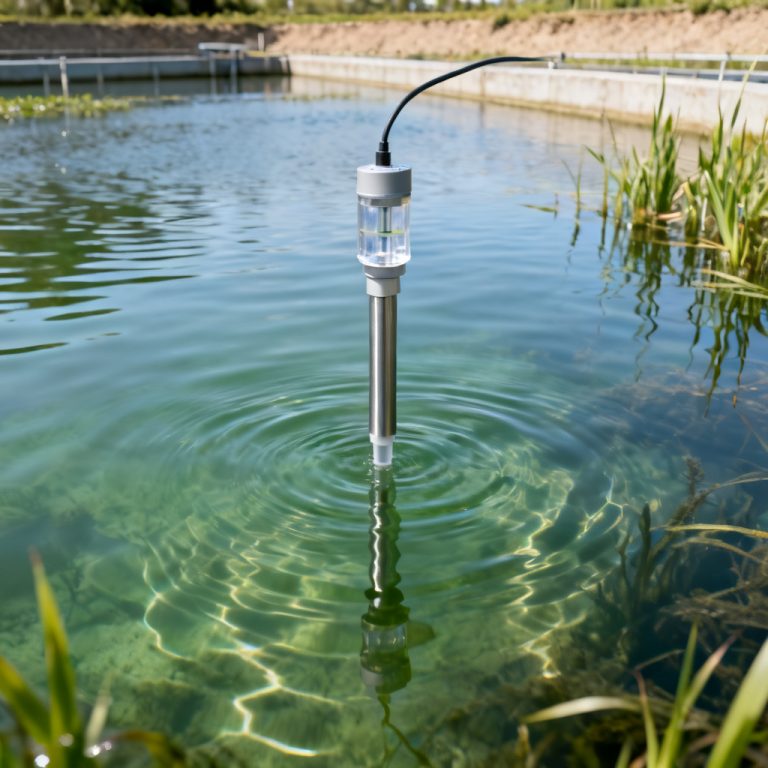
aquaculture DO sensor installation showing correct probe placement
|

Accuracy IoT DO Monitoring System for Shrimp Farming

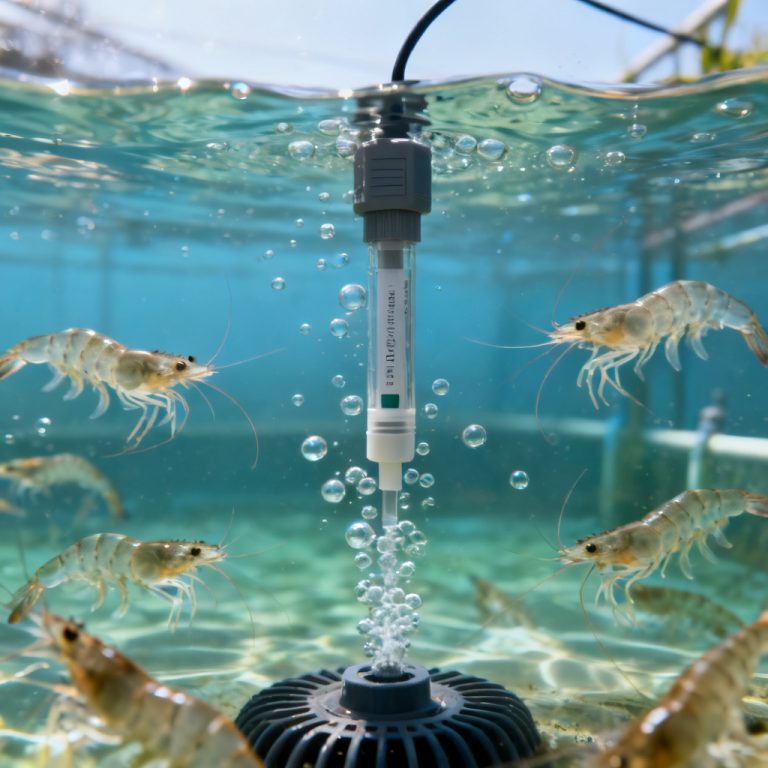
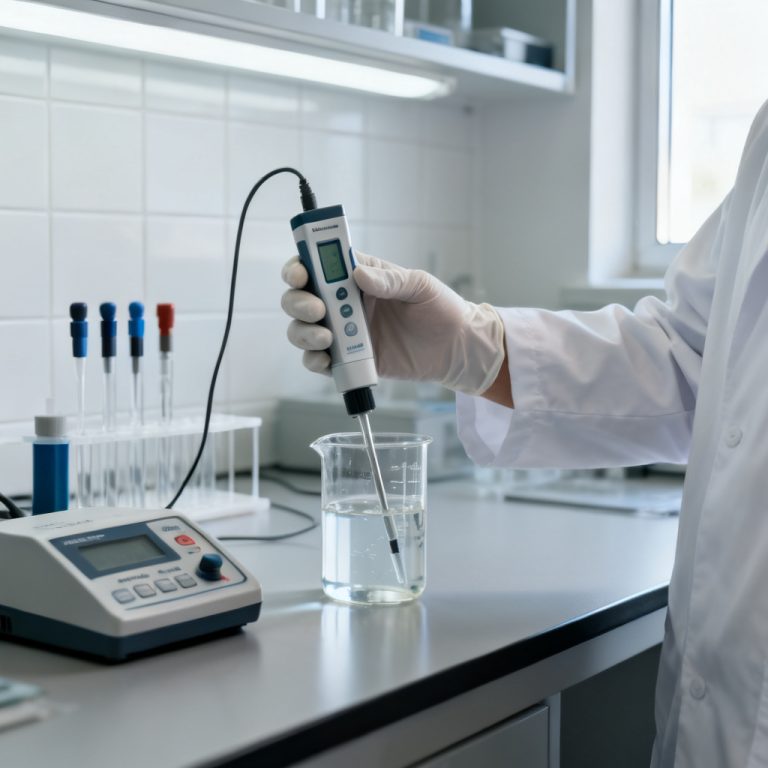
IoT Dissolved Oxygen Monitoring System for Shrimp Farming: 97% Accuracy Case Study This case study examines how an Accuracy IoT DO Monitoring System for Shrimp Farming achieved 97% accuracy in a commercial shrimp farm, transforming survival rates and operational efficiency. Discover the technology, implementation, and measurable ROI for precision aquaculture. In the high-stakes world of…

Optical DO sensor probe detailing the luminescent cap technology that requires no membrane or electrolyte for low-maintenance water testing
|

Why Optical DO Sensors Have No Membrane or Electrolyte

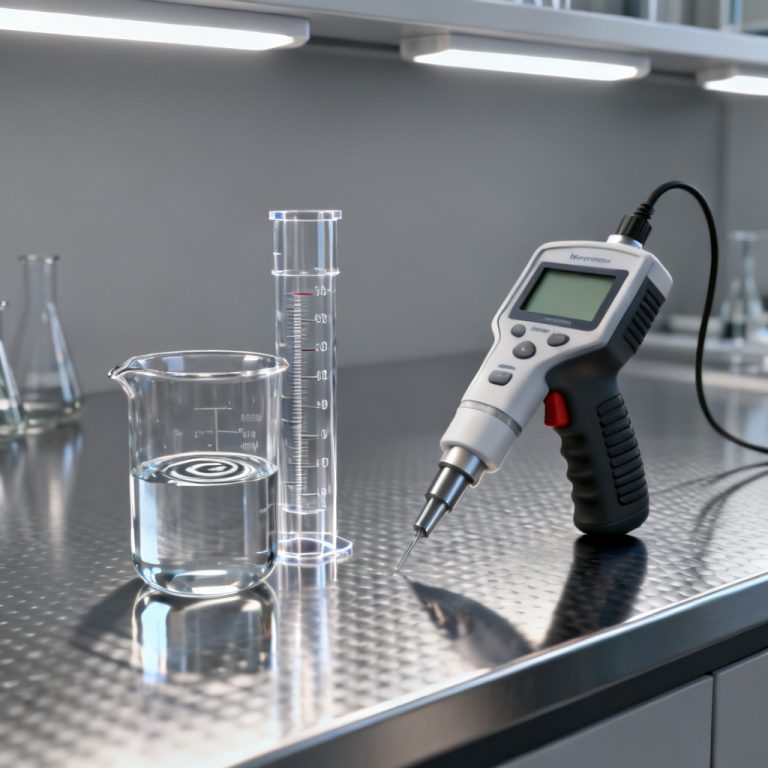
Why Optical DO Sensors Have No Membrane or Electrolyte? Optical DO sensors have no membrane or electrolyte because they operate on fluorescence quenching, a solid-state optical principle that eliminates the need for consumable electrochemical components. This fundamental design shift delivers higher stability, lower maintenance, and superior accuracy in demanding B2B environments such as wastewater treatment,…

aquaculture DO sensor installation showing correct probe placement
|

Top 10 DO Sensor Installation Mistakes and How to Avoid Them

  Knowing Top 10 DO Sensor Installation Mistakes and How to Avoid Them are important to avoid inaccurate water quality data in industries from wastewater treatment to aquaculture. Even advanced sensors fail without proper setup. This pillar content synthesizes expertise from YSI, Hach, and Emerson to reveal the top 10 DO sensor installation errors and…

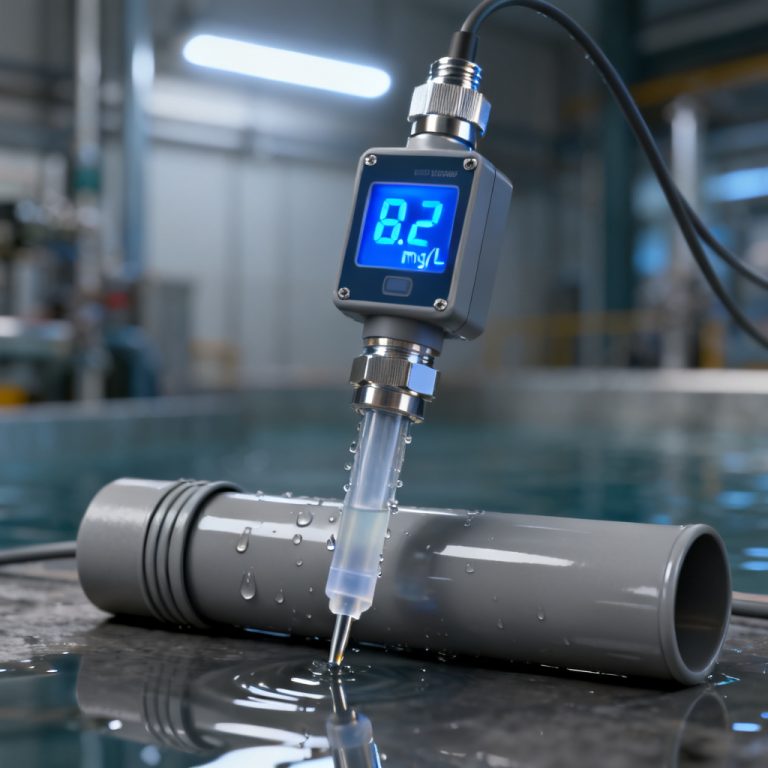
Optical dissolved oxygen sensor with waterproof PCB design installed in a recirculating aquaculture system biofilter for real-time water quality monitoring
|

Machine Learning vs Deep Learning for DO Prediction

  Machine Learning vs. Deep Learning for DO Prediction: Which Model Wins? When comparing machine learning vs deep learning for DO prediction, the ultimate goal is to build a smarter dissolved oxygen sensor system that can anticipate water quality changes before they happen. Dissolved Oxygen (DO) prediction is critical for water quality management, and the…

Polarographic Dissolved Oxygen Sensor
|

Polarographic Dissolved Oxygen Sensor Working Principle

The Polarographic Dissolved Oxygen Sensor Working Principle is based on the electrochemical reduction of oxygen at a noble metal cathode, a method first developed by Dr. Leland C. Clark in 1956. This technology remains the gold standard for accurate dissolved oxygen measurement in wastewater treatment, aquaculture, and bioprocessing. 1. Electrochemical Foundation of Polarographic Dissolved Oxygen…

Amperometric Dissolved Oxygen Sensor Explained
|

Amperometric Dissolved Oxygen Sensor Explained

An amperometric dissolved oxygen sensor is an electrochemical device that measures oxygen concentration in water by generating a current proportional to the oxygen reduction reaction. This post provides a comprehensive explanation of how amperometric DO sensors work, their components, applications, advantages, limitations, calibration, maintenance, and comparison with other sensor types. By reading this post: Amperometric…

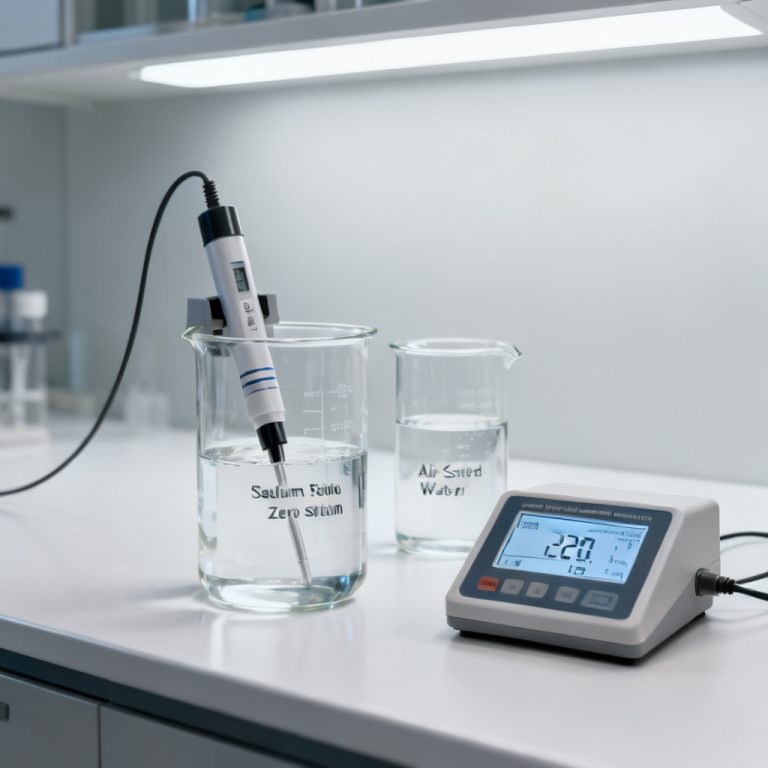
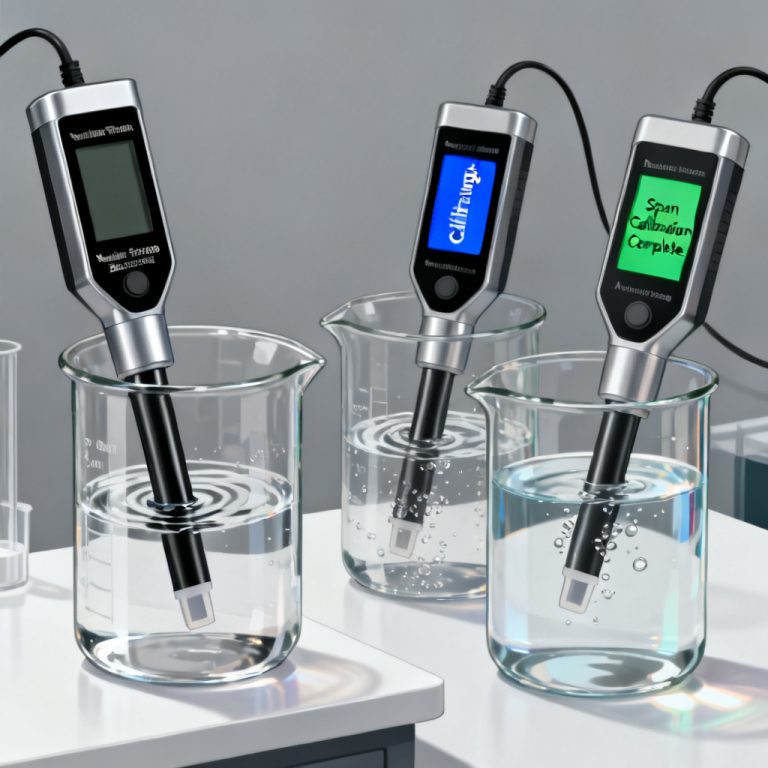
Electrochemical DO sensor calibration setup showing dissolved oxygen probe with calibration equipment and two-point calibration protocol preparation
|

How Often to Calibrate an Electrochemical DO Sensor

How Often to Calibrate an Electrochemical DO Sensor? Understanding the correct electrochemical DO sensor calibration frequency is essential for accurate dissolved oxygen measurement in aquaculture, wastewater treatment, and industrial processes. This pillar content synthesizes expert recommendations from YSI, Hach, and Atlas Scientific to provide a definitive calibration schedule. Factors Affecting Electrochemical DO Sensor Calibration Frequency…

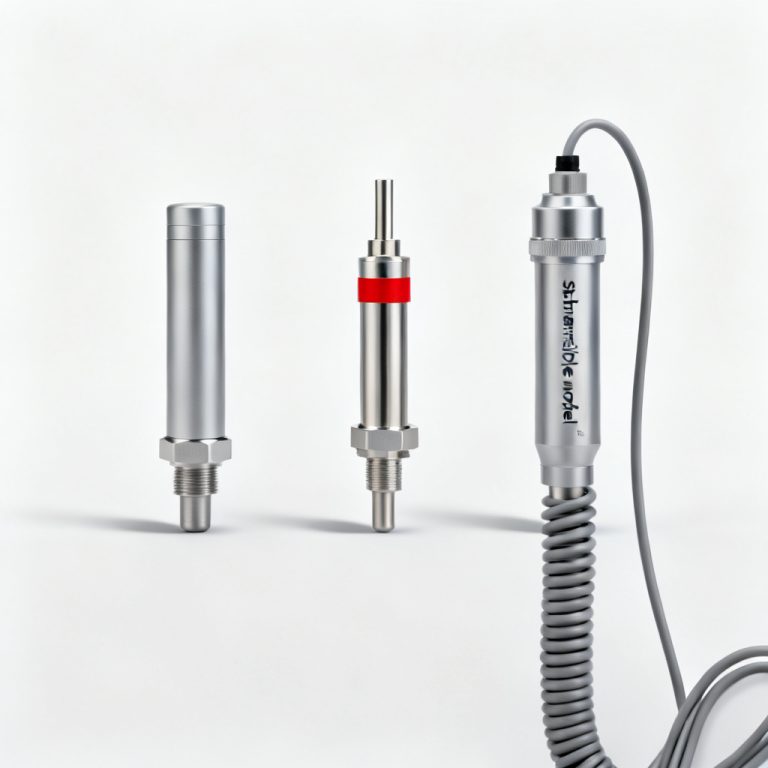
Galvanic DO sensor product family showing self-powered dissolved oxygen sensor probes with no external voltage requirement for wastewater and aquaculture applications
|

Galvanic DO Sensor Self Powered No External Voltage

style code after header 20260423 nosynced Welcome to the definitive guide on the Galvanic DO Sensor Self-Powered No External Voltage. This technology simplifies dissolved oxygen measurement by generating its own electrical signal without requiring any external power. Ideal for remote monitoring, wastewater treatment, and aquaculture, the self-powered galvanic dissolved oxygen sensor offers instant readings and…

Electrochemical DO sensor membrane replacement showing step-by-step process for replacing worn membrane on dissolved oxygen sensor probe
|

Signs Your Electrochemical DO Sensor Needs a New Membrane

style code after header 20260423 nosynced Recognizing the early signs your electrochemical DO sensor needs a new membrane is critical for maintaining accurate dissolved oxygen readings. In B2B operations—from wastewater treatment to pharmaceutical fermentation—a failing membrane leads to costly process upsets and compliance risks. This guide consolidates expert insights from YSI, Hach, and Mettler Toledo…

Electrochemical DO Sensor Calibration Process showing membrane replacement and electrolyte refill steps for dissolved oxygen sensor maintenance
|

Electrochemical DO Sensor Hidden Costs Membranes Electrolyte Calibration

Electrochemical DO sensor hidden costs significantly impact total ownership, often surpassing the initial purchase price. These expenses stem from three critical components: membranes, electrolyte solutions, and calibration procedures. Understanding these hidden costs is vital for optimizing operational budgets, extending sensor lifespan, and ensuring consistent data quality in water quality monitoring, aquaculture, wastewater treatment, and environmental…

Electrolyte Solution for DO Sensors When to Refill
|

Electrolyte Solution for DO Sensors When to Refill

Understanding the electrolyte solution for DO sensors is critical for accurate dissolved oxygen measurement. This guide explains the science, signs of depletion, refill timing, and step-by-step maintenance to ensure your dissolved oxygen sensor delivers reliable performance in aquaculture, wastewater, and industrial applications. How Electrolyte Solution for DO Sensors Works The Electrochemical Principle In polarographic and…