Galvanic vs Polarographic Which Lasts Longer
|

Galvanic vs Polarographic Which Lasts Longer

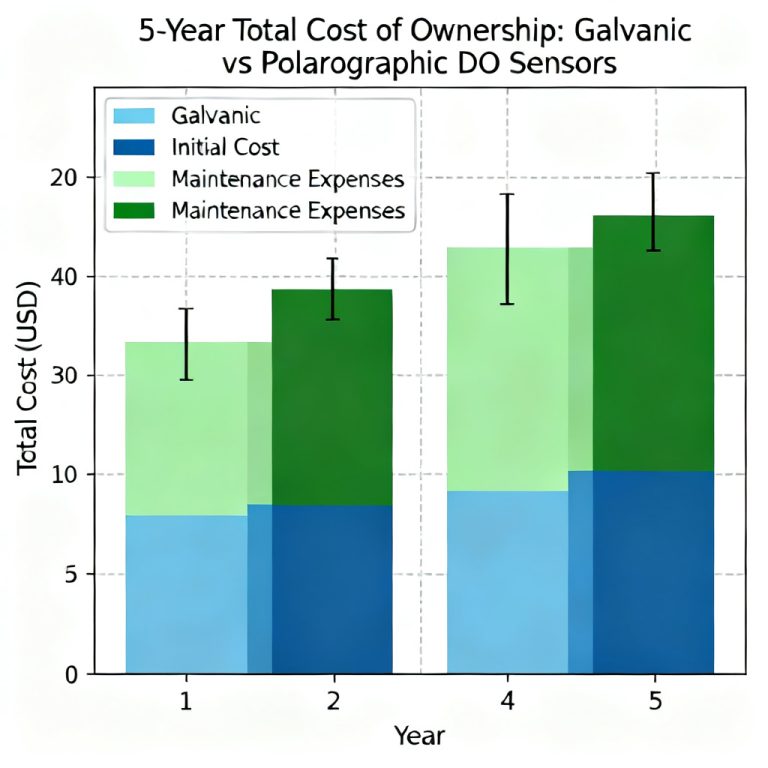
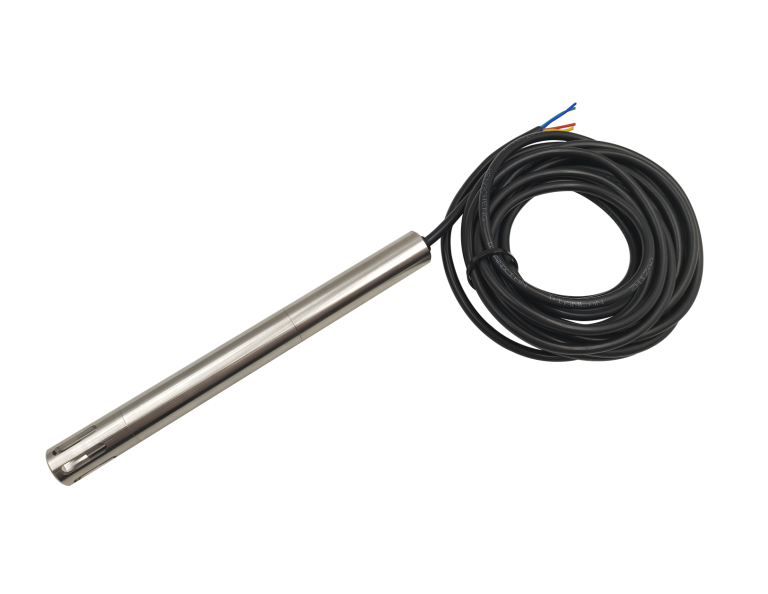
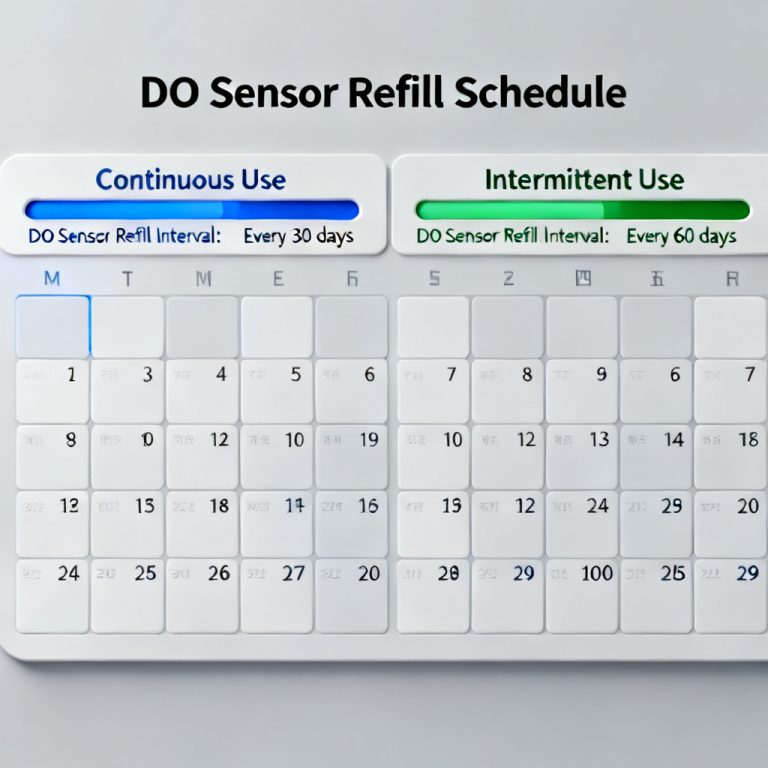
Understanding the Galvanic vs Polarographic DO sensor lifespan is critical for industrial buyers seeking reliable dissolved oxygen monitoring. This comprehensive guide compares both technologies to help you choose the right sensor for your application. 1. Galvanic vs Polarographic DO Sensor: Foundational Principles The Galvanic vs Polarographic DO sensor debate begins with their electrochemical designs. Both…

Aquaculture Water Quality Sensors

Aquaculture Monitoring System Aquaculture Water Quality Sensors

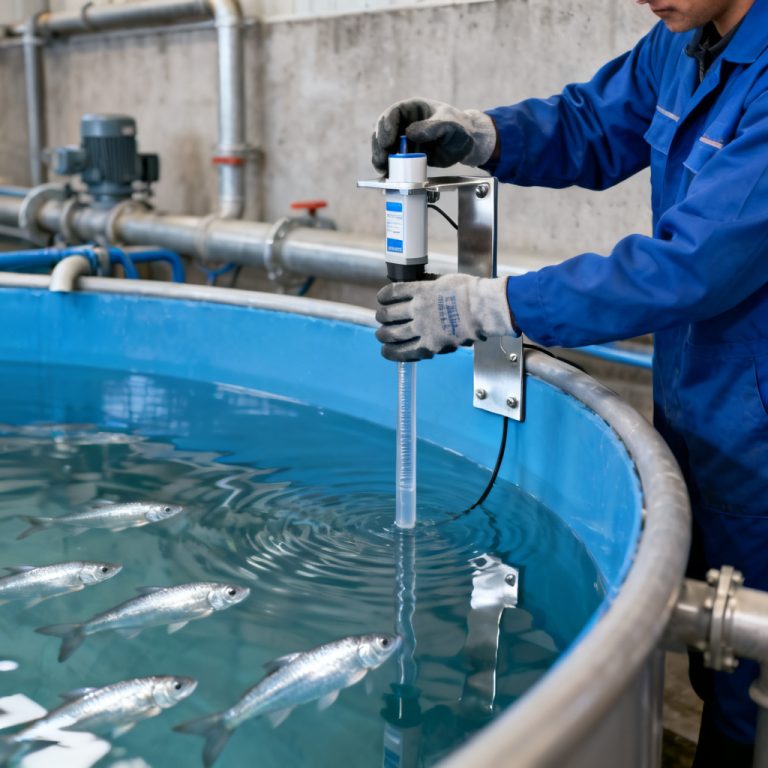
Aquaculture Monitoring Solution by SensorMass The global aquaculture industry is facing significant pressure to balance productivity, environmental sustainability, and operational efficiency. From large-scale fish farms to oyster beds and mussel farms, the health of aquatic organisms and the financial viability of operations are directly tied to the stability of their growing environment. Traditional aquaculture management…

Sensirion Navigation and Footer
|

Top 10 Weather Instruments to Track the Elements

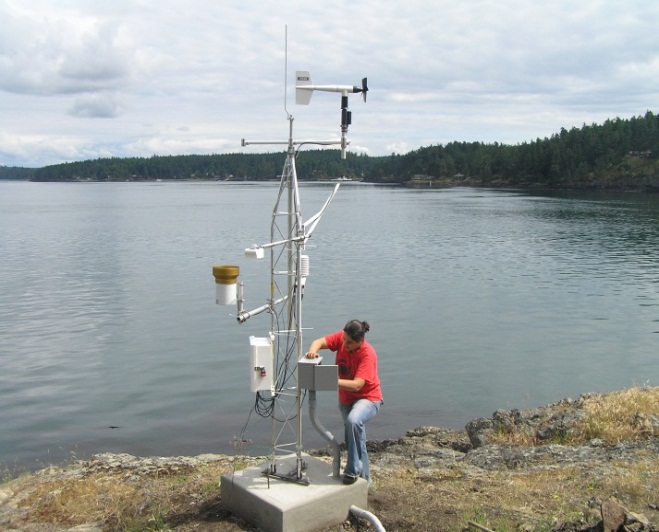
Introduction to Weather Instruments Weather instruments have always played a vital role in tracking and recording atmospheric conditions. From ancient wind vanes to modern high-tech weather stations, these instruments have been pivotal in helping humans understand and predict weather patterns. In today’s advanced world, a plethora of weather instruments are available, each serving a unique…

Optical DO Sensors vs Electrochemical Technical Comparison

Optical DO Sensors vs Electrochemical Technical Comparison for RAS Engineers

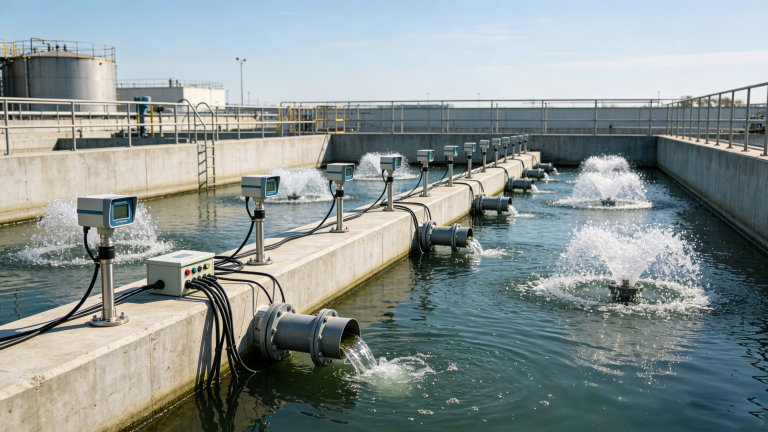
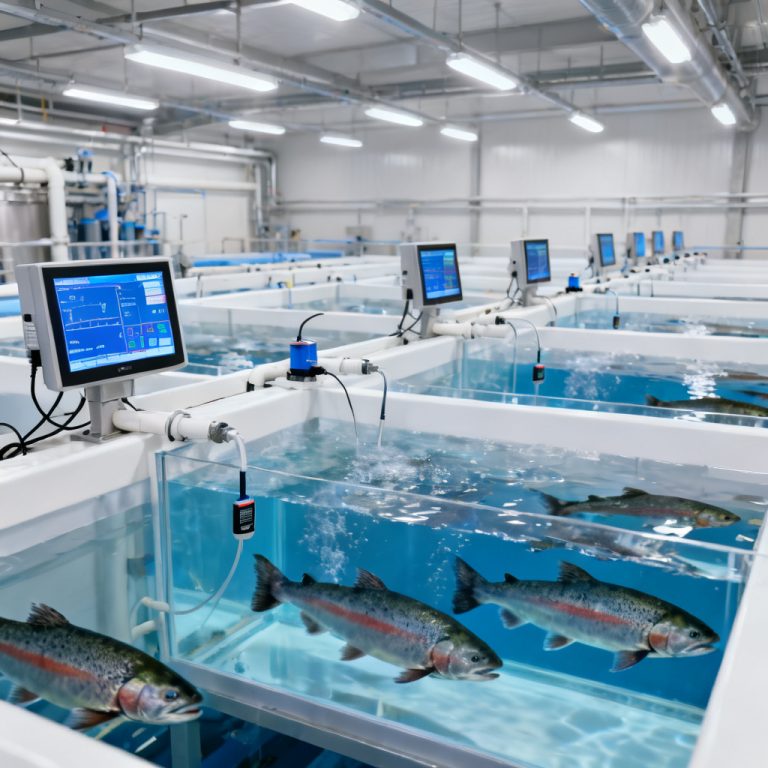
  Optical DO Sensors vs. Electrochemical: Technical Comparison for RAS Engineers In Recirculating Aquaculture Systems (RAS), dissolved oxygen is the most critical water quality parameter. This Optical DO Sensors vs Electrochemical Technical Comparison for RAS Engineers provides a deep, unbiased analysis of both technologies based on their core principles, performance in RAS conditions, maintenance burdens,…

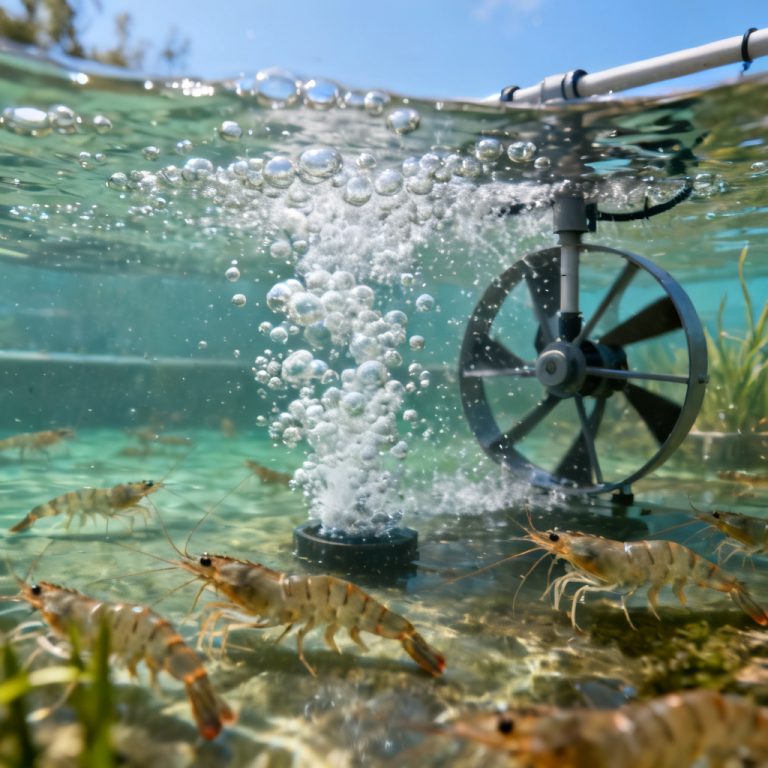
Monitoring shrimp farming DO requirements using digital dissolved oxygen sensors in intensive shrimp ponds

Shrimp Farming DO Requirements

Shrimp Farming DO Requirements: Complete Technical Guide Understanding shrimp farming DO requirements is the cornerstone of successful aquaculture. This complete technical guide covers critical thresholds, monitoring, and management for optimal shrimp health and yield. 1. Critical Shrimp Farming DO Requirements: Thresholds and Ranges 1.1 Optimal DO Range for Shrimp Growth Shrimp farming DO requirements dictate…

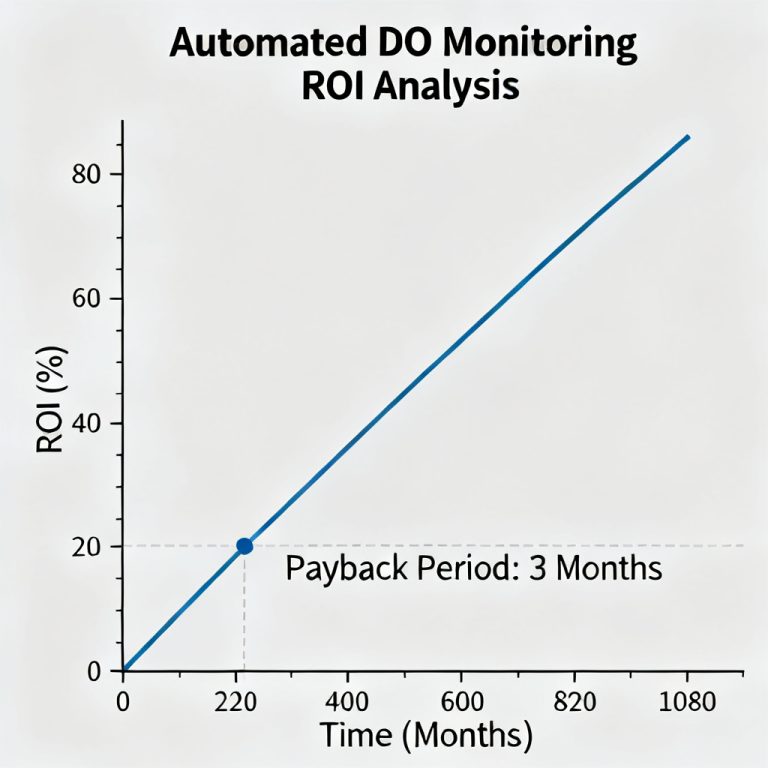
How to Calculate ROI of Automated DO Monitoring for Your Fish Farm manual for intensive tilapia and shrimp ponds in Thailand and Vietnam

How to Calculate ROI of Automated DO Monitoring for Your Fish Farm

How to Calculate ROI of Automated DO Monitoring for Your Fish Farm To calculate ROI of automated DO monitoring for your fish farm, you must first understand the total investment and the quantifiable benefits. This guide provides a proven framework to evaluate costs, savings, and profitability, helping you make a data-driven decision for your aquaculture…

Optical dissolved oxygen sensor with waterproof PCB design installed in a recirculating aquaculture system biofilter for real-time water quality monitoring

RAS biofilter dissolved oxygen

RAS Biofilter Management The Critical Role of Dissolved Oxygen In Recirculating Aquaculture Systems (RAS), proper RAS biofilter dissolved oxygen management is the heart of water quality control and the single most critical variable for nitrification efficiency. Without maintaining adequate DO levels, nitrifying bacteria cannot efficiently convert toxic ammonia into nitrates, leading to catastrophic system crashes…

Electrochemical DO Sensors for Aquaculture

Optical vs Electrochemical DO Sensors for Aquaculture ROI

Optical vs Electrochemical DO Sensors for Aquaculture ROI Choosing between optical vs electrochemical DO sensors for aquaculture ROI is a critical decision that directly impacts your bottom line. This comprehensive guide compares accuracy, maintenance, lifespan, and total cost of ownership to reveal which technology delivers superior ROI for shrimp, fish, and recirculating systems. How Optical…

Technical comparison of LoRaWAN vs NB IoT for aquaculture DO monitoring systems deployed in shrimp ponds across Vietnam and Indonesia

LoRaWAN vs NB IoT for Aquaculture DO Monitoring Technical Comparison

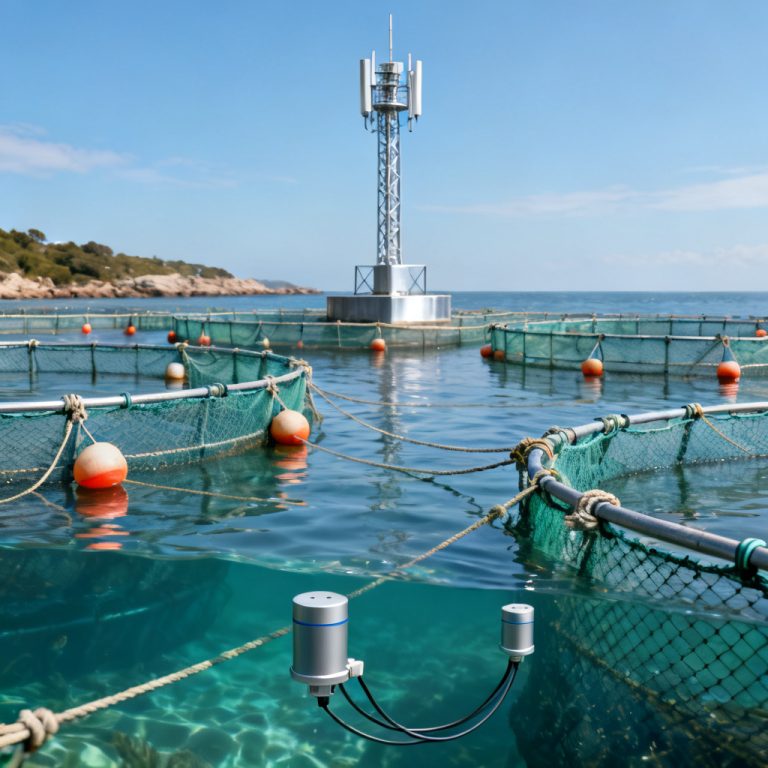
LoRaWAN vs. NB-IoT for Aquaculture DO Monitoring: Technical Comparison In modern aquaculture, real-time monitoring of Dissolved Oxygen (DO) levels is critical for fish health, feed efficiency, and mortality prevention. Welcome to our comprehensive LoRaWAN vs NB IoT for Aquaculture DO Monitoring Technical Comparison, where we help operators choose the right connectivity framework for their sensor…

Regulatory compliance standards for fisheries discharge monitoring for marine net pen salmon farms in Norway following FAO and IMO protocols

Regulatory Compliance Standards for Fisheries Discharge Monitoring

Regulatory Compliance Standards for Fisheries Discharge Monitoring: A Comprehensive Guide Navigating regulatory compliance standards for fisheries discharge monitoring is essential for sustainable aquaculture operations and global market access. This guide consolidates authoritative frameworks from the EPA, NOAA, and FAO to help B2B exporters achieve full compliance. 1. Core Regulatory Frameworks and Their Scope for Fisheries…

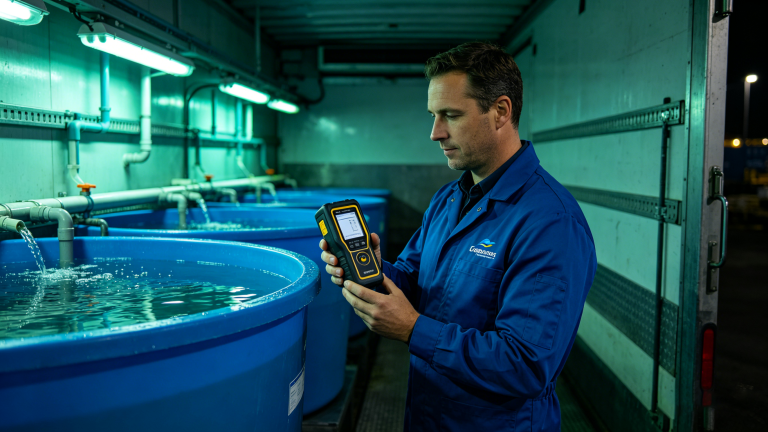
aquaculture DO sensor installation showing correct probe placement

Dissolved Oxygen Monitoring for RAS

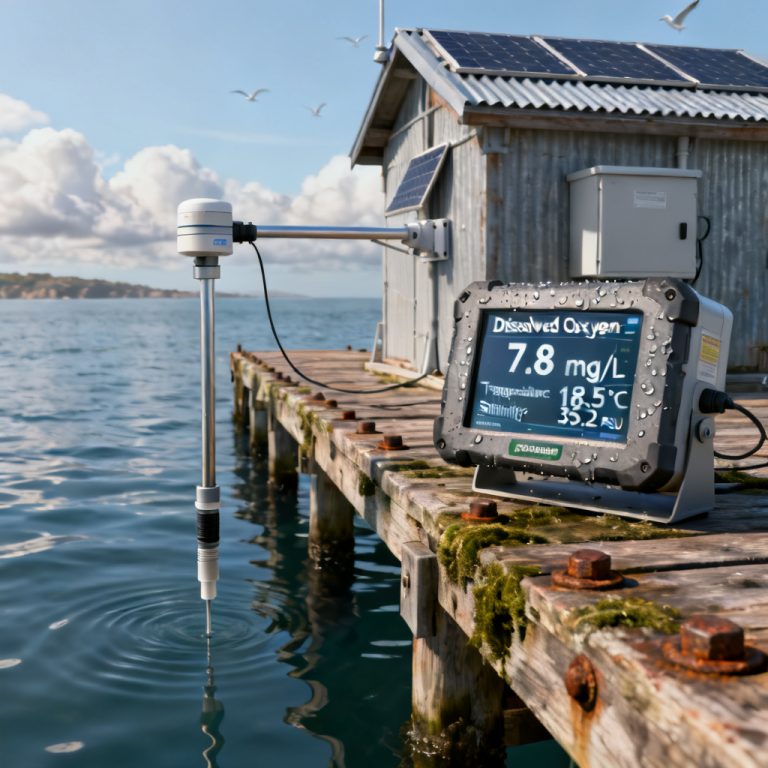
Dissolved Oxygen Monitoring for RAS – Protecting Biofilters & Ensuring System Stability Dissolved oxygen monitoring for RAS is the single most critical measurement layer in recirculating aquaculture. When a system holds thousands of fish in a closed loop, every milligram of oxygen consumed—by gills or by nitrifying bacteria—must be replenished with precision, or the entire biofilter can…