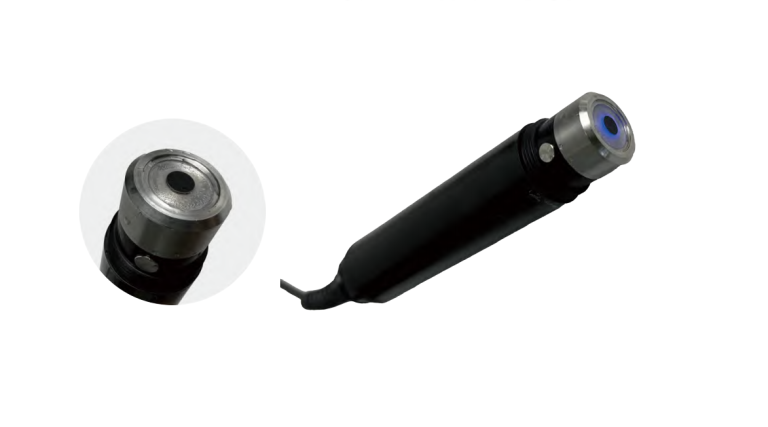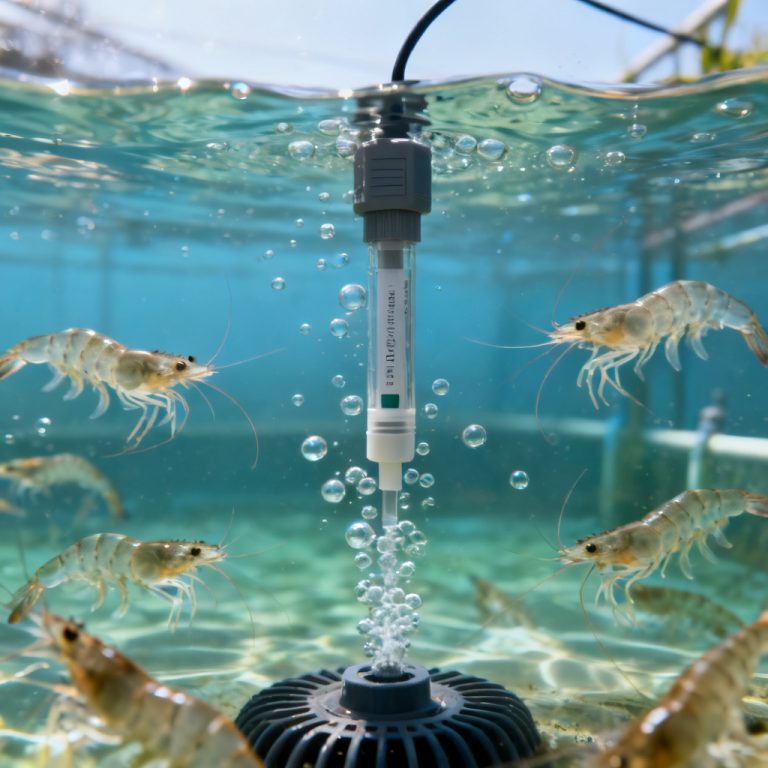
Endress+Hauser COS81E Memosens
Optical Dissolved Oxygen Sensor
The definitive technical resource covering fluorescence quenching specifications, 140°C SIP sterilization, EHEDG certification, and pharmaceutical fermentation DO monitoring for the COS81 hygienic optical probe
Introduction to the COS81E Memosens Optical Dissolved Oxygen Sensor
The COS81E from Endress+Hauser represents the gold standard for hygienic optical dissolved oxygen sensing in regulated pharmaceutical, biotechnology, and food & beverage manufacturing environments. As part of the renowned Memosens COS81 sensor family, this instrument leverages proprietary fluorescence quenching (luminescence-based) measurement technology combined with Memosens 2.0 digital communication to deliver laboratory-grade DO precision under the most demanding sterile process conditions—including repeated Steam-In-Place (SIP) cycles at temperatures up to 140°C (284°F).
Unlike traditional electrochemical Clark-type probes that require membranes, electrolytes, and frequent replacement, the Memosens COS81E employs an entirely optical measurement principle. An integrated optoelectronic module emits orange light pulses toward an oxygen-sensitive luminophore layer embedded behind a protective window. The luminophore molecules respond by emitting deep-red fluorescent light whose decay time and signal intensity are governed by the Stern-Volmer equation—inversely proportional to the partial pressure of dissolved oxygen in the surrounding medium. This approach eliminates all consumable parts while delivering superior stability in high-temperature, high-purity, and fouling-prone process streams.
This comprehensive guide serves as both an authoritative reference for engineers evaluating the COS81E optical DO sensor capabilities against alternative technologies, and as a practical manual for technicians responsible for installation, configuration, calibration, and ongoing maintenance across GMP-compliant bioreactor facilities, sterile fill-finish operations, and food-grade fermentation plants worldwide.
🎯 Why Choose Optical Fluorescence for Hygienic DO Monitoring?
The COS81E‘s fluorescence quenching measurement principle delivers three critical advantages for regulated industries: (1) Zero consumables—no membranes, electrolytes, or anodes that could contaminate sterile processes or introduce particulate matter into bioreactors; (2) Sterilization immunity—the fully sealed optical assembly withstands 140°C autoclave and SIP cycles without degradation, unlike electrochemical cells whose membranes denature above 80-90°C; (3) Fouling independence—the protected optical window behind the process-facing layer resists biofilm buildup, protein adsorption, and particle coating that plague exposed electrode surfaces in cell culture media.
💰 Cost-Effective Alternatives for Non-Sterile DO Monitoring
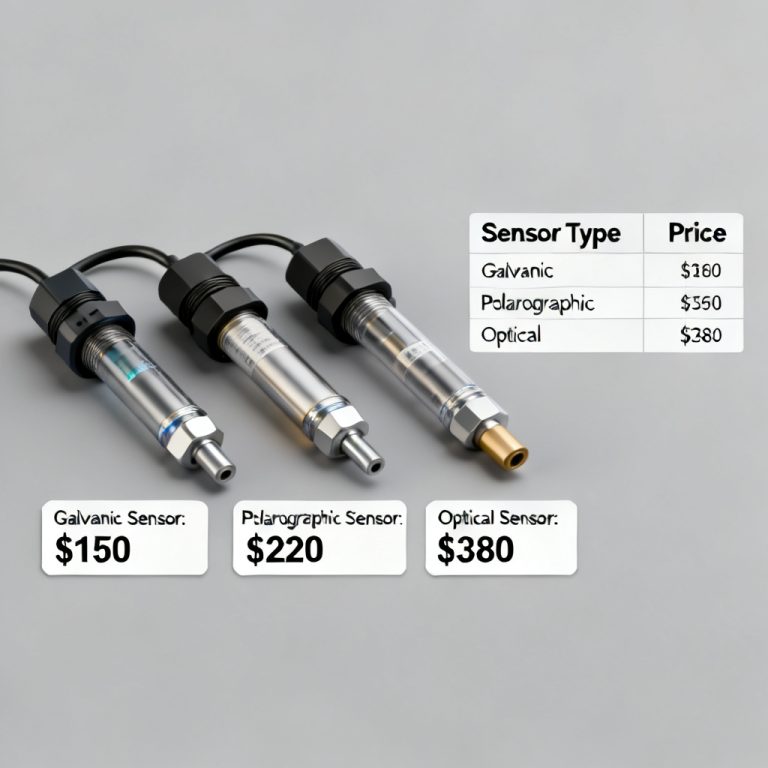
While the COS81E Memosens delivers premium-tier performance for GMP-regulated hygienic applications requiring EHEDG certification, 140°C SIP capability, and FDA/USP Class VI material compliance, many operations can achieve excellent DO monitoring results at significantly lower cost when these regulatory requirements do not apply. If your facility does not mandate Memosens protocol integration, EHEDG certification, or ASME BPE compliance, consider these high-value alternatives:
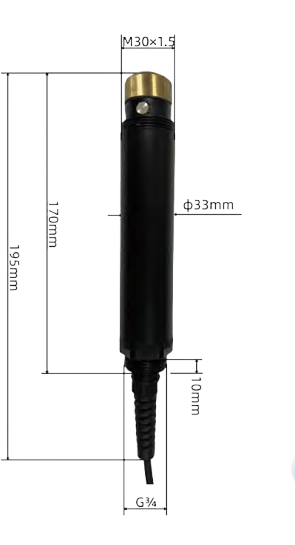
Optical Dissolved Oxygen Sensor & Probe (DS380) — Featuring the same fluorescence quenching optical principle as the COS81E, this probe delivers RS485 Modbus output, IP68 protection, 3-second response time, and zero electrolyte maintenance—all at approximately one-third the cost of the COS81E. With typical delivery times of 3–7 days from stock, it excels in aquaculture RAS systems, wastewater treatment aeration control, general industrial fermentation, and environmental compliance reporting where rapid deployment matters more than brand-specific ecosystem integration.
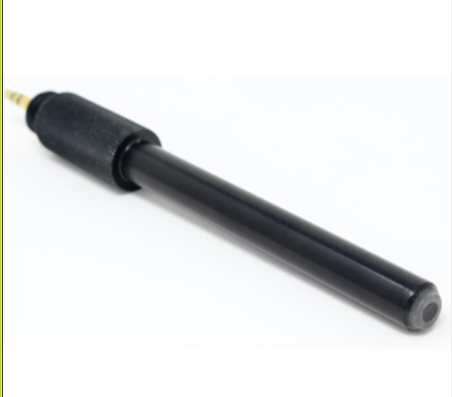
Dissolved Oxygen Sensors Membrane Type (TDO100B) — A ppb-level precision optical sensor offering 0–2000 ppb measurement range, 316L stainless steel construction, and dual output (RS485 + 4-20mA). Priced at roughly one-third of a COS81E-class investment, this model targets high-pressure boiler feedwater monitoring, ultrapure water systems, and denitrification control where sub-ppm accuracy is required but budget constraints favor faster ROI. Standard lead time is 5–10 days with global shipping available.
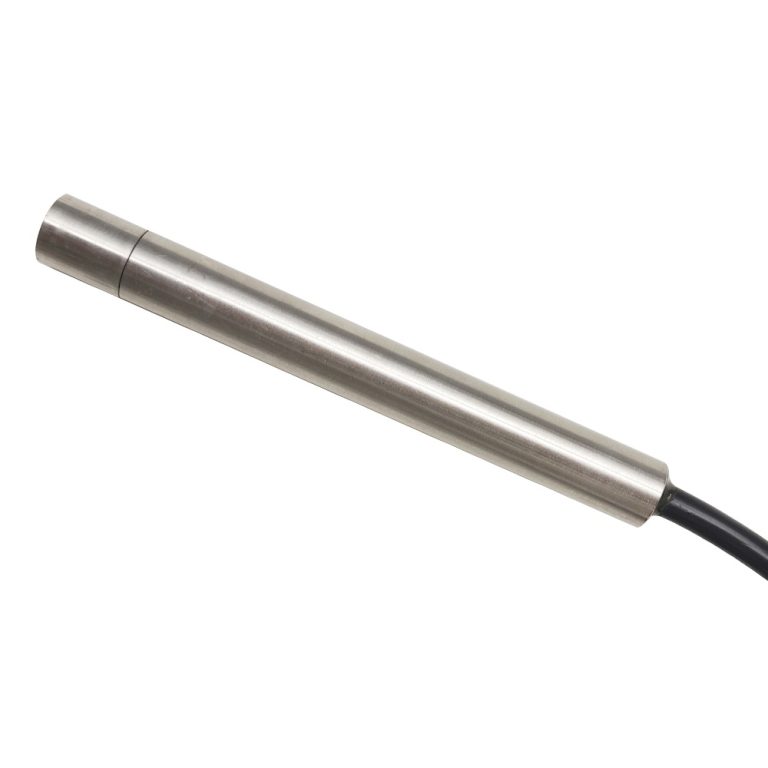
Industrial Optical Dissolved Oxygen Sensor for Aquaculture & Live Seafood Transport — While designed primarily for live seafood logistics and transport monitoring, this unit offers dual RS485 Modbus + 4-20mA output, IP68 rating, and flow-independent optical measurement at approximately one-third the cost of equivalent branded instrumentation. With delivery times of 5–10 days from stock, it provides reliable DO data for non-GMP fermentation, hatchery operations, and general water quality monitoring where regulatory traceability is not a gating factor.
All three alternatives maintain the core advantage of optical DO technology—no membranes, no electrolytes, no flow dependency—while dramatically reducing capital expenditure and accelerating project timelines compared to the Endress+Hauser flagship hygienic sensor.
COS81E Technical Specifications & Performance Parameters
Understanding the full specification envelope of the Memosens COS81E is essential for proper application engineering in pharmaceutical and food-grade environments. The following table consolidates all critical parameters referenced in the official Endress+Hauser COS81E technical manual (TI01558C):
| Parameter | Specification |
|---|---|
| Measurement Principle | Optical Fluorescence Quenching (Luminescence Decay Time via Stern-Volmer Equation) |
| Measurement Range | 0–20 mg/L (0–200% saturation) / 0–100 ppb (ultrapure water mode) |
| Detection Limit | 0.01 mg/L (10 ppb) |
| Accuracy | ±0.5% of reading or ±0.05 mg/L (whichever is greater) |
| Repeatability | ±0.2% of reading |
| Luminescence Decay Time | ~56 μs (anaerobic) / ~14 μs (air-saturated) |
| Response Time (T90) | <60 seconds |
| Operating Temperature | 0–140°C (32–284°F) — SIP/Autoclave capable |
| Maximum Pressure | 6 bar abs. (87 psi) at 25°C |
| Process Connection | Tri-Clamp 1.5″, Varipin DN25, Threaded (hygienic variants) |
| Material (Wetted Parts) | Stainless Steel 1.4435 (AISI 316L), PEEK, FDA/USP Cl.VI silicone |
| Digital Protocol | Memosens 2.0 (non-contact inductive transmission) |
| Compatible Transmitters | Liquiline CM42, CM44x/R/P, CM72/82 Compact, Mobile CML18 |
| Cable Length | Integral CYK10 cable up to 30m (digital) |
| Protection Rating | IP68 (submersible) |
| Hygienic Certifications | EHEDG, ASME BPE compliant, FDA materials, USP Class VI |
| Hazardous Area Certs | ATEX Zone 0/1/2 (gas), Zone 20/21/22 (dust), IECEx, FM, CSA, NEPSI |
| Calibration Interval | 6–12 months (factory), air/water calibration anytime |
| Expected Service Life | 3–5 years (dependent on sterilization cycle count) |
Fluorescence Quenching Measurement Principle
The COS81E operates on the well-established dynamic fluorescence quenching principle, which has become the dominant technology for modern optical dissolved oxygen sensors. Understanding this mechanism is essential for optimizing measurement performance and troubleshooting anomalous readings:
How the COS81E Optical System Works
- Excitation Phase: The sensor’s internal LED emits pulsed orange light toward the oxygen-sensitive luminophore layer embedded within the optical window assembly. This layer contains proprietary marker molecules (luminophores) whose photophysical properties are reversibly modulated by molecular oxygen concentration.
- Emission Phase: Upon absorbing the excitation energy, luminophore molecules emit deep-red fluorescent light. The intensity and temporal decay characteristics of this emission depend on the local oxygen partial pressure at the sensor-process interface.
- Quenching Mechanism: Dissolved oxygen molecules diffuse into the luminophore layer and collide with excited-state luminophore molecules, providing a non-radiative de-excitation pathway. Higher DO concentrations produce more collisions, resulting in faster decay (shorter lifetime) and reduced emission intensity.
- Signal Processing: The sensor’s optoelectronic detector measures both emission intensity and decay time (typically 14–56 μs range). The onboard microprocessor applies the Stern-Volmer equation to convert these optical measurements into temperature-compensated DO concentration values, outputting mg/L, % saturation, ppm, or ppb units per user configuration.
Pharmaceutical & Biotechnology Applications
The COS81E was specifically engineered for the most demanding life science applications where both measurement accuracy and regulatory compliance are non-negotiable. Below we examine the primary deployment scenarios:
Bioreactor Dissolved Oxygen Control
In upstream bioprocessing, dissolved oxygen concentration directly governs cell growth rates, metabolic pathway selection, product yield, and batch-to-batch consistency across mammalian cell culture (CHO, HEK293), microbial fermentation (E. coli, yeast), and enzymatic synthesis processes. The COS81E meets stringent cGMP requirements through its combination of SIP tolerance to 140°C, USP Class VI compliant materials, and full FDA 21 CFR Part 11-compatible electronic records when paired with qualified Liquiline transmitter platforms. Its fast T90 response enables tight cascade control loops maintaining optimal DO setpoints throughout exponential growth phases while the built-in self-monitoring function continuously verifies optical path integrity—a critical feature for PAT (Process Analytical Technology) initiatives.
Sterile Fill-Finish & Inert Gas Blanketing
In downstream pharmaceutical manufacturing, particularly sterile fill-finish operations and nitrogen/argon blanketing systems, the COS81E monitors residual oxygen levels in headspace environments to verify inerting effectiveness and prevent oxidation-sensitive API degradation. The sensor’s EHEDG-certified surface finish prevents microbial colonization risk in cleanroom environments, while its ATEX Zone 0 certification permits installation in solvent vapor atmospheres common in isolator and barrier systems.
Food & Beverage Fermentation
Brewery fermentation tanks, dairy cultures, probiotic production lines, and wine-making processes all benefit from the COS81E‘s ability to survive daily CIP cleaning cycles (caustic, acid, hot water rinses) without measurement drift. The optical principle eliminates electrolyte leakage contamination risks inherent to membrane-covered electrochemical cells—an essential consideration for products consumed without further processing.
Installation Guidelines for Hygienic Environments
Proper installation of the COS81E in sanitary process piping requires attention to details beyond conventional industrial mounting practices:
- Orientation: Install vertically downward or at minimum 15° downward angle to prevent gas bubble entrapment on the optical window surface during CIP return cycles and SIP steam condensation phases.
- Process Connection: Use Tri-Clamp (RJT) fittings with gaskets rated for 140°C exposure. Verify torque specifications per ASME BPE guidelines to prevent crevice formation at the sensor-body interface.
- CIP/SIP Compatibility: Ensure spray ball coverage reaches the sensor face during cleaning cycles. Position away from dead-leg zones where cleaning solution stagnation could promote biofilm formation despite the EHEDG surface finish.
- Retraction Capability: For bioreactor installations, consider Cleanfit CPA875 or CPA450 retractable assemblies enabling sensor removal during vessel operation for maintenance or recalibration without breaking sterility barrier integrity.
Calibration Procedures & Quality Assurance
Calibration strategy for the Memosens COS81E leverages the inherent stability of optical measurement while satisfying pharmaceutical validation requirements:
- Air Calibration (Recommended Weekly/Monthly): Remove sensor from process, rinse with WFI (Water-for-Injection) or purified water, place in ambient air with the optical window exposed. Initiate air calibration from the Liquiline transmitter menu. The sensor automatically compensates for barometric pressure and temperature. Duration: approximately 3 minutes. No consumables required. Store calibration value digitally in Memosens memory chip.
- Water-Saturated Calibration (Quarterly/GMP Triggered): Prepare fully aerated WFI or purified water by vigorous sparging with filtered air for 10+ minutes. Immerse sensor tip, allow temperature equilibration (2 minutes), then initiate single-point calibration against known saturation value calculated from current atmospheric pressure and altitude. Document per SOP for audit trail purposes.
- Zero-Point Verification (Per Validation Protocol): Use sodium sulfite solution (approximately 5 g/L Na₂SO₃ in WFI) to create anaerobic environment. Verify reading stabilizes below 0.02 mg/L. Rinse thoroughly with WFI afterward. This step validates the upper end of the Stern-Volmer response curve.
- Two-Point Calibration (Annual/Post-Sterilization Event): Combine zero-point and span (air or saturated water) calibrations for full characterization. Required after extended SIP campaign (>50 cycles) or if DLI indicates optical degradation. All calibration parameters stored in sensor memory transfer automatically to any replacement transmitter.
💡 Pro Tip: Memosens Predictive Maintenance Diagnostics
The COS81E continuously records thermal load accumulation (cumulative exposure above threshold temperatures), maximum temperature events, sterilization cycle count, and optical signal baseline drift within its internal Memosens memory chip. Access these metrics through the transmitter’s DLI (Dynamic Lifetime Indicator) screen or via Memobase Plus software suite. A remaining sensor life percentage above 70% indicates healthy operation with ample sterilization cycle capacity remaining; values approaching 30% trigger proactive replacement scheduling during planned facility shutdown rather than unexpected failure mid-batch.
Maintenance Schedule & Troubleshooting
One of the most compelling advantages of the COS81E optical technology over electrochemical alternatives is its dramatically reduced maintenance burden—even in hygienic applications subject to aggressive CIP/SIP regimes:
Routine Maintenance Tasks
- Daily/Weekly: Visual inspection of cable integrity (CYK10), check transmitter readings against grab sample reference measurements (if applicable), verify no alarm conditions active, confirm DLI status green.
- Monthly: Clean optical window exterior with soft lint-free cloth and WFI if any residue observed after CIP cycles. Perform air calibration check. Review DLI trend and thermal load accumulator.
- Quarterly: Full visual inspection of process connection gasket condition. Perform water-saturated span verification. Update calibration log documentation per site SOP.
- Annually: Comprehensive performance validation against portable reference DO meter (traceable to NIST or equivalent). Replace O-ring seals on process adapter if CIP chemical exposure has been severe. Verify firmware version and update if newer release available.
- As Needed (Every 3-5 Years): Replace optical cap/luminophore assembly if DLI indicates end-of-life or after manufacturer-recommended maximum sterilization cycle count. This is the only wear item and takes less than 5 minutes with no special tools required.
Common Issues & Resolution Strategies
| Symptom | Likely Cause | Corrective Action |
|---|---|---|
| Reading drifting slowly upward | Optical window fouling (biofilm/protein layer) | Enhance CIP protocol; perform enzymatic clean-in-place if validated |
| Erratic/spiking readings post-CIP | Air bubbles trapped on sensor face | Extend CIP drain/purge phase; adjust mounting angle |
| Transmitter shows “Sensor Error” | Memosens communication fault or damaged CYK10 cable | Check inductive coupling connection; replace cable if kinked/cut |
| Slow response to DO step changes | Aged optical cap (>3 years) or excessive sterilization cycles | Replace luminophore cap assembly; reset DLI counter |
| Calibration fails consistently | Contaminated calibration environment or incorrect barometric input | Use fresh solutions; verify transmitter barometric compensation setting |
| DLI showing <30% life | Normal end-of-life progression from thermal load accumulation | Order replacement sensor; plan swap during next scheduled shutdown |
Frequently Asked Questions About the COS81E
Conclusion: Is the COS81E Right for Your Application?
The Endress+Hauser COS81E Memosens optical dissolved oxygen sensor establishes the definitive benchmark for hygienic DO measurement in regulated life science environments. Its combination of zero-maintenance optical technology, 140°C SIP/autoclave tolerance, complete regulatory certification portfolio (EHEDG, ASME BPE, FDA, USP Class VI, ATEX), and Memosens 2.0 digital intelligence positions it as the reference choice for GMP-compliant biopharmaceutical manufacturing, sterile food processing, and any application where measurement reliability must coexist with uncompromising hygiene standards.
For facilities currently experiencing excessive maintenance costs from fouled electrochemical DO electrodes, frequent membrane/electrolyte replacements incompatible with sterile protocols, or measurement uncertainty compromising batch yield and regulatory compliance, the transition to COS81E optical technology typically achieves return on investment within 18-24 months through reduced labor, eliminated consumable spare parts inventory, improved process control stability, fewer unplanned batch failures, and streamlined validation documentation.
We recommend requesting a site survey or application review from a certified Endress+Hauser process analytics specialist to validate fitment for your specific operating conditions, process media composition (including cell density, viscosity, and surfactant content), sterilization cycle profiles, and regulatory certification requirements. The official COS81E technical manual (TI01558C) contains additional detail on mechanical dimensions, drug master file support documentation, safety certificates, and warranty terms not covered in this overview.
This technical resource is provided for informational purposes by Industrial Sensor Solutions. Always refer to the manufacturer’s official documentation for installation, safety, and warranty information specific to your equipment configuration and jurisdiction. Product names and trademarks mentioned herein are property of their respective owners.