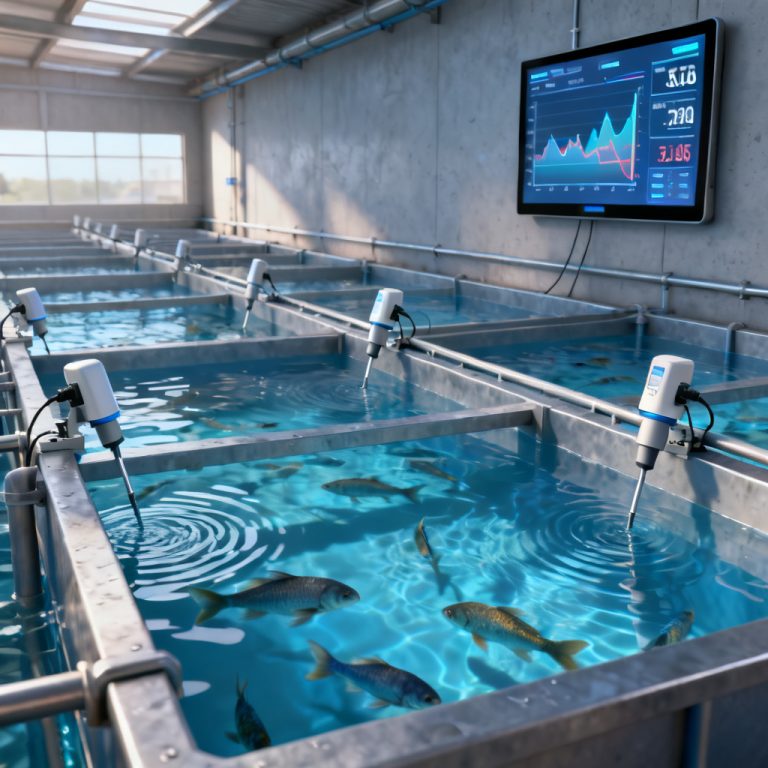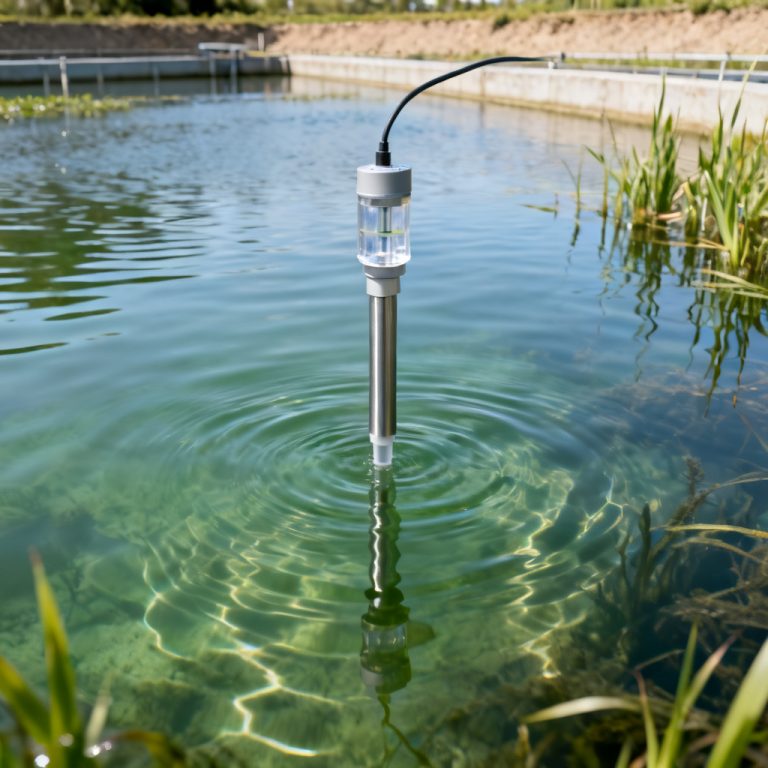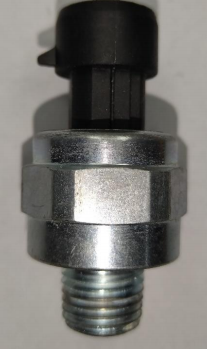
Maintaining dissolved oxygen (DO) levels above 5 mg/L is critical for shrimp health and yield. A reliable dissolved oxygen sensor for shrimp farming enables precise aeration control, prevents hypoxia, and boosts profitability.
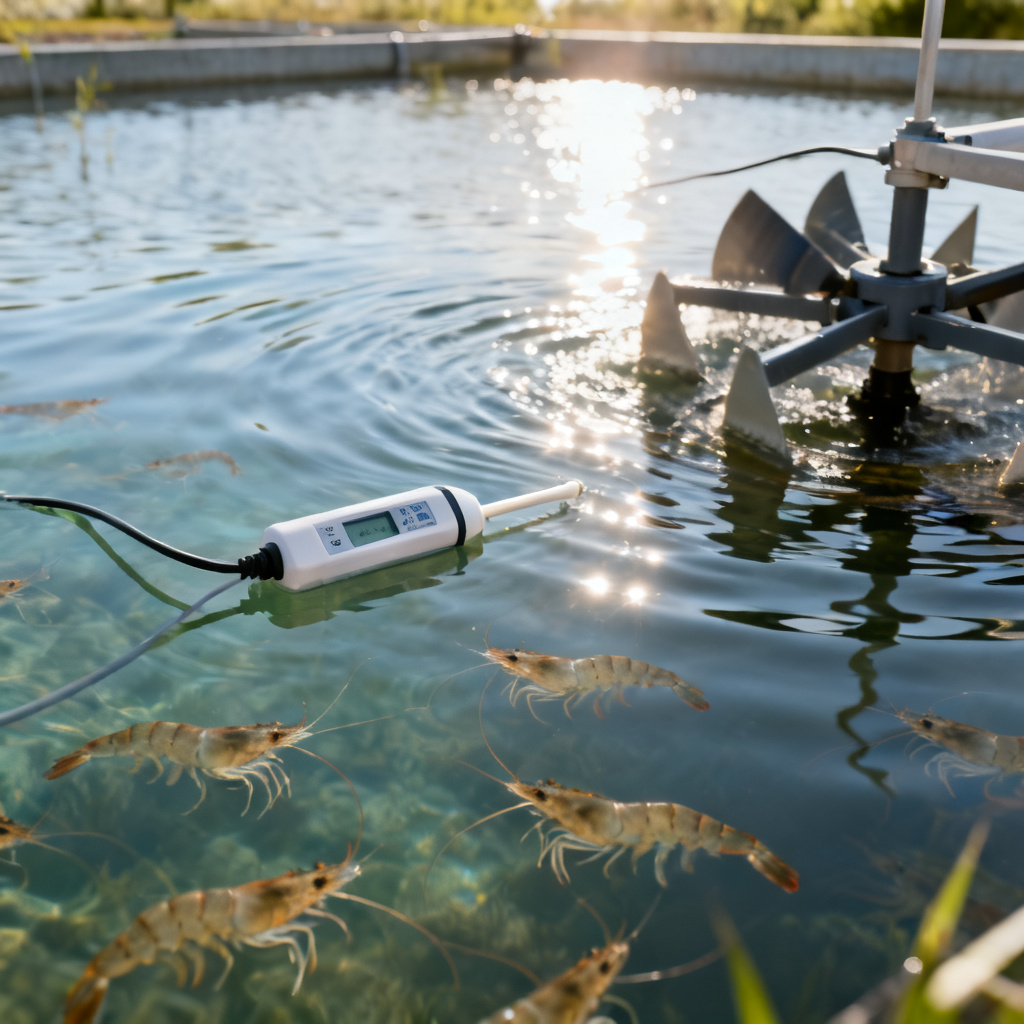
- Science Behind 5 mg/L
- Sensor Types
- Installation
- Aeration Control
- Troubleshooting
- Economic Benefits
- Future Trends
Science Behind Dissolved Oxygen Sensor for Shrimp Farming: The 5 mg/L Threshold
A dissolved oxygen sensor for shrimp farming must track the critical 5 mg/L baseline. Studies show shrimp have a critical oxygen saturation of 30-40% air saturation (3-4 mg/L). Sub-lethal stress begins below 5 mg/L. When DO drops to 4 mg/L, shrimp reduce feed intake by 20%, leading to higher FCR. At 3 mg/L, they stop feeding and cluster near the surface. Prolonged DO <5 mg/L weakens immunity, causing Vibrio and WSSV susceptibility. The 5 mg/L target is a baseline for commercial profitability.
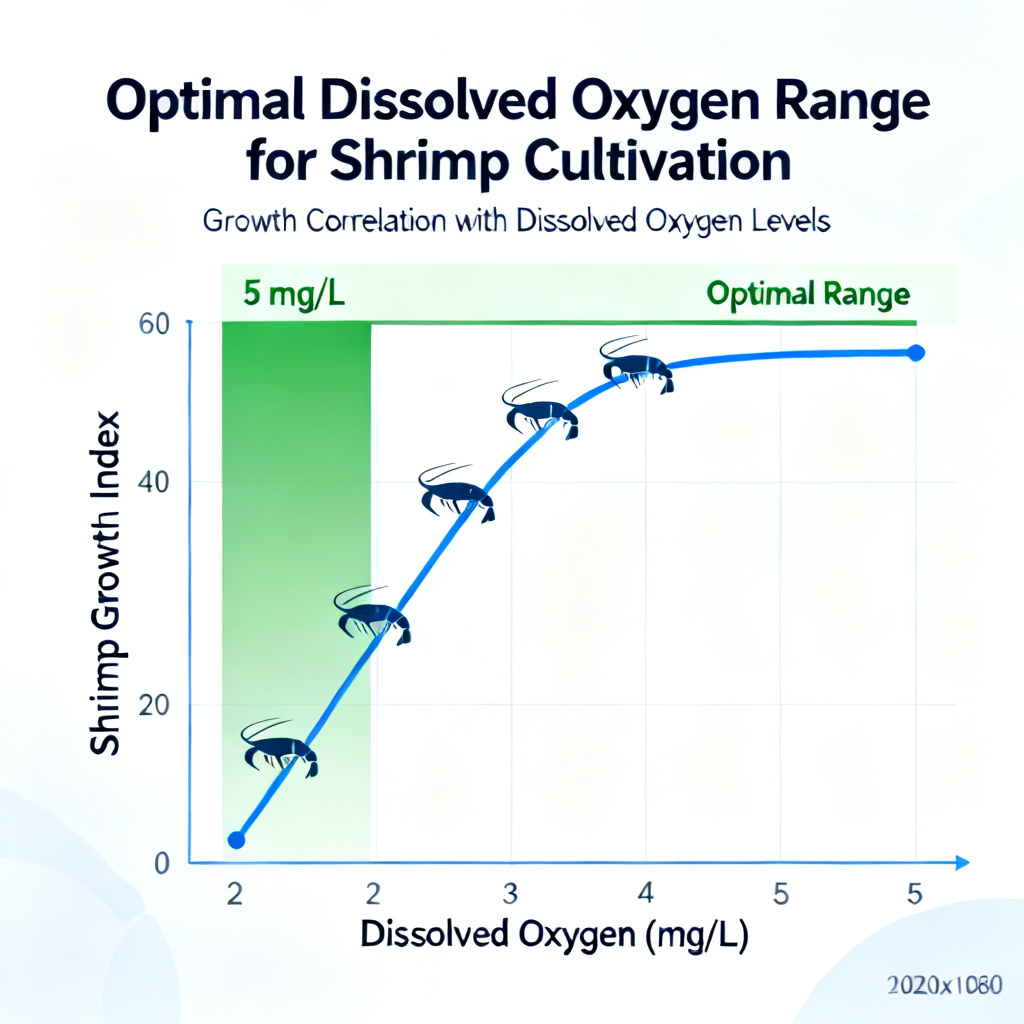
From a technical standpoint, the 5 mg/L threshold is where traditional methods become insufficient. Continuous monitoring is essential because DO fluctuates over 24 hours—peak at midday, lowest before dawn. A sensor reading 5 mg/L at 2 PM may drop to 3 mg/L by 4 AM. Optimal DO >5 mg/L must be maintained throughout the night. This requires real-time, high-accuracy sensors.
Experienced farmers use a rule: if shrimp jump out of water or gather at the inlet, DO is critically low (<3 mg/L). By the time visible signs appear, losses have begun. The only way to prevent this is keeping DO consistently above 5 mg/L, balancing oxygen added by photosynthesis and aeration versus consumption by shrimp, plankton, and decomposition.
Types of Dissolved Oxygen Sensor for Shrimp Farming
Electrochemical Sensors (Galvanic & Polarographic)
A dissolved oxygen sensor for shrimp farming using electrochemical technology measures current generated by oxygen reduction. Galvanic sensors need no external power; polarographic require a small voltage. Both are reliable but need regular membrane replacement, electrolyte replenishment, and calibration. They consume oxygen during measurement, slightly disturbing the sample. Best for spot-checking or short-term monitoring.
Optical (Luminescent) Sensors
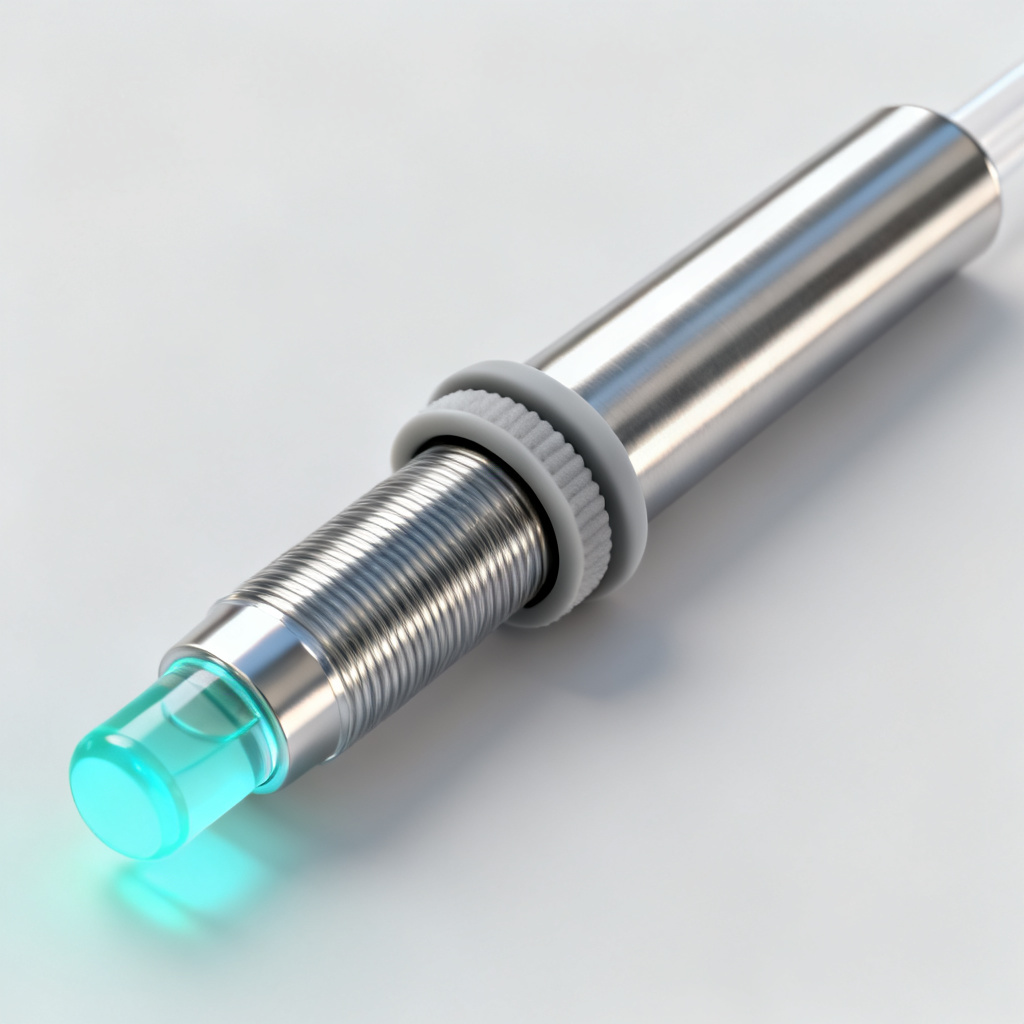
Modern shrimp farms adopt optical DO sensors based on fluorescence quenching. These use a dye emitting light; oxygen quenches this light, and decay time is proportional to DO concentration. Advantages: no oxygen consumption, no membrane replacement, minimal drift, long-term stability. Ideal for continuous 24/7 monitoring in harsh pond environments. Calibration is simple—one-point air calibration. Accuracy is typically ±0.1 mg/L.
Sensor Selection Criteria for Shrimp Ponds
When choosing a dissolved oxygen sensor for shrimp farming, consider: accuracy ±0.2 mg/L or better for DO >5 mg/L; response time T90 <30 seconds; IP68 rating; resistance to fouling; and data output (4-20 mA, RS485 Modbus, or wireless). For B2B export, optical sensors are recommended for continuous monitoring, with electrochemical as backup. Our sensors combine optical accuracy with anti-fouling housing designed for saline shrimp ponds.
Sensor Placement and Installation Best Practices for Dissolved Oxygen Sensor for Shrimp Farming
A dissolved oxygen sensor for shrimp farming must be placed 30-50 cm below the water surface, away from aerators and inlets to avoid bubbles causing false high readings. In deep ponds (>1.5 m), install sensors at two depths to monitor stratification.
Anti-Fouling Measures
Biofouling is the #1 enemy of sensor accuracy. Use sensors with built-in wipers or air-blast cleaning. Alternatively, install sensors in a flow-cell with a pump. Regular manual cleaning (weekly) with a soft cloth and mild detergent is essential.
Calibration Frequency
Optical sensors: calibrate monthly or after cleaning. Electrochemical sensors: calibrate weekly. Always calibrate in water-saturated air (100% humidity) or against a known standard. For shrimp farms, a two-point calibration (0% using sodium sulfite, 100% air) is recommended.
Integrating Dissolved Oxygen Sensor for Shrimp Farming with Aeration Control
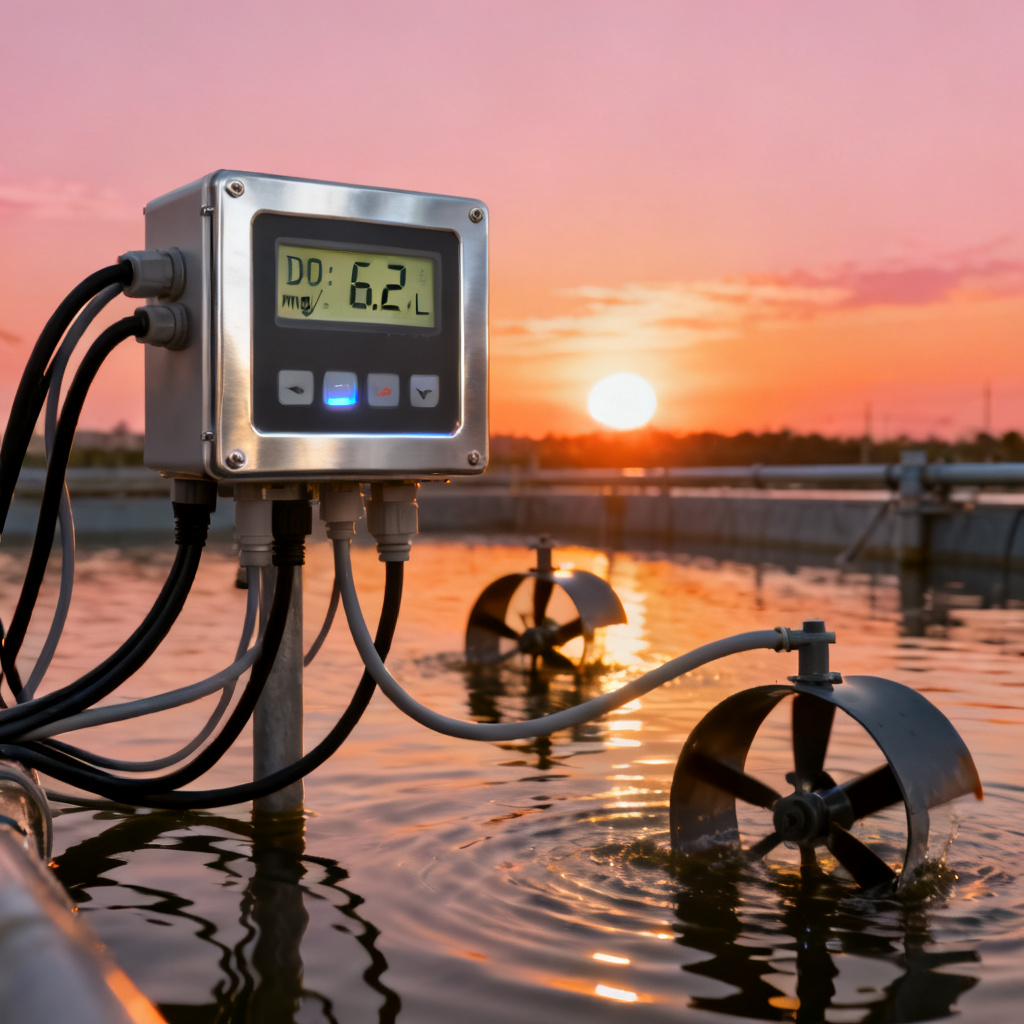
A dissolved oxygen sensor for shrimp farming is most valuable when connected to an aeration controller. Set the controller to turn on aerators when DO falls below 5.5 mg/L and turn off when DO rises above 6.5 mg/L. This prevents over-aeration (wasting energy) and under-aeration (risking shrimp health). Variable frequency drives (VFDs) on paddlewheels can modulate intensity based on real-time DO.
Nighttime Aeration Strategy
Since DO is lowest at dawn, program the controller to run aerators at full capacity from midnight to 6 AM. During the day, aerators can run intermittently. A sensor-based system automatically adjusts, saving up to 30% on electricity costs.
Alarm and Alert Systems
Set critical alarms: if DO drops below 4.5 mg/L, send an SMS or app notification. If DO falls below 3.5 mg/L, automatically activate backup aerators. Our sensors support relay outputs for direct connection to alarm panels or IoT platforms.
Troubleshooting Common DO Issues with Dissolved Oxygen Sensor for Shrimp Farming
A dissolved oxygen sensor for shrimp farming helps diagnose low DO causes: overstocking consuming oxygen faster than replenished; algae bloom die-off reducing oxygen production; organic load from uneaten feed; and temperature rise reducing oxygen saturation.
Sensor Malfunction Symptoms
Erratic readings: sudden spikes not correlated with aeration. Check for fouling, air bubbles, or damaged cable. Slow response: if sensor takes >2 minutes to stabilize, membrane or dye layer may be degraded. Drift: gradual decrease in readings despite no pond change—recalibrate and clean.
Emergency Actions for Low DO
If DO drops below 4 mg/L: immediately increase aeration (add paddlewheels, diffusers, or oxygen injectors); reduce feeding; exchange water; apply chemical oxygen supplements as last resort; use a portable DO meter to verify sensor readings.
Economic Benefits of Maintaining DO >5 mg/L with Dissolved Oxygen Sensor for Shrimp Farming
A dissolved oxygen sensor for shrimp farming delivers measurable ROI. Shrimp in ponds with DO consistently >5 mg/L achieve 10-15% better FCR, directly lowering feed costs.
Reduced Mortality
Hypoxia-related mortality drops from 15-20% to <5% when maintaining DO >5 mg/L. For a 10-ton harvest, this saves 1-1.5 tons of shrimp.
Energy Savings
Intelligent sensor-based aeration control reduces electricity consumption by 20-40% compared to fixed schedules. For a medium-sized farm (10 ha), this saves $5,000-$10,000 per year.
Premium Pricing
Shrimp grown under optimal stable DO have better color, texture, and shelf life, allowing farmers to command a 5-10% price premium in export markets.
Future Trends: IoT and AI in Dissolved Oxygen Sensor for Shrimp Farming
A dissolved oxygen sensor for shrimp farming is evolving with IoT. Cloud-based platforms aggregate data across ponds, predicting trends based on weather and feeding patterns. Our sensors are compatible with AWS IoT, Azure, and custom SCADA systems.
Machine Learning for Predictive Aeration
AI models learn oxygen dynamics and proactively adjust aeration before DO drops. If the model predicts a low DO event at 3 AM, it ramps up aeration at 2 AM to prevent the drop.
Sensor Self-Diagnostics
Future sensors include built-in diagnostics detecting fouling, drift, or membrane degradation, automatically triggering cleaning or recalibration. This reduces manual intervention and ensures 24/7 reliability.
Comparison: Optical vs Electrochemical Dissolved Oxygen Sensor for Shrimp Farming
| Feature | Optical DO Sensor | Electrochemical DO Sensor |
|---|---|---|
| Accuracy for DO >5 mg/L | ±0.1 mg/L | ±0.2 mg/L |
| Maintenance Frequency | Monthly cleaning | Weekly membrane replacement |
| Long-Term Stability | Minimal drift | Requires frequent calibration |
| Ideal Use | Continuous 24/7 shrimp pond monitoring | Spot checks or backup |
Glossary of Key Terms for Dissolved Oxygen Sensor for Shrimp Farming
- DO
- Dissolved oxygen, the amount of oxygen dissolved in water, critical for shrimp respiration.
- Hypoxia
- Low oxygen condition (<2 mg/L) causing shrimp stress or mortality.
- FCR
- Feed Conversion Ratio, the amount of feed needed to produce 1 kg of shrimp.
- Fluorescence Quenching
- Optical sensing principle where oxygen reduces light emission from a dye.
- Biofouling
- Accumulation of algae, barnacles, or slime on sensor surfaces, affecting accuracy.
FAQ about Dissolved Oxygen Sensor for Shrimp Farming
What is the optimal DO level for shrimp farming?
The optimal dissolved oxygen level for shrimp farming is above 5 mg/L. A dissolved oxygen sensor for shrimp farming helps maintain this threshold to prevent hypoxia and ensure healthy growth.
Which type of dissolved oxygen sensor is best for shrimp ponds?
Optical (luminescent) sensors are best for continuous monitoring in shrimp ponds due to low maintenance, no oxygen consumption, and high accuracy. Electrochemical sensors work for spot checks. A quality dissolved oxygen sensor for shrimp farming should be chosen based on pond size and automation needs.
How often should I calibrate a dissolved oxygen sensor for shrimp farming?
Optical sensors should be calibrated monthly or after cleaning. Electrochemical sensors need weekly calibration. Regular calibration ensures your dissolved oxygen sensor for shrimp farming provides accurate readings for optimal aeration control.
Can a dissolved oxygen sensor for shrimp farming reduce electricity costs?
Yes. Integrating a dissolved oxygen sensor for shrimp farming with automated aeration control can reduce electricity consumption by 20-40% by running aerators only when needed, saving thousands of dollars annually.
What causes false readings in a dissolved oxygen sensor for shrimp farming?
Common causes include biofouling (algae, slime), air bubbles trapped on the sensor, damaged cables, or improper placement near aerators. Regular cleaning and correct installation of your dissolved oxygen sensor for shrimp farming prevent false readings.