Nighttime DO dips threaten aquaculture and crop health, but advanced dissolved oxygen sensors provide real-time monitoring to prevent losses. This pillar content explores the science behind DO dips and how sensors save your crop from hypoxia.
Science of Nighttime DO Dips
Why DO Drops at Night
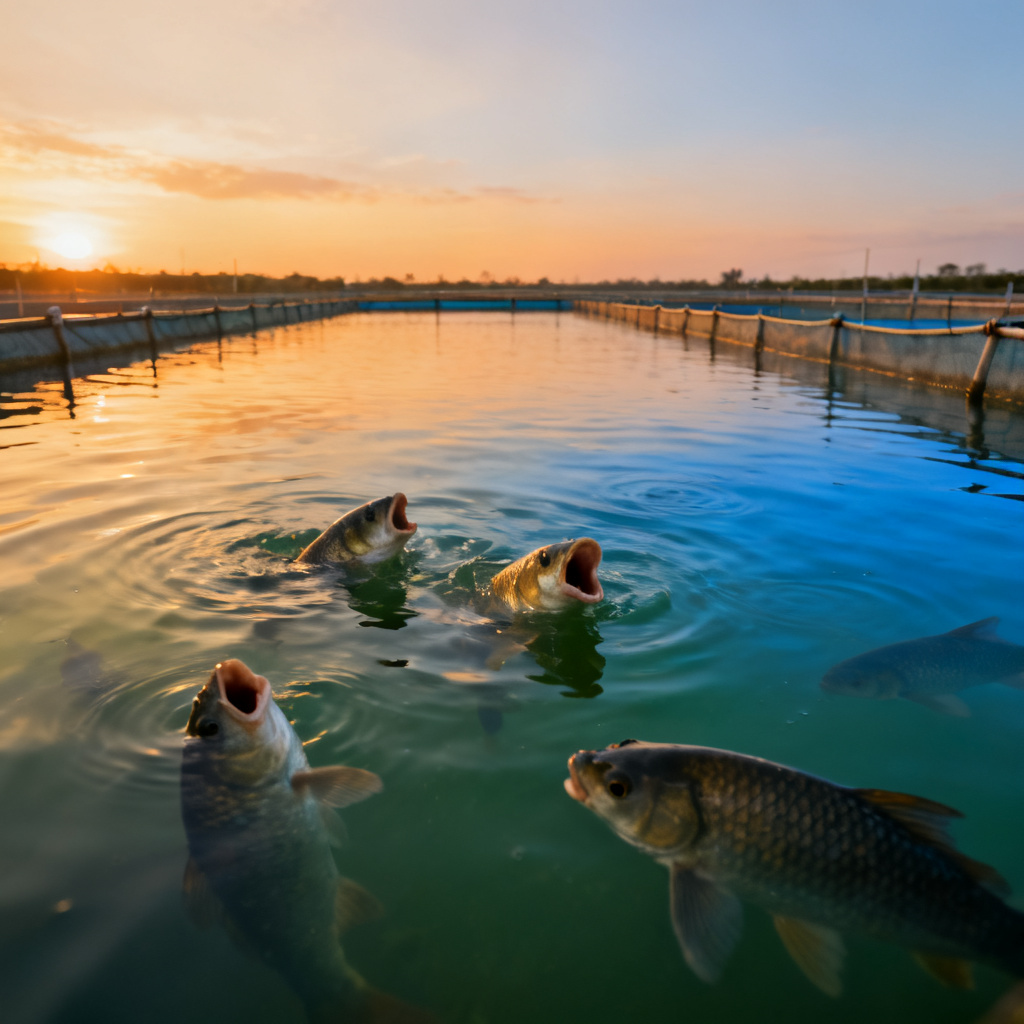
Dissolved oxygen in water is primarily produced by photosynthesis during daylight hours. At night, photosynthesis stops, but respiration continues—fish, bacteria, and plants consume oxygen. This creates a net oxygen deficit, especially in high-density systems like intensive aquaculture ponds or hydroponic nutrient solutions. According to leading aquaculture research, DO can drop by 2–4 mg/L overnight, with critical thresholds below 3 mg/L causing stress in most fish species. In crop systems (e.g., deep water culture), root zone hypoxia can stunt growth and invite pathogens like Pythium.
Factors Exacerbating Nighttime DO Dips
- Stocking Density: Higher fish or plant biomass increases oxygen demand. Overstocked ponds may see DO levels fall below 1 mg/L within hours of darkness.
- Temperature: Warmer water holds less oxygen (solubility decreases by ~0.1 mg/L per °C rise) and accelerates metabolic rates.
- Organic Load: Uneaten feed, decaying plants, and algae blooms consume oxygen during decomposition.
- Weather: Cloudy days reduce daytime photosynthesis, limiting oxygen reserves for the night.
Real-World Consequences
Without intervention, chronic nighttime hypoxia can lead to fish kills, crop yield loss, and economic damage. A shrimp farm in Thailand reported 30% mortality after a power outage disrupted aeration during a heatwave.
How Sensors Detect and Prevent Nighttime DO Dips
The Role of Real-Time Monitoring
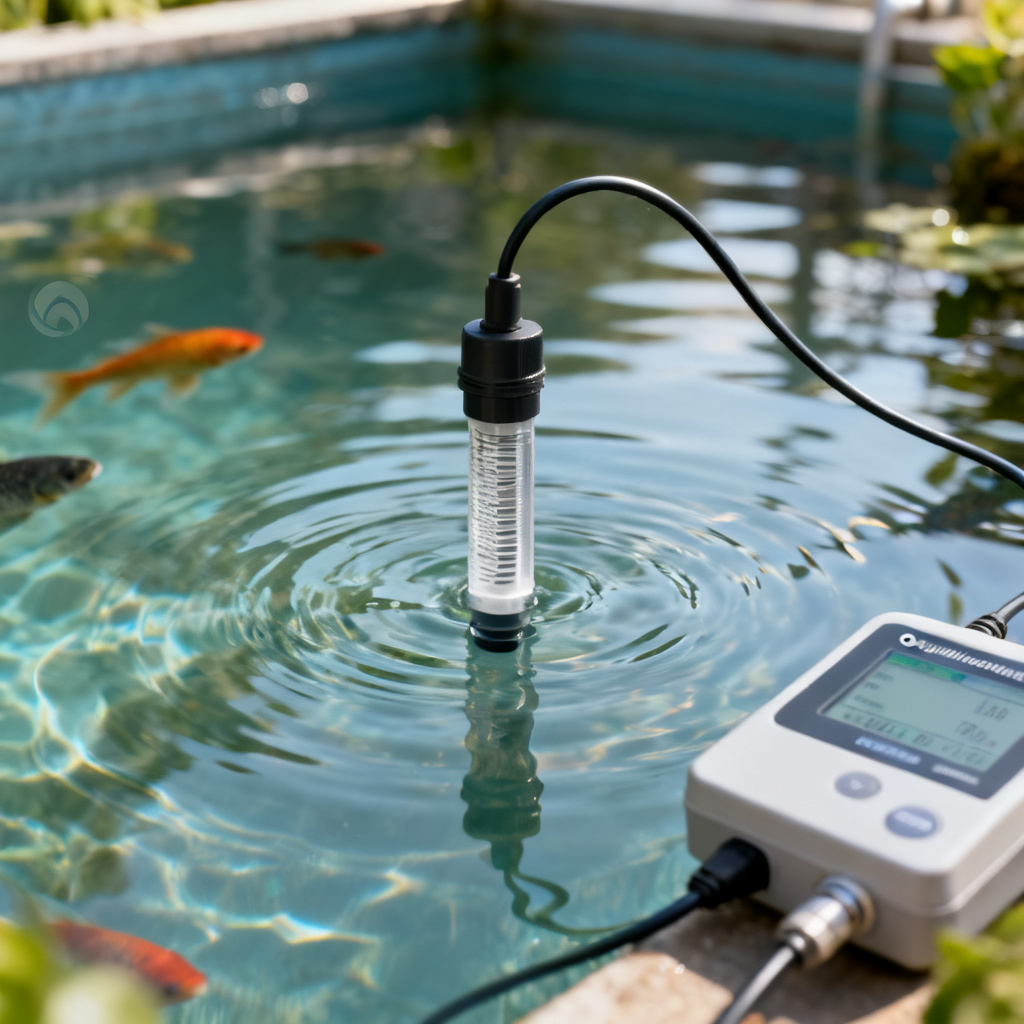
Traditional manual testing is impractical for overnight monitoring. Modern dissolved oxygen sensors provide continuous, automated data, alerting farmers to dips before they become catastrophic. Key benefits include early warning, trend analysis, and remote access.
Types of DO Sensors for Aquaculture and Hydroponics
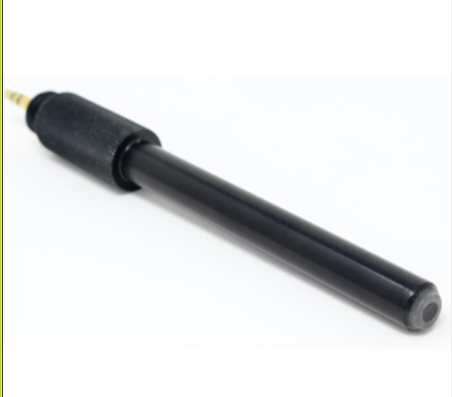
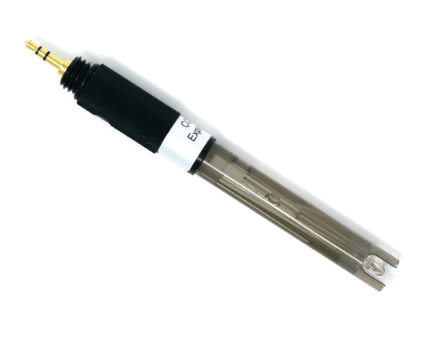
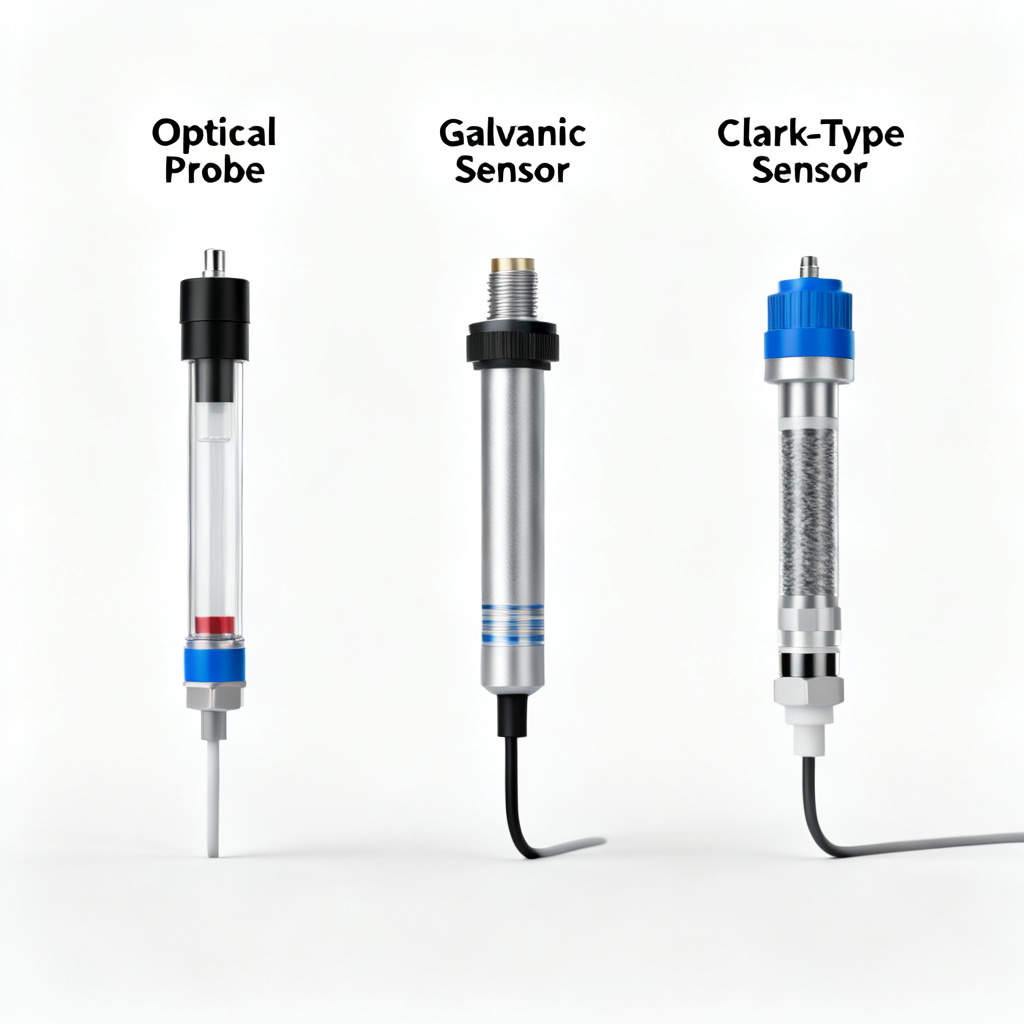
| Parameter | Optical Dissolved Oxygen Sensor | Galvanic Sensor | Clark-Type Sensor |
|---|---|---|---|
| Accuracy | ±0.1 mg/L | ±0.2 mg/L | ±0.05 mg/L |
| Maintenance | Low (wipe clean) | Medium (replace membrane weekly) | High (refill electrolyte) |
| Drift | Minimal | Moderate | Low |
| Cost | $$$ | $ | $$ |
| Ideal Use | Long-term, unattended | Budget, low-turbidity | Lab, research |
For nighttime monitoring, optical dissolved oxygen sensors are preferred due to their stability and no oxygen consumption, which could skew readings in static water.
Sensor Placement for Nighttime Accuracy
Improper placement can miss DO dips. Install sensors 30–50 cm below the surface in ponds (where oxygen stratification occurs) or near root zones in hydroponics. Avoid areas near aerators or inlets, as these artificially elevate DO readings. Use 2–3 sensors per system to capture spatial variability.
Data Integration and Automation
Advanced systems connect sensors to controllers that trigger aeration when DO drops. A tilapia farm in Egypt reduced fish mortality by 90% after installing optical dissolved oxygen sensors with automated aerators.
Case Studies and Expert Insights
Case Study: Shrimp Pond in Vietnam
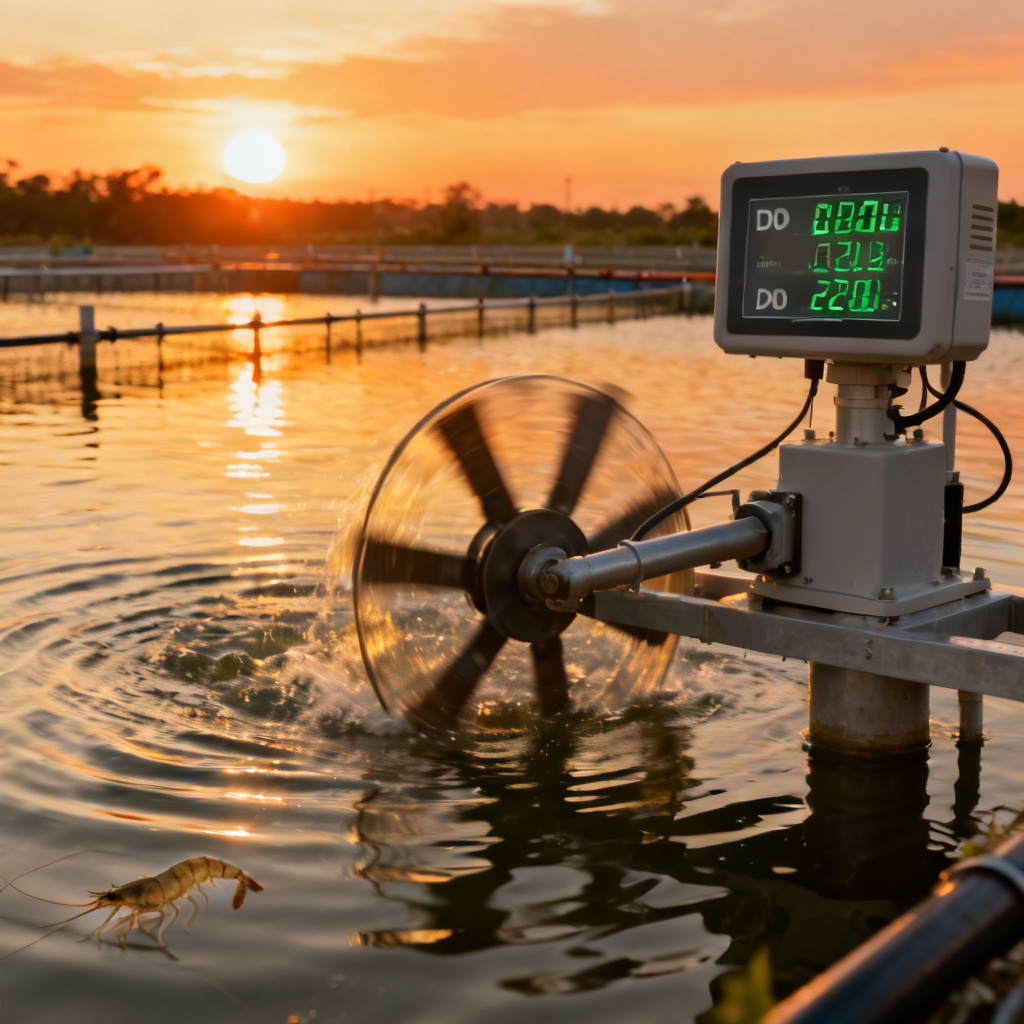
A 2-hectare shrimp farm faced recurrent nighttime DO dips during the monsoon season. After installing optical dissolved oxygen sensors with cloud logging, the farmer received SMS alerts at 2 AM when DO hit 3.2 mg/L. Manual aeration was activated, preventing a crash. Over six months, survival rate improved from 70% to 92%.
Case Study: Lettuce Hydroponics in the Netherlands
A vertical farm using deep water culture experienced root rot due to low nighttime DO (<4 mg/L). By deploying galvanic sensors connected to a PLC, they maintained DO above 5 mg/L via automated oxygen injection. Yield increased by 15%.
Expert Advice from Dr. Marine Biologist
“Nighttime DO dips are the most underrated risk in aquaculture. Many farmers focus on daytime levels, but the real danger is when you’re asleep. Sensors are not optional—they’re insurance. I recommend optical dissolved oxygen sensors with a backup power source to ensure data continuity.”
Choosing the Right Dissolved Oxygen Sensor for Your Operation
Key Specifications to Evaluate
| Specification | Optical Dissolved Oxygen Sensor | Galvanic Sensor | Clark-Type Sensor |
|---|---|---|---|
| Accuracy | ±0.1 mg/L | ±0.2 mg/L | ±0.05 mg/L |
| Maintenance | Low | Medium | High |
| Drift | Minimal | Moderate | Low |
| Cost | $$$ | $ | $$ |
| Ideal Use | Long-term, unattended | Budget, low-turbidity | Lab, research |
Integration with Your System
- Aquaculture Ponds: Choose optical dissolved oxygen sensors with IP68 rating and long cable lengths.
- Hydroponics: Opt for submersible sensors with fast response time.
- Irrigation: Use inline sensors with flow-through chambers.
Budget and ROI
While optical dissolved oxygen sensors cost $500–$2,000 per unit, the ROI is compelling. A single prevented fish kill event can save $10,000–$100,000. For a 10-pond farm, a $5,000 sensor investment pays for itself in one season. Compare this with traditional manual monitoring, which lacks real-time alerts and often leads to losses.
Implementing a Nighttime DO Monitoring Plan
Step-by-Step Setup
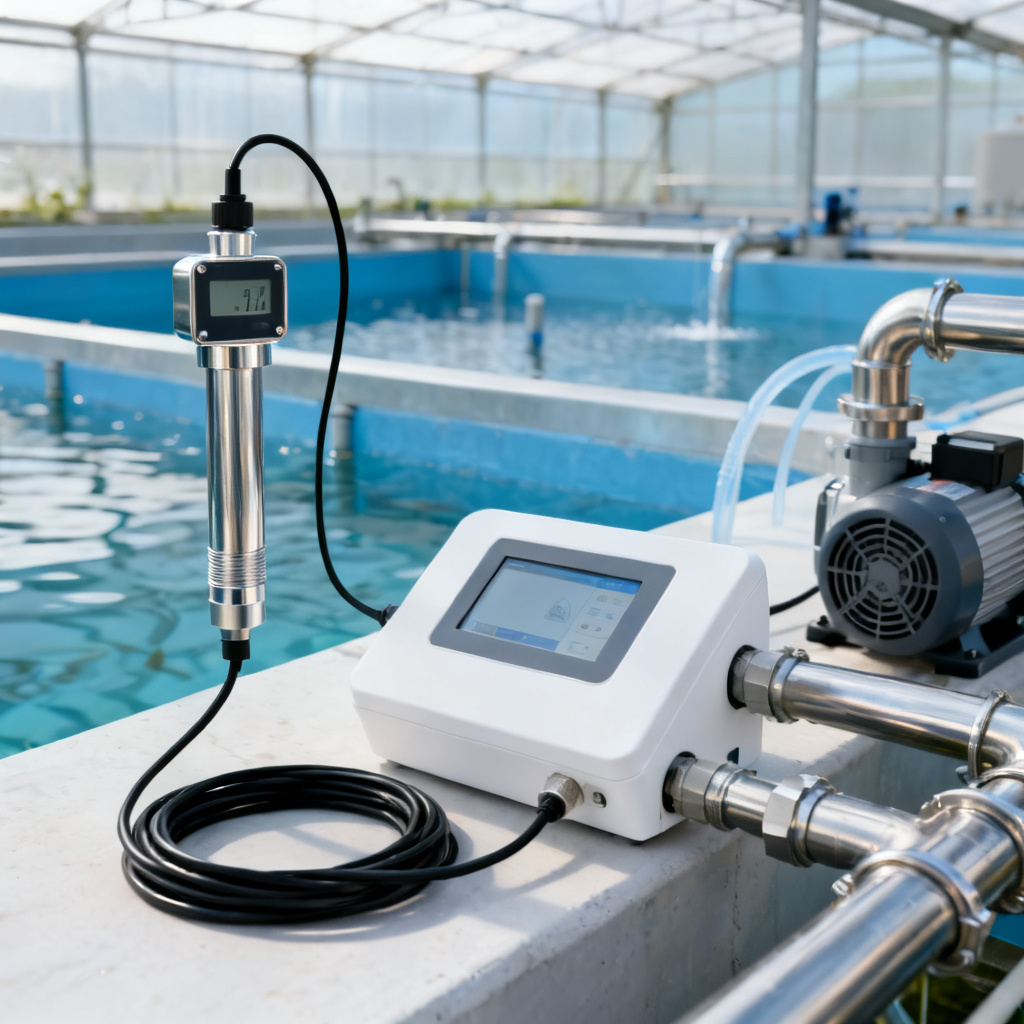
- Assess Risk: Measure baseline DO at dusk and dawn for one week.
- Select Sensor: Based on system type and budget.
- Install: Place sensors away from aerators, at correct depth.
- Configure Alarms: Set threshold at 4 mg/L for fish, 5 mg/L for crops.
- Test Automation: Connect to aeration or oxygen injection.
- Monitor and Adjust: Review data weekly to refine aeration schedules.
Common Pitfalls to Avoid
- Ignoring Calibration: Even optical dissolved oxygen sensors need periodic calibration.
- Overlooking Power Outages: Use battery-backed sensors or generators.
- Single-Point Monitoring: DO can vary across a pond; use multiple sensors.
Future Trends
AI predictive models can forecast DO dips based on weather and feeding data. IoT integration allows global fleet monitoring. Low-cost optical dissolved oxygen sensors are dropping prices below $200.
Frequently Asked Questions
What causes nighttime DO dips in aquaculture?
Nighttime DO dips are caused by the cessation of photosynthesis at night while respiration by fish, bacteria, and plants continues, consuming dissolved oxygen. This is especially critical in high-density systems where dissolved oxygen sensors are essential for monitoring.
How do dissolved oxygen sensors prevent crop loss?
Dissolved oxygen sensors provide real-time data and alerts when DO levels drop below safe thresholds, enabling farmers to activate aeration or oxygen injection before hypoxia damages crops or fish.
What is the best type of dissolved oxygen sensor for nighttime monitoring?
Optical dissolved oxygen sensors are best for nighttime monitoring due to their stability, minimal drift, and no oxygen consumption during measurement, ensuring accurate readings in static water.
How often should I calibrate my dissolved oxygen sensor?
Optical dissolved oxygen sensors require calibration every 3–6 months, while galvanic sensors may need weekly calibration. Always follow manufacturer guidelines.
Can dissolved oxygen sensors integrate with automated aeration systems?
Yes, many dissolved oxygen sensors can connect to PLCs or controllers that automatically activate aeration equipment when DO falls below a preset threshold, providing a fully automated solution.