Stainless Steel Conductivity Sensor
Overview
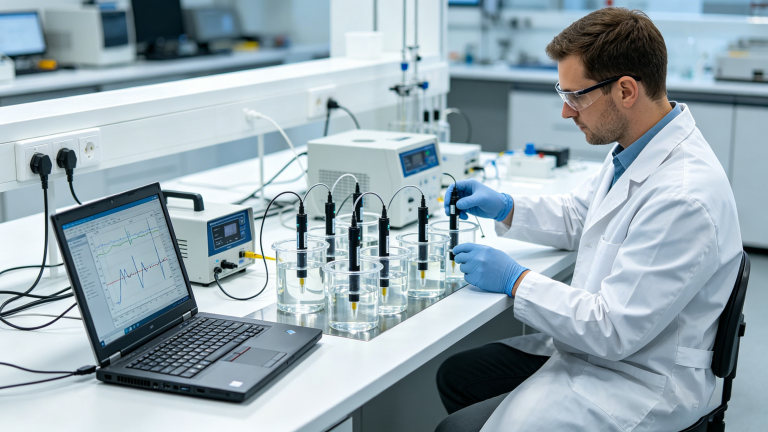
An Electrical Conductivity Sensor (EC Sensor) is a water quality sensor used to measure the ability of a solution to conduct an electric current. The core of an electrical Conductivity Sensor is a probe that measures electrical conductivity and integrates precision technology components, so it is often also called an Electrical Conductivity Probe. It is used in conjunction with an electrical Conductivity Controller to achieve accurate measurement and online control of electrical conductivity.
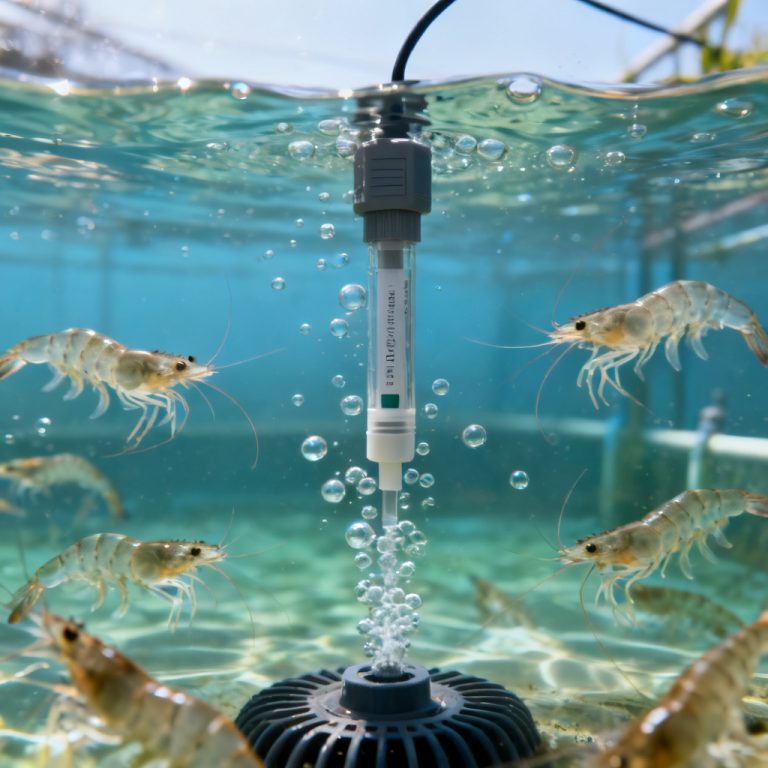
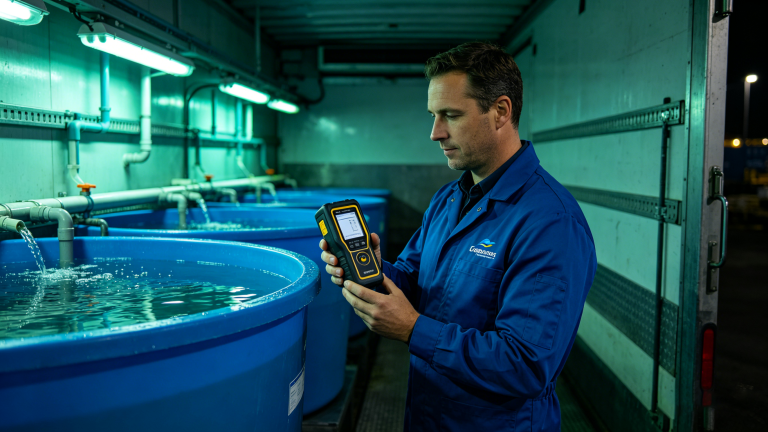
Electrical conductivity (σ) or specific conductivity is a measure of a material’s ability to conduct an electric current. Electrical conductivity is measured in Siemens per meter (S/m), or more commonly millisiemens per meter (mS/m). Siemens is the unit of conductivity and is the reciprocal of the unit of resistance, the ohm. Conductivity measurements are routine measurements in many industrial and environmental applications and are a fast, inexpensive and reliable way to measure the number of ions in a solution. The dissolved substances or salts in water determine the conductivity of a solution. As the number of dissolved ions increases, the solution’s ability to carry an electric charge also increases. It is this charge that enables the conductivity sensor to measure the conductivity of a solution. If the concentration of ions in a solution is high, the conductivity is high, resulting in a fast current. When the ion concentration is low, the current is slower and the reading is smaller. They are often used in hydroponics, aquaculture and freshwater systems to monitor the amount of nutrients, salts or impurities in the water.
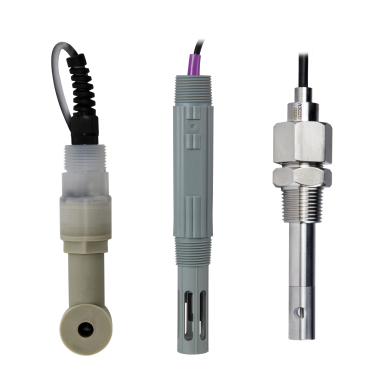
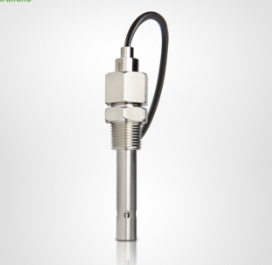
SensorMass specializes in electrical conductivity sensors and probes with electrode materials such as graphite, stainless steel or titanium. These sensors and probes are suitable for industries such as water treatment, aquaculture and environmental water testing, and can provide accurate and reliable conductivity parameter data. The main electrode materials of the sensor are: stainless steel, graphite or titanium. Stainless steel sensors are durable and corrosion-resistant, suitable for a variety of environments, including ultrapure water and agricultural irrigation. On the other hand, graphite sensors have excellent conductivity and chemical stability, which are ideal for applications in high temperature or strong acid and alkali environments. SensorMass’s electrical conductivity sensors have different K constants and measurement ranges to meet the needs of different water quality monitoring.
Related Products List
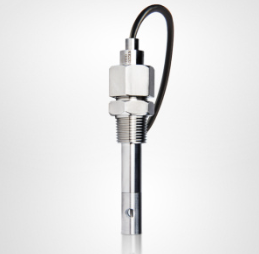
K0.1 Online Stainless Steel Conductivity Sensor for Water
The electrical conductivity sensor can be used to accurately measure the electrical conductivity value in surface water samples to verify the presence and extent of pollutants in surface water. The ASCK-0.1 analog electrical conductivity sensor…
Contact Now
K1 Online Stainless Steel Conductivity Sensor Electrode
Overview: The ASCK-1 online electrode conductivity sensor launched by SensorMass adopts the 2-electrode principle and is designed for real-time monitoring of water conductivity. This electrode conductivity sensor is made of high-quality 316L stainless…
Contact Now
K0.01 Stainless Steel Conductivity Probe for Ultrapure Water
Conductivity is a numerical representation of the ability of a solution to conduct electric current. We often use it to express the purity of water. In some industrial situations, pure water or even ultrapure water is used, so monitoring…
Contact NowElectrical Conductivity Sensor
Electrical Conductivity Sensor and Conductivity Sensor are essentially the same, both are sensors used to measure the conductivity of materials. In practical applications, you can choose the appropriate term according to specific needs and habits. Of course! You can also choose us according to the actual situation.
Leading Manufacturer & Supplier of Innovative Instruments & Equipment!
Send Inquiry Now