Choosing between a cheap dissolved oxygen sensor and a premium optical dissolved oxygen sensor directly impacts your monitoring accuracy and operational costs. This guide helps you decide based on application, budget, and long-term value.
1. Understanding Core Technologies: Cheap DO Sensor vs Premium Optical
Before selecting, understand the fundamental differences between a cheap DO sensor (galvanic or polarographic) and a premium optical dissolved oxygen sensor.
Cheap DO Sensor: Galvanic or Polarographic
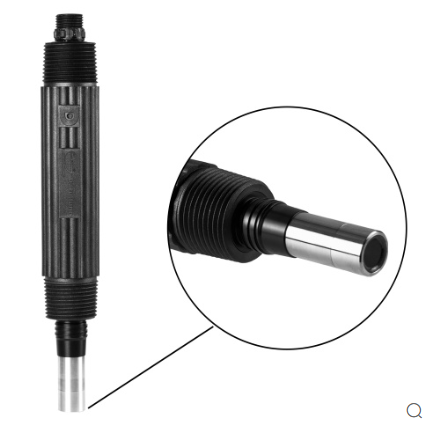
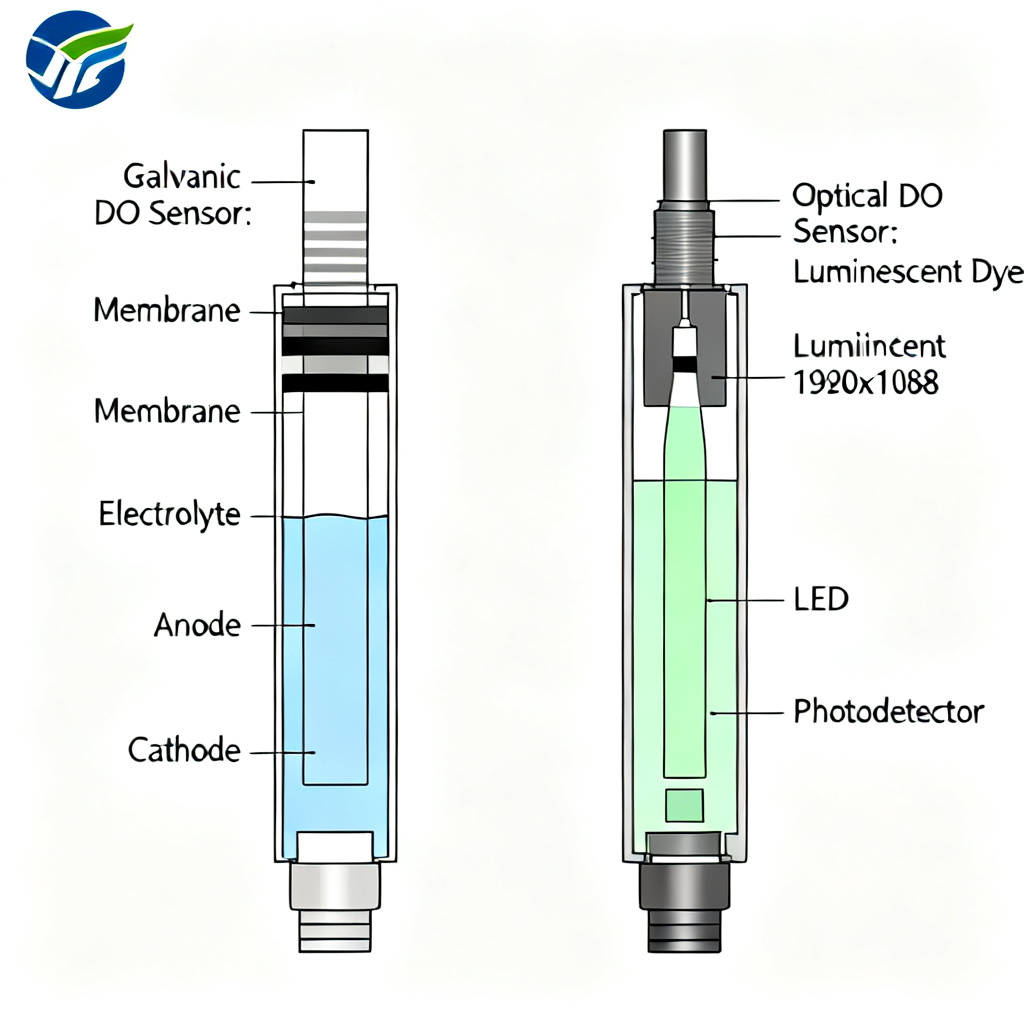
A cheap DO sensor uses a Clark-type cell with a membrane and electrolyte. Oxygen diffuses through the membrane, generating a current proportional to dissolved oxygen level.
- Lower initial cost ($50–$300)
- Requires membrane replacement and electrolyte refilling every 1–3 months
- Susceptible to fouling and drift
- Needs frequent calibration before each use
- Sensitive to flow rate (requires stirring)
- Vulnerable to hydrogen sulfide (H₂S)
Premium Optical Dissolved Oxygen Sensor
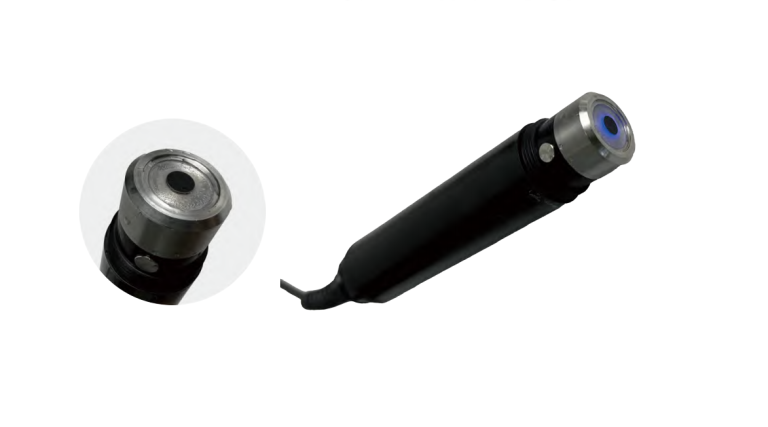
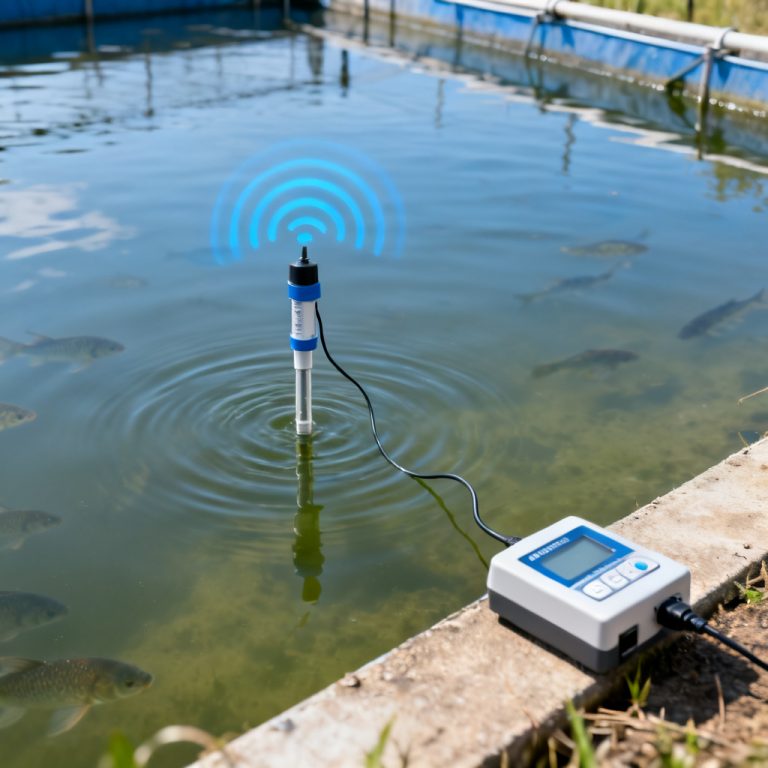
A premium optical dissolved oxygen sensor uses LED-excited luminescent dye. Oxygen quenches the luminescence, measuring decay time for accurate dissolved oxygen readings.
- Higher initial cost ($500–$3,000+)
- Minimal maintenance (no membrane or electrolyte)
- Long-term stability (calibration lasts months)
- No flow dependency (works in stagnant water)
- Immune to H₂S and chemicals
- Fast response and better accuracy (±0.1 mg/L vs ±0.5 mg/L)
2. When to Choose a Cheap DO Sensor
A cheap dissolved oxygen sensor is cost-effective for specific scenarios where precision and longevity are secondary.
Short-Term or Intermittent Use
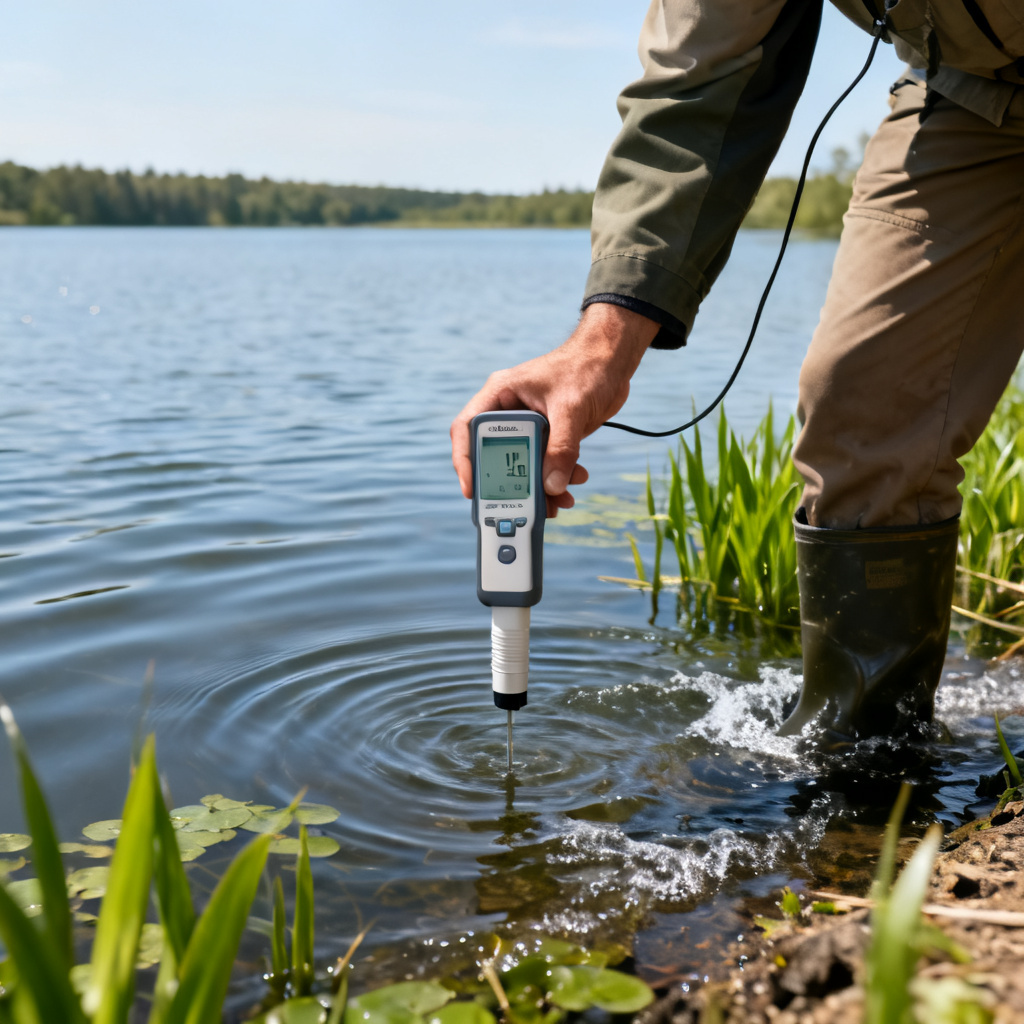
For occasional measurements (e.g., weekly field surveys), a cheap DO sensor at $150 is practical. Calibrate before each use to maintain reasonable accuracy.
Educational or Training Environments
In classrooms, a cheap DO sensor is affordable to replace if mishandled. High school biology labs benefit from its low cost for demonstration purposes.
Budget-Constrained Projects
NGOs or developing-world projects can purchase three $200 cheap DO sensors instead of one $600 optical unit, accepting more frequent calibration.
Non-Critical Accuracy Applications
If you only need trend data (e.g., dissolved oxygen above or below 2 mg/L), a cheap DO sensor suffices. Aquaculture farmers use it to check dangerous low levels.
Key limitations: Frequent maintenance, flow sensitivity (can read 20–30% low in stagnant water), drift exceeding 5% per week, and H₂S poisoning.
3. When to Choose a Premium Optical Dissolved Oxygen Sensor
A premium optical dissolved oxygen sensor is the gold standard for reliable, low-maintenance, high-accuracy monitoring.
Long-Term Continuous Monitoring
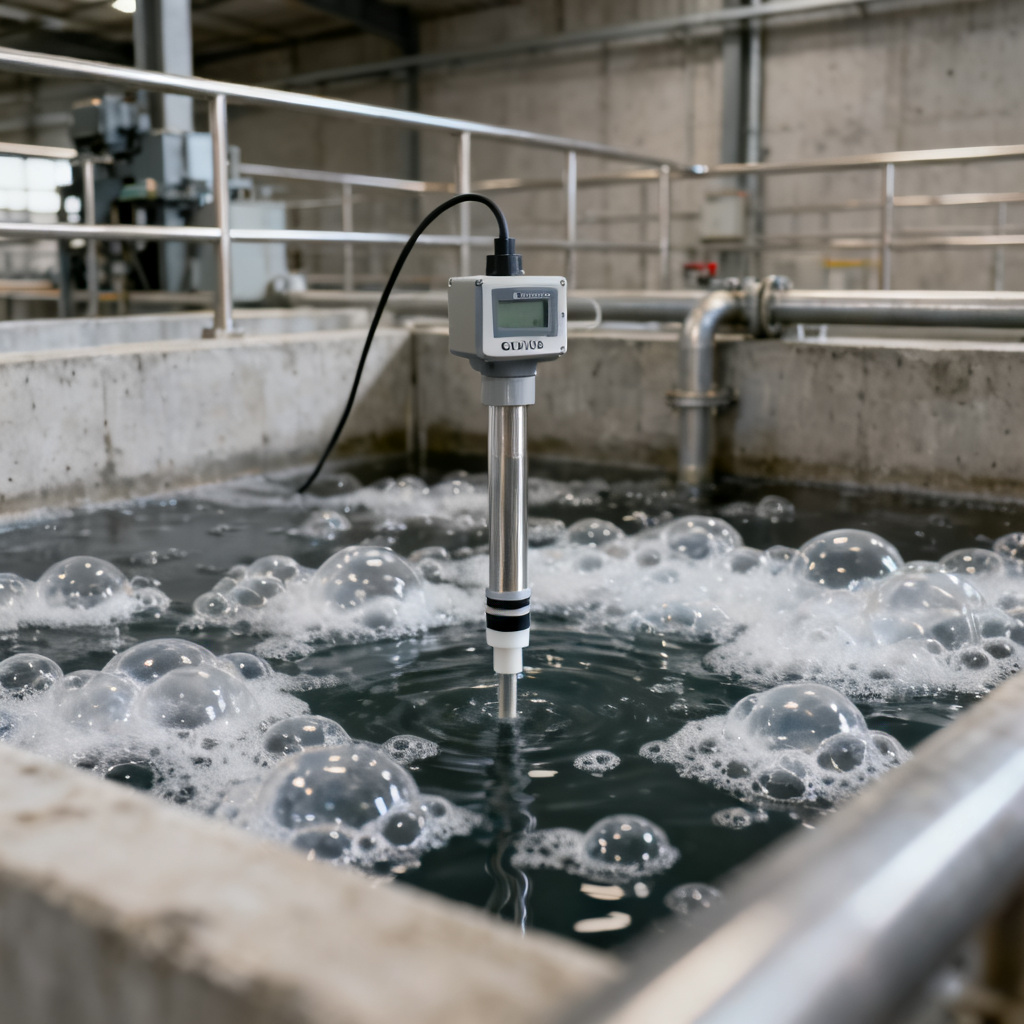
In wastewater treatment plants, a premium optical dissolved oxygen sensor runs 6–12 months without recalibration. One municipal WWTP reduced aeration energy by 15% using accurate real-time dissolved oxygen control.
Harsh or Chemically Aggressive Environments
Immune to H₂S, sulfides, and chlorine, a premium optical dissolved oxygen sensor lasts years in industrial effluents where a cheap DO sensor fails within weeks.
High Precision and Stability
Pharmaceutical production and research demand ±0.1 mg/L accuracy. A premium optical dissolved oxygen sensor maintains this precision; a cheap DO sensor drifts and requires constant recalibration.
Low-Flow or Stagnant Water
A premium optical dissolved oxygen sensor works accurately in lakes, reservoirs, and groundwater wells without flow. A cheap DO sensor gives false low readings here.
Remote or Unattended Installations
In aquaculture ponds or offshore buoys, a premium optical dissolved oxygen sensor operates months without human intervention. A Norwegian fish farm saved thousands in labor using optical sensors with telemetry.
Key advantages: Zero maintenance (except cleaning), long calibration stability (6–12 months), no flow dependency, fast response (<60 seconds), wide range (0–20 mg/L), and chemical resistance.
4. Cost-Benefit Analysis: Total Cost of Ownership for Dissolved Oxygen Sensor
Comparing only initial price is misleading. Total cost includes maintenance, calibration, parts, and downtime.
| Cost Factor | Cheap DO Sensor (Galvanic) | Premium Optical Dissolved Oxygen Sensor |
|---|---|---|
| Initial purchase | $200 | $1,500 |
| Membrane kits (12/year × $15) | $540 | $0 |
| Electrolyte refills (12/year × $5) | $180 | $0 |
| Calibration solution (12/year × $10) | $360 | $20 (once) |
| Labor for maintenance (1 hr/month × $50/hr) | $1,800 | $200 (cleaning only) |
| Replacement sensor (after 2 years) | $200 | $0 (lasts 5+ years) |
| Total TCO | $3,280 | $1,720 |
Even though the premium optical dissolved oxygen sensor costs 7.5x more upfront, its total cost over 3 years is 47% lower. For continuous monitoring, it pays for itself in under 18 months.
5. Decision Matrix for Dissolved Oxygen Sensor Selection
| Application | Recommended Dissolved Oxygen Sensor | Key Reason |
|---|---|---|
| Occasional field survey (1–2 times/month) | Cheap DO sensor (galvanic) | Low initial cost, acceptable drift |
| High school/college lab | Cheap DO sensor (polarographic) | Affordable, easy to replace |
| Wastewater treatment plant (continuous) | Premium optical dissolved oxygen sensor | Low TCO, no drift, immune to H₂S |
| Aquaculture (remote ponds) | Premium optical dissolved oxygen sensor | No flow needed, long calibration stability |
| Pharmaceutical production | Premium optical dissolved oxygen sensor | High accuracy, no chemical interference |
| Environmental research (long-term) | Premium optical dissolved oxygen sensor | Reliable data, minimal maintenance |
| Budget-limited project (short-term) | Cheap DO sensor | Lower upfront cost |
6. Common Misconceptions About Dissolved Oxygen Sensors
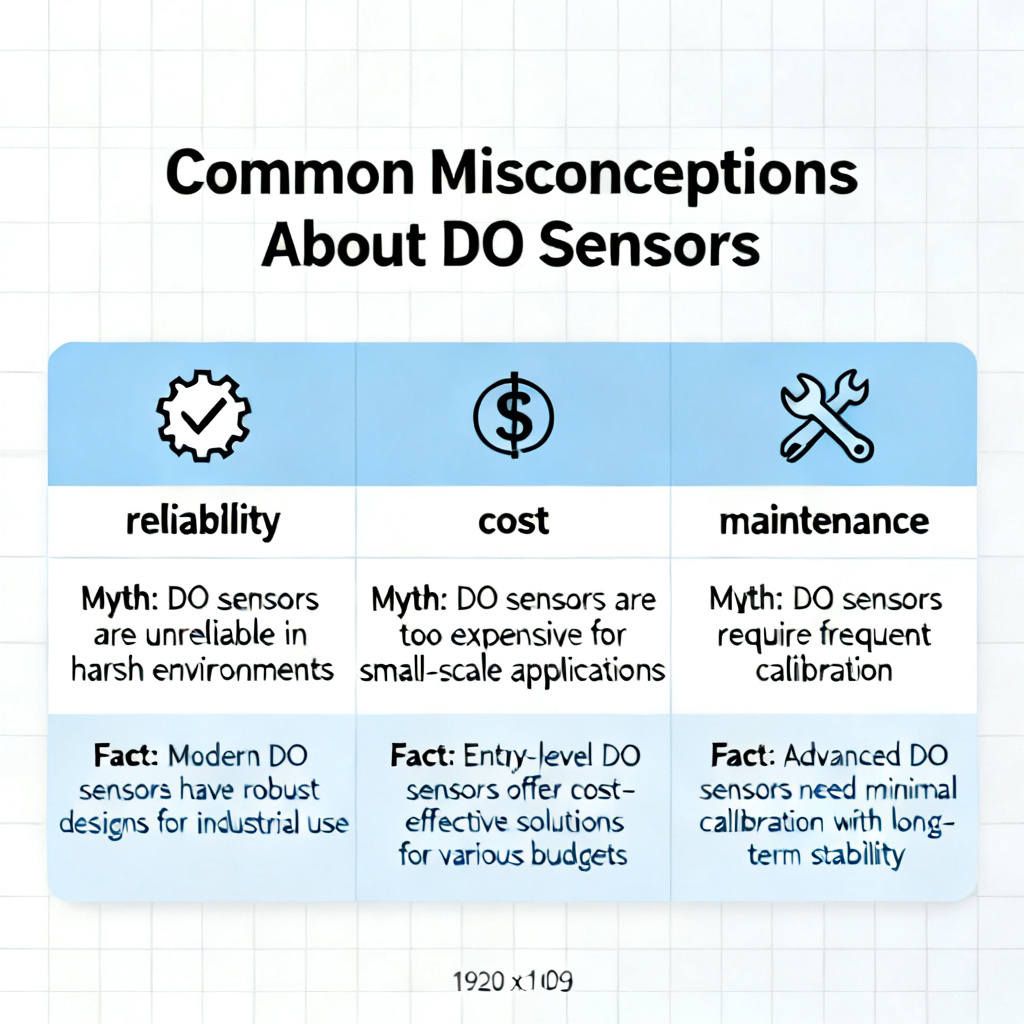
Misconception: Optical sensors are always better.
For short-term or low-accuracy needs, a cheap DO sensor is more cost-effective. Overbuying premium technology wastes capital.
Misconception: Cheap DO sensors are unreliable.
A cheap DO sensor is reliable with frequent calibration, proper flow, and regular membrane changes. Unreliability comes from misuse.
Misconception: Optical sensors never need calibration.
A premium optical dissolved oxygen sensor still needs periodic cleaning and occasional calibration every 6–12 months, but far less often than a cheap DO sensor.
Misconception: All cheap DO sensors are the same.
Quality varies widely. A $100 cheap DO sensor from a reputable brand may outperform a $50 generic unit. Always check specifications.
7. Future Trends and Recommendations for Dissolved Oxygen Sensor Buyers
The industry shifts toward optical dissolved oxygen sensors due to reliability and lower TCO, especially in IoT and smart monitoring. However, cheap DO sensors remain viable for niche applications.
For independent sensor manufacturers: focus on optical dissolved oxygen sensor development at competitive prices ($500–$800) to capture mid-market share. Provide educational content to help customers calculate TCO and justify the upfront investment.
FAQ: Dissolved Oxygen Sensor Selection
What is the main difference between a cheap DO sensor and a premium optical dissolved oxygen sensor?
A cheap DO sensor uses electrochemical technology requiring frequent maintenance, while a premium optical dissolved oxygen sensor uses luminescent technology with minimal upkeep and higher accuracy.
When should I choose a cheap DO sensor over a premium optical dissolved oxygen sensor?
Choose a cheap DO sensor for short-term use, educational settings, or budget-constrained projects where accuracy is not critical.
Is a premium optical dissolved oxygen sensor worth the higher initial cost?
Yes, for continuous monitoring or harsh environments, a premium optical dissolved oxygen sensor offers lower total cost of ownership over 3 years due to reduced maintenance and longer lifespan.
Can a cheap DO sensor be used in aquaculture?
Yes, for basic trend checks, but a premium optical dissolved oxygen sensor is recommended for remote ponds due to no flow dependency and long calibration stability.
How often does a premium optical dissolved oxygen sensor need calibration?
Typically every 6–12 months, compared to a cheap DO sensor which may need calibration before each use.
Glossary of Key Dissolved Oxygen Sensor Terms
- Galvanic sensor: A type of cheap DO sensor that generates its own voltage, requiring no external power.
- Polarographic sensor: A cheap DO sensor requiring an external voltage to reduce oxygen at the cathode.
- Optical dissolved oxygen sensor: A premium sensor using fluorescence quenching for accurate, maintenance-free dissolved oxygen measurement.
- Luminescent dye: The sensing element in a premium optical dissolved oxygen sensor that reacts with oxygen.
- Total cost of ownership (TCO): The complete cost of a dissolved oxygen sensor over its lifespan, including maintenance and replacement.
- Flow dependency: The requirement of a cheap DO sensor for water movement to avoid oxygen depletion near the membrane.