style code after header 20260423 nosynced
Welcome to the definitive guide on the Galvanic DO Sensor Self-Powered No External Voltage. This technology simplifies dissolved oxygen measurement by generating its own electrical signal without requiring any external power. Ideal for remote monitoring, wastewater treatment, and aquaculture, the self-powered galvanic dissolved oxygen sensor offers instant readings and low maintenance. In this pillar content, we explore every aspect of the galvanic DO sensor self-powered no external voltage design, from working principles to applications and selection criteria.
1. How a Galvanic DO Sensor Self-Powered No External Voltage Works
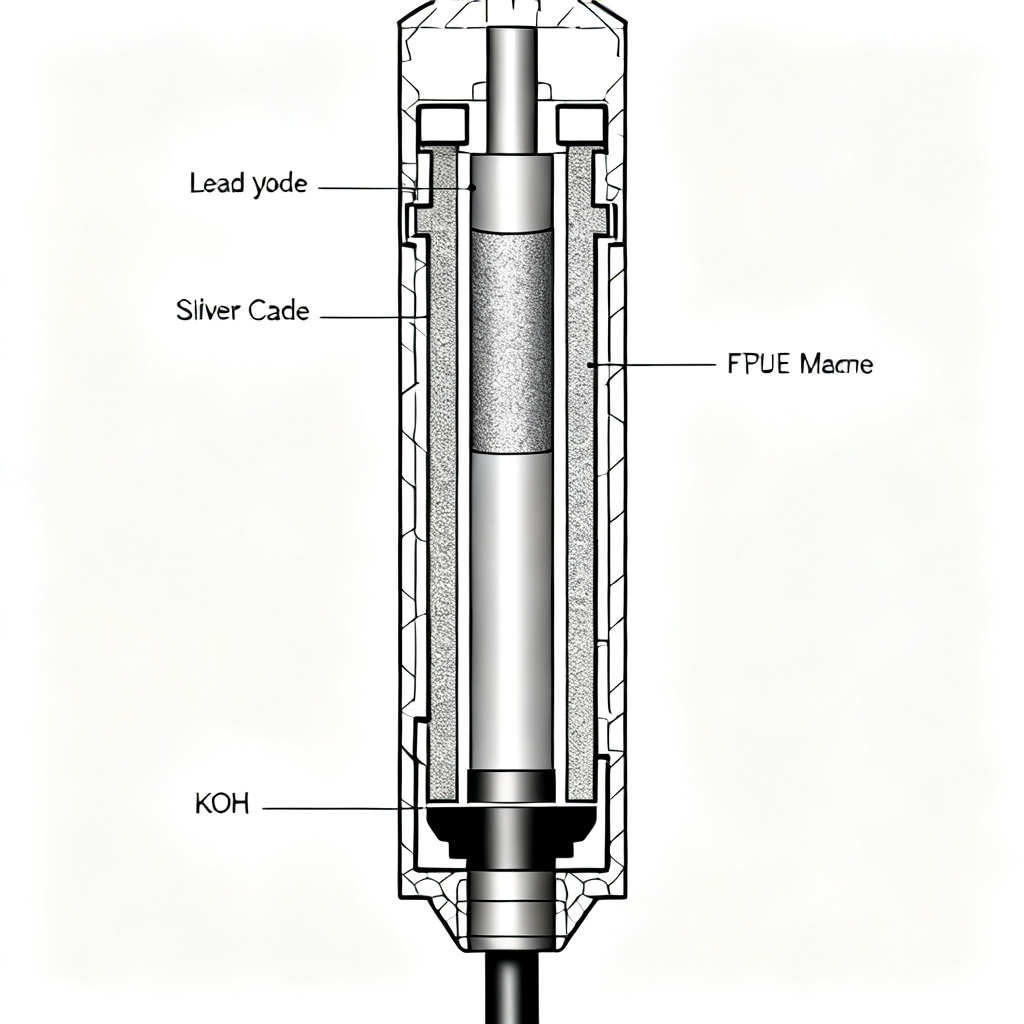
The galvanic DO sensor self-powered no external voltage operates as a miniature battery. Unlike polarographic sensors that need an external voltage (0.5–1.0 VDC) to polarize the cathode, the galvanic dissolved oxygen sensor relies on a spontaneous electrochemical reaction between two dissimilar metals. Key components include a lead (Pb) or zinc (Zn) anode, a silver (Ag) or gold (Au) cathode, a potassium hydroxide (KOH) electrolyte, and a PTFE membrane permeable to oxygen. When oxygen diffuses through the membrane, it is reduced at the cathode, while the anode oxidizes. This electron flow generates a current directly proportional to the oxygen partial pressure—no external voltage is needed. The galvanic DO sensor self-powered no external voltage provides a linear output in microamperes (µA) and is always ready for measurement with zero warm-up time.
2. Advantages of the Galvanic DO Sensor Self-Powered No External Voltage
The galvanic DO sensor self-powered no external voltage offers clear benefits over polarographic alternatives. Below is a structured comparison table highlighting key differences.
| Feature | Galvanic DO Sensor Self-Powered No External Voltage | Polarographic DO Sensor |
|---|---|---|
| Power Requirement | None (self-powered) | Requires 0.5–1.0 VDC |
| Start-up Time | Instant (always ready) | 5–15 minutes warm-up |
| Electrode Stability | Stable; no periodic polarization | Requires re-polarization |
| Electrolyte Consumption | Minimal; long life | Consumed faster |
| Signal Drift | Low drift over time | Higher drift |
| Maintenance | Low; replace membrane cap periodically | Higher; clean and refill electrolyte |
| Interference | Less susceptible to H₂S, CO₂ | More sensitive to chemicals |
| Cost | Moderate initial, low long-term | Lower initial, higher operational |
Additional advantages of the galvanic DO sensor self-powered no external voltage include safety in explosive environments (no spark risk), compatibility with solar or battery-powered data loggers, and direct connection to a multimeter without a potentiostat. The self-powered nature also eliminates the need for complex wiring in remote installations.
3. Key Applications of the Galvanic DO Sensor Self-Powered No External Voltage
The galvanic DO sensor self-powered no external voltage is widely used across industries due to its ruggedness and reliability. Below are primary applications with detailed insights.
3.1 Wastewater Treatment
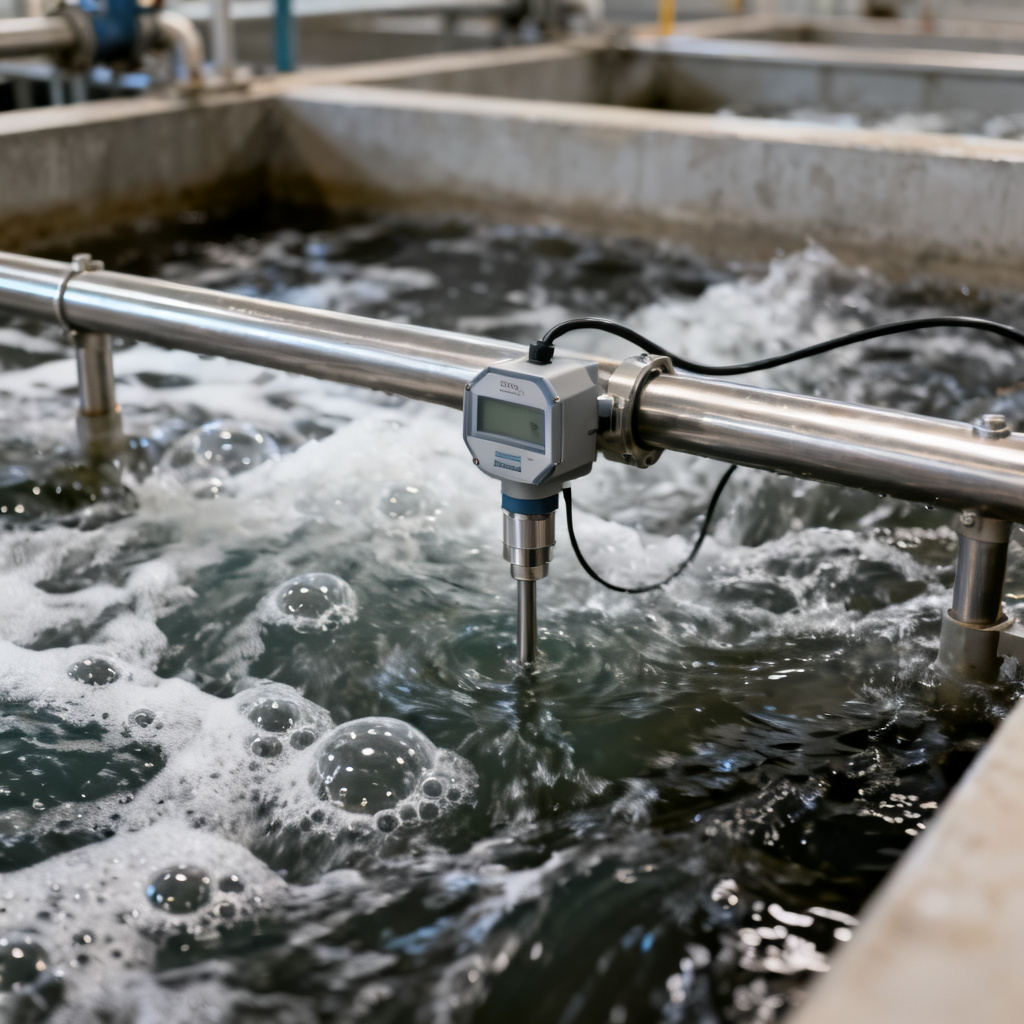
In wastewater treatment, the galvanic DO sensor self-powered no external voltage monitors aeration basins to optimize blower energy and ensure effluent compliance (>2 mg/L DO). The self-powered design eliminates the need for local power, and long cable runs are possible without signal degradation.
3.2 Aquaculture and Fish Farming
For aquaculture, the galvanic DO sensor self-powered no external voltage prevents fish kills by providing continuous oxygen monitoring in ponds, raceways, and recirculating systems. Its instant readiness after cleaning or relocation is a major operational advantage.
3.3 Environmental Monitoring
In environmental monitoring, the galvanic DO sensor self-powered no external voltage is deployed in rivers, lakes, and groundwater boreholes. Battery-powered data loggers paired with this sensor can run for months without maintenance, making it ideal for long-term studies.
3.4 Industrial Process Control
Industries such as brewing, fermentation, and chemical processing use the galvanic DO sensor self-powered no external voltage to monitor oxygen in bioreactors and inert gas blankets. The absence of external voltage reduces complexity in hazardous areas.
3.5 Laboratory and Research
For BOD testing and respirometry, the galvanic DO sensor self-powered no external voltage provides stable readings over extended periods. Its low drift ensures accurate oxygen uptake rate measurements.
4. Installation and Setup for Galvanic DO Sensor Self-Powered No External Voltage
Proper installation of the galvanic DO sensor self-powered no external voltage ensures accurate, long-term performance. Follow these best practices.
4.1 Sensor Orientation
Mount the galvanic DO sensor self-powered no external voltage vertically or at a 15–45° angle with the membrane facing downward. This prevents air bubbles from trapping against the membrane, which can cause erratic readings.
4.2 Cable and Connection
Use shielded twisted-pair cable for the galvanic DO sensor self-powered no external voltage to minimize electromagnetic interference. Maximum cable length is typically 100–300 meters (330–980 feet). Connect directly to a data logger or readout device measuring current (µA) or voltage across a precision resistor.
4.3 Flow Requirements
The galvanic DO sensor self-powered no external voltage requires a minimum flow velocity of 0.3–0.5 m/s (1–1.6 ft/s) to ensure fresh sample reaches the membrane. In stagnant water, use a stirrer or pump to avoid oxygen depletion at the membrane.
4.4 Temperature Compensation
Most galvanic DO sensor self-powered no external voltage models include a built-in thermistor (e.g., 30kΩ or 10kΩ at 25°C) for automatic temperature compensation. If manual compensation is needed, use the formula: DO_corrected = DO_measured × (C_sat(T) / C_sat(25°C)), where C_sat is the saturation concentration at the sample temperature.
5. Calibration and Maintenance of Galvanic DO Sensor Self-Powered No External Voltage
Regular calibration and maintenance of the galvanic DO sensor self-powered no external voltage are essential for accuracy.
5.1 Calibration Methods
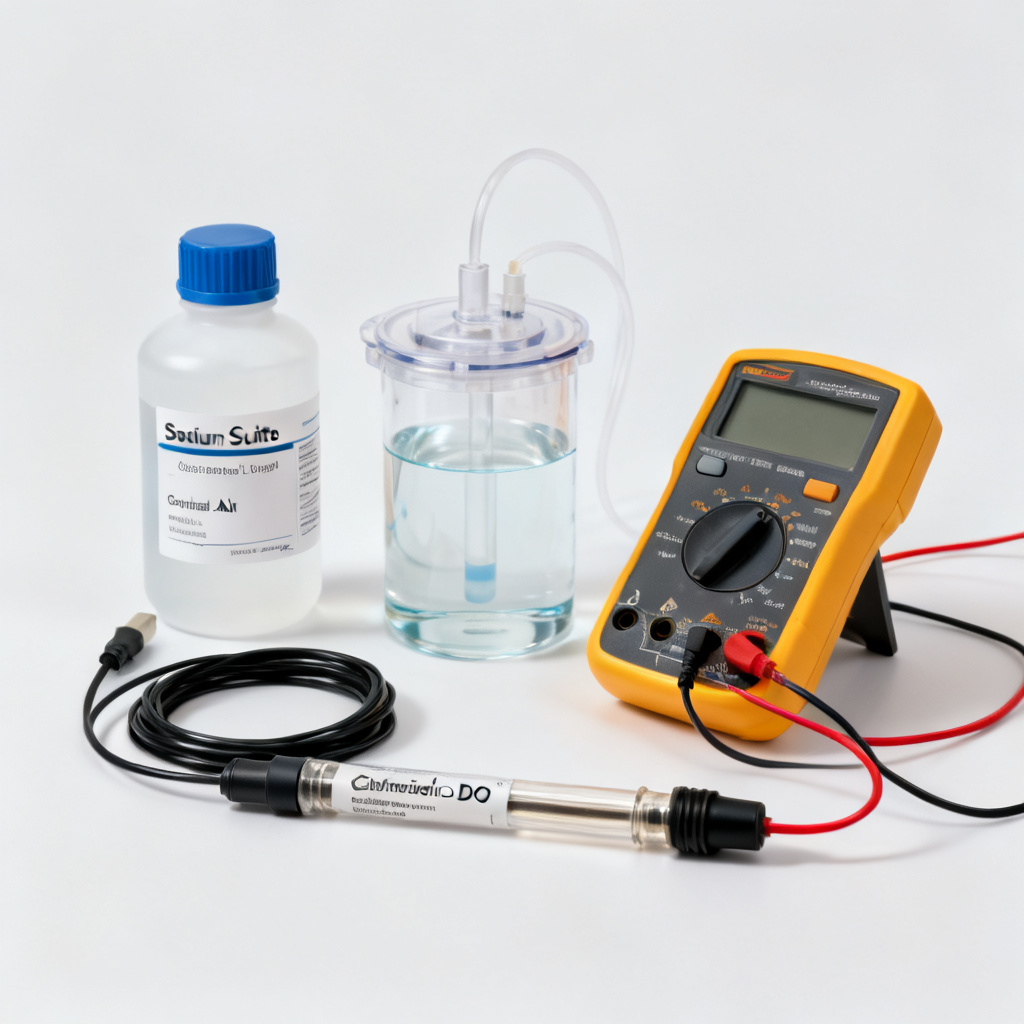
For the galvanic DO sensor self-powered no external voltage, a two-point calibration is recommended. First, place the sensor in a 2% sodium sulfite solution (or nitrogen-purged water) to establish the zero point (0 mg/L). Second, place it in water-saturated air or air-saturated water to set the span point at the theoretical DO value for the current temperature and barometric pressure. Allow 5–10 minutes for stabilization at each point.
5.2 Routine Maintenance Checklist
| Interval | Task |
|---|---|
| Weekly | Clean membrane with soft cloth; check for damage. |
| Monthly | Replace electrolyte (if refillable) or check cap condition. |
| Quarterly | Recalibrate; inspect cable and connector. |
| Annually | Replace membrane cap assembly (or entire sensor if non-refillable). |
5.3 Troubleshooting Common Issues
| Symptom | Possible Cause | Solution |
|---|---|---|
| Low or zero reading | Membrane fouled; no flow; empty electrolyte | Clean membrane; increase flow; refill electrolyte. |
| Erratic readings | Air bubbles on membrane; cable interference | Reorient sensor; use shielded cable. |
| Slow response | Old membrane; thick biofilm | Replace membrane; clean with mild detergent. |
| Drift downward | Electrolyte depletion; anode consumed | Replace sensor cap or entire sensor. |
| High reading | Calibration error; temperature mismatch | Recalibrate; verify temperature compensation. |
6. Selecting the Right Galvanic DO Sensor Self-Powered No External Voltage
When choosing a galvanic DO sensor self-powered no external voltage, consider these parameters: measurement range (0–20 mg/L or up to 40 mg/L), accuracy (±0.1 mg/L or ±1% of reading), response time (T90 <30 seconds), membrane material (PTFE or silicone), electrolyte type (gel or liquid), temperature range (0–50°C standard, up to 80°C for high-temp models), and pressure rating (up to 30 psi for submersible models). Output options include direct µA (0–100 µA) or 4–20 mA with an integrated transmitter. For export B2B clients, a rugged refillable model (e.g., our GDO-200 series) offers low total cost of ownership and field-repairable design. For remote environmental monitoring, a sealed gel-filled sensor with a 1-year maintenance interval is recommended.
7. Galvanic DO Sensor Self-Powered No External Voltage vs. Optical DO Sensors
While optical (LDO) sensors are popular, the galvanic DO sensor self-powered no external voltage holds distinct advantages in specific scenarios.
| Factor | Galvanic DO Sensor Self-Powered No External Voltage | Optical (LDO) DO Sensor |
|---|---|---|
| Power | None | Requires 3–24 VDC |
| Calibration Stability | Good (drift <1% per month) | Excellent (drift <1% per year) |
| Response Time | Fast (T90 <30 sec) | Slower (T90 <60 sec) |
| Interference | H₂S, CO₂ can affect | None from gases; chlorine can damage |
| Operating Life | 1–2 years (membrane/anode) | 2–5 years (foil cap) |
| Cost | Lower initial, moderate maintenance | Higher initial, low maintenance |
| Best For | High-flow, dirty water, remote sites | Clean water, long-term unattended use |
Choose the galvanic DO sensor self-powered no external voltage when you need a rugged, low-cost solution for challenging environments without external power.
8. Our Galvanic DO Sensor Self-Powered No External Voltage Product Line
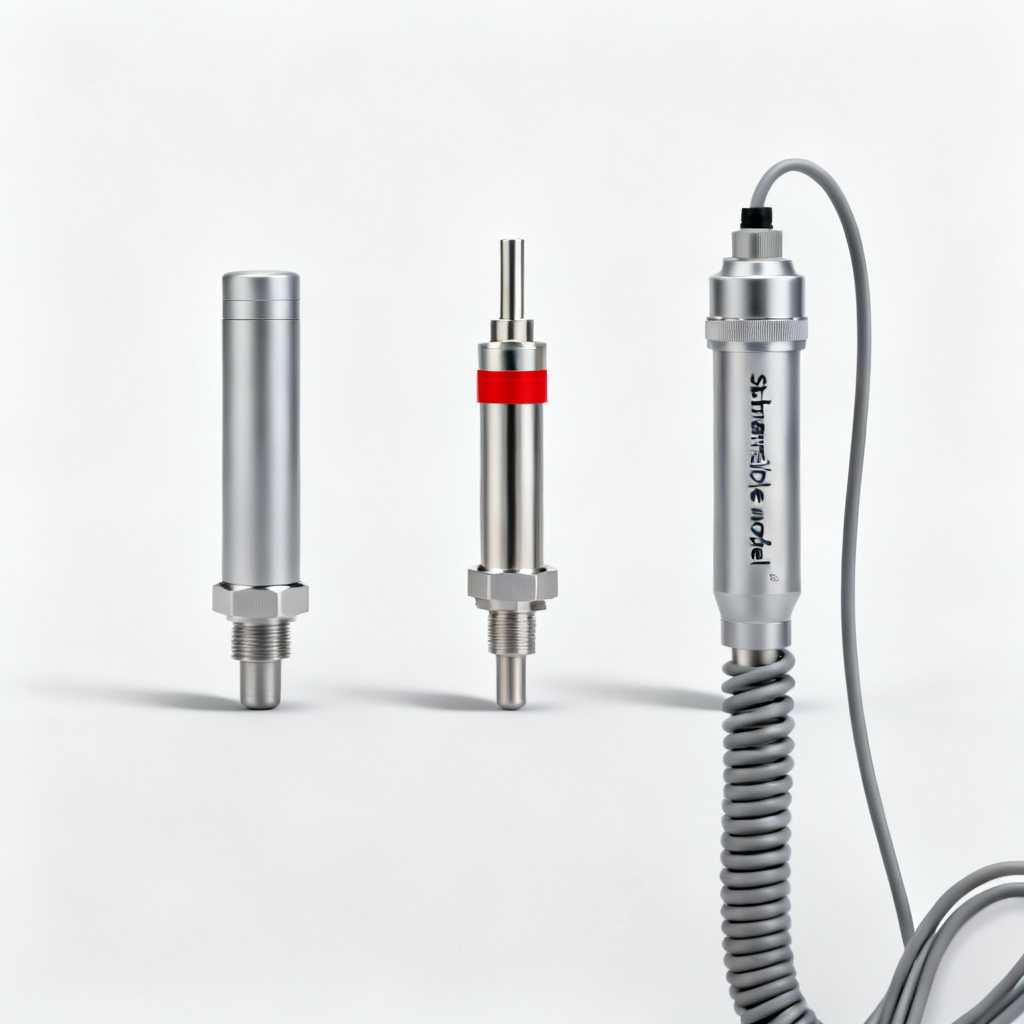
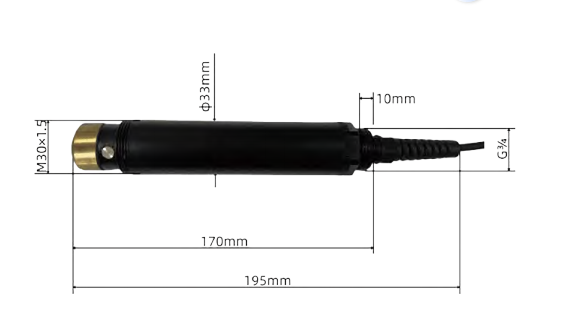
As a specialized manufacturer, we offer a range of galvanic DO sensor self-powered no external voltage models tailored to your needs: Standard Model (0–20 mg/L, 0–50°C), High-Temperature Model (up to 80°C), Submersible Model (IP68, depths to 30 meters), and Custom Options (cable length, connector type, output signal). Each sensor is individually calibrated and tested. We provide full technical documentation, calibration kits, and spare parts. OEM/ODM services are available for your brand or application.
9. Frequently Asked Questions About Galvanic DO Sensor Self-Powered No External Voltage
Can a galvanic DO sensor self-powered no external voltage be used without any external device?
Yes, you can measure the output current of the galvanic DO sensor self-powered no external voltage directly with a multimeter in µA mode. For continuous monitoring, connect to a data logger or controller.
How long does a galvanic DO sensor self-powered no external voltage last?
Typically 1–2 years depending on usage and water quality. The anode is consumed over time; when depleted, replace the sensor cap or entire galvanic DO sensor self-powered no external voltage.
Does the galvanic DO sensor self-powered no external voltage need to be polarized before use?
No. The galvanic DO sensor self-powered no external voltage is always active. Just remove the storage cap, rinse, and install.
How do I store a galvanic DO sensor self-powered no external voltage?
Keep the membrane moist. Use the provided storage cap with a few drops of water or electrolyte. Do not let the membrane of your galvanic DO sensor self-powered no external voltage dry out.
Can I use a galvanic DO sensor self-powered no external voltage in seawater?
Yes, but calibration should be done in seawater or with a salinity correction factor. The galvanic DO sensor self-powered no external voltage is compatible with saline environments.
What is the effect of barometric pressure on the galvanic DO sensor self-powered no external voltage?
DO concentration is directly proportional to barometric pressure. Always enter the current pressure (in mmHg or hPa) during calibration of your galvanic DO sensor self-powered no external voltage. For every 1% change in pressure, DO changes by approximately 1%.
Is there a risk of lead contamination from the galvanic DO sensor self-powered no external voltage?
The lead anode is sealed inside the galvanic DO sensor self-powered no external voltage. Under normal use, no lead enters the sample. For food/pharma applications, we offer a lead-free zinc anode version.
10. Conclusion: Galvanic DO Sensor Self-Powered No External Voltage
The Galvanic DO Sensor Self-Powered No External Voltage is the workhorse of dissolved oxygen measurement. Its simplicity, reliability, and zero power consumption make it indispensable for wastewater treatment, aquaculture, environmental monitoring, and industrial process control. By understanding its working principle, installation requirements, and maintenance needs, you can achieve years of accurate, trouble-free operation. Contact us for a quote or technical consultation on our galvanic DO sensor self-powered no external voltage product line.