Selecting the right galvanic vs polarographic dissolved oxygen sensor is critical for accurate water quality monitoring in applications like wastewater treatment, aquaculture, and industrial process control. This comprehensive guide compares both electrochemical technologies to help you make an informed purchasing decision for your specific dissolved oxygen sensor requirements.
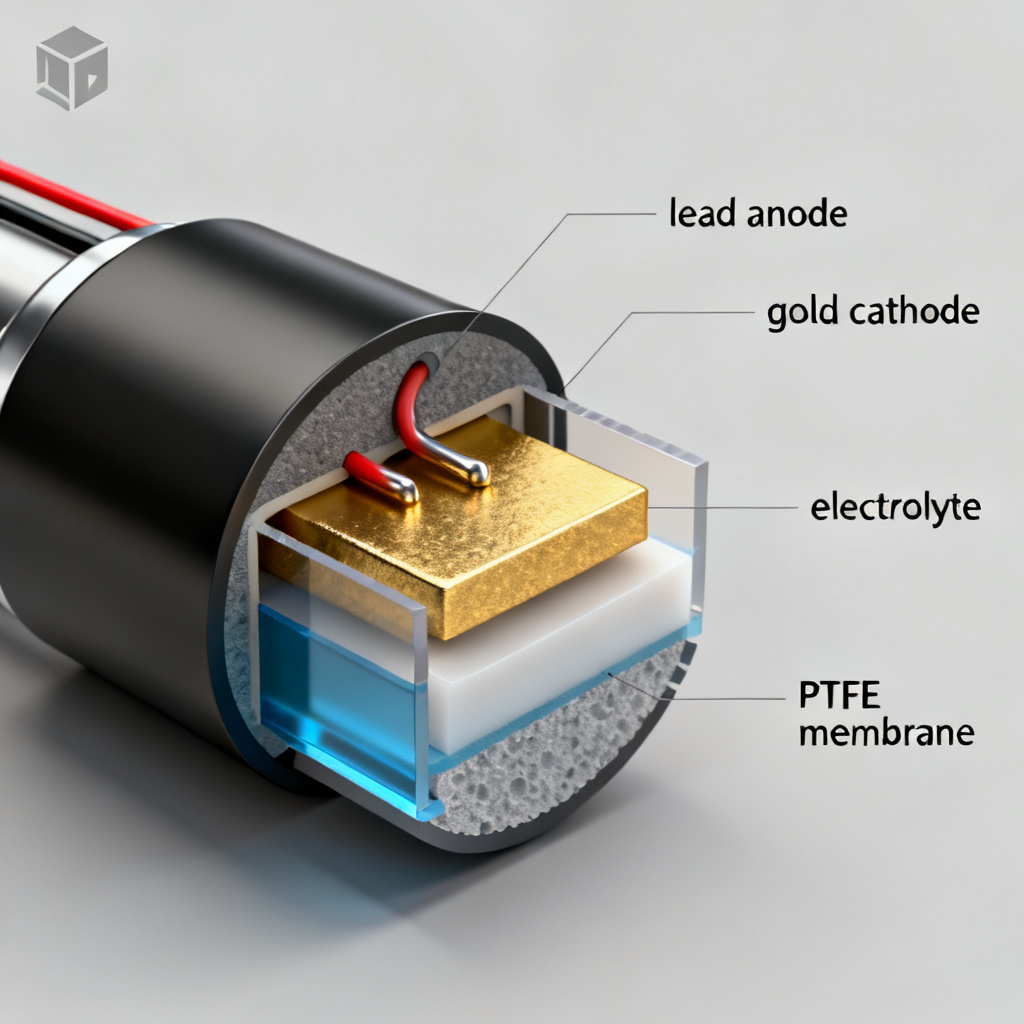
How Galvanic and Polarographic Dissolved Oxygen Sensors Work
Both galvanic and polarographic dissolved oxygen sensors measure oxygen concentration through electrochemical reduction at a cathode. However, the power source and electrode materials create fundamental differences in operation.
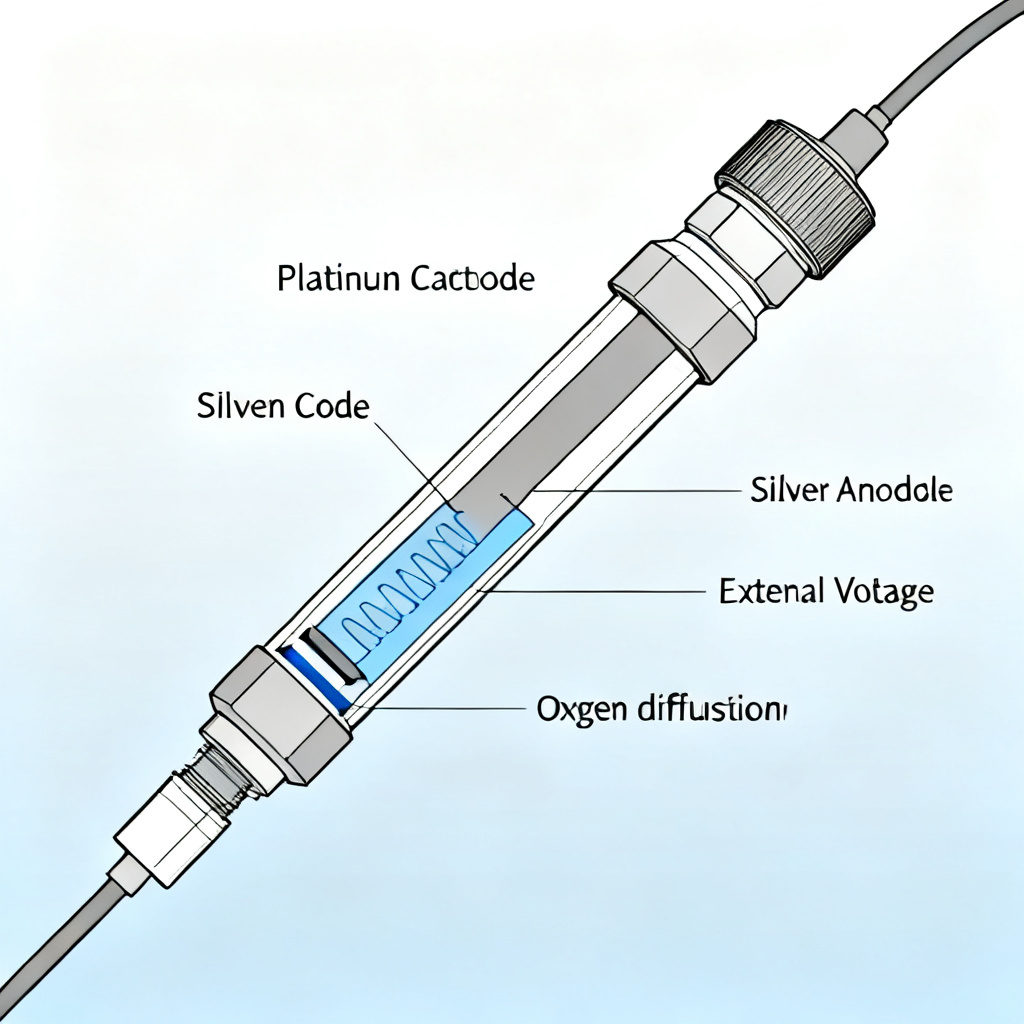
Polarographic Dissolved Oxygen Sensor Working Principle
A polarographic dissolved oxygen sensor, also known as a Clark cell, requires an external voltage (typically 0.6 to 0.8 V) applied between a platinum or gold cathode and a silver/silver chloride anode. This voltage polarizes the cathode, enabling oxygen reduction. The resulting current is proportional to the dissolved oxygen partial pressure. Key characteristics include: external power requirement, warm-up period of 15 minutes to 2 hours, and use of platinum or gold cathode material with silver/silver chloride anode.
Galvanic Dissolved Oxygen Sensor Working Principle
A galvanic dissolved oxygen sensor is self-powered through dissimilar metals. A gold cathode and a lead, zinc, or silver anode generate their own voltage via chemical reaction. No external power is needed, and the sensor provides instant readings upon immersion. The gold cathode and reactive metal anode eliminate warm-up time entirely, making this dissolved oxygen sensor ideal for field and process applications.
Performance and Accuracy of Dissolved Oxygen Sensors
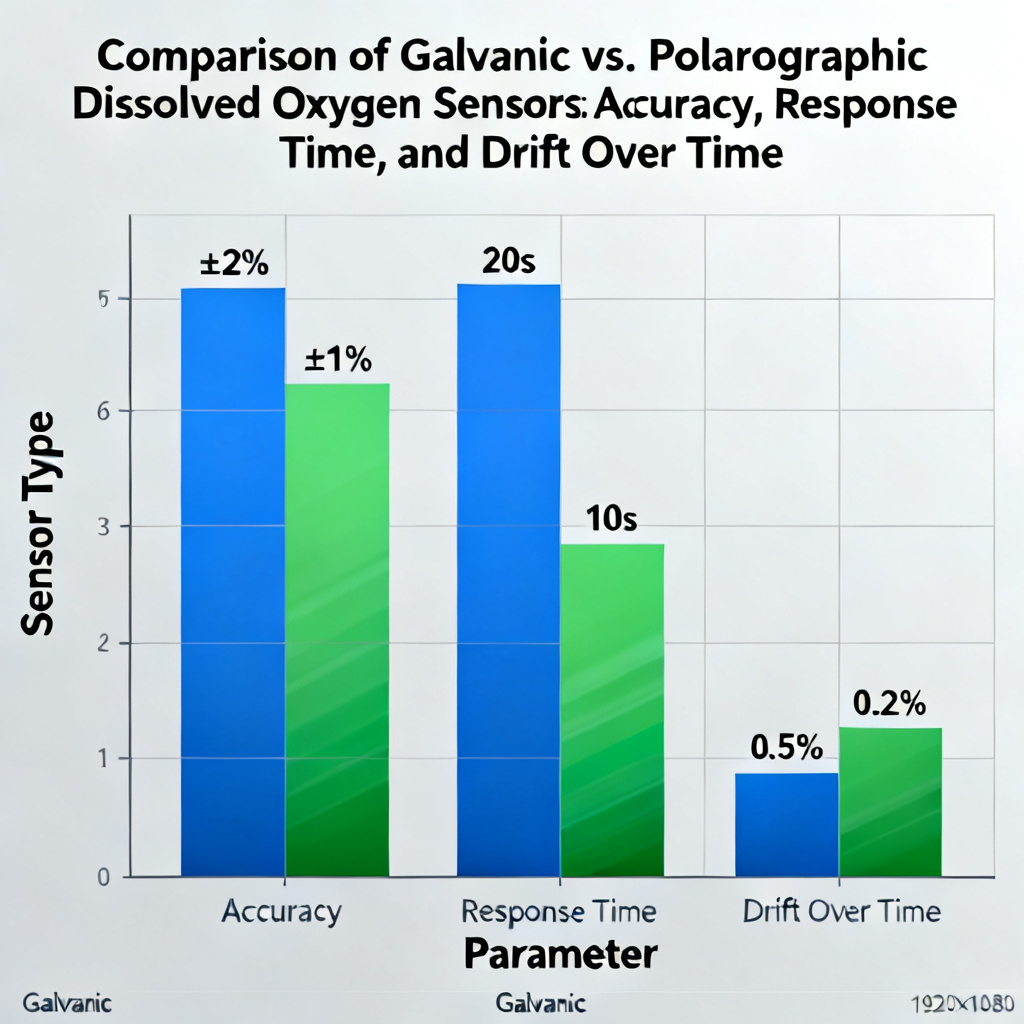
When evaluating galvanic vs polarographic dissolved oxygen sensor performance, accuracy, response time, and drift characteristics differ significantly.
Accuracy and Linearity
Polarographic dissolved oxygen sensors offer excellent linearity and high accuracy across 0–20 ppm ranges, making them the gold standard for laboratory and research applications. However, they are sensitive to voltage drift. Galvanic dissolved oxygen sensors provide very good accuracy, though slightly lower at ultra-low concentrations below 0.5 ppm. For most industrial and environmental monitoring, the accuracy difference is negligible.
Response Time
Polarographic dissolved oxygen sensors typically achieve t90 in under 90 seconds due to small cathodes and thin membranes. However, the warm-up time is a major drawback. Galvanic dissolved oxygen sensors have a t90 of 2–3 minutes but offer instant-on capability, making the overall time to first stable reading often shorter.
Drift and Stability
Polarographic dissolved oxygen sensors exhibit minimal long-term drift, often less than 1% per month when properly polarized. Galvanic dissolved oxygen sensors show predictable drift as the lead anode is consumed, requiring regular calibration. The drift rate is higher near the end of the anode’s life but is manageable through scheduled maintenance.
Maintenance, Lifespan, and Cost Considerations
Total cost of ownership is a decisive factor when choosing between galvanic and polarographic dissolved oxygen sensors for B2B operations.
Maintenance Requirements
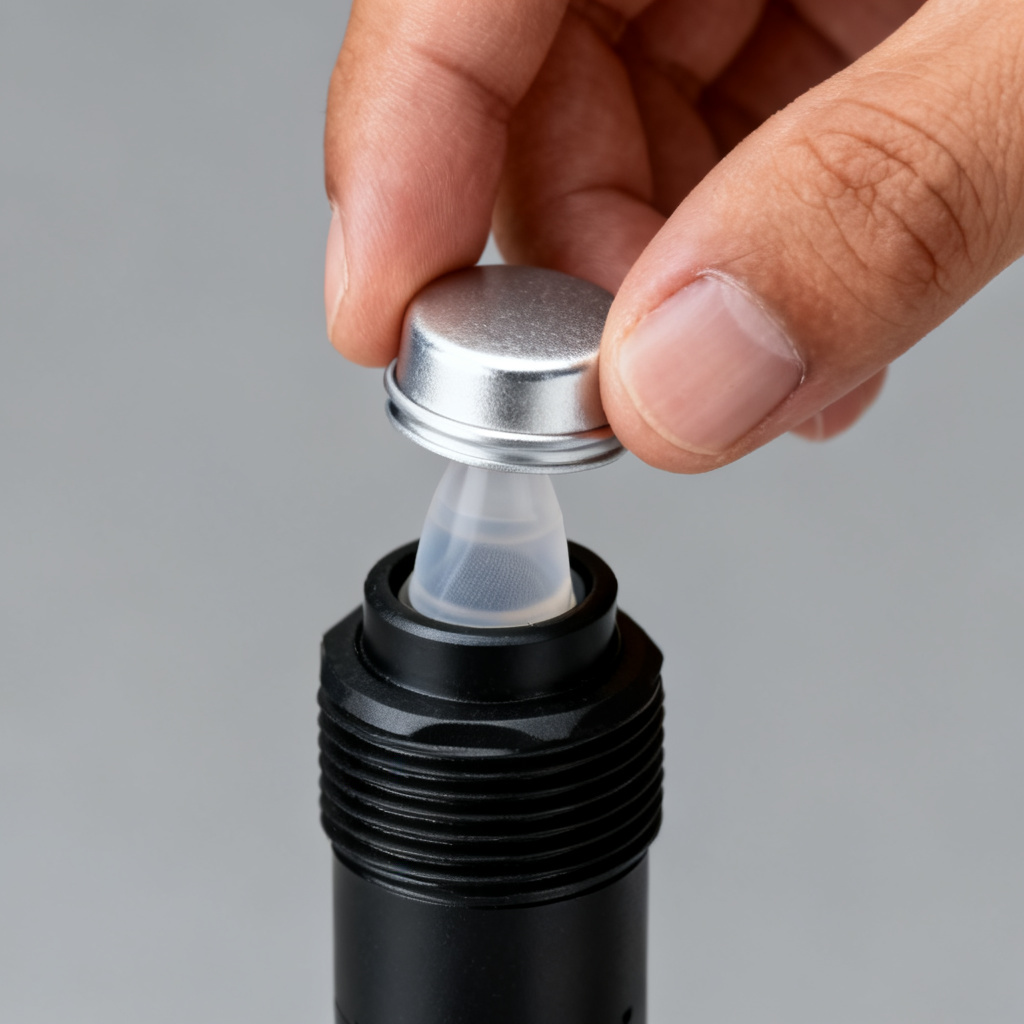
Polarographic dissolved oxygen sensors require high maintenance: electrolyte replacement every 1–3 months, delicate Teflon membrane replacement when damaged, and periodic anode cleaning. Polarization voltage must be verified regularly. Galvanic dissolved oxygen sensors offer low maintenance with sealed, pre-filled caps that are replaced entirely when depleted. The membrane is thicker and more resistant to mechanical damage, reducing operator intervention.
Lifespan and Consumables
Polarographic dissolved oxygen sensor bodies last years, but require frequent membrane and electrolyte refill kits. The ongoing consumable cost is significant. Galvanic dissolved oxygen sensors use a replaceable cap containing anode, cathode, electrolyte, and membrane, lasting 6–18 months. After cap replacement, the sensor is essentially new, making total cost of ownership predictable and lower.
Cost Comparison
Initial purchase price for polarographic dissolved oxygen sensors is generally lower. However, total cost of ownership over 2–3 years is higher due to frequent consumable purchases and labor. Galvanic dissolved oxygen sensors have a higher initial cost but significantly lower TCO due to simple cap replacement and reduced maintenance labor.
Application Suitability for Each Dissolved Oxygen Sensor Type
The best galvanic vs polarographic dissolved oxygen sensor depends entirely on your environment and operational priorities.
When to Choose a Polarographic Dissolved Oxygen Sensor
- Laboratory and research applications requiring maximum accuracy and stability
- Ultra-low dissolved oxygen measurements (ppb levels) for boiler feed water monitoring
- Clean, controlled environments with skilled technical staff
- Applications requiring very fast response below 60 seconds
When to Choose a Galvanic Dissolved Oxygen Sensor
- Wastewater treatment aeration basins and effluent monitoring requiring ruggedness and instant readiness
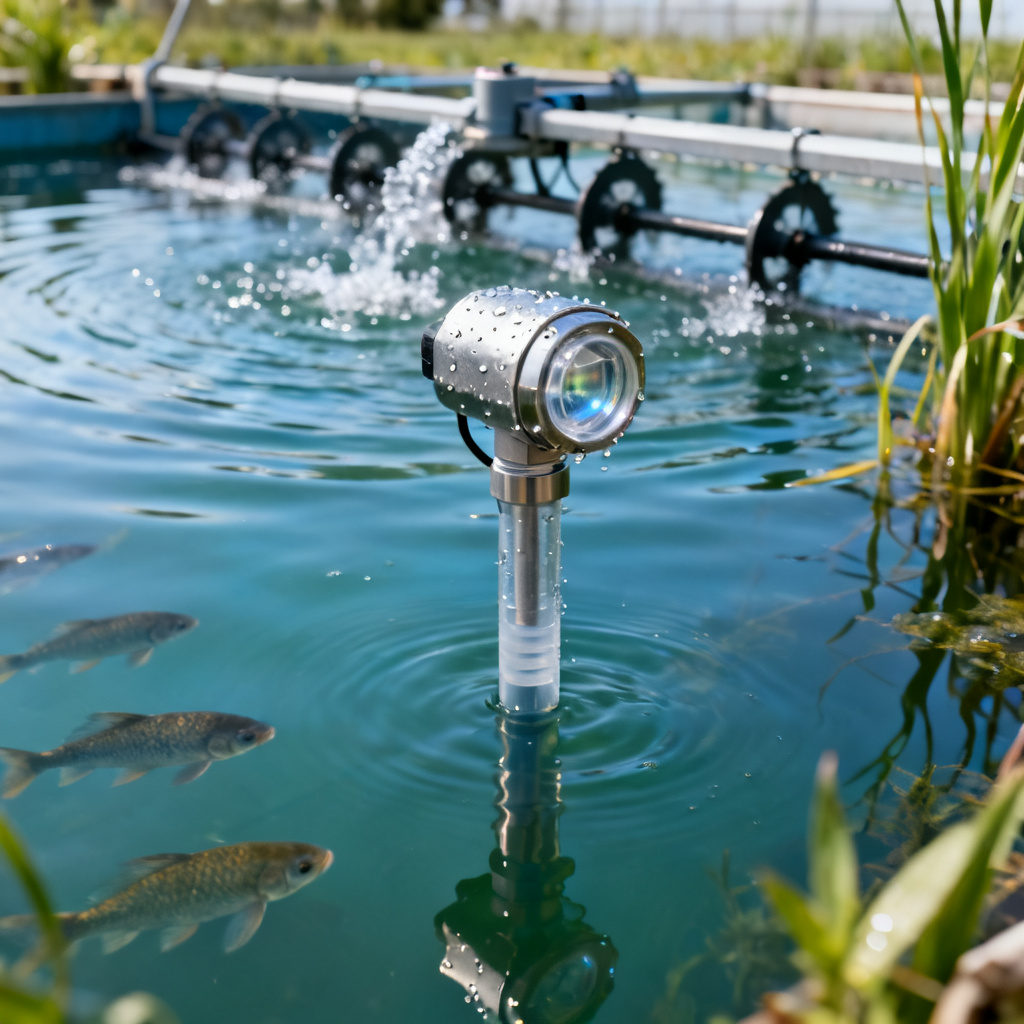
- Aquaculture and fish farming needing 24/7 reliable readings with easy maintenance
- Environmental field work where instant-on capability and robust membrane are essential
- Industrial effluent and process water with frequent fouling
- Any application with limited technical staff requiring simple operator maintenance
Galvanic vs Polarographic Dissolved Oxygen Sensor Comparison Table
| Feature | Polarographic Dissolved Oxygen Sensor | Galvanic Dissolved Oxygen Sensor |
|---|---|---|
| Power Source | External (0.6–0.8 V) | Self-powered (chemical) |
| Warm-Up Time | 15 minutes to 2 hours | Instant (no warm-up) |
| Accuracy | Excellent, very high linearity | Very good, slightly lower at low ppb |
| Response Time | Fast (t90 < 90 seconds) | Moderate (t90 2–3 minutes) |
| Drift | Very low | Predictable, higher over cap life |
| Maintenance | High – frequent membrane and electrolyte changes | Low – simple cap replacement |
| Consumables | Membranes, electrolyte, anode kits | Sensor cap (6–18 month life) |
| Initial Cost | Lower | Higher |
| TCO (2–3 years) | Higher | Lower |
| Best For | Lab, research, ultra-low DO | Field, wastewater, aquaculture, industrial |
Conclusion: Which Dissolved Oxygen Sensor Is Right for You?
There is no single best dissolved oxygen sensor for every application. Choose a polarographic dissolved oxygen sensor when your priority is maximum accuracy and stability in a controlled environment with skilled maintenance staff. Choose a galvanic dissolved oxygen sensor when you need robustness, low maintenance, instant readiness, and lower total cost of ownership in demanding environments like wastewater plants or fish farms.
For most industrial, environmental, and process applications, the galvanic dissolved oxygen sensor offers the best balance of performance, reliability, and operational simplicity. Its sealed, replaceable cap design has revolutionized dissolved oxygen measurement by making it accessible and affordable for continuous, unattended use.
If you are still unsure, consider your specific application’s temperature range, expected dissolved oxygen levels, and maintenance team skill level. For most B2B buyers, the galvanic dissolved oxygen sensor’s “set it and forget it” nature makes it the right choice for the long haul.
Frequently Asked Questions About Galvanic and Polarographic Dissolved Oxygen Sensors
What is the main difference between a galvanic and polarographic dissolved oxygen sensor?
The main difference is power source: a polarographic dissolved oxygen sensor requires an external voltage and warm-up time, while a galvanic dissolved oxygen sensor is self-powered and provides instant readings.
Which dissolved oxygen sensor is more accurate?
Polarographic dissolved oxygen sensors offer slightly higher accuracy and linearity, especially at very low concentrations. However, for most applications, the accuracy difference between the two dissolved oxygen sensor types is negligible.
How often do I need to replace the cap on a galvanic dissolved oxygen sensor?
A galvanic dissolved oxygen sensor cap typically lasts 6 to 18 months depending on usage and environmental conditions. Replacement restores the sensor to new condition.
Can I use a polarographic dissolved oxygen sensor for field work?
Yes, but the warm-up time and delicate membrane make it less suitable for field work compared to a galvanic dissolved oxygen sensor, which offers instant readiness and a more robust design.
What applications are best for each dissolved oxygen sensor type?
Polarographic dissolved oxygen sensors excel in laboratory, research, and ultra-low DO applications. Galvanic dissolved oxygen sensors are ideal for wastewater treatment, aquaculture, environmental monitoring, and industrial process control.