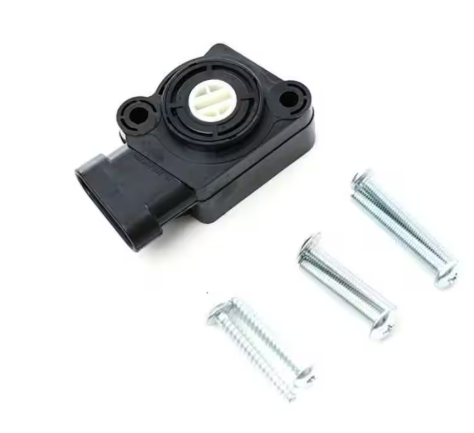
What is a Throttle Position Sensor(TPS)?
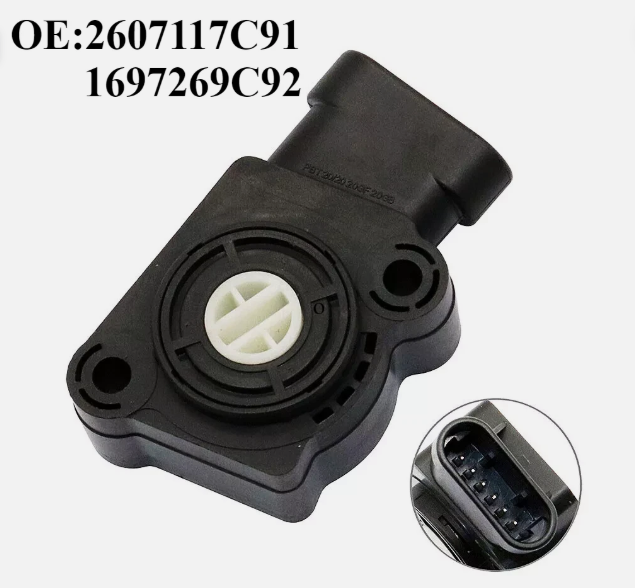
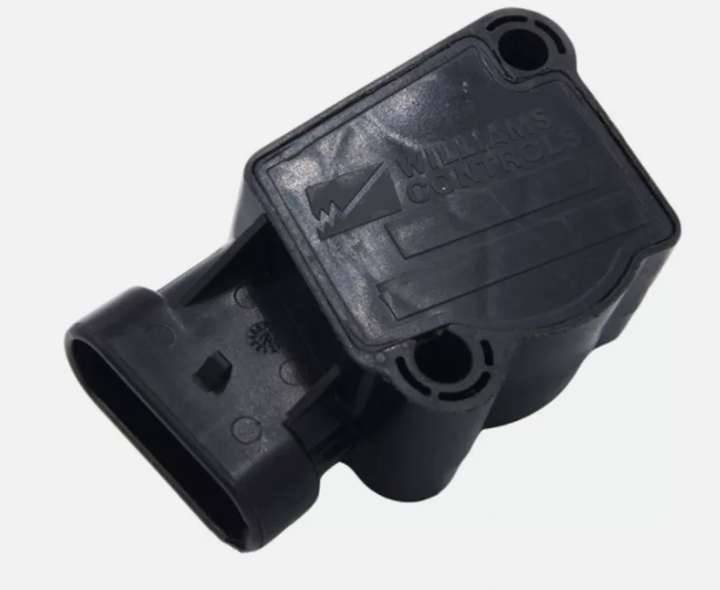
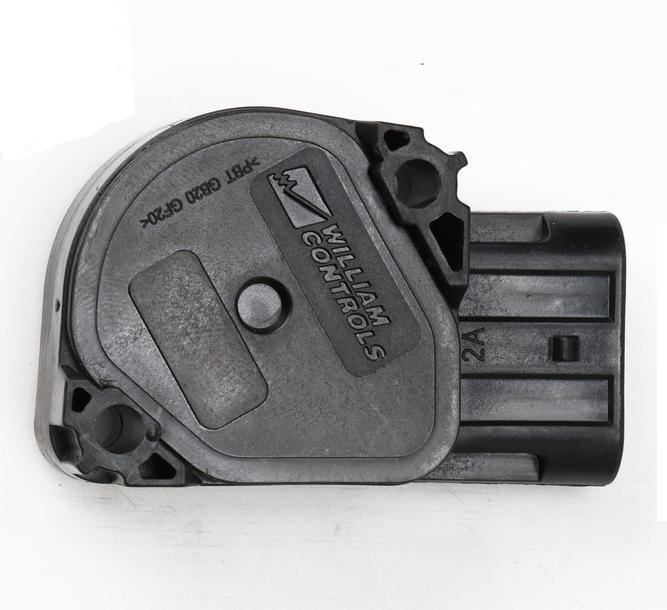
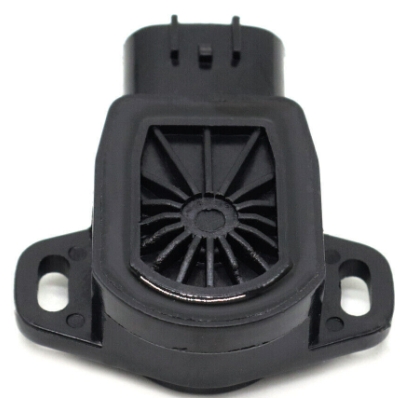
The Throttle Position Sensor (TPS) is a critical component in a vehicle’s engine management system. It monitors the throttle (or butterfly valve) position and sends this information to the engine control unit (ECU). This data helps the ECU determine the proper fuel mixture and spark timing for optimal engine performance.
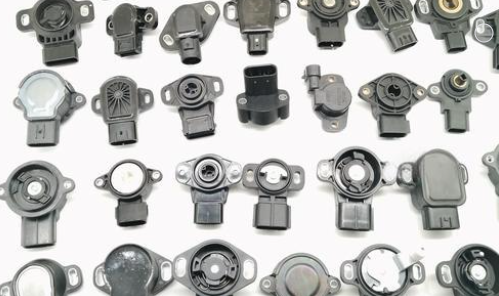
Where is the Throttle Position Sensor?
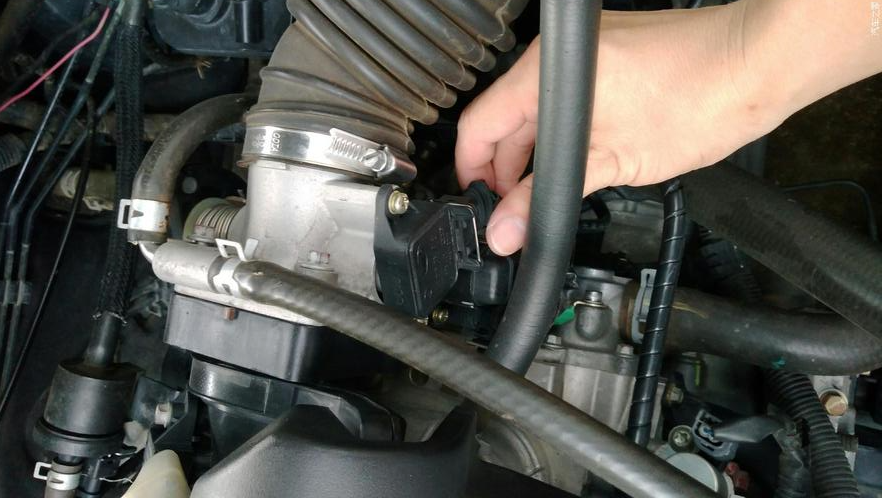
Throttle Position Sensor location: The throttle position sensor (TPS) is typically located on the throttle body, which is part of the air intake system near the engine’s intake manifold. You can usually find it where the throttle cable connects to the throttle body. It often appears as a small black or gray component with an electrical connector.
What does a Throttle Position Sensor do?
Monitoring Throttle Position: The TPS is connected to the throttle body, which controls the amount of air entering the engine. It detects the position of the throttle valve.
Signal Generation: As you press the accelerator pedal, the throttle valve opens, and the TPS generates a signal proportional to the throttle position.
Sending Data to ECU: The sensor sends this data to the Engine Control Unit (ECU). The ECU uses this information to adjust the fuel injection and ignition timing.
Ensuring Optimal Performance: The ECU ensures the right mix of air and fuel, leading to efficient engine performance and fuel economy.
What happens when a Throttle Position Sensor goes bad?
The TPS helps maintain a smooth idle, quick acceleration, and prevents the engine from stalling. When a throttle position sensor (TPS) fails, it can cause several noticeable issues with vehicle performance. Here are some common throttle position sensor symptoms:
- Check Engine Light: The most common symptom is the illumination of the check engine light.
- Rough Idling: You might notice the engine idling roughly or inconsistently.
- Poor Acceleration: The car may hesitate or struggle to accelerate smoothly.
- Lack of Power: There might be a noticeable loss of power, especially during acceleration.
- Stalling: The engine may stall or have difficulty maintaining idle speed.
- Erratic Throttle Response: The throttle may become unresponsive or overly sensitive.
- Poor Fuel Economy: You may experience a drop in fuel efficiency due to improper air-fuel mixture.
- Gear Shifting Issues: In automatic vehicles, you might notice problems with gear shifting.
If you’re experiencing any of these Throttle Position Sensor Error, it’s a good idea to have your TPS checked by a professional mechanic.
How do I calibrate my throttle position sensor?
Calibrating the throttle position sensor (TPS) ensures your engine control unit (ECU) receives accurate data regarding throttle input, which affects fuel delivery, ignition timing, and overall drivability. Here’s a comprehensive guide to help you correctly carry out a Throttle position sensor calibration :
- Locate the throttle position sensor (TPS). It’s usually mounted on the throttle body. Disconnect the battery to avoid short circuits.
- Connect a multimeter. Probe the signal wire (usually red) and the ground wire (green or black). Turn the ignition switch to the ON position (engine off).
- Check the voltage range. Closed throttle: ~0.5V. Wide open throttle: ~4.5V
- Adjust the sensor. Loosen the TPS mounting screws. Slightly rotate the sensor to obtain the correct closed throttle voltage.
- Calibrate using the ECU. Some vehicles require a reset or relearn procedure: Turn the ignition switch to the ON position (engine off) and wait 3 seconds. Fully depress and release the accelerator pedal five times within 5 seconds. Wait 10 seconds, then depress and hold the pedal for 20 seconds. Release the pedal and start the engine.
- Verify Calibration. Use the multimeter again to confirm the voltage range. The TPS Connection and Calibration tutorial includes wiring inspection and calibration tips.