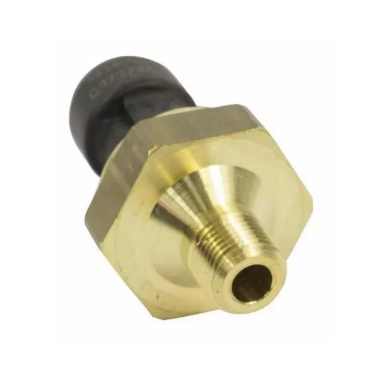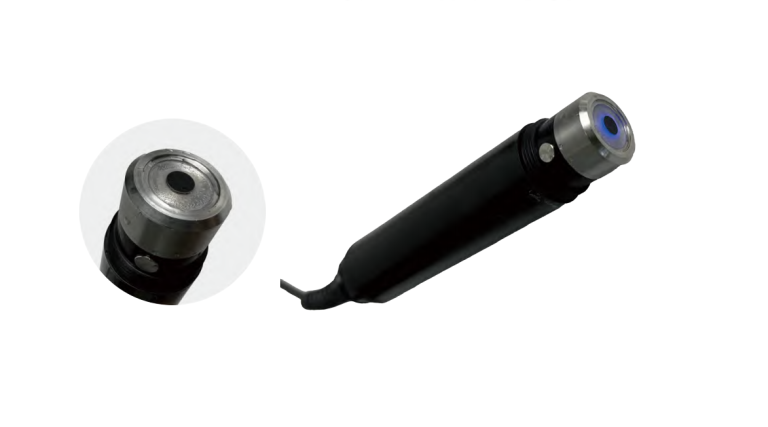
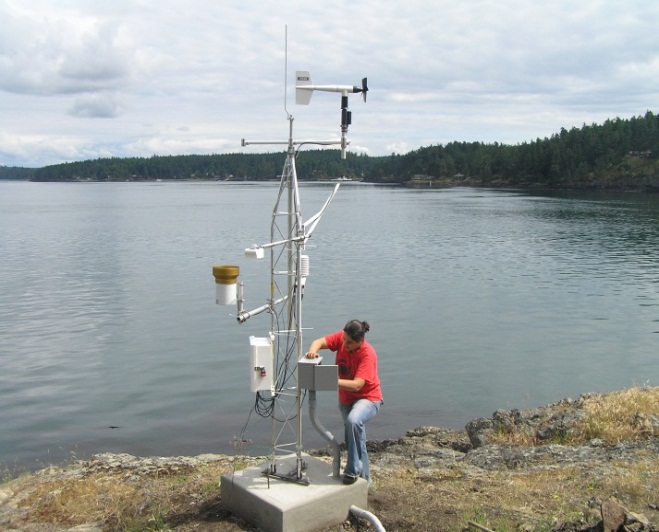
Introduction to Weather Instruments
Weather instruments have always played a vital role in tracking and recording atmospheric conditions. From ancient wind vanes to modern high-tech weather stations, these instruments have been pivotal in helping humans understand and predict weather patterns. In today’s advanced world, a plethora of weather instruments are available, each serving a unique purpose. This article delves into the top 10 weather instruments that ensure accurate tracking of the elements.
The Importance of Weather Monitoring
Weather monitoring is crucial for various reasons. Farmers rely on accurate weather predictions to plan their harvests and protect crops from potential damage caused by severe weather events. Similarly, homeowners and businesses need to be aware of approaching storms to take necessary precautions. Weather forecasts also affect travel plans, aviation, and numerous other industries. Therefore, having reliable weather instruments at your disposal can greatly enhance your ability to track the elements.
Top 10 Weather Instruments for Accurate Tracking
Discover theTop 10 Weather Instruments to Track the Elements used by meteorologists and weather enthusiasts worldwide for accurate atmospheric monitoring. From basic temperature measurement to advanced lightning detection, each instrument plays a crucial role in understanding weather patterns and making reliable forecasts. Whether you are setting up a home weather station or conducting professional meteorological research, these instruments form the foundation of accurate weather observation.
1. Thermometer
A thermometer is an essential weather instrument used to measure air temperature, soil temperature, or water temperature. It is one of the fundamental tools in any weather station setup. Typically, traditional thermometers consist of a glass tube filled with mercury or an alcohol solution. As temperature changes, the fluid expands or contracts, indicating the current temperature on a calibrated scale.
Modern thermometers have evolved significantly beyond the classic glass design. Digital thermometers use electronic sensors such as thermocouples, thermistors, or resistance temperature detectors (RTDs) for faster response times and higher precision. Infrared thermometers measure surface temperature without contact by detecting infrared radiation, making them ideal for measuring hard-to-reach objects. Smart thermometers can connect to mobile apps via Bluetooth or Wi-Fi, enabling remote monitoring and historical data logging.
| Type | Digital, Infrared, Glass Liquid, Wireless Smart |
|---|---|
| Accuracy Range | ±0.1°C to ±1°C |
| Price Range | $5 – $500+ |
| Best For | Home monitoring, agriculture, HVAC systems, medical use |
| Maintenance | Annual calibration; avoid direct sunlight exposure |
Related: Explore our range of temperature sensors for industrial applications.
2. Barometer
To measure atmospheric pressure, a barometer is employed. This instrument is indispensable for understanding short-term weather changes and detecting approaching storms. A falling barometric reading typically indicates deteriorating weather conditions such as rain or storms, while rising pressure often signals clearing skies and fair weather ahead.
Barometers come in two primary types that operate on different physical principles. Mercury barometers use a vertical glass tube filled with mercury, where the height of the mercury column directly indicates atmospheric pressure. These offer excellent accuracy but require careful handling due to the toxic nature of mercury. Aneroid barometers, on the other hand, rely on a small, flexible metal box called an aneroid cell that expands and contracts with pressure changes. Mechanical linkages translate this movement into a needle reading on a dial face. Modern digital barometers use piezoelectric or MEMS sensors for compact, high-precision measurements with data logging capabilities.
| Type | Mercury, Aneroid (Mechanical), Digital MEMS |
|---|---|
| Accuracy Range | ±0.5 hPa to ±3 hPa |
| Price Range | $20 – $1,000+ |
| Best For | Weather forecasting, aviation, altitude measurement, fishing |
| Maintenance | Calibrate against reference standard annually |
Related: Browse our selection of pressure sensors for professional-grade atmospheric monitoring.
3. Hygrometer
Humidity, or the amount of moisture present in the air, is measured using hygrometers. A hygrometer can indicate whether the air is dry or humid, providing critical information when predicting the likelihood of precipitation, fog formation, and understanding long-term climate patterns. Proper humidity monitoring is also essential for indoor comfort, health, and preserving sensitive materials like wood, paper, and electronics.
Analog hygrometers traditionally use materials that change dimensionally with humidity, such as human hair or synthetic polymers wound around a spindle. As humidity increases, the material elongates, rotating a pointer across a calibrated scale. Digital hygrometers employ capacitive or resistive humidity sensors that measure electrical properties changing with moisture absorption. Capacitive sensors are the most common in modern devices due to their fast response, wide operating range, and long-term stability. Advanced models combine temperature and humidity sensing into a single thermo-hygrometer unit, also calculating derived values like dew point and heat index.
| Type | Analog (Hair/Polymer), Digital Capacitive/Resistive, Thermo-Hygrometer |
|---|---|
| Accuracy Range | ±2% RH to ±5% RH |
| Price Range | $10 – $300+ |
| Best For | Indoor climate control, greenhouse management, museum preservation, HVAC |
| Maintenance | Clean sensor element; avoid corrosive chemical environments |
4. Anemometer
Anemometers measure wind speed and direction, providing vital data for weather forecasting, aviation safety, wind energy assessment, and marine operations. They typically consist of multiple cups or a propeller that rotates as wind passes through. By calculating the rotational speed using magnetic reed switches or optical encoders, anemometers can provide accurate real-time wind data.
The cup anemometer, invented by Dr. John Thomas Romney Robinson in 1846, remains widely used today with three or four hemispherical cups mounted on horizontal arms. Propeller anemometers feature a wind vane that aligns the propeller into the wind, simultaneously measuring both speed and direction. Ultrasonic anemometers represent the cutting edge of wind measurement technology. They use pairs of ultrasonic transducers to measure the time-of-flight of sound pulses between them. Wind passing through the measurement path affects sound propagation time, allowing calculation of wind speed and direction without any moving parts. This makes ultrasonic models highly reliable in harsh environments and capable of capturing rapid wind gusts that mechanical types might miss. Hot-wire anemometers, commonly used in research and HVAC applications, measure the cooling effect of airflow on an electrically heated fine wire.
| Type | Cup, Propeller, Ultrasonic, Hot-Wire, Laser Doppler |
|---|---|
| Accuracy Range | ±0.3 m/s to ±2 m/s |
| Price Range | $50 – $5,000+ |
| Best For | Weather stations, wind farms, aviation, construction sites, HVAC testing |
| Maintenance | Lubricate bearings periodically; clear debris from cups/sensors |
Learn more: Read our detailed guide on hot-wire anemometer sensor technology.
5. Rain Gauge
Rain gauges are designed to measure the amount of precipitation that has fallen within a specific period. This information is crucial for agricultural planning, hydrological modeling, flood warning systems, and general meteorological purposes. Accurate rainfall data helps farmers schedule irrigation, urban planners design drainage systems, and meteorologists validate forecast models.
Traditional rain gauges consist of a cylindrical collection funnel that channels rainwater into a narrow graduated measuring tube. The funnel’s large catchment area amplifies small amounts of rainfall, improving reading resolution. Manual gauges require daily observation and recording. Tipping bucket rain gauges automate this process using a mechanism where a small dual-compartment bucket tips when filled with a fixed amount of water (typically 0.01 inch or 0.2 mm), closing an electrical contact each time to record precipitation increments electronically. Weighing-type precipitation gauges measure the accumulated weight of all precipitation including snow, sleet, and hail, offering superior performance for solid precipitation and mixed events. Optical rain sensors use infrared light beams to detect the size and velocity of falling droplets, providing additional data on rainfall intensity and drop size distribution.
| Type | Standard Cylinder, Tipping Bucket, Weighing, Optical |
|---|---|
| Accuracy Range | ±0.1 mm to ±2 mm |
| Price Range | $15 – $2,000+ |
| Best For | Home weather stations, agriculture, hydrology, flood monitoring |
| Maintenance | Keep funnel clean; level installation; winterize heated models |
6. Weather Station
A weather station is a comprehensive integrated system that combines multiple instruments—typically including thermometer, hygrometer, barometer, anemometer, and rain gauge—into a single coordinated package. It provides synchronized real-time data on temperature, humidity, atmospheric pressure, wind speed and direction, and precipitation, all displayed together for convenient analysis and trend identification.
Modern weather stations have evolved far beyond simple multi-instrument setups. Consumer-grade wireless weather stations transmit data from outdoor sensor arrays to indoor display consoles using proprietary RF protocols over distances of 100 to 300 meters. Most now support Wi-Fi connectivity for uploading observations to online platforms like Weather Underground, allowing users to access their data remotely via smartphone apps and share readings with global networks. Professional-grade stations used at airports and research facilities meet stringent WMO (World Meteorological Organization) specifications for sensor placement, sampling intervals, and calibration standards. Key features to look for include solar power options for autonomous operation, UV index sensors, soil moisture probes for gardening applications, and expandable architectures that allow adding specialized sensors over time.
| Type | Home Wireless (Davis Vantage, Ambient Weather), Professional (Campbell Scientific, Vaisala), Portable Handheld (Kestrel), IoT Smart (Netatmo) |
|---|---|
| Measuring Elements | 6 to 15+ parameters depending on model |
| Data Update Interval | 1 second to 60 minutes |
| Transmission Range | 100 m – 10 km (protocol dependent) |
| Price Range | $100 – $5,000+ |
| Best For | Home enthusiasts, farms, schools, small airports, construction sites |
Recommended: Compare features and find the right weather station system for your needs.
7. Psychrometer
A psychrometer consists of two thermometers operated side by side—one dry-bulb thermometer measuring ambient air temperature, and one wet-bulb thermometer with its bulb covered in a moistened cotton wick. The temperature difference between the two readings, known as wet-bulb depression, is used to determine relative humidity and dew point temperature through psychrometric charts or calculation formulas based on evaporative cooling principles.
When air flows past the wet-bulb, water evaporates from the wick, absorbing latent heat of vaporization and cooling the bulb below the dry-bulb temperature. Drier air causes faster evaporation and greater cooling, producing a larger temperature difference. Sling psychrometers are whirled by hand to ensure adequate airflow around the bulbs, while Assmann aspirated psychrometers use a motorized fan for consistent ventilation, achieving higher accuracy. Although digital electronic sensors have largely replaced psychrometers in routine field use, the psychrometric method remains internationally recognized as a fundamental reference technique for humidity instrument calibration. National metrology institutes maintain aspirated psychrometer standards for traceability chains. Understanding psychrometry is also essential for applications in HVAC engineering, drying processes, and human thermal comfort assessment.
| Type | Sling (Manual), Aspirated Assmann (Motorized), Electronic Simulation |
|---|---|
| Accuracy Range | ±2% RH under proper operation |
| Temperature Range | −30°C to +50°C |
| Response Time | 2–5 minutes for wet-bulb equilibrium |
| Price Range | $20 – $800 |
| Limitations | Manual operation required; slow response; reduced accuracy below freezing |
8. Ceiling Projector (Ceilometer)
A ceiling projector, more commonly known today as a ceilometer, is a specialized optical instrument designed to measure cloud base height and vertical visibility. This capability is particularly valuable at airports for ensuring safe takeoff and landing conditions, where minimum cloud ceiling requirements must be continuously monitored and reported.
Traditional ceiling projectors use a high-intensity searchlight beam aimed vertically at a fixed angle, with an observer positioned at a known ground distance using an alidade to measure the angle where the light spot illuminates the cloud base. Trigonometry then calculates the height. Modern laser ceilometers have completely automated this process using LiDAR (Light Detection and Ranging) technology. They emit short pulses of near-infrared laser light (commonly 905 nm or 1550 nm wavelength) vertically into the atmosphere and precisely measure the backscattered return time from cloud droplets or aerosol layers. The round-trip travel time multiplied by the speed of light yields the distance to each detected layer. Advanced models can simultaneously track up to three distinct cloud layers and report sky condition (clear, scattered, broken, overcast) automatically. Leading manufacturers include Vaisala with their CT25K series widely deployed at airports worldwide, Belfort Instruments, and Lufft. Typical measurement ranges extend from ground level up to 7.5 kilometers for standard units, with research-grade models reaching 15 kilometers or higher.
| Type | Rotating Beam (Traditional), Laser LiDAR Ceilometer (Modern Standard), Infrared |
|---|---|
| Measurement Range | 0 to 7.5 km (up to 15 km for advanced models) |
| Vertical Resolution | 7.5 m to 15 m |
| Update Frequency | 10–30 seconds |
| Layers Detected | Up to 3 simultaneous cloud layers |
| Price Range | $5,000 – $35,000+ |
| Best For | Aviation METAR reporting, heliports, wind turbine sites, climate research |
9. Snow Gauge
A snow gauge is a specialized precipitation instrument designed specifically for measuring snowfall accumulation and snow water equivalent (SWE), distinguishing solid precipitation measurements from liquid rainfall data. Accurate snow measurement is crucial for winter weather monitoring, hydrological forecasting, water resource management, and avalanche risk assessment in mountainous regions.
Snow measurement presents unique challenges not encountered with rain. The simplest approach uses a graduated snow ruler or stake inserted vertically into the snowpack to read accumulation depth manually. However, depth alone does not convey water content because freshly fallen powder snow may have a density as low as 50 kg/m³ while packed spring snow can exceed 400 kg/m³. Weighing-type precipitation gauges solve this by heating the collector to melt incoming snow and measuring the resulting liquid equivalent weight with high precision load cells. These all-weather gauges provide continuous automated records of both rain and snow in consistent water-equivalent units. Ultrasonic snow depth sensors offer non-contact measurement by emitting sound pulses toward the snow surface and calculating distance from return echo timing, eliminating mechanical interference with the snowpack. For large-scale watershed monitoring, gamma radiation snow sensors measure natural terrestrial gamma radiation attenuation through the snow cover, which correlates strongly with SWE. Proper siting away from drifting obstacles and using wind shields like Alter or Nipher shields around collectors are essential for representative measurements.
| Type | Snow Ruler/Stake, Weighing Heated Gauge, Ultrasonic Depth Sensor, Gamma Radiation Sensor |
|---|---|
| Depth Accuracy | ±0.5 cm to ±2 cm |
| SWE Accuracy | ±0.5 mm to ±2 mm water equivalent |
| Reporting Units | cm depth / mm SWE / inches |
| Price Range | $20 (ruler) – $10,000+ (gamma system) |
| Best For | Hydrology, ski resorts, transportation departments, climate research, agriculture |
10. Lightning Detector
A lightning detector monitors electrical activity in the atmosphere to predict and track thunderstorms and lightning strikes, providing advanced warning for safety precautions. These devices detect the powerful electromagnetic pulses (EMPs) generated by lightning discharges, enabling users to seek shelter before a storm arrives and resume outdoor activities safely after it passes.
Several detection technologies serve different needs and budgets. Electric field mills measure the static electric field strength in the atmosphere above the sensor, detecting charge buildup that precedes lightning initiation and providing very short-range warning (typically 10–20 km). Low-frequency (LF) and very-low-frequency (VLF) magnetic loop antenna receivers detect the broadband electromagnetic signature of lightning strokes from much greater distances. Single-station detectors use direction-finding techniques to estimate bearing, while networked systems triangulate signals from multiple receivers to pinpoint strike locations with kilometer-level accuracy. Optical detectors sense the brief but intense flash of visible and infrared light produced by lightning, functioning equally well day and night and from satellite platforms. Popular consumer models include the Boltek LD-250 Storm Tracker for PC-connected home monitoring, the AcuRite portable handheld detector for personal outdoor use, and integrated lightning detection modules available in advanced home weather stations like the Ambient Weather WS-2000. Professional-grade networks such as Earth Networks Total Lightning Network and the U.S. National Lightning Detection Network (NLDN) provide continental-scale coverage with >95% detection efficiency for cloud-to-ground flashes.
| Detection Technology | Electric Field Mill, LF/VLF Magnetic Loop, VLF Receiver, Optical |
|---|---|
| Detection Radius | 25 miles (portable) to 300+ miles (networked) |
| Detection Efficiency | 80–95% for cloud-to-ground flashes |
| Location Accuracy | 500 m (network) to 10 km (standalone) |
| Warning Lead Time | 5–30 minutes before storm arrival |
| Price Range | $50 (handheld) – $10,000+ (professional system) |
| Best For | Outdoor recreation, golf courses, sports venues, utilities, forest fire prevention, aviation safety |
Bonus: Specialty Environmental Sensors
Dissolved Oxygen Sensor
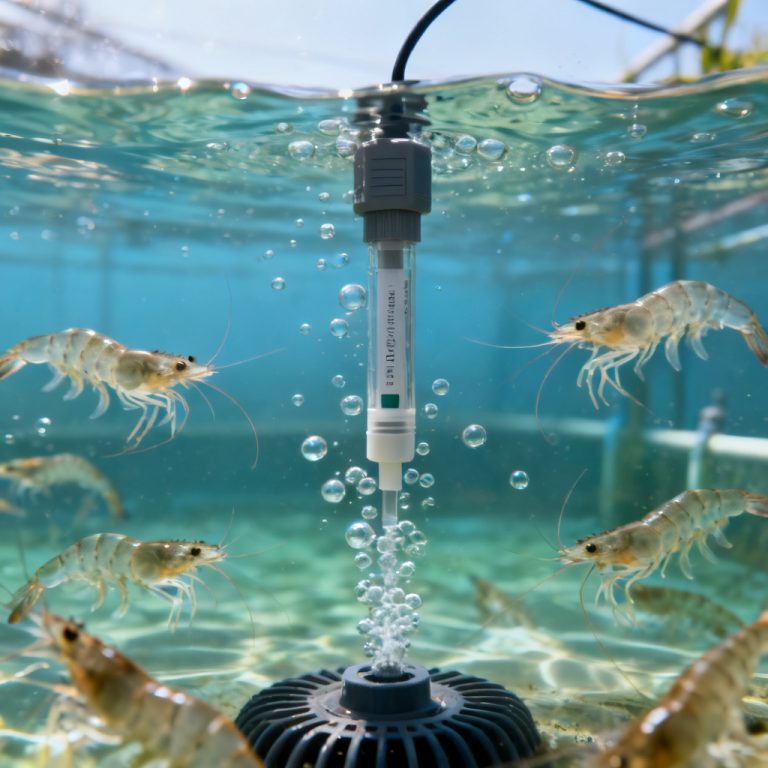
While not a traditional atmospheric weather instrument, dissolved oxygen (DO) sensors play a unique role in environmental monitoring that intersects with weather prediction. By continuously measuring the concentration of oxygen dissolved in water bodies such as lakes, rivers, reservoirs, and aquaculture ponds, these sensors can provide advance warning of impending weather changes. Dissolved oxygen levels often fluctuate significantly before major rainfall events because approaching low-pressure storm systems cause atmospheric changes that affect gas solubility and water mixing dynamics in ways detectable hours before precipitation begins.
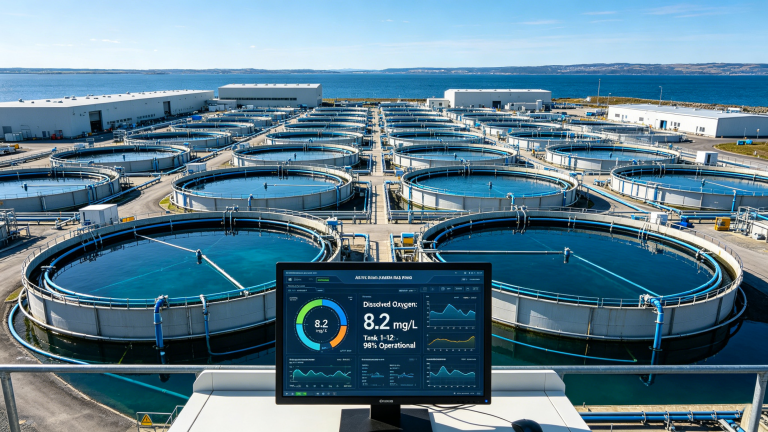
Modern DO sensors employ either electrochemical (Clark-type galvanic or polarographic) or optical fluorescence-based measurement principles. Optical DO sensors, which have gained prominence in recent years, use luminescent dye molecules whose fluorescence lifetime or intensity is quenched by oxygen molecules in proportion to concentration. They offer advantages of lower maintenance, no oxygen consumption during measurement, and better long-term stability compared to electrochemical probes. Applications span aquaculture water quality management where low DO levels threaten fish health, environmental research tracking ecosystem metabolism, wastewater treatment process control, and indeed empirical weather correlation studies in regions where traditional meteorological instrumentation is sparse.
| Type | Electrochemical (Galvanic/Polarographic), Optical Fluorescence |
|---|---|
| Measurement Principle | Oxygen reduction current or fluorescence quenching lifetime |
| Accuracy Range | ±0.2 mg/L to ±0.5 mg/L (±1% to ±2%) |
| Price Range | $100 – $2,000+ |
| Best For | Aquaculture, environmental monitoring, water quality research, weather correlation studies |
Deep dive: Learn about optical vs. electrochemical DO sensor technology comparison for RAS engineers.
Choosing the Right Weather Instrument for Your Needs
When selecting weather instruments, it is important to consider several factors. Firstly, identify your specific requirements. Are you a hobbyist looking for basic weather data or a professional meteorologist in need of highly accurate readings? Next, consider the climatic conditions of your region. Some instruments may be better suited for extreme climates, while others excel in mild environments.
Budget is another important consideration. Weather instruments can range from affordable to highly expensive, depending on their capabilities and accuracy. It is advisable to strike a balance between your budget and the features you require. Additionally, evaluate the ease of installation and maintenance associated with each instrument.
Enhancing Your Weather Observations
To enhance your weather observations and acquire a comprehensive understanding of atmospheric conditions, access to multiple weather instruments is beneficial. For instance, combining a thermometer, barometer, and hygrometer allows you to monitor temperature, pressure, and humidity simultaneously. This information can provide insight into potential weather changes and facilitate more accurate predictions.
Furthermore, integrating your weather instruments with computer software or mobile applications enables real-time data monitoring and analysis. Various online platforms offer the ability to record and compare weather information over extended periods, facilitating long-term climate studies.
Conclusion
Weather instruments are indispensable tools for tracking the elements. From traditional thermometers and barometers to advanced anemometers and rain gauges, these instruments aid in understanding weather patterns and predicting atmospheric changes. By choosing the right weather instruments and combining them strategically, you can elevate your weather observations to new levels of accuracy and precision. So, whether you are a hobbyist or a professional, investing in top-quality weather instruments is a must for reliable weather monitoring.
Guangzhou hwax Co., Ltd. has various branches in local businesses, servicing customers and helping to pull in traffic to those businesses. precision weather instruments are popular with customers globally. We want to continue to organize ICP Sensors to make it more efficient and profitable so that both, our clients and our employees can get more out of their time.