Optical DO Sensors vs. Electrochemical: Technical Comparison for RAS Engineers
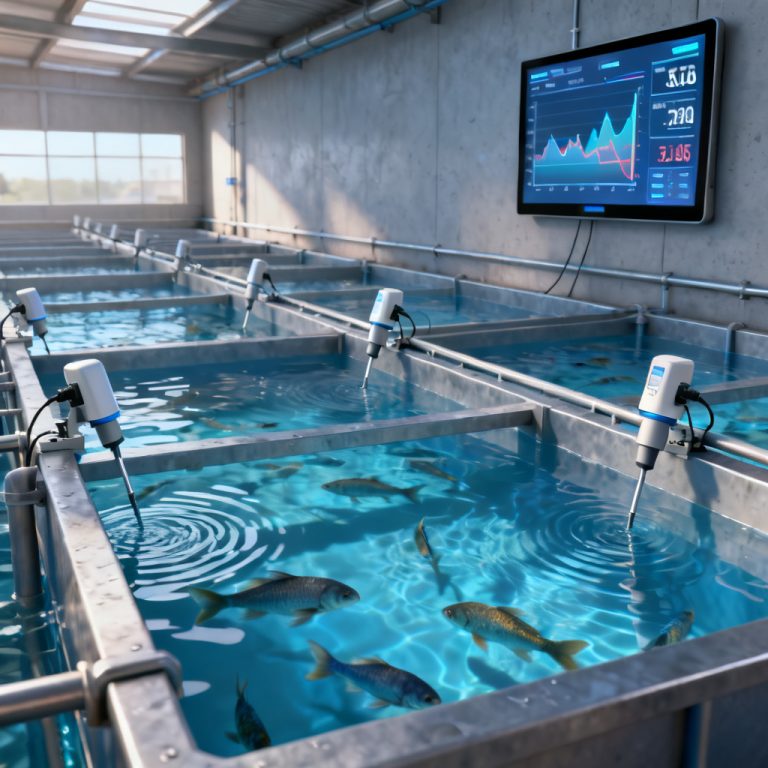
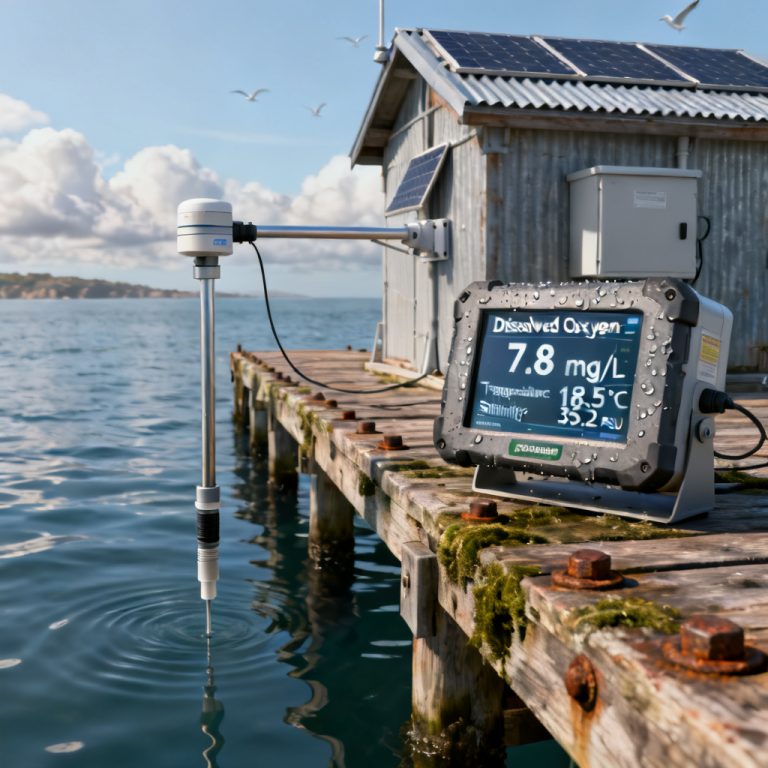
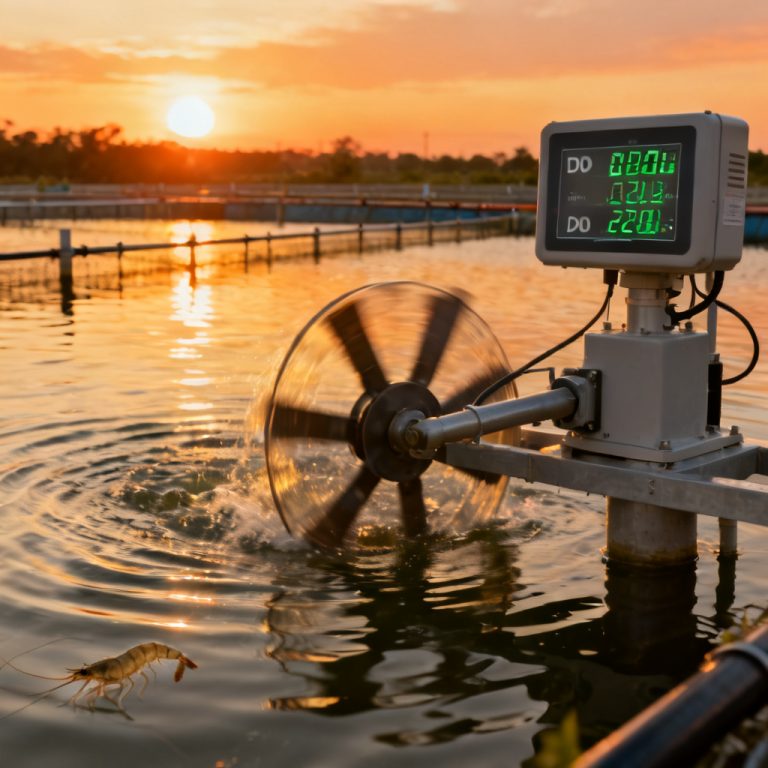
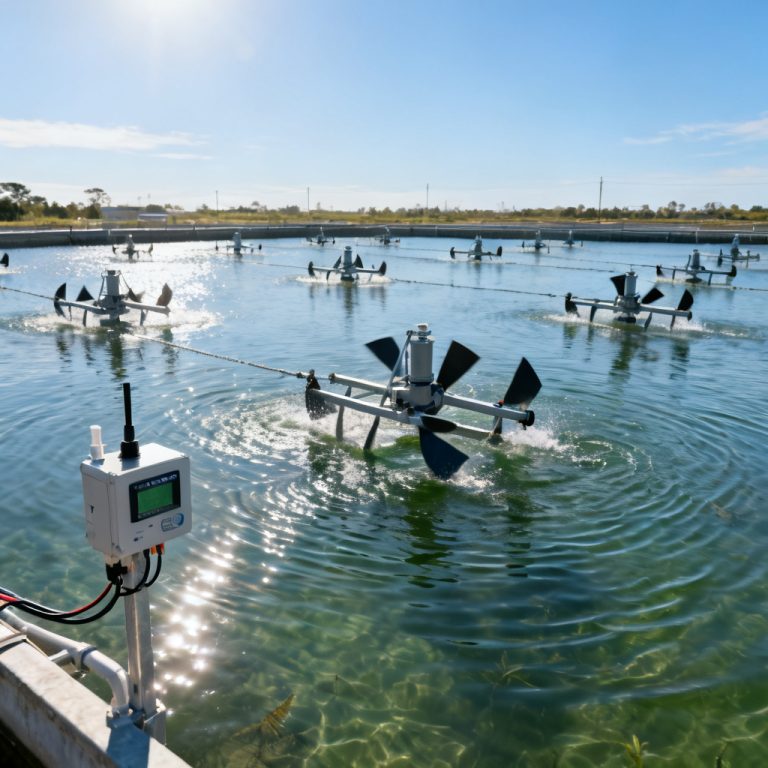
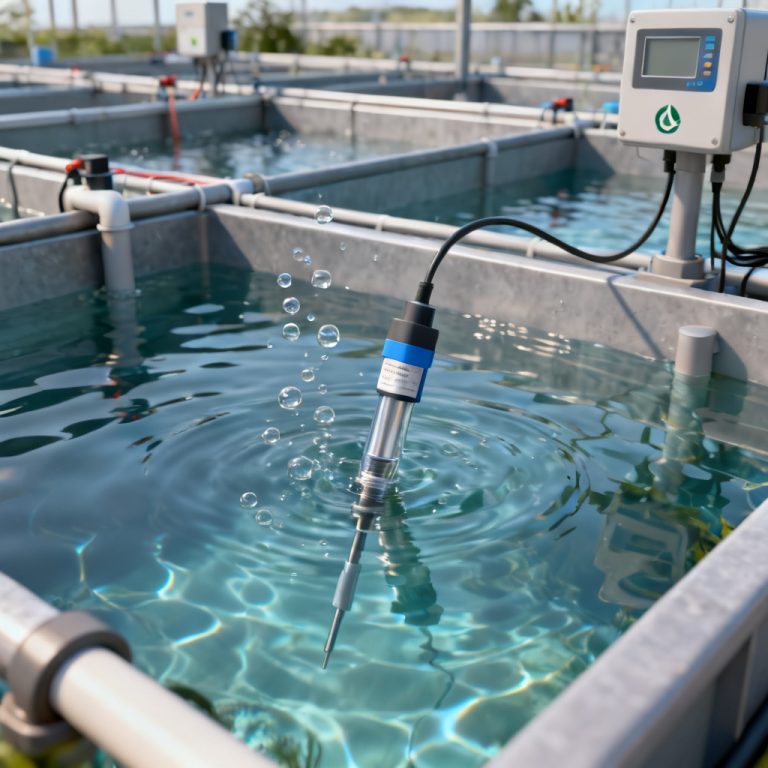
In Recirculating Aquaculture Systems (RAS), dissolved oxygen is the most critical water quality parameter. This Optical DO Sensors vs Electrochemical Technical Comparison for RAS Engineers provides a deep, unbiased analysis of both technologies based on their core principles, performance in RAS conditions, maintenance burdens, and lifecycle costs.
Core Operating Principles of Optical DO Sensors vs. Electrochemical
Electrochemical (Polarographic and Galvanic) Sensors
Electrochemical sensors have been the industry standard for decades. They operate by consuming oxygen through a chemical reaction. Polarographic sensors use a gold cathode and silver anode immersed in an electrolyte solution, separated from the water by an oxygen-permeable membrane. A voltage is applied between the electrodes. Oxygen diffusing through the membrane is reduced at the cathode, generating a current proportional to the partial pressure of oxygen (pO2).
The reaction: O2 + 2H2O + 4e- → 4OH- (at cathode). They require a warm-up time (polarization) of 15-60 minutes before first use. Galvanic sensors use a lead anode and silver cathode. The chemical reaction generates its own voltage, eliminating the need for an external power supply for the sensor itself (though a transmitter is still needed). They have a faster startup time (minutes) but the lead anode is consumed over time.
Optical (Luminescent) Sensors
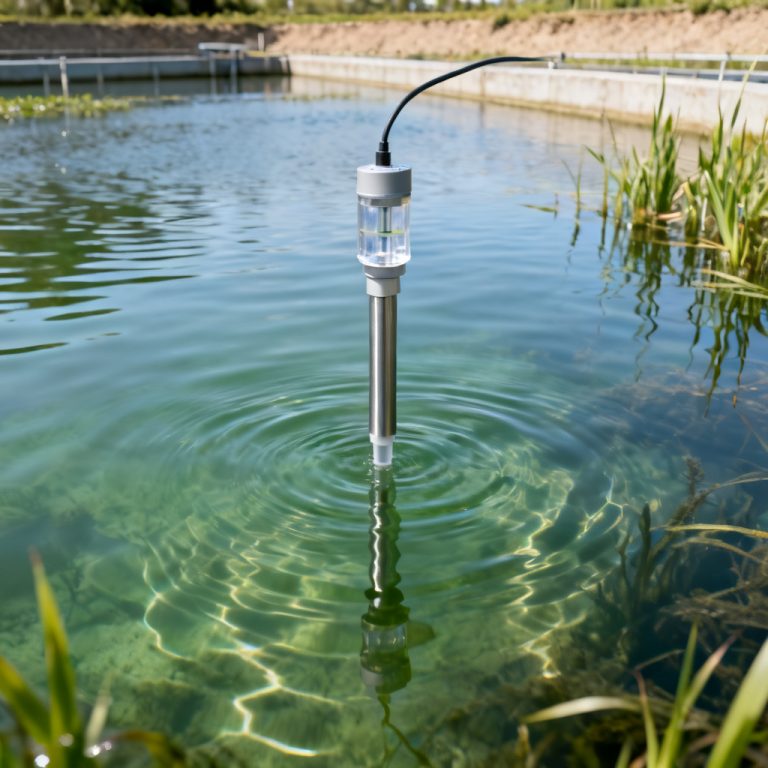
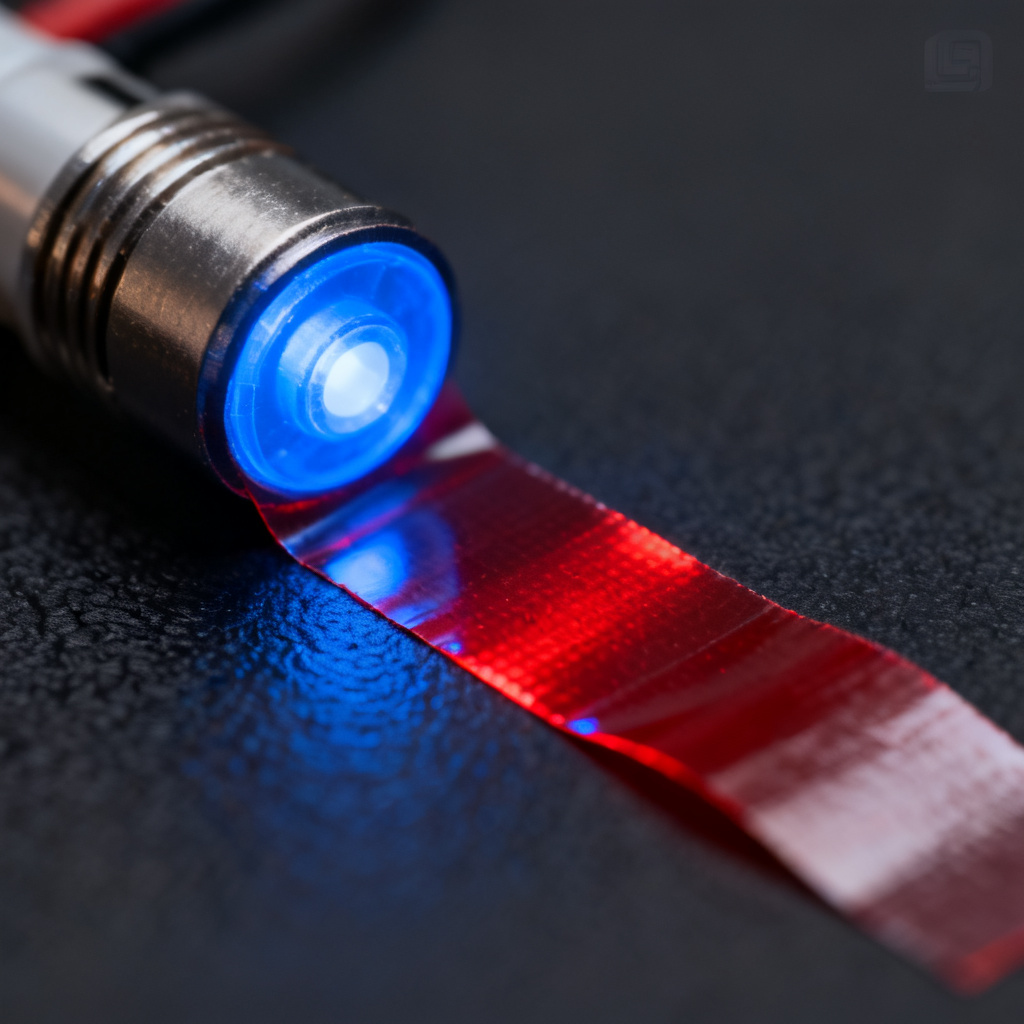
Optical DO sensors, also known as luminescent dissolved oxygen (LDO) sensors, measure oxygen based on fluorescence quenching. A blue LED emits light onto a sensing foil (a ruthenium-based luminophore immobilized in a gas-permeable polymer). The luminophore absorbs the blue light and emits red light (fluorescence). Oxygen molecules quench (reduce) this fluorescence. The sensor measures either the intensity or the decay time of the red light. Higher oxygen concentration = shorter decay time and lower intensity. This is a physical, non-consumptive measurement. No oxygen is consumed during measurement. The sensor measures partial pressure of oxygen via a reversible, non-destructive optical interaction.
Performance in RAS Conditions: Optical DO Sensors vs. Electrochemical
Accuracy and Stability
Optical sensors offer excellent long-term stability. The sensing foil is stable for 12-24 months depending on model and usage. Calibration drift is minimal (typically less than 1% per year). No drift due to electrolyte depletion or membrane fouling inside the sensor. Accuracy is typically ±0.1 mg/L or 1% of reading. Electrochemical sensors have high initial accuracy (±0.2 mg/L), but are prone to drift over time caused by electrolyte depletion and contamination, membrane aging and clogging, cathode poisoning (especially by H2S, which is common in RAS biofilters), and need for frequent recalibration (daily to weekly in high-biofouling RAS).
Response Time
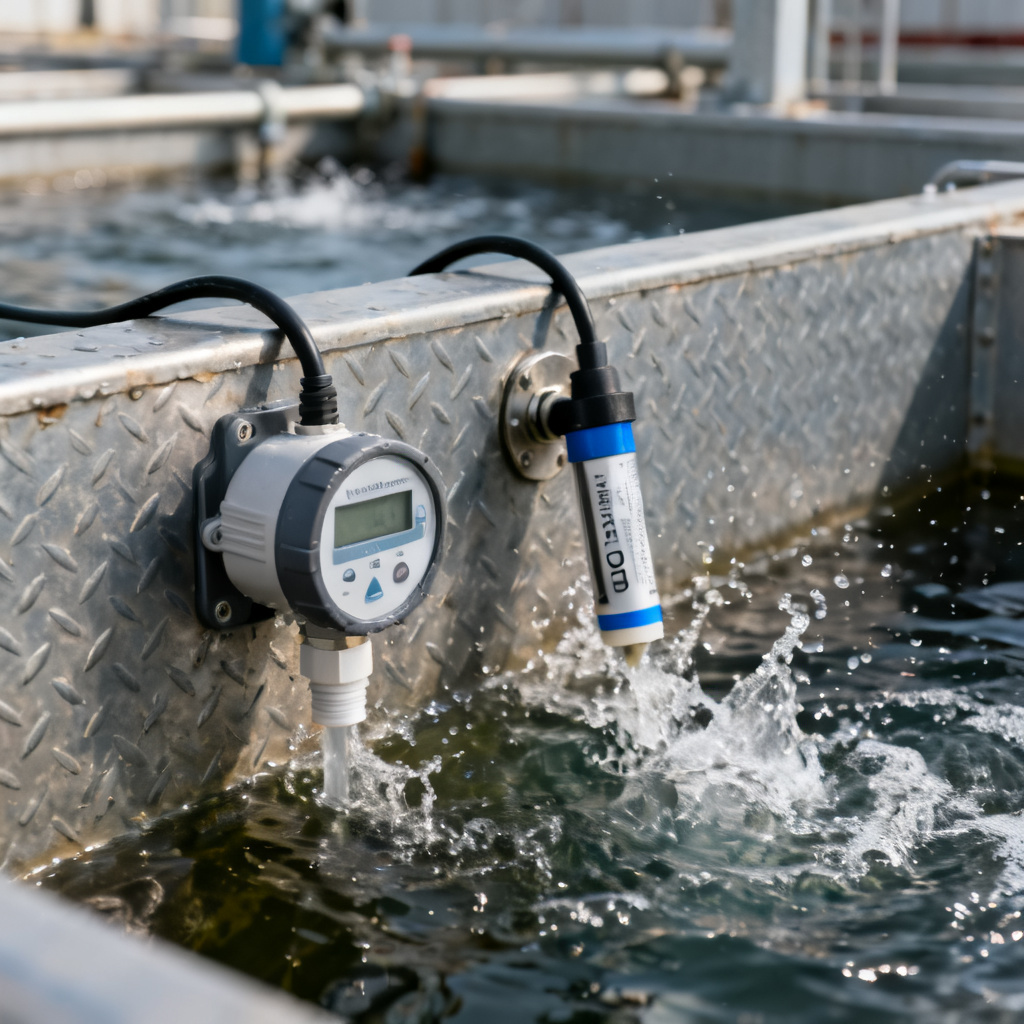
Optical sensors have a slower response time (T90 typically 30-60 seconds) due to the time required for oxygen to diffuse through the sensing foil and for the luminescence to stabilize. This is generally acceptable for steady-state RAS monitoring but can miss rapid DO spikes or dips. Electrochemical sensors have a faster response time (T90 typically 10-30 seconds for polarographic, faster for galvanic). This is advantageous for detecting sudden DO drops caused by power failure, pump stoppage, or feed addition.
Biofouling Resistance
The sensing foil of optical sensors is typically flat and smooth, making it less prone to biofouling than the protruding membrane of electrochemical sensors. Some optical sensors have a wiper or air-blast cleaning system. The exposed membrane of electrochemical sensors is a prime site for biofilm growth. This dramatically increases response time and reduces accuracy. Frequent manual cleaning (daily in heavily loaded RAS) is required.
Interference and Cross-Sensitivity
Optical sensors have no cross-sensitivity to H2S, CO2, Cl2, or other gases commonly found in RAS. The measurement is purely based on oxygen quenching of luminescence. Electrochemical sensors are highly susceptible to H2S (hydrogen sulfide) poisoning. H2S reacts with the silver cathode or lead anode, permanently degrading the sensor. Also affected by other reducing agents and can be interfered with by high CO2 levels (though less common). This is a major failure point in RAS with anoxic zones or high-feed loads.
Maintenance and Operational Requirements for Optical DO Sensors vs. Electrochemical
Electrochemical Sensors (High Maintenance)
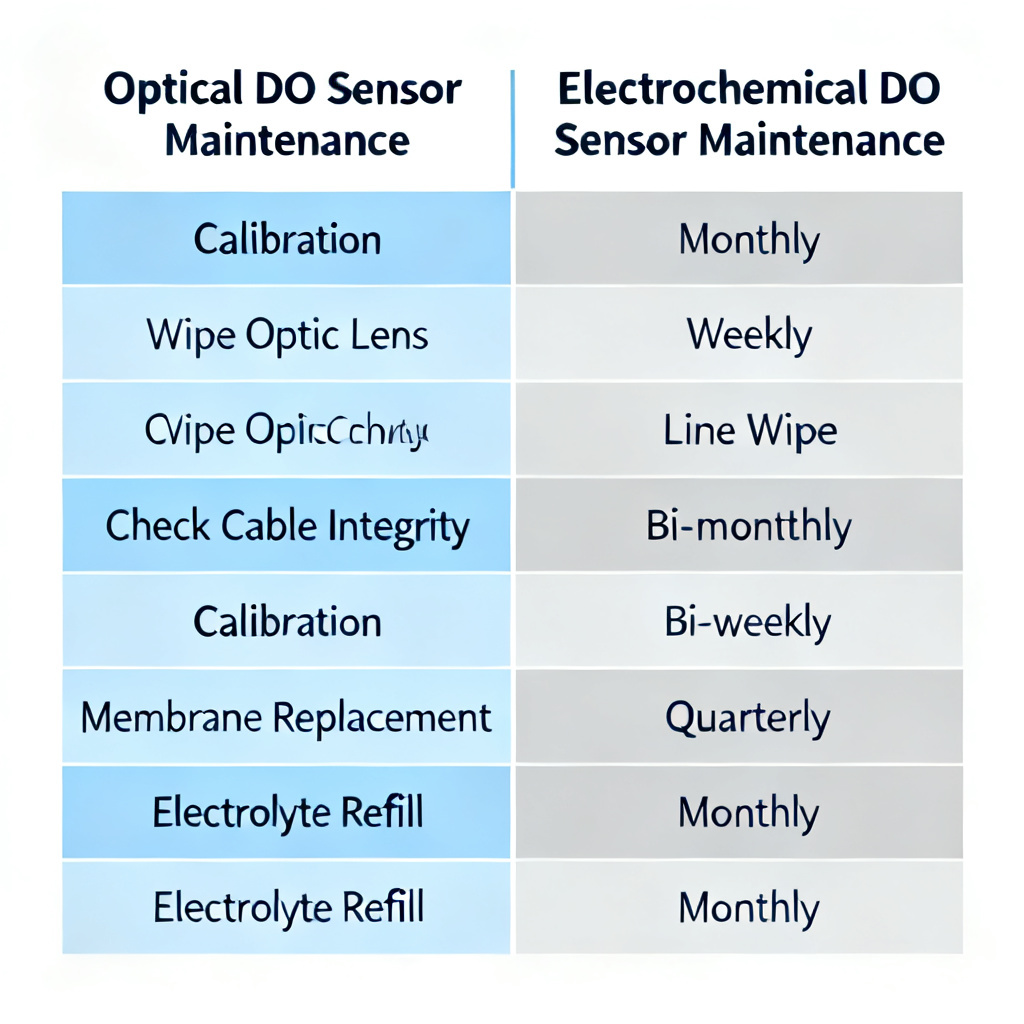
Weekly maintenance includes cleaning the membrane with a soft cloth and recalibration (2-point: zero and air-saturated water). Replace electrolyte solution every 1-3 months. Consumables include electrolyte solution, replacement membranes (every 3-12 months), and anode/cathode replacement (galvanic: lead anode consumed; polarographic: cathode may need replacement after 1-2 years). Must be stored in a humid environment or with the membrane moist. Dry storage damages the membrane and electrolyte. Polarographic sensors require 15-60 minutes of polarization after power-on or after being dry.
Optical Sensors (Low Maintenance)
Weekly maintenance involves cleaning the sensing foil with a soft cloth or brush. No recalibration needed for typical RAS use (calibration is recommended only quarterly or after foil replacement). Consumables include only the sensing foil cap (replaced every 12-24 months). No electrolyte, no membranes, no anodes. Can be stored dry indefinitely. No special storage conditions required. No polarization needed. Ready to measure immediately after power-on (though thermal stabilization may take a few minutes).
Cost Analysis: TCO for Optical DO Sensors vs. Electrochemical
Initial Capital Cost
Optical sensors have a higher upfront cost (sensor + transmitter). Typically 1.5x to 3x more expensive than a comparable electrochemical system. Electrochemical sensors have a lower initial purchase price and are widely available and competitive.
Total Cost of Ownership (TCO) over 5 Years
Despite higher upfront cost, optical sensors often have a lower TCO due to minimal consumable costs (only foil caps every 12-24 months), reduced labor for calibration and cleaning, and longer sensor lifespan (sensor body lasts 5+ years; foil cap is the only wear part). Electrochemical sensors have a lower initial cost, but TCO is higher due to frequent consumable replacements (electrolyte, membranes, anodes), high labor cost for weekly maintenance and recalibration, shorter sensor lifespan (2-3 years before sensor degradation requires replacement), and potential for catastrophic failure due to H2S poisoning.
Application-Specific Recommendations for Optical DO Sensors vs. Electrochemical
When to Choose Optical DO Sensors (Recommended for Most RAS)
Choose optical sensors for high-density RAS where DO is the most critical parameter and stability is paramount. They are ideal for systems with H2S risk, such as RAS with anaerobic digesters, sludge removal zones, or high-feed loads. Optical sensors are immune to H2S poisoning. They are suitable for remote or automated systems due to low maintenance, making them ideal for 24/7 unattended operation and integration with SCADA systems. For long-term monitoring in research or production where data drift must be minimized, optical sensors are preferred. In biofouling-prone waters, the smooth foil surface and optional wiper systems reduce cleaning frequency.
When to Consider Electrochemical Sensors
Consider electrochemical sensors for budget-constrained installations where initial cost is lower, but factor in ongoing maintenance costs. They may be suitable for rapid response requirements where detecting a DO crash within seconds is critical (e.g., in small tanks with high turnover rates). However, modern optical sensors with fast T90 (e.g., 30 seconds) are often sufficient. For simple, low-density systems where DO levels are consistently high and maintenance is performed daily by trained staff, electrochemical sensors can be used. They also serve as backup or redundant sensors as a lower-cost secondary DO check.
Calibration and Verification Best Practices for Optical DO Sensors vs. Electrochemical
Optical Sensors
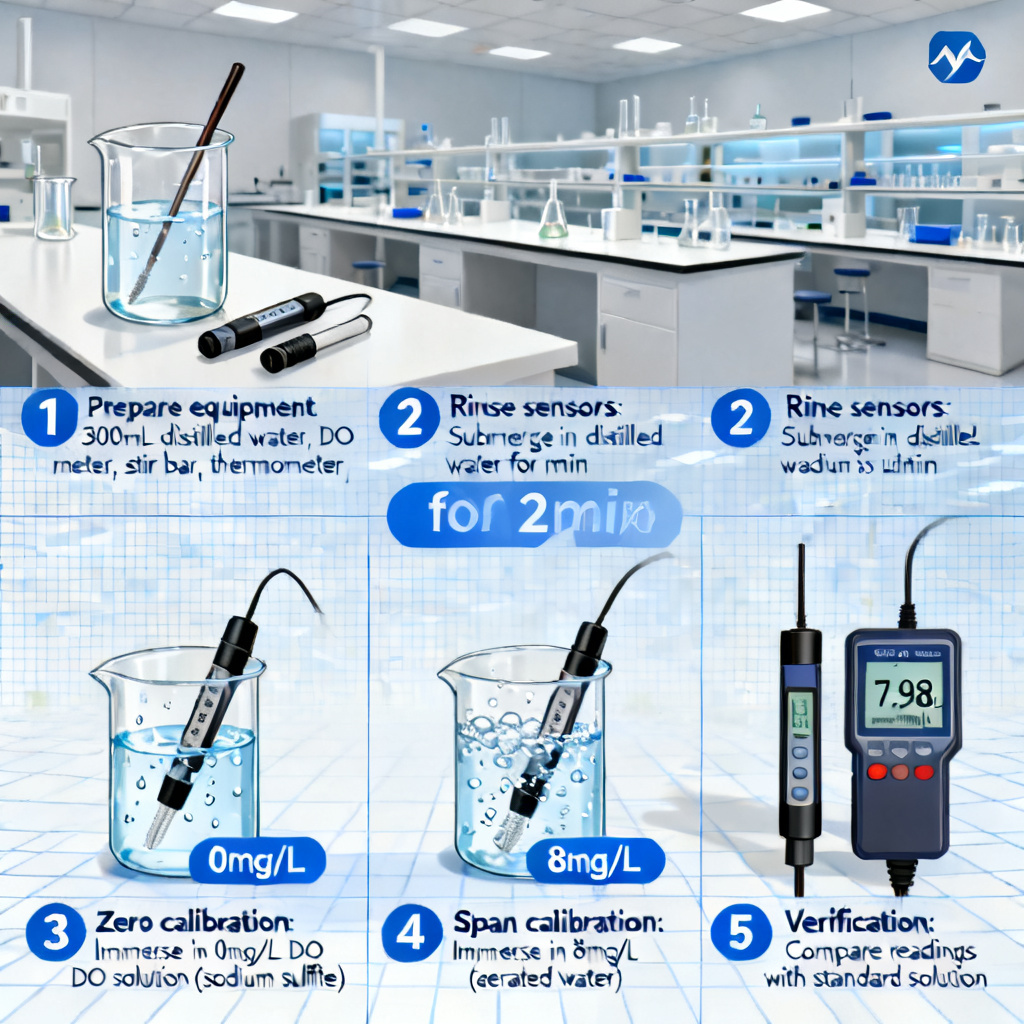
Calibration frequency is every 3-6 months under normal use, more frequent if the sensing foil is damaged or after cleaning with harsh chemicals. Method: 1-point calibration in water-saturated air (100% humidity) or in air-saturated water. Some sensors offer factory-calibrated foil caps for zero-maintenance. Verification: Quick check in air-saturated water (should read 100% saturation at given temperature and salinity). No zero calibration needed.
Electrochemical Sensors
Calibration frequency is daily to weekly. Method: 2-point calibration: (1) Zero point (0% DO) using sodium sulfite solution or nitrogen gas, (2) Span point (100% DO) in air-saturated water. Verification must be performed before each use. If drift exceeds 0.2 mg/L, recalibrate.
Environmental and Safety Considerations for Optical DO Sensors vs. Electrochemical
Optical sensors contain no hazardous materials in the sensor (sensing foil contains trace amounts of ruthenium, but it’s immobilized and non-leaching). Environmentally friendly disposal. Electrochemical sensors, particularly galvanic sensors, contain lead (Pb) in the anode. Disposal must comply with hazardous waste regulations. Polarographic sensors use potassium chloride electrolyte (non-toxic but must be disposed of properly).
Frequently Asked Questions About Optical DO Sensors vs. Electrochemical
What is the main difference between optical DO sensors and electrochemical sensors?
The main difference in this Optical DO Sensors vs. Electrochemical comparison is the measurement principle: optical sensors use fluorescence quenching without consuming oxygen, while electrochemical sensors consume oxygen through a chemical reaction, requiring frequent maintenance and consumables.
Which sensor type is better for H2S-prone RAS environments?
Optical DO sensors are better for H2S-prone RAS environments because they have no cross-sensitivity to hydrogen sulfide, unlike electrochemical sensors which can be permanently poisoned by H2S.
How often do optical DO sensors need calibration?
Optical DO sensors typically need calibration every 3-6 months under normal use, significantly less frequent than electrochemical sensors which require daily to weekly calibration.
What is the total cost of ownership difference between optical and electrochemical DO sensors?
Despite higher initial cost, optical DO sensors often have a lower total cost of ownership over 5 years due to minimal consumables, reduced labor, and longer lifespan, while electrochemical sensors have higher ongoing costs from frequent consumable replacements and maintenance.
Can optical DO sensors be used in all RAS applications?
Optical DO sensors are recommended for most RAS applications, especially high-density systems, H2S-prone environments, and remote automated operations, though electrochemical sensors may still be suitable for budget-constrained or simple low-density systems.
Technical Data Comparison Table: Optical DO Sensors vs. Electrochemical
| Parameter | Optical DO Sensors | Electrochemical Sensors |
|---|---|---|
| Measurement Principle | Fluorescence quenching (non-consumptive) | Chemical reaction (oxygen consumption) |
| Accuracy | ±0.1 mg/L or 1% of reading | ±0.2 mg/L (initial) |
| Drift per Year | Less than 1% | Significant (requires frequent recalibration) |
| Response Time (T90) | 30-60 seconds | 10-30 seconds |
| H2S Sensitivity | None | High (poisoning risk) |
| Calibration Frequency | Every 3-6 months | Daily to weekly |
| Consumables | Foil cap every 12-24 months | Electrolyte, membranes, anodes (frequent) |
| Initial Cost | Higher (1.5x to 3x) | Lower |
| 5-Year TCO | Lower | Higher |
Glossary of Key Terms for Optical DO Sensors vs. Electrochemical
Fluorescence quenching: The reduction of fluorescence intensity or decay time due to the presence of oxygen molecules, which is the basis of optical DO sensor measurement. Polarization time: The warm-up period required for electrochemical sensors to stabilize before accurate measurement. Biofouling: The accumulation of microorganisms, plants, or animals on sensor surfaces, which affects measurement accuracy. H2S poisoning: Permanent damage to electrochemical sensors caused by hydrogen sulfide exposure, common in RAS environments. Total cost of ownership (TCO): The comprehensive cost including initial purchase, maintenance, consumables, and labor over the sensor’s lifespan.