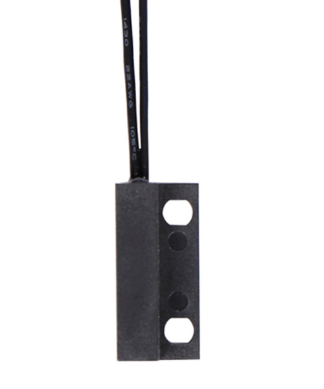
An amperometric dissolved oxygen sensor is an electrochemical device that measures oxygen concentration in water by generating a current proportional to the oxygen reduction reaction. This post provides a comprehensive explanation of how amperometric DO sensors work, their components, applications, advantages, limitations, calibration, maintenance, and comparison with other sensor types. By reading this post: Amperometric Dissolved Oxygen Sensor Explained, you will have a deep understanding of this technology to make informed decisions for your specific needs.
How an Amperometric Dissolved Oxygen Sensor Works
The Basic Principle
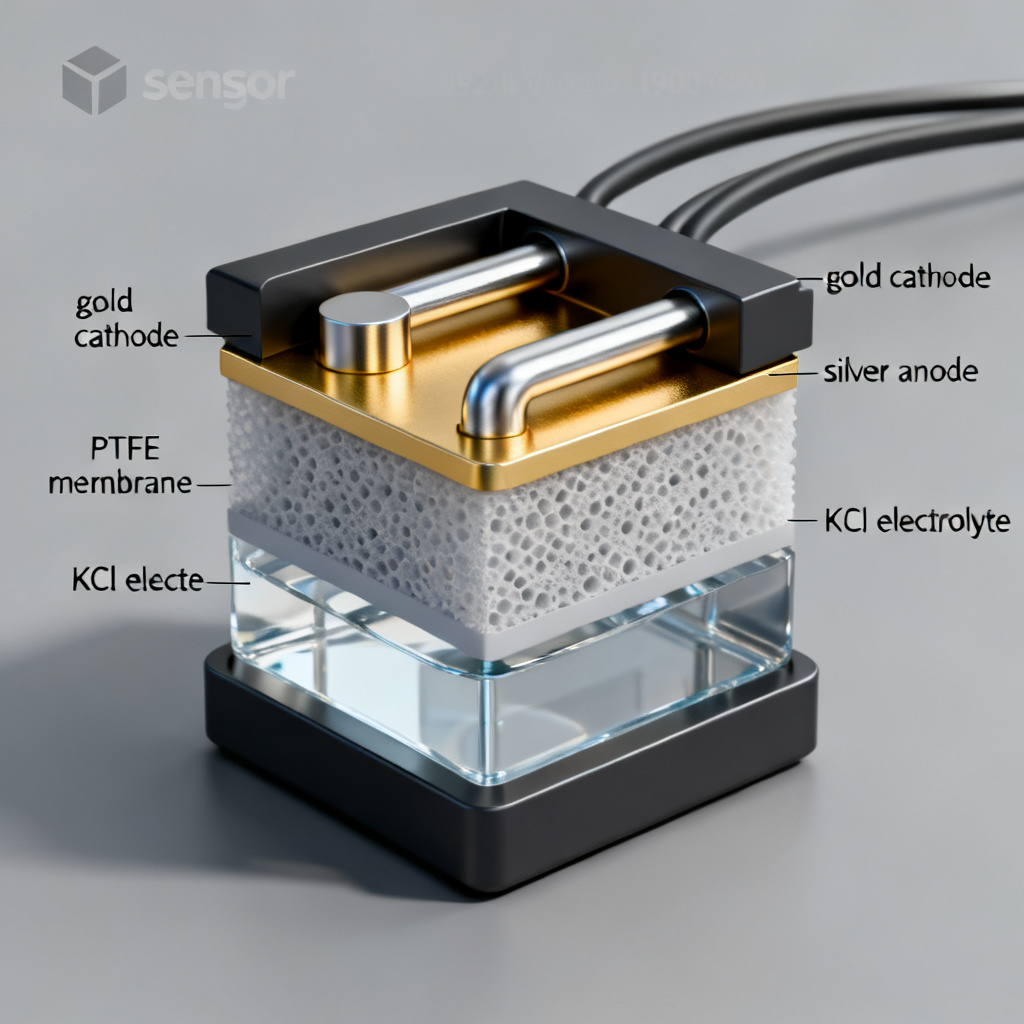
An amperometric dissolved oxygen sensor operates on the principle of electrochemical reduction of oxygen at a cathode. The sensor consists of two or three electrodes (working electrode, counter electrode, and optionally a reference electrode) immersed in an electrolyte solution, separated from the sample by a gas-permeable membrane. When a voltage is applied between the electrodes, oxygen molecules from the sample diffuse through the membrane and are reduced at the cathode, generating a current proportional to the oxygen concentration in the sample.
The Electrochemical Reaction
At the cathode (typically made of gold, platinum, or silver), oxygen is reduced to hydroxide ions:
- Cathode reaction: O₂ + 2H₂O + 4e⁻ → 4OH⁻
At the anode (often silver or zinc), oxidation occurs:
- Anode reaction: 4Ag → 4Ag⁺ + 4e⁻ (or similar oxidation depending on material)
The resulting current (typically in the nanoampere to microampere range) is measured and converted into a DO concentration value (mg/L or ppm) using Faraday’s law and calibration constants.
Key Components
An amperometric dissolved oxygen sensor includes several critical components:
- Gas-Permeable Membrane: Made of PTFE (Teflon) or silicone, this thin layer allows oxygen to diffuse while blocking ions, contaminants, and interfering substances. The membrane thickness affects response time and oxygen diffusion rate.
- Electrolyte Solution: A buffered potassium chloride (KCl) or similar solution maintains ionic conductivity and stabilizes the electrode reactions.
- Cathode (Working Electrode): Typically a noble metal like gold or platinum, polished to ensure consistent surface area and sensitivity.
- Anode (Counter Electrode): Silver/silver chloride (Ag/AgCl) or pure silver, which provides a stable reference potential.
- Reference Electrode (Optional): In three-electrode designs, a separate reference electrode (e.g., Ag/AgCl) ensures a stable potential for the working electrode, improving accuracy.
- Temperature Sensor: A built-in thermistor (e.g., NTC or PT100) compensates for temperature effects on oxygen solubility and diffusion rate, as DO readings are highly temperature-dependent.
Types of Amperometric DO Sensors
Clark-Type Sensor (Membrane-Covered)
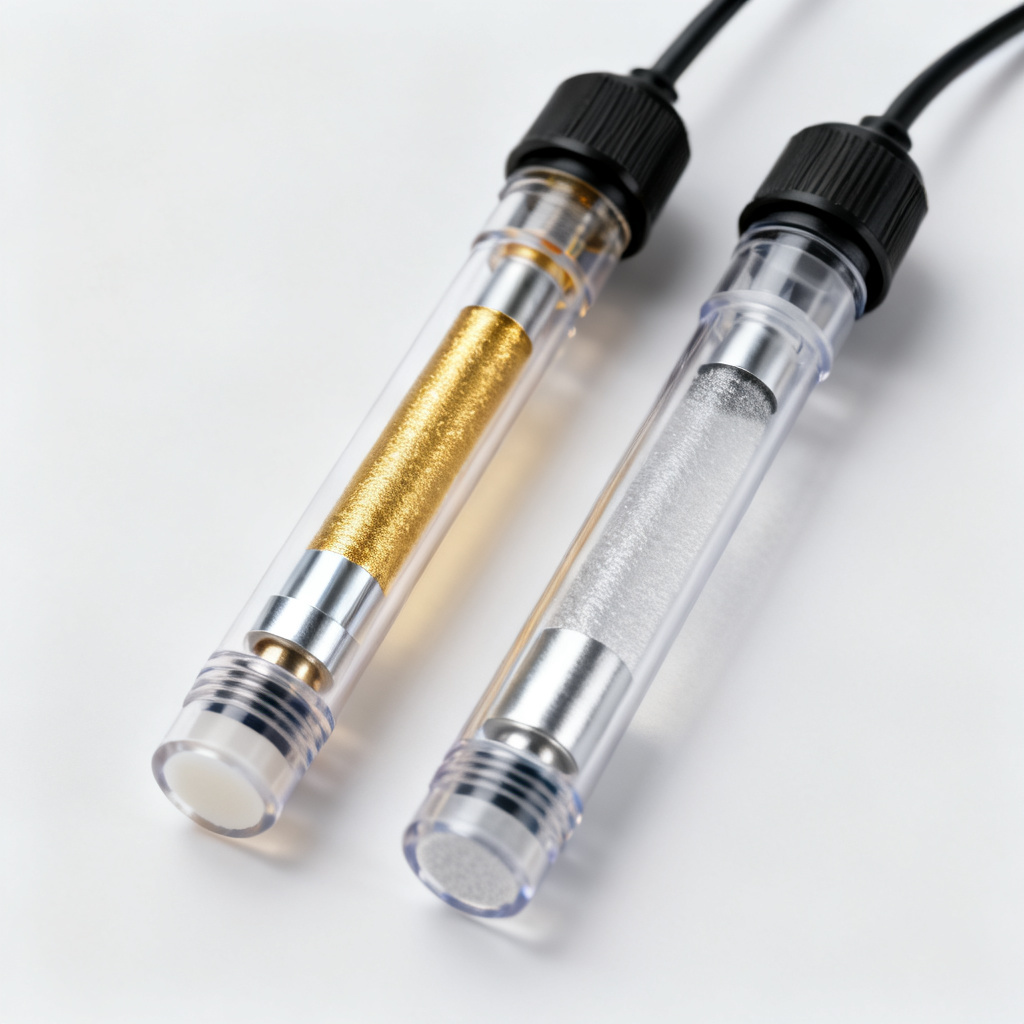
The classic Clark cell design uses a membrane-covered cathode and anode, with the electrolyte enclosed. This is the most common type for laboratory and field amperometric dissolved oxygen sensor applications. It requires a polarizing voltage (typically 0.6–0.8 V) applied between the cathode and anode.
Galvanic Sensor (Self-Polarizing)
A galvanic DO sensor does not require an external voltage source. It uses dissimilar metals (e.g., lead anode and gold cathode) that generate a spontaneous potential when immersed in electrolyte. The current produced is directly proportional to oxygen concentration. This type is simpler, lower power, and ideal for portable or remote monitoring.
Microelectrode and Miniaturized Sensors
For applications requiring high spatial resolution (e.g., biological samples or sediment profiling), microelectrode amperometric sensors (tip diameter < 10 µm) are used. They offer fast response times but are fragile and require specialized handling.
Applications of Amperometric Dissolved Oxygen Sensors
Wastewater Treatment
Amperometric dissolved oxygen sensors are widely used in activated sludge processes to monitor aeration efficiency and maintain optimal oxygen levels for aerobic bacteria. Real-time data helps reduce energy costs by adjusting blower speed.
Aquaculture and Fisheries
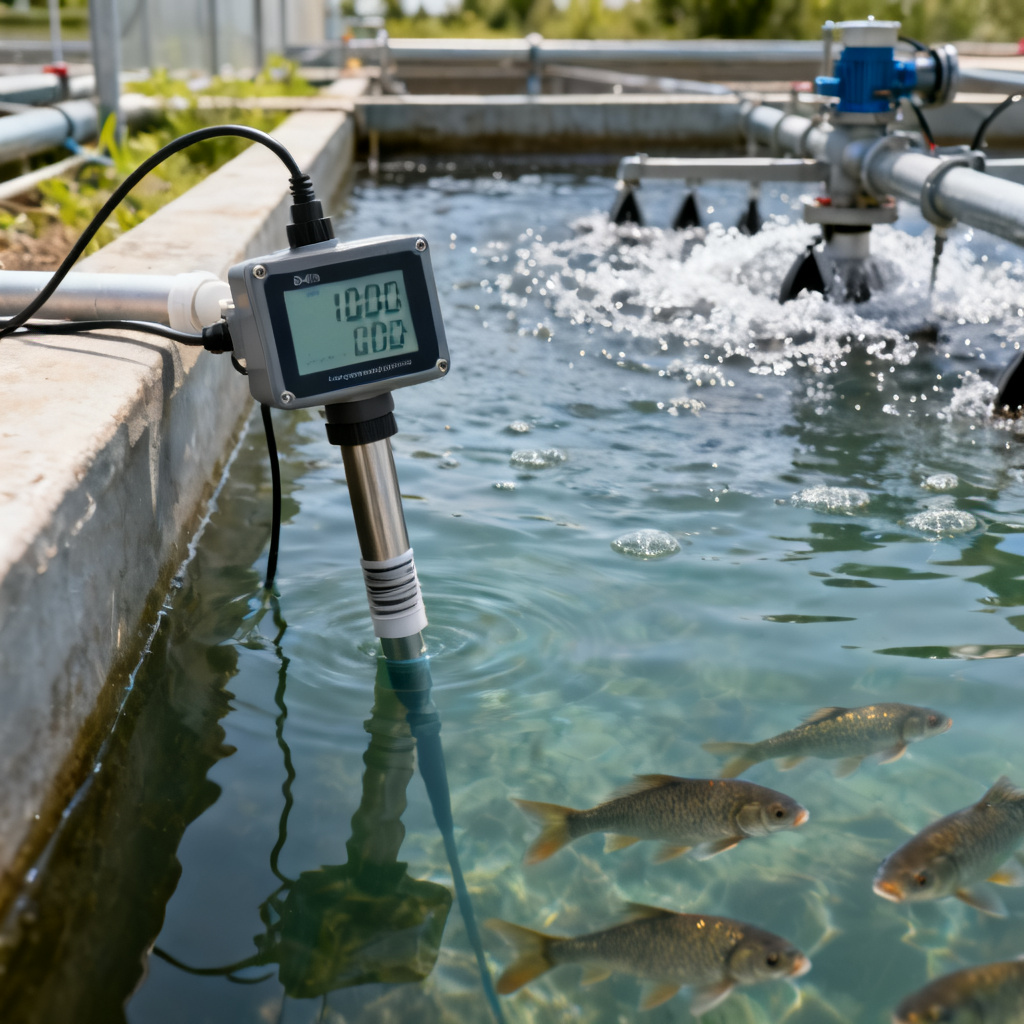
In fish farms, DO levels must be maintained above critical thresholds (e.g., 5 mg/L for salmonids). Amperometric sensors provide continuous monitoring to prevent hypoxia and fish kills.
Environmental Monitoring
River, lake, and oceanographic studies rely on amperometric sensors for long-term DO profiling. Their ability to measure low concentrations (down to 0.01 mg/L) makes them suitable for hypoxic zone research.
Industrial Processes
In boiler feedwater, cooling water, and beverage production (e.g., beer and soft drinks), DO control prevents corrosion and ensures product quality. Amperometric sensors offer fast response for process control.
Medical and Pharmaceutical
Blood gas analyzers and bioreactor monitoring use amperometric DO sensors to maintain sterile conditions and optimal oxygen for cell cultures.
Advantages of Amperometric DO Sensors
- High Accuracy and Precision: Typically ±0.1 mg/L or better, depending on calibration and maintenance.
- Real-Time Continuous Measurement: Output is instantaneous, ideal for process control and automation.
- Wide Measurement Range: From 0 to 20 mg/L or higher, with some sensors capable of measuring up to 60 mg/L.
- Low Power Consumption: Especially galvanic sensors, which require no external voltage.
- Robust and Durable: Designed for harsh environments, with options for high-pressure and high-temperature applications.
- Compatibility with Data Logging: Analog (4-20 mA) or digital (RS-485, Modbus) outputs allow integration with SCADA systems.
Limitations and Challenges
- Membrane Fouling: Biological growth, oil, or sediment on the membrane reduces oxygen diffusion, causing drift. Regular cleaning is required.
- Electrolyte Depletion: Over time, the electrolyte is consumed or contaminated, requiring replacement (typically every 6–12 months).
- Calibration Drift: Sensors need periodic calibration (daily to weekly) using air-saturated water or zero-oxygen solution.
- Flow Dependence: Most amperometric sensors require a minimum flow rate (e.g., 0.3 m/s) to ensure accurate readings, as stagnant water leads to oxygen depletion at the membrane.
- Interference from Gases: Hydrogen sulfide (H₂S) and chlorine can poison the electrodes or react with the electrolyte, causing errors.
- Response Time: Typically 30–90 seconds for 90% response, which may be too slow for rapidly changing environments.
Calibration and Maintenance Best Practices
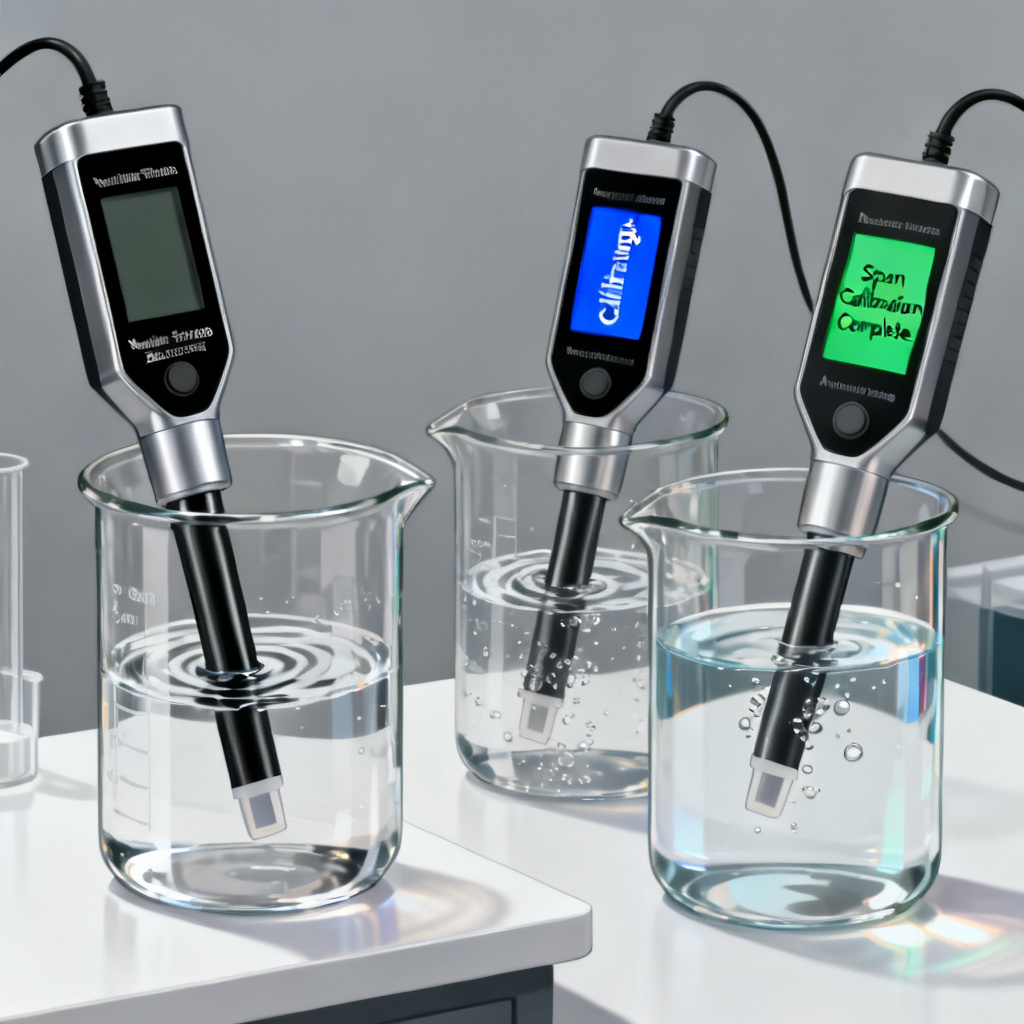
Calibration Procedure
- Zero Calibration: Immerse the sensor in a sodium sulfite solution (Na₂SO₃, 1% w/v) or nitrogen-purged water to create an oxygen-free environment. Adjust the output to 0 mg/L.
- Span Calibration: Expose the sensor to water-saturated air (100% relative humidity) or air-saturated water (at known temperature and barometric pressure). Use standard tables or built-in compensation to set the correct DO value.
- Temperature Compensation: Ensure the thermistor is functioning; most modern sensors automatically correct for temperature effects.
- Barometric Pressure Compensation: Enter local atmospheric pressure or use automatic correction if available, as DO solubility varies with pressure.
Routine Maintenance
- Clean the Membrane: Gently wipe with a soft cloth or use a mild detergent solution weekly. Avoid abrasive materials.
- Replace the Membrane and Electrolyte: Follow manufacturer guidelines, typically every 6–12 months or when response time increases.
- Check Electrode Condition: Inspect the cathode for tarnish or damage; polish with fine alumina slurry if needed.
- Store Properly: Keep the sensor in a moist environment (e.g., with a protective cap containing wet sponge) to prevent electrolyte drying.
Comparison: Amperometric vs. Optical DO Sensors
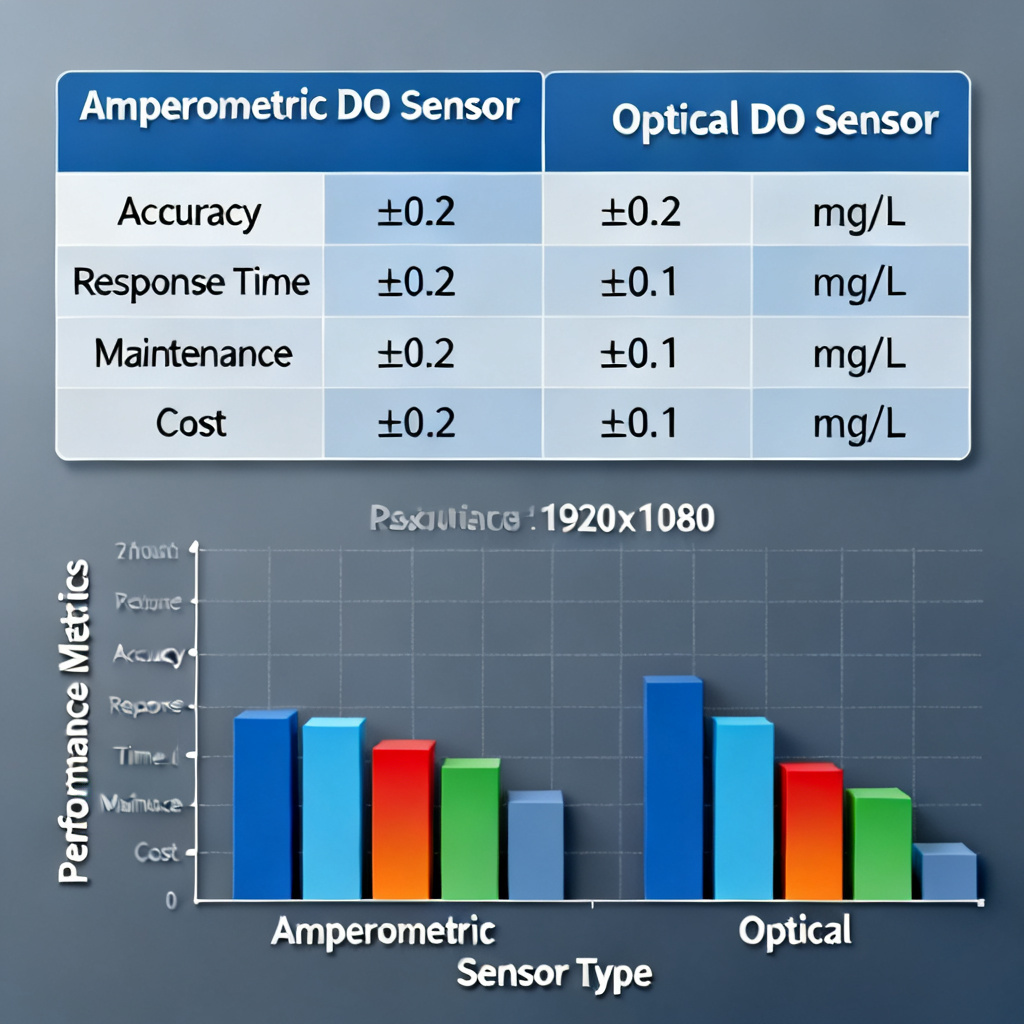
When selecting an amperometric dissolved oxygen sensor, it is important to compare it with optical (luminescent) DO sensors. The table below summarizes key differences:
| Feature | Amperometric DO Sensor (Clark/Galvanic) | Optical DO Sensor |
|---|---|---|
| Accuracy | ±0.1 mg/L | ±0.1 mg/L (similar) |
| Response Time | 30–90 sec | 30–120 sec |
| Flow Dependence | Required | None |
| Maintenance | High (membrane, electrolyte) | Low (clean lens) |
| Lifetime | 1–2 years (electrode) | 2–5 years (dye cap) |
| Cost | Lower initial | Higher initial |
The amperometric dissolved oxygen sensor offers lower upfront cost and proven reliability, while optical sensors provide lower maintenance and flow independence. Your choice depends on application requirements such as budget, maintenance capability, and water conditions.
Troubleshooting Common Issues
Drift or Unstable Readings
- Cause: Membrane fouling, electrolyte depletion, or temperature sensor failure.
- Solution: Clean membrane, replace electrolyte, or check thermistor.
Slow Response Time
- Cause: Thick or clogged membrane, old electrolyte, or electrode contamination.
- Solution: Replace membrane, refresh electrolyte, or polish cathode.
No Output or Zero Current
- Cause: Broken wire, dead battery (galvanic), or electrolyte leakage.
- Solution: Check connections, replace battery, or inspect sensor housing.
Negative Readings (Below 0 mg/L)
- Cause: Incorrect zero calibration or interference from reducing agents (e.g., sulfite).
- Solution: Recalibrate with fresh zero solution or remove interfering chemicals.
Future Trends in Amperometric DO Sensors
- Smart Sensors with Digital Communication: Integration of Modbus, HART, or Bluetooth for remote monitoring and predictive maintenance.
- Self-Cleaning Mechanisms: Automatic wiper or ultrasonic cleaning to reduce membrane fouling in dirty water.
- Miniaturization and MEMS Technology: Development of chip-based sensors for portable and wearable applications.
- Multi-Parameter Sensors: Combining DO with pH, conductivity, and temperature in a single probe.
- Advanced Materials: Use of graphene or nanostructured electrodes to enhance sensitivity and reduce response time.
Frequently Asked Questions (FAQ)
What is an amperometric dissolved oxygen sensor?
An amperometric dissolved oxygen sensor is an electrochemical device that measures oxygen concentration in water by generating a current proportional to the oxygen reduction reaction at a cathode, typically using a Clark or galvanic design.
How does an amperometric DO sensor differ from an optical DO sensor?
An amperometric dissolved oxygen sensor relies on electrochemical reduction and requires a membrane and electrolyte, while an optical DO sensor uses luminescence quenching. Amperometric sensors have lower initial cost but require more maintenance and flow dependence.
What are the main applications of amperometric DO sensors?
Common applications include wastewater treatment, aquaculture, environmental monitoring, industrial processes, and medical/pharmaceutical use, where real-time DO measurement is critical.
How often should an amperometric DO sensor be calibrated?
Calibration frequency depends on usage and water conditions, but typically daily to weekly for critical applications. Regular calibration ensures the amperometric dissolved oxygen sensor maintains accuracy.
What causes drift in amperometric DO sensors?
Drift is commonly caused by membrane fouling, electrolyte depletion, or temperature sensor failure. Regular cleaning and maintenance help mitigate these issues.
Conclusion
The amperometric dissolved oxygen sensor remains a cornerstone technology for accurate, real-time DO measurement across diverse industries. While it requires diligent maintenance and calibration, its proven reliability, wide range, and cost-effectiveness make it indispensable for applications from wastewater treatment to aquaculture. Understanding its working principles, limitations, and proper care will help you achieve optimal performance and extend sensor lifespan. For applications demanding minimal maintenance and flow independence, consider optical alternatives, but for precision and low-cost deployment, amperometric sensors continue to excel.