Industrial Optical Dissolved Oxygen Sensor for Aquaculture & Live Seafood Transport
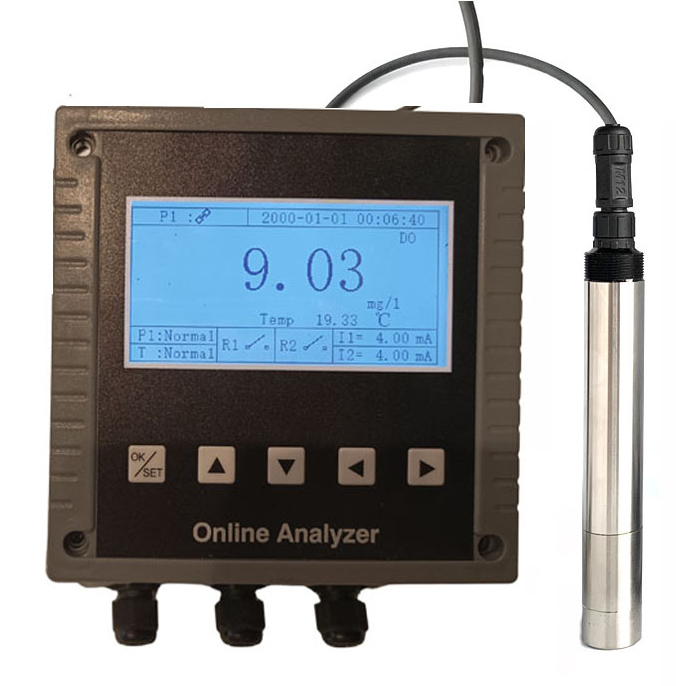
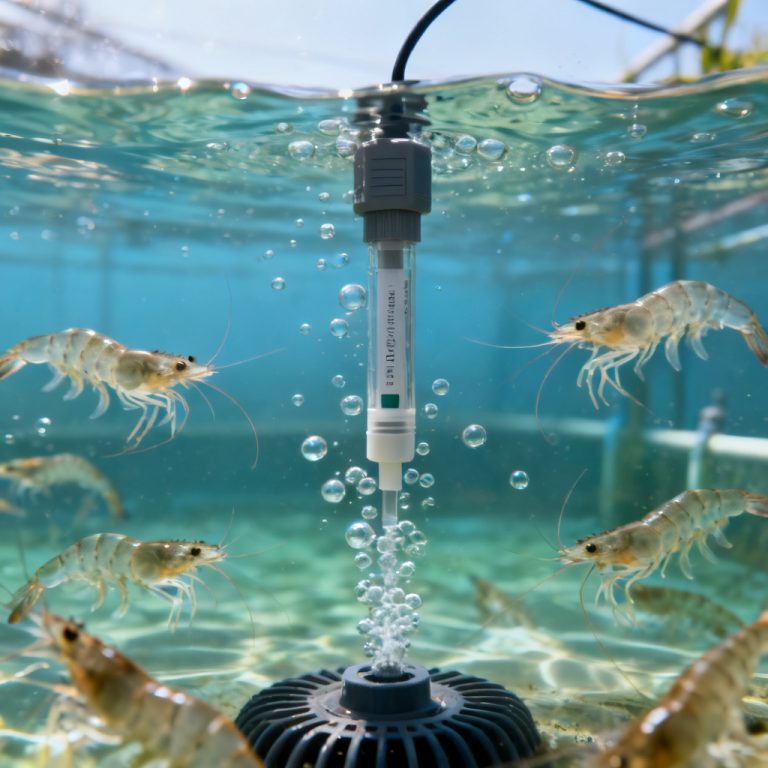
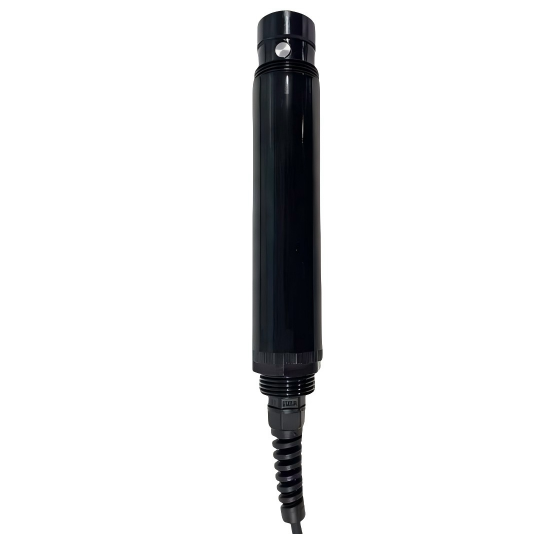
SensorMass-LD764 is an industrial optical dissolved oxygen sensor designed for real-time, continuous water quality monitoring. It is engineering-optimized as a premium aquacultural DO probe for high-density fish/shrimp farming, live seafood transportation, and commercial seafood holding tanks.
Dissolved Oxygen Sensor Core Features
No Flow Dependency & Static Water Measurement
Unlike traditional electrochemical sensors, this luminescent fluorescence-based sensor does not consume oxygen during measurement. This allows for unmatched precision even in completely static water or low-flow conditions, making it the absolute optimal choice for monitoring dissolved oxygen in closed transport bins, live haulers, and hotel holding tanks.
Why it matters for live haulers: Traditional electrochemical sensors fail in stagnant transport tanks because they require a continuous water flow (≥ 5 cm/s) to read accurately. SensorMass-LD764 requires zero flow, ensuring zero-error monitoring even when the transport truck is stuck in traffic or during custom inspection clearance.
High-Stability Green Light Excitation Technology
The sensor utilizes advanced, modulated green light excitation to significantly slow down the physical decay of fluorescent substances. This extends the lifespan of the replaceable sensor cap up to 18 months and the sensor body up to 5 years. This provides a rugged, drift-free measurement method that is unaffected by water turbidity or chemical contamination, typically requiring zero routine calibration. Learn more about engineering variations via our dissolved oxygen sensor types guide.
Integrated Digital & Analog Communication Protocols
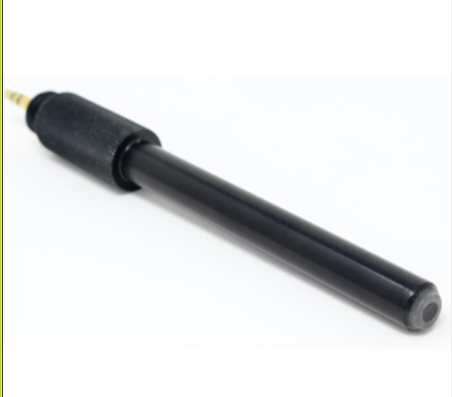
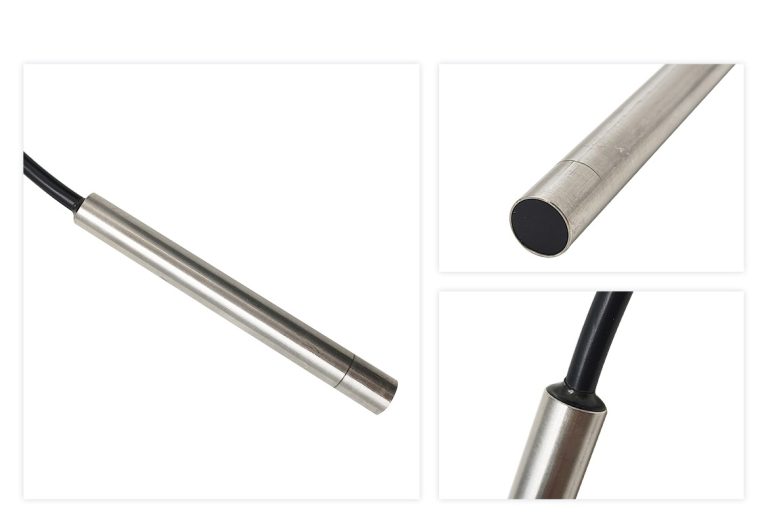
Housed in a fully shielded, IP68-rated 316L stainless steel or corrosion-resistant POM casing, the sensor natively outputs both RS485 (Modbus-RTU) digital signals and 4-20mA analog currents. This dual-output capability ensures heavy-duty anti-interference and seamless integration into IoT aquaculture gateways, PLC networks, and SCADA monitoring platforms.
Custom ODM & OEM Integration for IoT System Integrators
As an advanced innovative ODM sensor factory backed by deep R&D infrastructure and stationed in a core supply chain cluster, SensorMass provides full-stack customization for global IoT system integrators and engineering contractors. We offer flexible source-factory options including custom housing materials (POM, 316L Stainless Steel, or Titanium for hyper-saline seawater), tailored cable lengths, and proprietary secondary development communication protocols to seamlessly fit your unique hardware ecosystems.
Dissolved Oxygen Sensor Technical Parameters
| Specification Parameter | Technical Details |
|---|---|
| Measurement Principle | Luminescent Fluorescence Quenching (Optical) |
| Measuring Range | 0-20 mg/L or 0-200% Saturation |
| Measurement Accuracy | ±1% F.S. |
| Response Time (T90) | < 60 Seconds |
| Signal Outputs | RS485 Modbus-RTU & 4-20mA Current Loop |
| Temperature Compensation | Automatic via Internal PT1000 (±0.2°C) |
| Operating Pressure Range | ≤ 0.3 MPa |
| Power Supply Requirements | DC 12-30V, Low Power Consumption (< 0.2W) |
| Housing & Waterproof Rating | IP68 Rated; Available in 316L Stainless Steel, Titanium, or POM |
Application Scenarios of Dissolved Oxygen Sensors
Commercial Live Seafood Holding Tanks & Display Systems
Prevent devastating inventory loss in restaurant display pools and commercial holding infrastructure. Real-time DO tracking ensures that dissolved oxygen levels for vulnerable, high-value marine species like Australian lobsters and king crabs remain securely above critical hypoxia thresholds, preserving product mass, vitality, and flavor profiles.
International Live Aquatic Logistics & Cold Chain Transport
In specialized live aquatic transport bins and long-haul transport trucks, reliable DO data is the difference between profit and loss. Traditional electrochemical sensors fail in stagnant transport tanks because they require water movement to measure correctly. Our flow-independent optical probes deliver unwavering accuracy during multi-day cross-border shipping, custom inspection delays, and fluctuating altitudes, drastically minimizing mortality rates.
High-Density Intensive Aquaculture & RAS Infrastructure
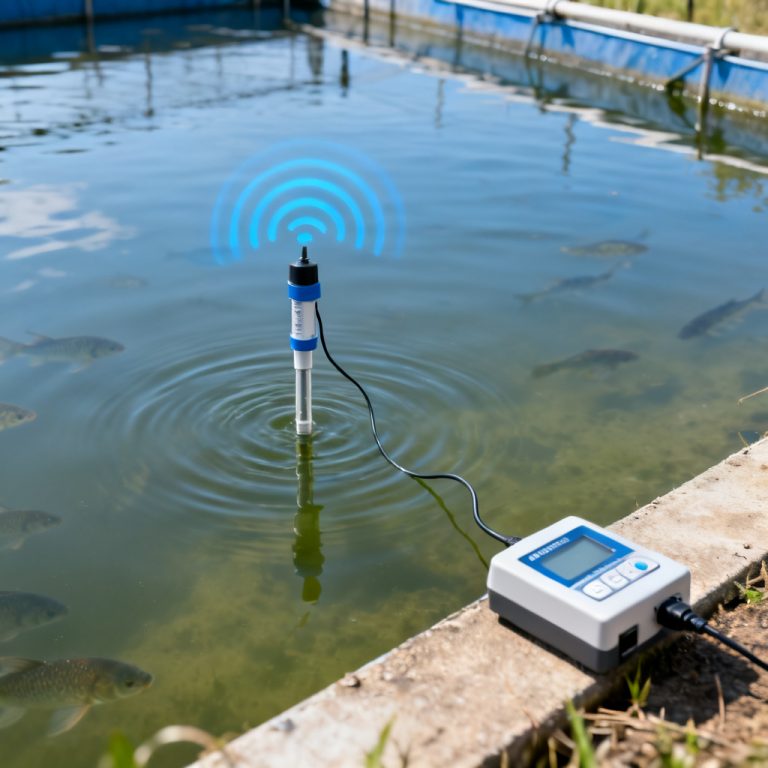
From marine shrimp hatcheries to industrial Recirculating Aquaculture Systems (RAS), our rugged DO sensors easily support intensive biomass stocking densities. By feeding precise data directly into automated aeration control loops, the system drops factory energy consumption overheads while ensuring optimal biological conversion ratios.
FAQs About Dissolved Oxygen Sensors
Q1: How do I choose between an optical and an electrochemical sensor for live aquatic transport tanks?
A: For live aquatic transportation, optical sensors are vastly superior. Old electrochemical probes require a continuous water flow (≥ 5 cm/s) against the membrane to avoid artificial low readings and demand regular electrolyte top-ups. For an in-depth technical breakdown of these two methodologies, see our analysis on optical dissolved oxygen sensor vs electrochemical dissolved oxygen sensor. SensorMass optical DO sensors are entirely flow-independent, consume zero oxygen during tracking, and require near-zero field maintenance.
Q2: Does water salinity affect the optical dissolved oxygen reading?
A: Yes, physical oxygen solubility is naturally inversely proportional to salinity; marine seawater holds less oxygen than freshwater at identical temperatures. SensorMass-LD764 sensors feature built-in automatic temperature compensation and support manual salinity/pressure offset configurations via Modbus registers to guarantee absolute accuracy (mg/L) across marine transport environments.
Q3: How often does this optical DO sensor require professional calibration?
A: Due to our highly stable green light technology, routine calibration is generally unnecessary for everyday operations. For strict industrial audits or ultra-high-precision deployments, we suggest a simple air-calibration check every 3 to 6 months, aligning easily with standard regulatory aquaculture maintenance frameworks.
Q4: What is the recommended cleaning protocol if the sensor face accumulates organic aquaculture sludge?
A: Simply clear away major debris and gently rinse the sensitive luminescent cap with clean water. Avoid using alcohol, chlorinated agents, or harsh organic solvents, and never touch the sensing membrane with sharp or hard objects, as doing so will permanently degrade the optical coating.
Q5: What are the primary communication and power options available for industrial SCADA integration?
A: Every SensorMass-LD764 probe natively outputs both a digital RS485 Modbus-RTU channel and an analog 4-20mA current loop directly from its internal microprocessor. Running on a wide-range DC 12-30V input, it integrates seamlessly with internet gateways, wireless RTUs, PLCs, or telemetry data loggers without needing separate, expensive external transmitters.