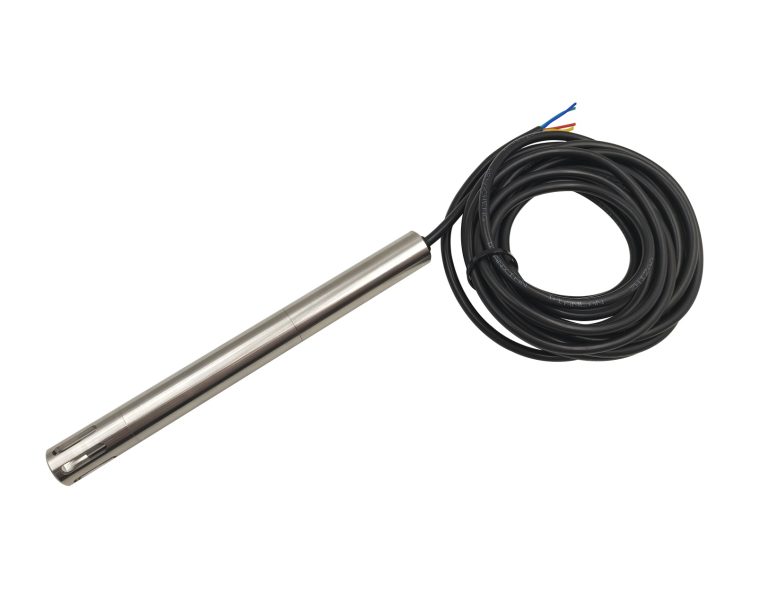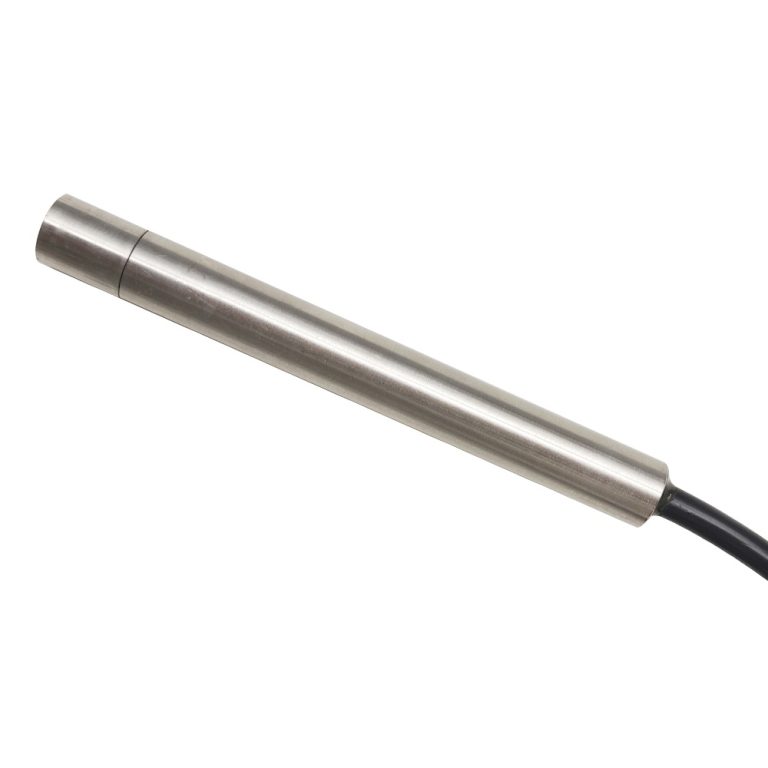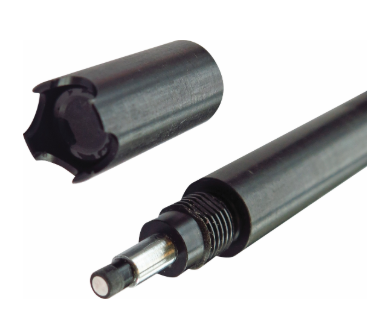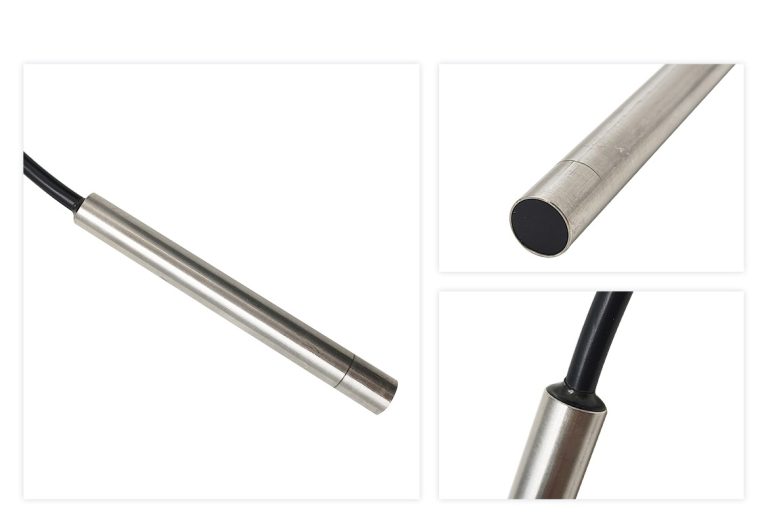
DS380 Optical Dissolved Oxygen Sensor & Probe, no oxygen consumption, no flow restriction, no electrolyte, no maintenance and calibration, no hydrogen sulfide interference, good stability.
Description:
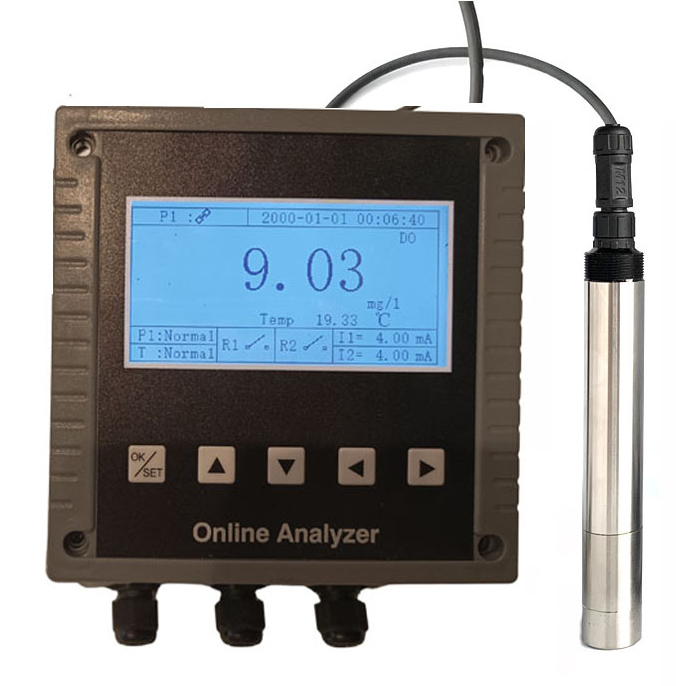
DS380 series of fluorescent dissolved oxygen sensors use a new generation of fluorescence lifetime technology and high-performance fluorescent materials. No oxygen consumption, No flow rate limitation, no electrolyte, no maintenance and calibration, no interference from hydrogen sulfide, and excellent stability. Built-in temperature sensor, automatic temperature compensation. An RS485 output can be networked without a controller.
Features of Dissolved Oxygen Sensor:
- DO Sensor, RS485 output, supports MODBUS, which can realize networking and system integration without a controller.
- There is no electrolyte, interference, or need for frequent calibration.
- No oxygen consumption, no flow rate limit.
- Built-in temperature sensor, automatic temperature compensation.
- The water filter membrane, will not be attached to pollutants in the water.
- Good stability, high measurement accuracy, and fast response.
Technical parameter:
| Item | Parameters |
|---|---|
| Model | DS380 |
| Principle | Optical fluorescence method |
| Measuring range | 0~20mg/L or 0-200% saturation |
| Response time | 3 sec |
| Accuracy | 3% |
| Protection level | IP68 |
| Installation | Submersible |
| Temperature sensor | NTC |
| Temperature range | 0~50°C |
| Temperature accuracy | ±0.2°C |
| Output | Support RS-485, MODBUS protocol |
| Power supply | DC 6~12V, current <50mA |
| Size | Φ22*155 mm |
| Probe cable length | Standard 5 meters, longer can be customized |
| Fluorescent cap life | 1 year |
| Maximum working pressure | 1bar |
| Housing material | SS316 / titanium alloy |
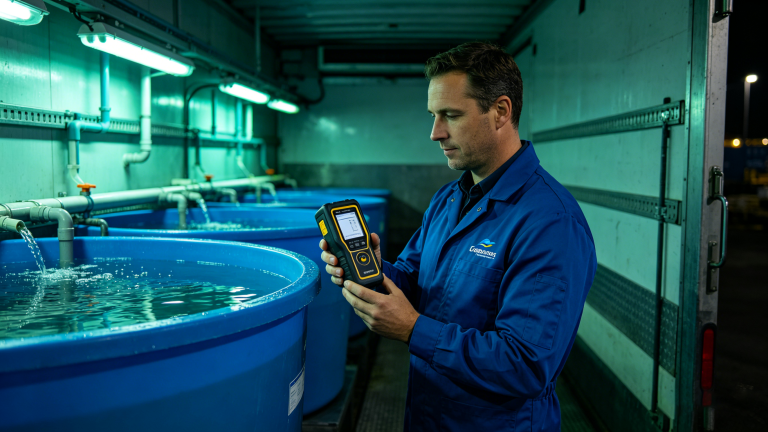
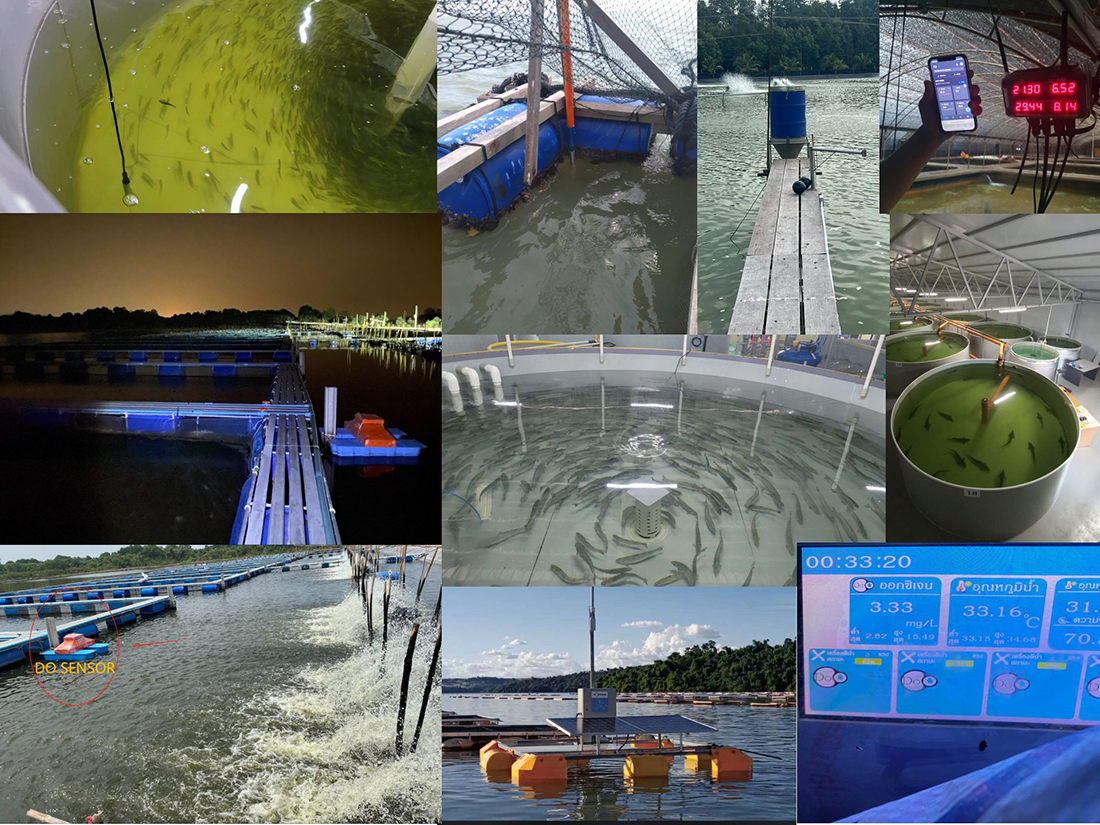
Customer Cases in Aquaculture:
Applications of Optical Dissolved Oxygen Sensors:
A dissolved oxygen sensor is a sensing device used to measure the dissolved amount of oxygen in water. Dissolved oxygen sensors are widely used in aquaculture such as fish ponds, sewage treatment industry, hydrological monitoring, environmental monitoring, and in education and scientific research.