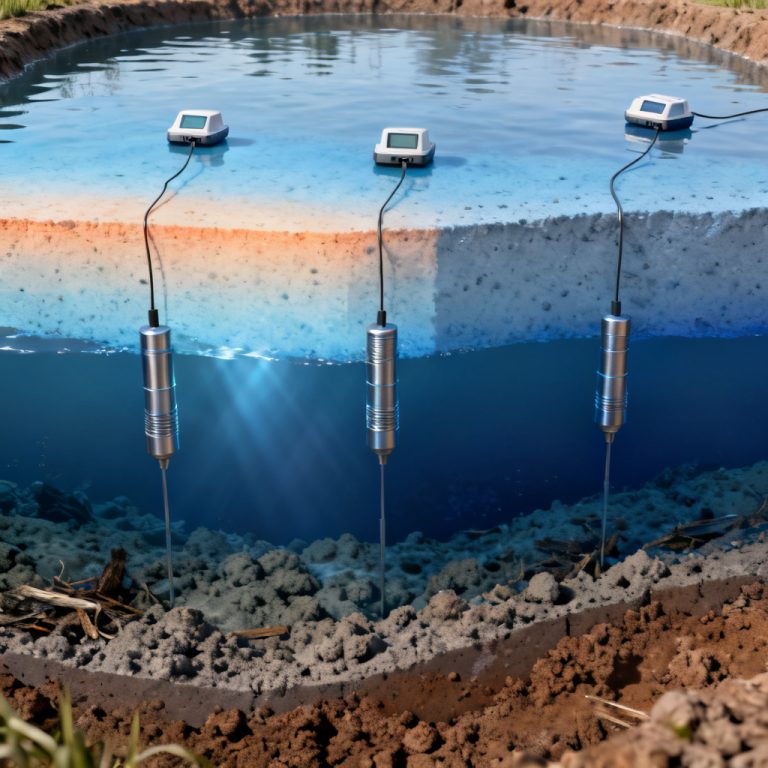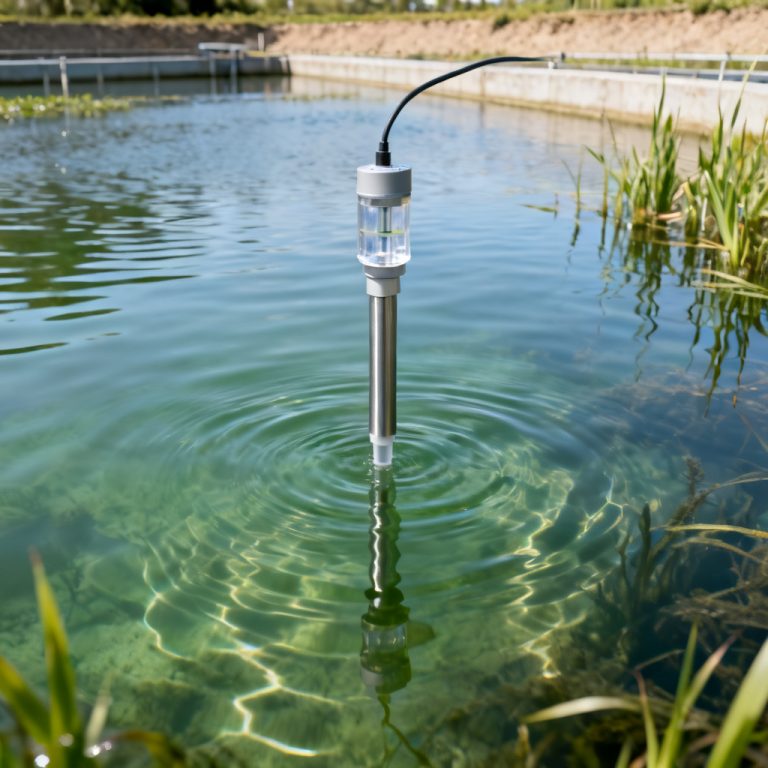
One of the most common water quality measurements taken is pH. pH is a measure of how acid or alkaline water is, but this is actually determined by the amount of free hydrogen and hydroxyl ions in the water. Water that has more free hydrogen is acidic, and conversely water that has more free hydroxyl ions is alkaline.
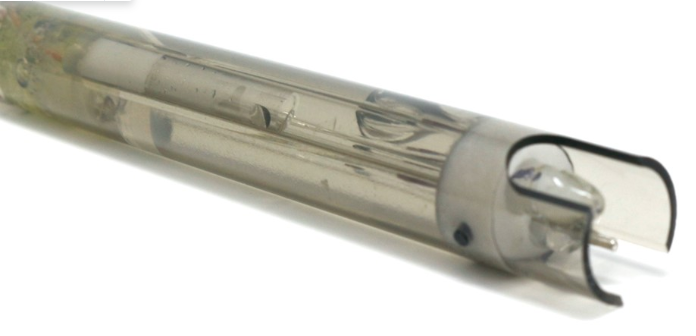
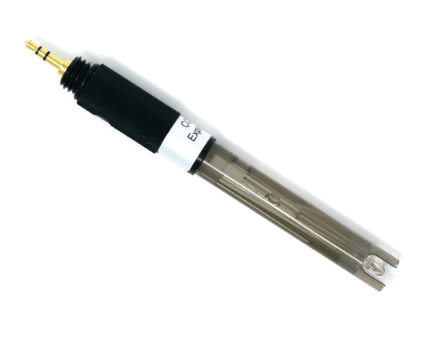
Here are a Combination pH/ORP Water Quality Sensors. It is gel filled and a consumable part. It features a 3MPK1 silver chloride reference ORP electrode and has a life span of around 12 months with regular use.
Key Features
- User replaceable sensor.
- pH Measurement range: 0-14pH.
- Simple 3-point calibration at pH4,7 and 10.
- Internal temperature compensation.
- Sensor accuracy of 0.1pH.
- Included on all multiparameter Aquaprobes and Aquasondes.
- Easy maintenance
Our pH sensors come as standard on many of our probes, below are some examples.
To see all of the probes that feature pH please visit the water quality section.
Always included
The pH/ORP sensor is included on every Aquaprobe and Aquasonde. It is a consumable sensor that will need replacing roughly every 12 months. Replacement is a quick and simple process.
Simplified calibration
Calibrating of the pH sensor has been made as easy for the user as possible. Simply put the probe in the chosen pH calibration solution, wait for the readings and temperature to stabilise, then select the correct pH calibration from the menu. The Aquameter will do the rest. It will check it is in the correct solution and check the stability before calibrating.
A basic pH7 followed by pH4 calibration is sufficient to provide accurate measurements, however a third point at pH10 is also available if required.
There are two options available for ORP calibration, either select 250mV or 229mV (commonly known as Zobels solution).
Application specific options
There are now 2 specialist types of pH/ORP sensors available. This allows you to choose a pH/ORP sensor with a build type that is designed to increase accuracy or extend its life span when being used in specific applications.
pH designed for dirty water
Our pH/ORP sensor for use in dirty water has a very different kind of junction between the gel on the inside of the sensor and the water you are measuring. A regular sensor uses a thin Teflon junction which is ideal for most application, however if the water is particularly dirty this junction can become blocked by debris or metals such as iron solubilised within the water. The dirty water version of the pH/ORP sensor uses a much larger ceramic junction. As this junction has a far greater surface area it is less prone to becoming blocked, maximising the sensors life in this kind of application.
pH designed for use in salt-water
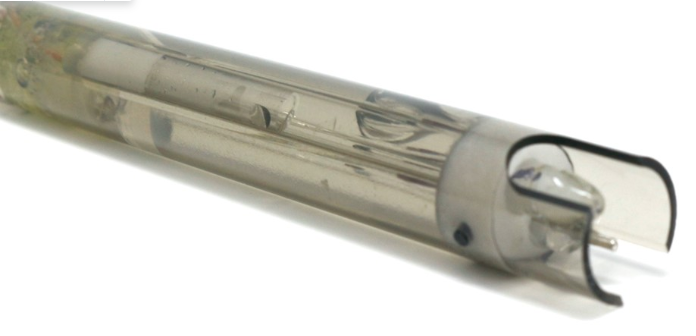
Our pH sensor designed for use in salt-water features a double junction. Inside a regular pH sensor there is just one gel filled section. Inside the salt-water version there are two gel filled sections connected by Teflon junctions. The reason for this is to do with the ionic gradient between the inside of the sensor and the salt-water being measured.
For a regular pH sensor, the ionic gradient is high between the inside of the sensor and the salt-water outside. This means the ions on the inside of the sensor can be drawn out, reducing the life span of the sensor. The additional gel filled section sits in contact with the salt-water. It has an ionic strength somewhere between that of the salt-water and the second gel filled section of this sensor. The aim of this design is to reduce the ionic gradient on that second gel filled section, to increase the sensors life when used for long periods in salt-water.