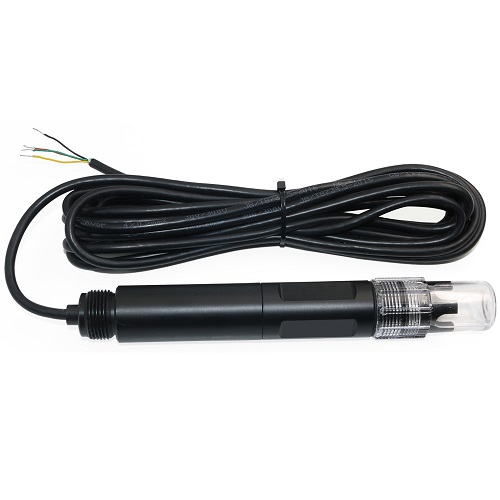
Real-Time Wireless Sensors for Aquaculture: The Central Nervous System of Modern Precision
In high-density aquaculture, water quality isn’t just an environmental factor—it is the single largest variable dictating feed conversion ratios (FCR), disease resistance, and ultimate harvest tonnage.
The SensorMass wireless sensor suite serves as a real-time monitoring dashboard, tracking critical environmental indicators down to a depth of 100 meters. Built to withstand rugged marine and freshwater environments, these Bluetooth-enabled, long-battery-life sensors provide the precise data needed to optimize farm operations and protect your biomass.
Unmatched reliability
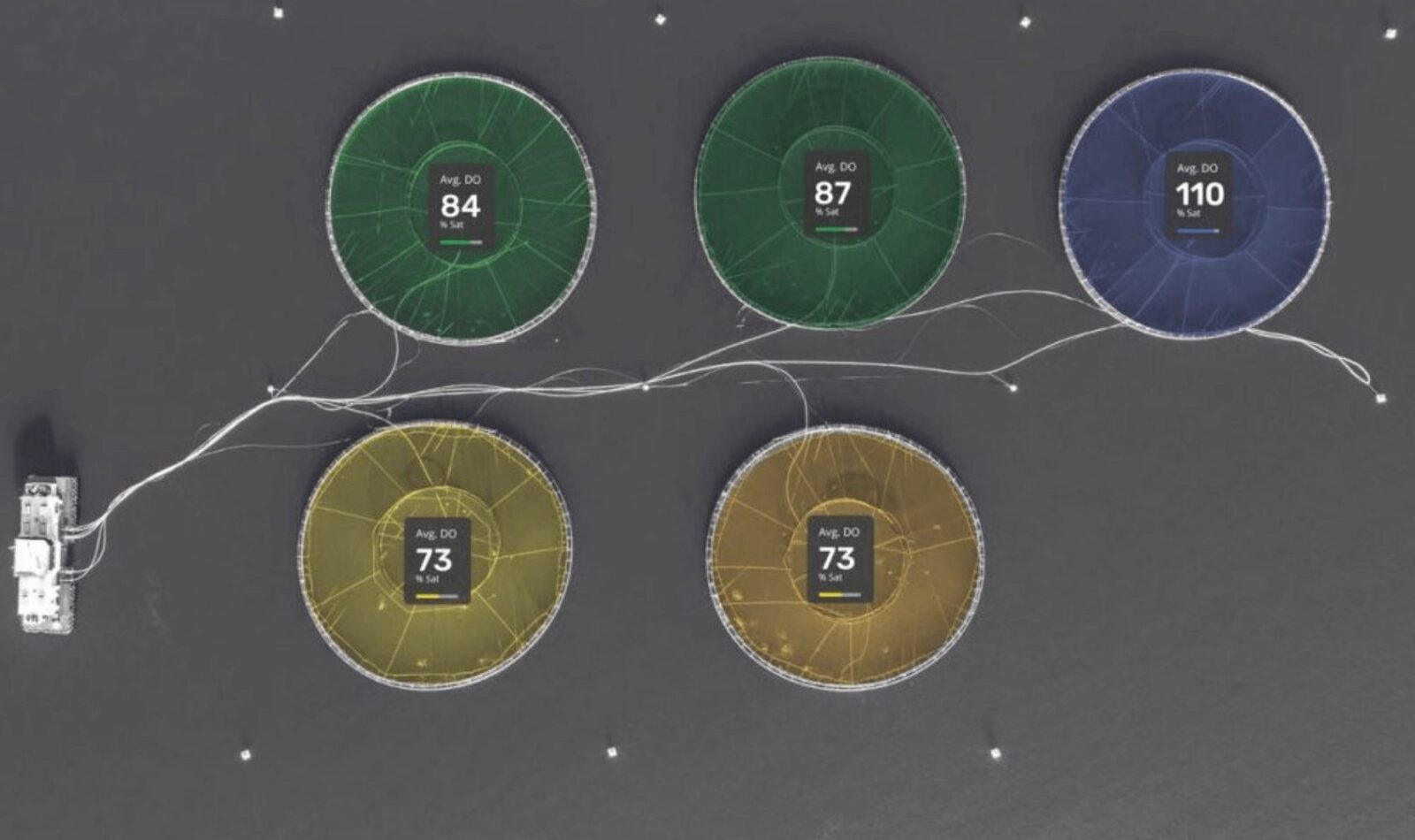
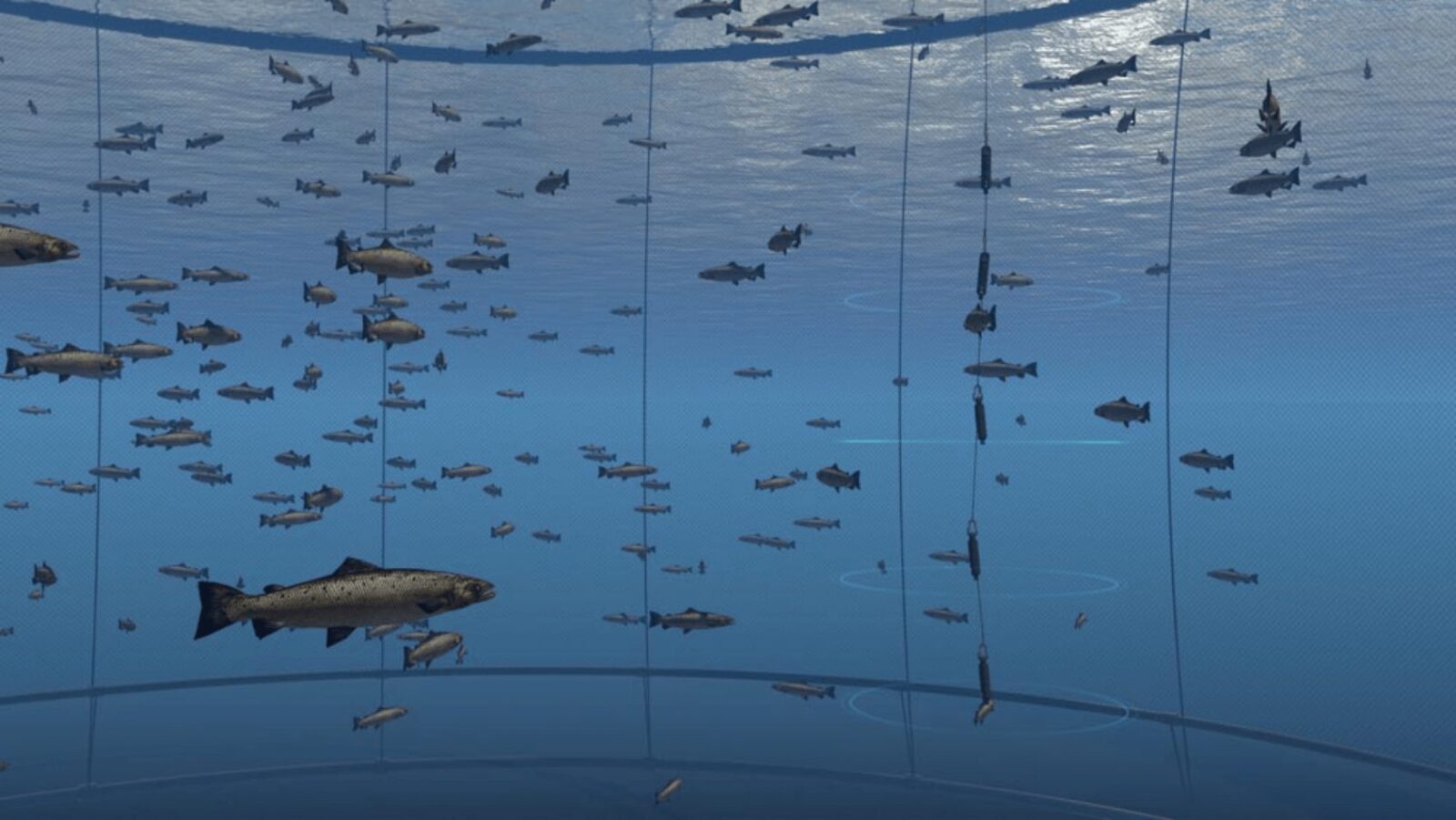
Our wireless SensorMass sensors serve as the central nervous system for Realfish Pro, our cloud-based precision aquaculture platform, and aquaEnvironment, our real-time monitoring dashboard. Placed strategically in and around your pens and paired with our aquaHub, the underwater sensors track water temperature and depth along with a host of other environmental indicators, including:
- Dissolved oxygen
- Salinity
- Chlorophyll
- Blue-green algae
- Turbidity
- Colored dissolved organic matter
Built to last
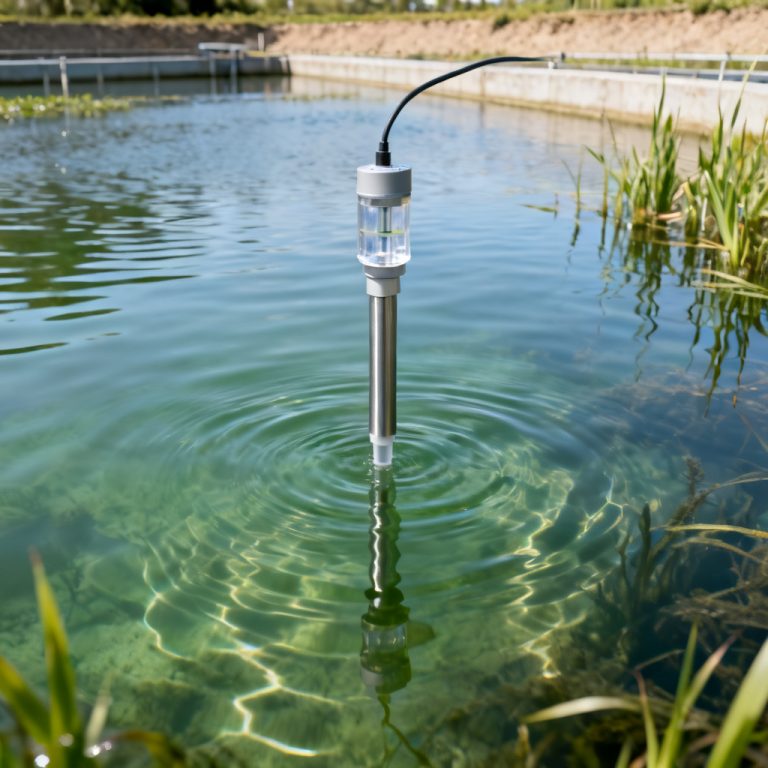
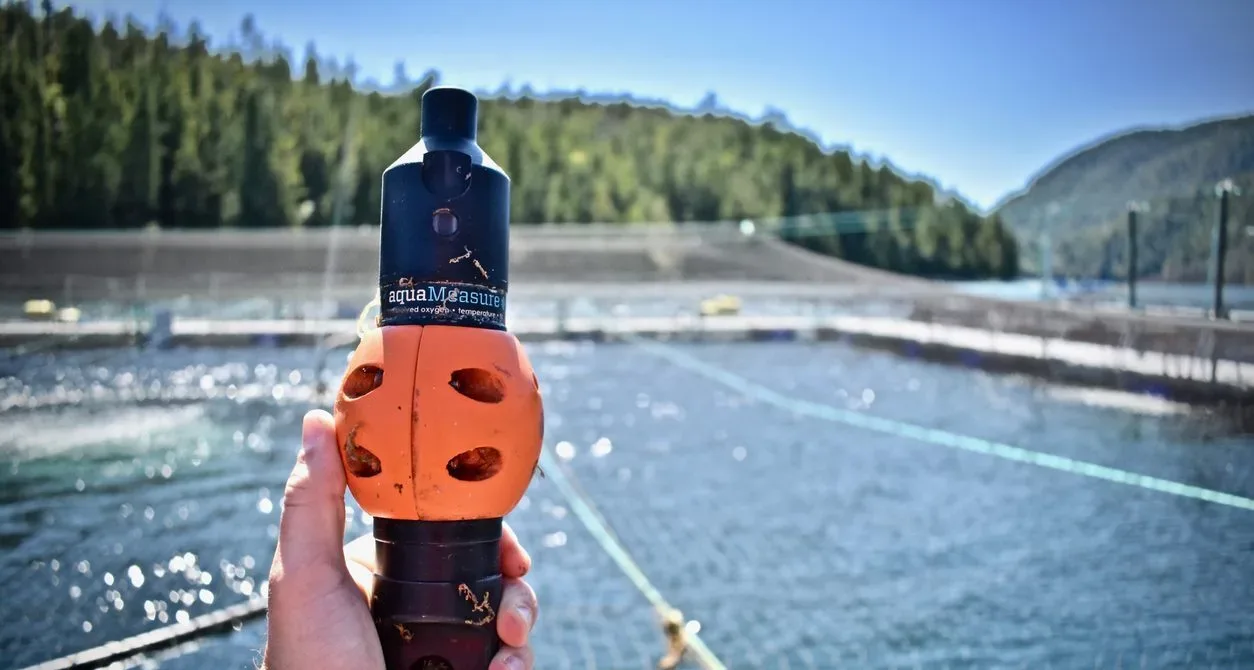
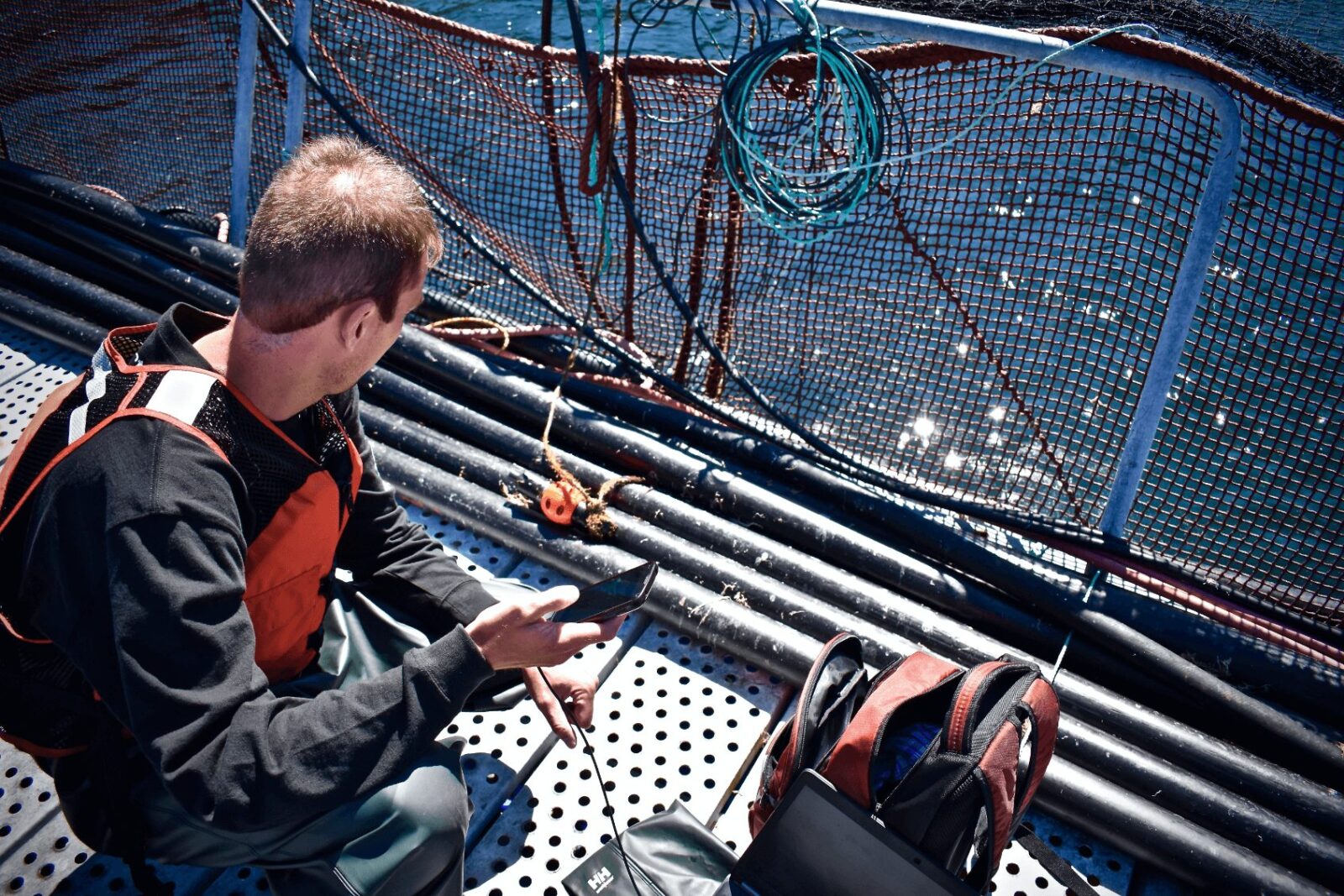
About the size of a flashlight, our wireless sensors for aquaculture are rugged and built to withstand the worst Mother Nature can dish out. They last a year on a single D battery, come calibrated and ready to deploy and feature an easy Bluetooth set-up so you can get them in the water quickly to start monitoring your pens and protecting your fish.
Track currents and weather
Our current profiler, meanwhile, provides mean flow measurements and data about waves and currents – crucial information when trying to protect both fish and infrastructure.
In addition, our add-on weather stations monitor conditions at the farm site, keeping you abreast of key factors that can affect operations at a moment’s notice, such as:
- Wind speed
- Wind direction
- Air temperature
- Barometric pressure
- Relative humidity
SensorMass Dissolved Oxygen (DO) & Temperature
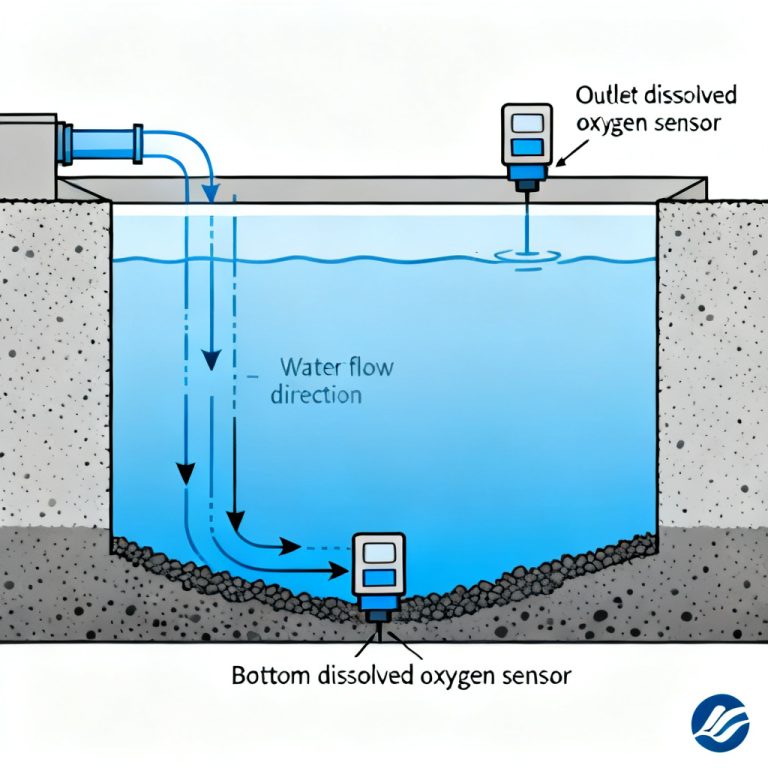
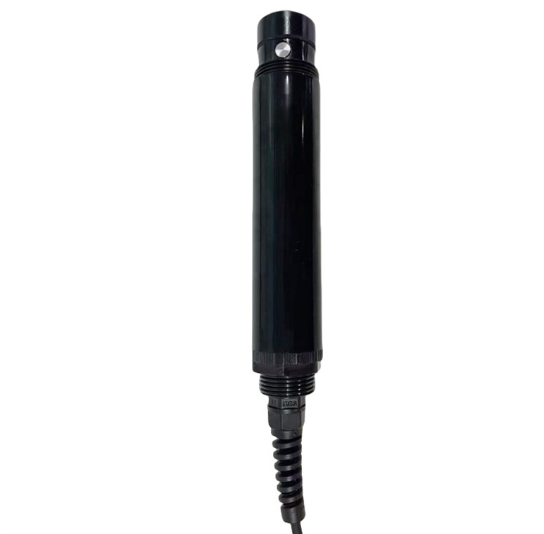
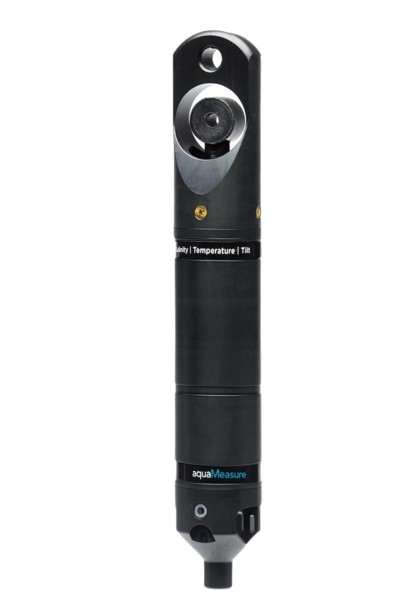
SensorMass Dissolved Oxygen (DO) & Temperature measures dissolved oxygen (DO), temperature and tilt in real time. DO measurements are critically important in optimizing feeding and maintaining healthy fish.Optimizing feeding schedules and maintaining healthy stock relies entirely on real-time DO monitoring. Because oxygen levels fluctuate rapidly throughout a 24-hour cycle due to photosynthesis and respiration, continuous tracking is critical to preventing sudden mortality events.
Dissolved Oxygen
Optical Based Measurement [0 – 150%]
Resolution (logged data): 0.1%
Accuracy ±5%, up to (0-120%) from 5°C to 25°C
Temperature
-5°C to 35°C
Resolution (logged data): 0.01°C
Tilt 0-180 degrees
Memory 64 MB flash
Depth Up to 100 meters
Case Study: Atlantic Salmon (Salmo salar) Cage Farming
The Dynamic: Atlantic salmon are highly sensitive to hypoxia. Optimal DO levels must be maintained above
70 to 80%saturation (
>6 mg/Ldepending on temperature). When water temperatures spike to
16∘C−18∘Cduring summer peaks, the water’s oxygen-carrying capacity drops exactly when the salmon’s metabolic rate demand peaks.
Production Impact: Real-time data from the SensorMass DO sensor allows operators to activate automated aeration systems or trigger oxygenation diffusion in pens. If DO drops below
50%saturation, salmon stop feeding entirely, skyrocketing the FCR. Catching a drop early protects millions of dollars in feed investments and prevents catastrophic biomass loss.
SensorMass SAL
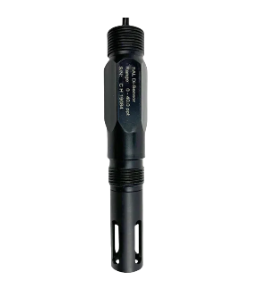
The SensorMass SAL measures salinity, temperature and tilt in real time. Salinity dictates the osmotic pressure of the aquatic environment. Sudden shifts—often caused by heavy rainfall, storm surges, or seasonal river runoff—cause severe physiological stress, disrupting ion regulation and leaving stock vulnerable to secondary pathogens.
Salinity
Conductivity Based Measurement [0 – 75PSU]
Temperature -5°C to 35°C
Tilt 0-180 degrees
Memory 64 MB flash
Depth Up to 100 meters
Case Study: Pacific White Shrimp (Litopenaeus vannamei) in RAS
The Dynamic: While white shrimp are euryhaline (tolerant of wide salinity ranges), their growth and molting cycles are highly dependent on stability. In intensive Recirculating Aquaculture Systems (RAS) or coastal ponds, the optimal salinity range is
15 to 25 PSU.
Production Impact: If a heavy monsoon season abruptly drops salinity below
5 PSU, shrimp expend excessive metabolic energy on osmoregulation rather than growth, delaying the molting cycle by several days. By tracking salinity in real time with SensorMass SAL, farm managers can precisely adjust water exchange rates or add sea salt mixes to stabilize the environment, ensuring uniform growth and predictable harvest timelines.
SensorMass BGA freshwater and marine
The SensorMass BGA measures blue-green algae, temperature and tilt in real time. Blue-green algae blooms can emerge overnight in nutrient-rich waters. Beyond causing severe nighttime dissolved oxygen crashes when the bloom dies off, certain species produce dangerous cyanotoxins that cause mass mortality.
Phycocyanin (Freshwater)
Optical Fluorescence Based [0 – 4500 ppb]
Phycoerythrin (Marine)
Optical Fluorescence Based [0 – 700 ppb]
Temperature -5°C to 35°C
Tilt 0-180 degrees
Memory 64 MB flash
Depth Up to 100 meters
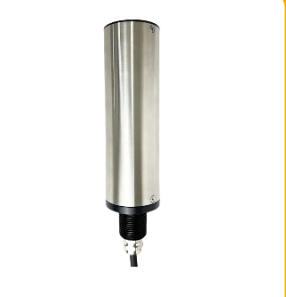
Case Study: Channel Catfish (Ictalurus punctatus) Ponds
The Dynamic: High-density catfish ponds are prone to heavy nutrient loading from feed waste, creating a prime environment for Microcystis and Anabaena blooms.
Production Impact: Beyond toxicity, these algae produce geosmin and MIB (2-methylisoborneol), compounds absorbed by the fish that cause an “off-flavor” (muddy taste). Off-flavor catfish cannot be processed or sold, forcing farmers to hold stock in ponds for months at great expense. Early detection of rising phycocyanin levels via SensorMass BGA warns operators to apply targeted algaecides or adjust water flushing before the bloom compromises the marketability of the entire harvest.
SensorMass Turbidity
The SensorMass Turbidity measures turbidity, temperature and tilt in real time. Turbidity is most often the result of suspended particles of solid matter in marine environments. If water is turbid, it appears cloudy. Turbidity is an important factor in water quality because increased levels of turbidity raise water temperatures, which can be harmful to biomass and affect fish feeding behavior and welfare.Highly turbid water physically damages respiratory structures and alters fish behavior.
Turbidity
Optical Back-Scatter Based [0 – 200 NTU]
Temperature -5°C to 35°C
Tilt 0-180 degrees
Memory 64 MB flash
Depth Up to 100 meters
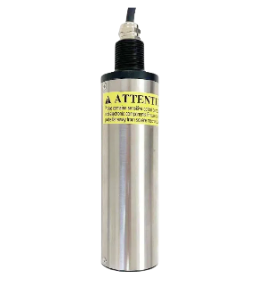
Case Study: Sardine & Anchovy (Clupeidae) Hatcheries & Sea Ranches
The Dynamic: Pelagic filter-feeders like sardines rely heavily on visual acuity to strike at zooplankton, and their delicate gill lamellae are highly sensitive to abrasive particulate matter.
Production Impact: When turbidity exceeds
30 to 40 NTUdue to coastal dredging or heavy runoff, suspended solids clog the gill filaments of juvenile sardines, causing physical micro-lesions. These lesions open the door to bacterial gill disease and significantly reduce oxygen transfer efficiency. Tracking turbidity trends with SensorMass TURB allows land-based hatcheries to automatically route incoming water through mechanical sand or drum filters the moment particulate levels spike.
SensorMass Chlorophyll A (Phytoplankton Biomass)
The SensorMass CHLA measures chlorophyll, temperature and tilt in real time. Chlorophyll A tracking allows managers to estimate total phytoplankton biomass. While a healthy population forms the base of the natural food web, an unmonitored surge signifies an impending algal bloom that can deplete macronutrients and strip oxygen from the water overnight.
Chlorophyll A-Blue
Optical Fluorescence Based Measurement (0 – 100 µg/l)
Chlorophyll A-Red
Optical Fluorescence Based Measurement (0 – 500 µg/l)
Temperature -5°C to 35°C
Tilt 0-180 degrees
Memory 64 MB flash
Depth Up to 100 meters
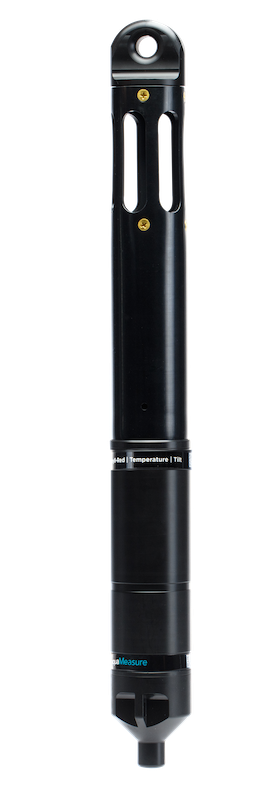
Case Study: Bivalve Mollusks (Oysters & Mussels) Longline Aquaculture
The Dynamic: Unlike finfish, oysters and mussels are entirely dependent on natural phytoplankton concentrations for food. Chlorophyll A levels directly reflect available forage.
Production Impact: If Chlorophyll A drops below
2 μg/L, bivalve growth stalls, prolonging the time-to-market. Conversely, spike levels above
40 μg/Lindicate a potential Harmful Algal Bloom (HAB) that could introduce paralytic shellfish toxins. Continuous tracking with SensorMass CHLA gives operators the metrics needed to shift longline depths to optimal feeding zones or prepare for emergency closures before toxins accumulate.
SensorMass CDOM/FDOM (Colored/Fluorescent Dissolved Organic Matter)
The SensorMass CDOM/FDOM measures colored (or chromophoric) dissolved organic matter, fluorescent dissolved organic matter, temperature and tilt in real time. CDOM consists of naturally occurring organic compounds (like tannins and humic acids) entering the system from local logging, agricultural runoff, or effluent discharge. CDOM absorbs UV light, altering the optical properties of the water and serving as a direct proxy for dissolved organic loading.
CDOM/FDOM
Optical Fluorescence Based Measurement (0 – 500 ppb)
Temperature -5°C to 35°C
Tilt 0-180 degrees
Memory 64 MB flash
Depth Up to 100 meters
Case Study: Clear-Water RAS for High-Value Finfish
The Dynamic: In high-density RAS systems, dissolved organic matter accumulates rapidly if organic loading outpaces the biofilter and ozone treatment capabilities.
Production Impact: High FDOM concentrations reduce the efficiency of UV sterilization units because the organic matter absorbs the UV light intended to eliminate pathogens like Vibrio or Aeromonas. By monitoring FDOM levels using SensorMass CDOM/FDOM, facility managers can automate ozone dosing or ramp up foam fractionator (protein skimmer) cycles to keep the water clear, ensuring that UV sterilization remains
100%effective against disease outbreaks.
Ready to transition to data-driven aquaculture?
Contact SensorMass today to discover how our integrated wireless sensor array can protect your biomass, lower your FCR, and secure your production yields.