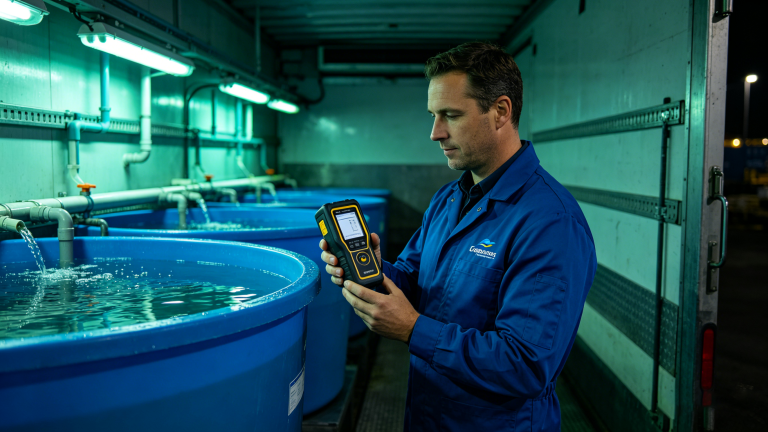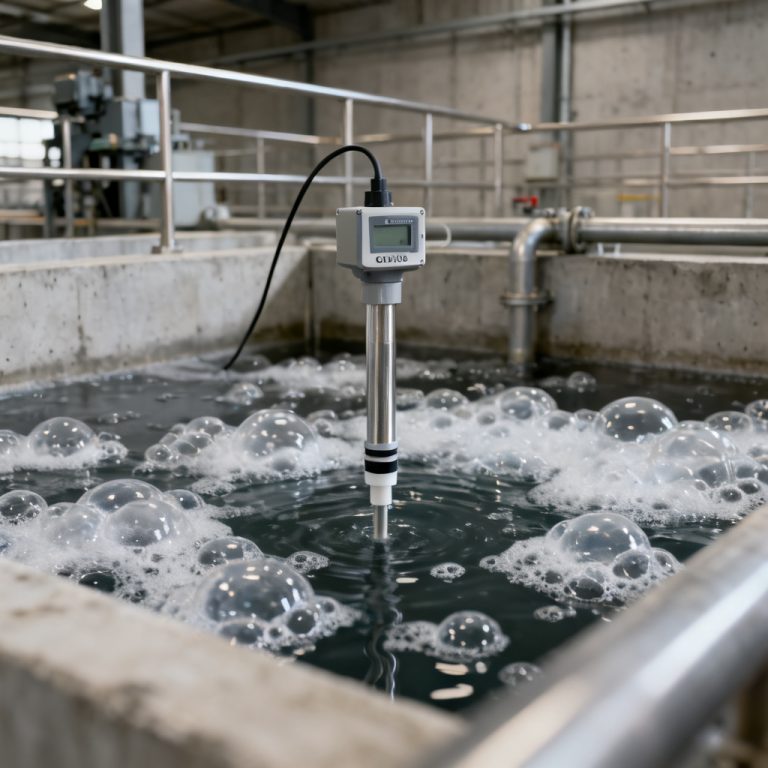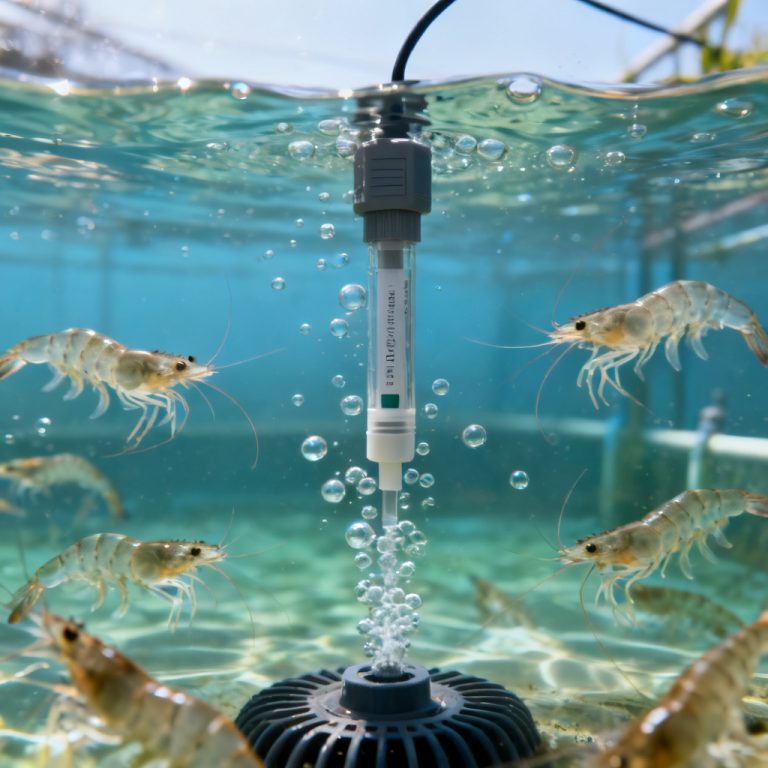
Real-time Dissolved Oxygen Alerts via SMS notifications are essential for protecting aquaculture, wastewater, and environmental operations from sudden dissolved oxygen sensor failures. When dissolved oxygen levels drop critically, instant SMS alerts enable operators to take immediate action, preventing fish kills, regulatory fines, and process downtime.
Core Components of a Real-Time DO Alert System for Dissolved Oxygen Sensor Monitoring
Dissolved Oxygen Sensor Selection for Reliable Alerts
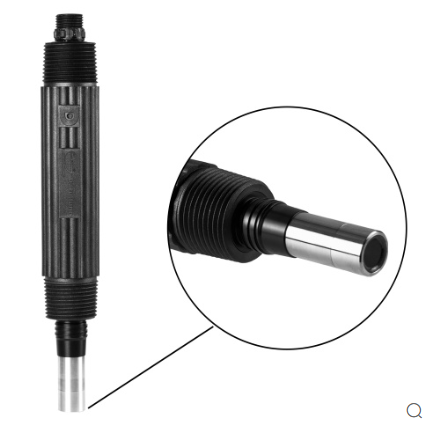
The foundation of any real-time DO alert system is a high-quality dissolved oxygen sensor. Optical (luminescent) sensors are preferred over electrochemical types for low maintenance, drift-free operation, and long-term stability. Key specifications include ±0.1 mg/L accuracy, automatic temperature compensation, salinity correction, IP68 rating, and anti-fouling coatings. Modern dissolved oxygen sensors support RS-485 Modbus, 4-20mA analog output, or digital interfaces like SDI-12. For SMS integration, choose sensors with built-in IoT capabilities or connect to a data logger.
Data Acquisition and Transmission for Dissolved Oxygen Sensor Networks
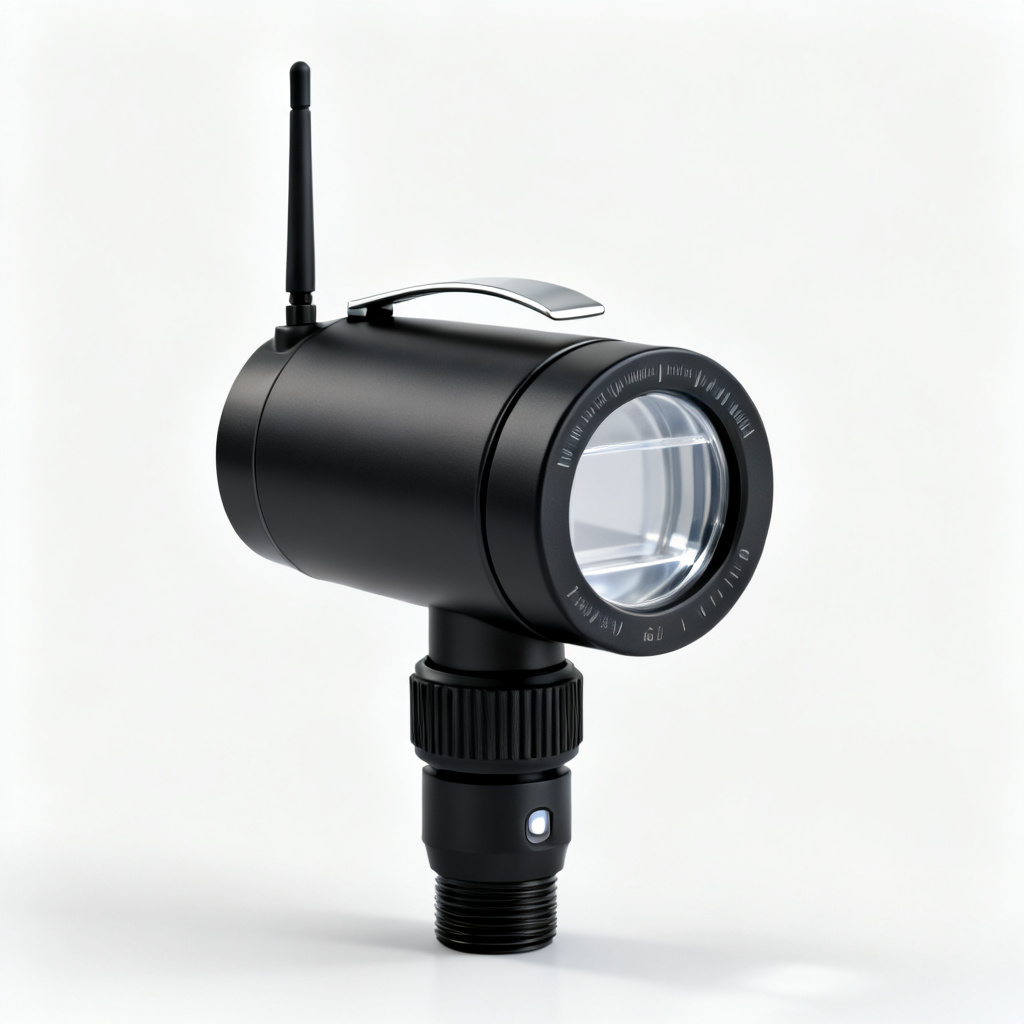
The dissolved oxygen sensor data must be collected and transmitted to a cloud platform or local server. Data loggers from Campbell Scientific or Onset HOBO collect DO readings at set intervals and send data via cellular (4G/5G), Wi-Fi, or Ethernet. IoT gateways from Advantech or Siemens aggregate multiple sensors and push data using MQTT, HTTP, or CoAP protocols. Some advanced dissolved oxygen sensors from YSI, In-Situ, or Eureka have built-in cellular modules, eliminating separate hardware.
Cloud Platform or Local Server for DO Data
Data must be stored and analyzed. Cloud platforms like AWS IoT Core (scalable with built-in rule engine), Azure IoT Hub (integrates with Logic Apps for SMS workflows), or ThingSpeak (free tier for small projects) are popular. Custom MQTT brokers like Mosquitto on Raspberry Pi offer full control for offline or low-latency applications.
Choosing an SMS Gateway for Dissolved Oxygen Sensor Alerts
Twilio for DO Alert SMS
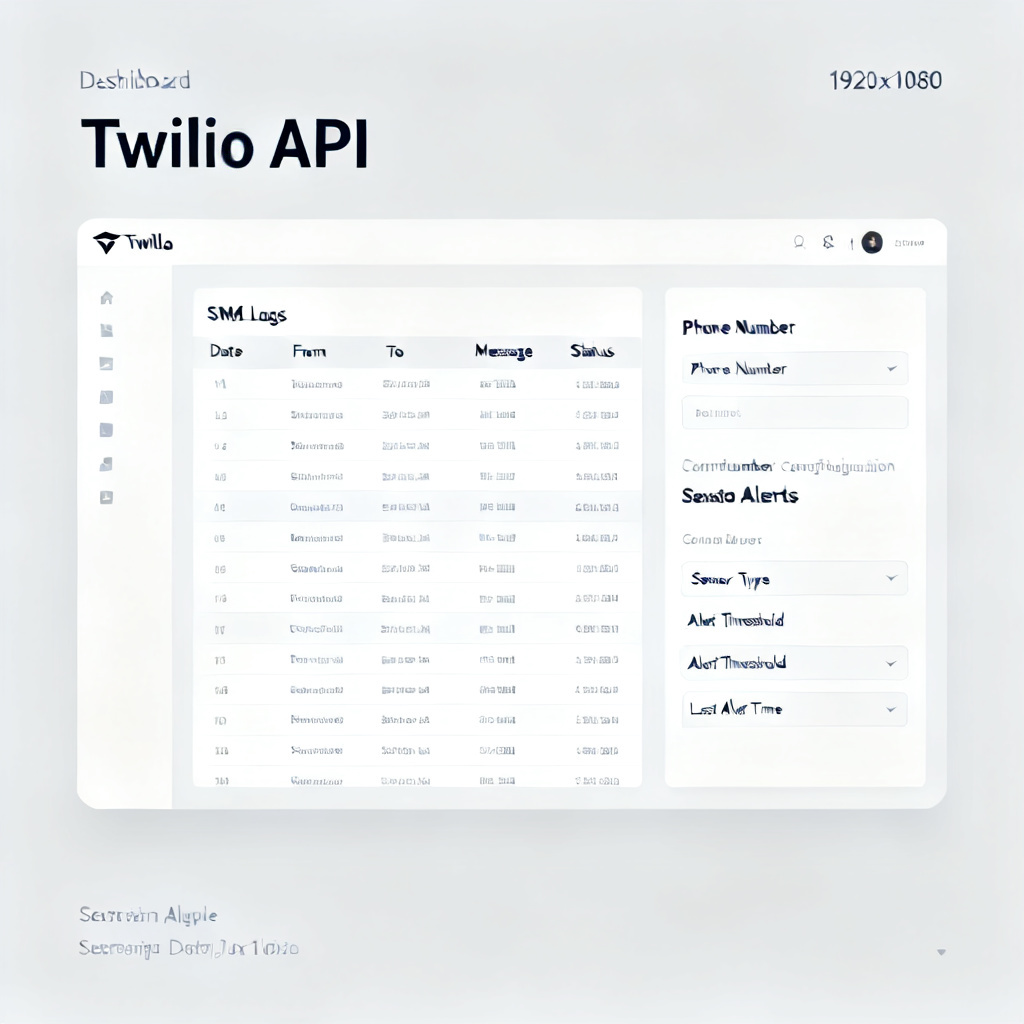
Twilio offers global reach, reliability, and pay-as-you-go pricing (~$0.0079 per SMS in US). It supports REST API, webhooks, and two-way messaging. Integration with Python, Node.js, PHP, and most cloud platforms via SDKs is straightforward. Setup involves creating a Twilio account, purchasing a phone number, and configuring API keys.
Plivo for High-Volume DO Alerts
Plivo provides competitive pricing, high delivery rates, and supports Unicode for multilingual alerts. It is ideal for high-volume SMS campaigns but has less developer community support compared to Twilio.
AWS SNS for Seamless DO Alert Integration
AWS SNS offers seamless integration with AWS services like Lambda and CloudWatch. Pay per message with SMS costs varying by country. Setup involves creating an SNS topic, subscribing phone numbers, and publishing messages via Lambda or CloudWatch Alarms.
ClickSend for Multi-Channel DO Alerts
ClickSend supports SMS, email, and voice calls with a simple REST API. Pricing can be higher for low-volume users.
Recommendation: For B2B applications, use Twilio or AWS SNS due to reliability and ecosystem support.
Setting Up SMS Notifications for Dissolved Oxygen Sensor Alerts: Step-by-Step
Step 1: Define Alert Thresholds for Dissolved Oxygen Sensor
Based on your application: for aquaculture, DO < 4 mg/L is critical, DO < 3 mg/L is emergency. Also consider rate of change (e.g., drop > 0.5 mg/L in 10 min). For wastewater, DO < 1 mg/L indicates aerobic process failure, DO > 8 mg/L indicates excessive aeration. For environmental monitoring, DO < 5 mg/L meets EPA standard for warm-water fish. Store thresholds in a configuration file or database.
Step 2: Configure Data Pipeline for Dissolved Oxygen Sensor
In cloud platforms like AWS IoT Core, set up a rule to evaluate incoming DO data: SELECT * FROM 'do/sensor' WHERE value < 4, then action to send to SNS topic. On local servers using Node-RED, use MQTT input node, function node to check threshold, and HTTP request node to call Twilio API.
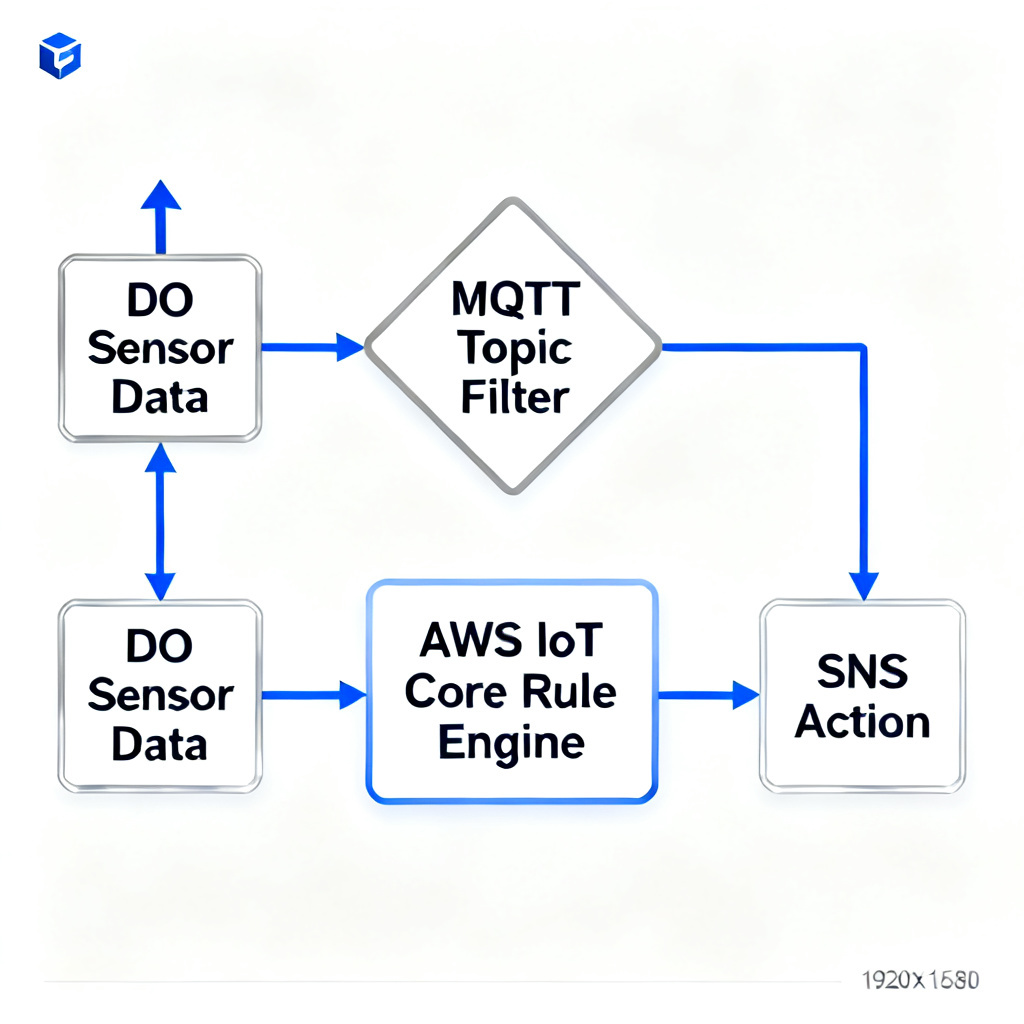
Step 3: Implement SMS Logic for DO Alerts
Send SMS immediately when threshold is breached. Use debouncing to avoid alert storms by requiring the condition to persist for X minutes (e.g., 2 minutes) before sending. Implement escalation: if no acknowledgment within 15 minutes, send to a backup number or trigger a phone call.
Step 4: Test the Dissolved Oxygen Sensor Alert System
Simulate low DO by placing the dissolved oxygen sensor in deoxygenated water (e.g., using sodium sulfite). Verify SMS delivery within 30 seconds (typical latency). Test edge cases: sensor offline, network failure, multiple simultaneous alerts.
Step 5: Monitor and Log DO Alerts
Use cloud logs (e.g., CloudWatch) to track all SMS events. Implement a dashboard showing alert history, response times, and sensor health.
Advanced Features and Best Practices for Dissolved Oxygen Sensor SMS Alerts
Multi-Channel Alerts for DO Monitoring
Combine SMS with email, push notifications, or voice calls for redundancy. SMS as primary alert, email for detailed reports (e.g., 15-minute trend graph), voice call for emergency escalation using Twilio Studio or AWS Connect.
Two-Way SMS for Dissolved Oxygen Sensor Management
Allow operators to reply to SMS to acknowledge, snooze, or request more data. Implement a webhook to parse replies. Example: Reply “ACK” to stop further alerts for 1 hour. Reply “DATA” to receive current DO reading via SMS.
Scheduling and Routing for DO Alerts
Send SMS only during operational hours; use email for non-critical alerts at night. Route alerts to the nearest technician based on GPS coordinates of the dissolved oxygen sensor.
Security for DO Alert Systems
Encrypt API keys using environment variables or AWS Secrets Manager. Use HTTPS for all API calls. Rate-limit SMS sending to prevent abuse (e.g., max 10 SMS per hour per dissolved oxygen sensor).
Cost Optimization for DO Alert SMS
Batch multiple alerts into a single SMS (e.g., “DO Alert: Pond A=3.2, Pond B=2.8”). Use local SMS gateways for international numbers to avoid roaming charges. Monitor monthly SMS usage and set budget alerts.
Troubleshooting Common Issues with Dissolved Oxygen Sensor SMS Alerts
| Problem | Possible Cause | Solution |
|---|---|---|
| SMS not received | Wrong phone number, blocked sender ID, carrier issue | Verify number, use alphanumeric sender ID (e.g., “DOAlert”), test with different carrier |
| Delayed SMS | Network congestion, API rate limits | Use premium SMS route, implement retry logic (3 attempts, 5-min interval) |
| False alerts | Dissolved oxygen sensor drift, electrical noise | Add debouncing (e.g., 3 consecutive readings below threshold), calibrate sensor weekly |
| Sensor offline | Power failure, damaged cable, modem dead | Set up “heartbeat” check: if no data for 15 min, send “Sensor Offline” SMS |
| Multiple alerts for same event | Threshold crossed many times | Implement “alert cooldown” (e.g., 30 min between identical alerts) |
Real-World Case Studies: Dissolved Oxygen Sensor SMS Alert Implementation
Aquaculture Farm in Thailand
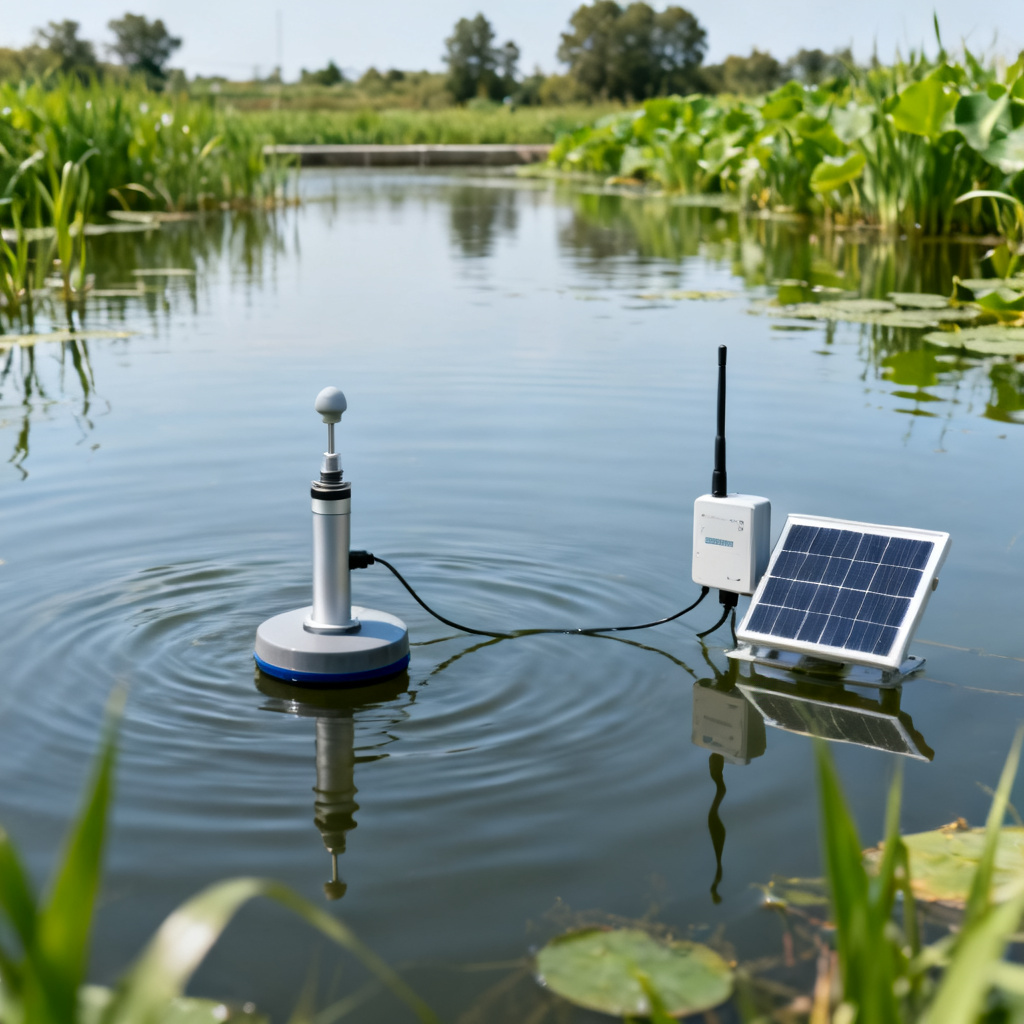
Setup: 10 optical dissolved oxygen sensors (YSI ProDSS), 4G data loggers, AWS IoT Core + Twilio. Thresholds: <4 mg/L triggers SMS to farm manager; <3 mg/L triggers SMS to owner and backup staff. Result: Reduced fish mortality by 40% in first year. Average response time dropped from 2 hours to 5 minutes.
Wastewater Treatment Plant in Germany
Setup: 5 dissolved oxygen sensors (Endress+Hauser), Siemens IoT2040 gateway, Azure IoT Hub + Plivo. Thresholds: <1.5 mg/L triggers SMS to operator; <1 mg/L triggers SMS to plant manager and email to regulatory body. Result: Prevented 3 aeration failures in 6 months, saving €15,000 in energy costs.
Environmental Monitoring in the US
Setup: 3 dissolved oxygen sensors (In-Situ AquaTroll), cellular telemetry, ThingSpeak + Twilio. Thresholds: <5 mg/L triggers SMS to research team; rate of change >0.3 mg/L per hour triggers SMS for early warning. Result: Captured 2 hypoxia events that would have been missed with weekly sampling.
Comparison: Optical vs Electrochemical Dissolved Oxygen Sensors for SMS Alert Systems
| Feature | Optical Dissolved Oxygen Sensor | Electrochemical Dissolved Oxygen Sensor |
|---|---|---|
| Maintenance | Low (no membrane replacement) | High (membrane and electrolyte replacement) |
| Drift | Minimal drift over time | Significant drift requires frequent calibration |
| Response Time | Fast (T90 < 30 seconds) | Moderate (T90 < 60 seconds) |
| Interference | No H2S or pH interference | Susceptible to H2S and pH changes |
| Long-Term Stability | Excellent for continuous monitoring | Degrades over time, especially in harsh environments |
FAQ: Real-Time DO Alerts with Dissolved Oxygen Sensor SMS Notifications
What is the minimum dissolved oxygen level that should trigger an SMS alert from a dissolved oxygen sensor?
How do I set up SMS notifications for my dissolved oxygen sensor monitoring system?
What is the best SMS gateway for dissolved oxygen sensor alerts?
How often should I calibrate my dissolved oxygen sensor for accurate SMS alerts?
Can I use a single dissolved oxygen sensor to monitor multiple ponds and send SMS alerts?
Conclusion and Next Steps for Your Dissolved Oxygen Sensor SMS Alert System
Setting up real-time DO alerts with SMS notifications is a proven method to protect your operations, comply with regulations, and save costs. The key is to choose the right dissolved oxygen sensor, integrate a robust data pipeline, and configure a reliable SMS gateway like Twilio or AWS SNS.
Next Steps for Your B2B Business:
- Evaluate your needs: determine number of dissolved oxygen sensors, alert thresholds, and budget.
- Select hardware: contact us for a free consultation on optical dissolved oxygen sensors with cellular IoT capabilities.
- Implement a pilot: start with one dissolved oxygen sensor and SMS gateway, then scale.
- Optimize: use debouncing, escalation, and two-way SMS to refine your system.
Ready to deploy? Our team specializes in custom dissolved oxygen sensor monitoring solutions, including SMS integration. Contact us for a quote or demo.