Do optical do sensors save money in aquaculture and wastewater? Yes—by reducing feed waste, cutting energy costs, and lowering mortality. This page analyzes data from leading industry sources to show you the real return on investment.
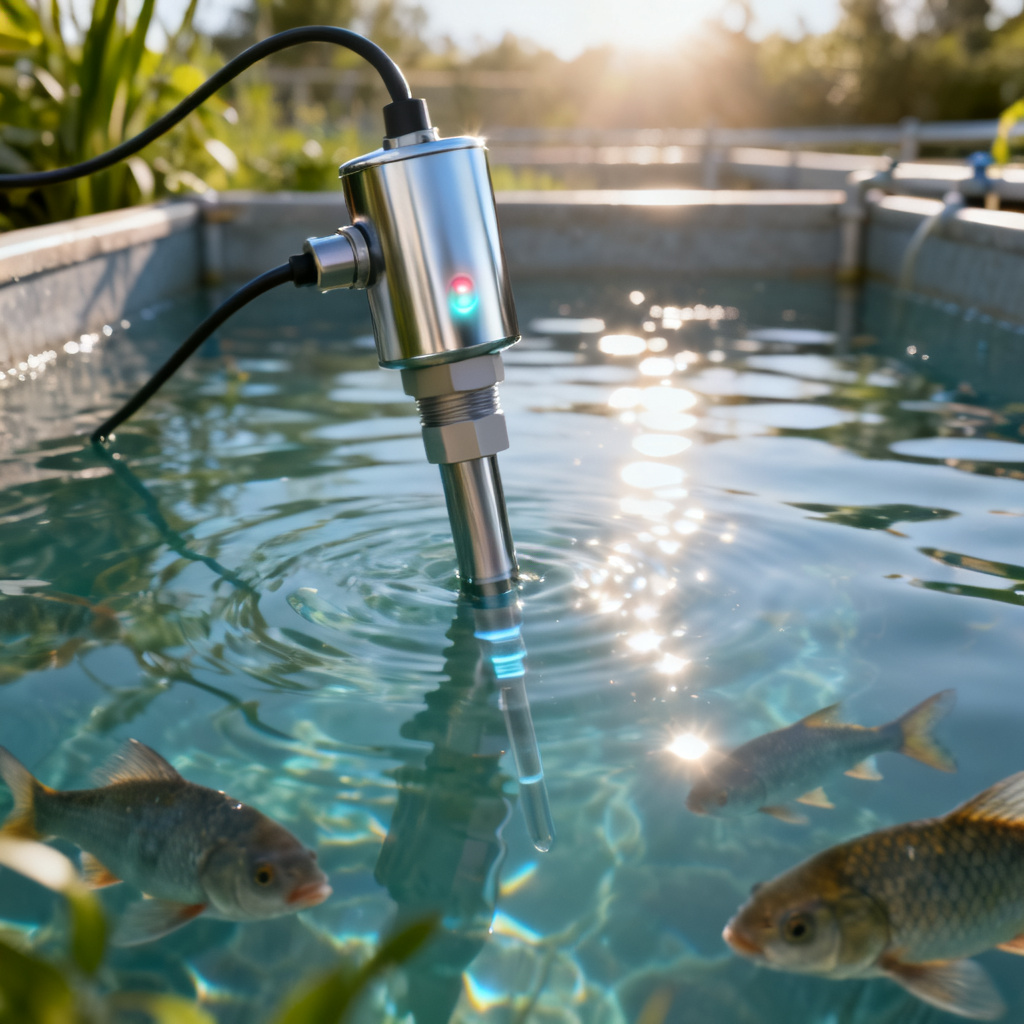
Optical DO Sensor Feed Savings
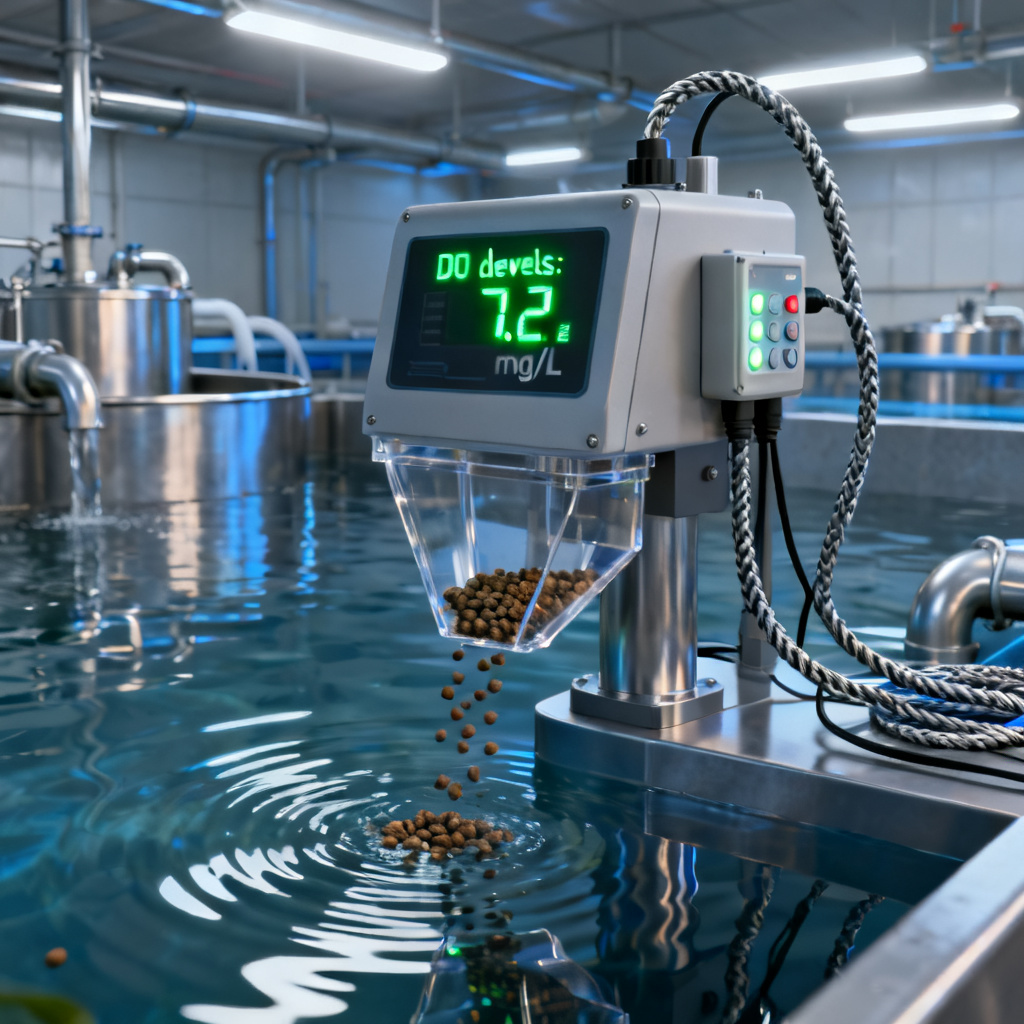
Optical dissolved oxygen sensors improve feed conversion ratios (FCR) through real-time, drift-free measurements. In aquaculture, feed accounts for 40–60% of operational costs. Accurate optical DO sensor data allows precise feeding matched to oxygen availability.
YSI Data on Feed Reduction
YSI reports that continuous DO monitoring reduces feed waste by 10–15%, directly improving FCR. When DO levels drop, fish eat less and digest inefficiently—optical sensors prevent this.
Hach Case Studies in RAS
Hach’s studies in recirculating aquaculture systems (RAS) show a 5–8% FCR improvement after switching to optical sensors, eliminating membrane replacement issues common with electrochemical types.
Campbell Scientific Field Trials
Campbell Scientific’s shrimp pond trials demonstrated a 12% reduction in feed costs without compromising growth, thanks to long-term stability in outdoor conditions.
| Optical DO Sensor Feed Savings Metric | Value |
|---|---|
| Feed waste reduction range | 5–15% |
| Typical FCR improvement (RAS) | 5–8% |
| Annual savings (100-ton farm) | $10,000–$30,000 |
Optical DO Sensor Energy Savings
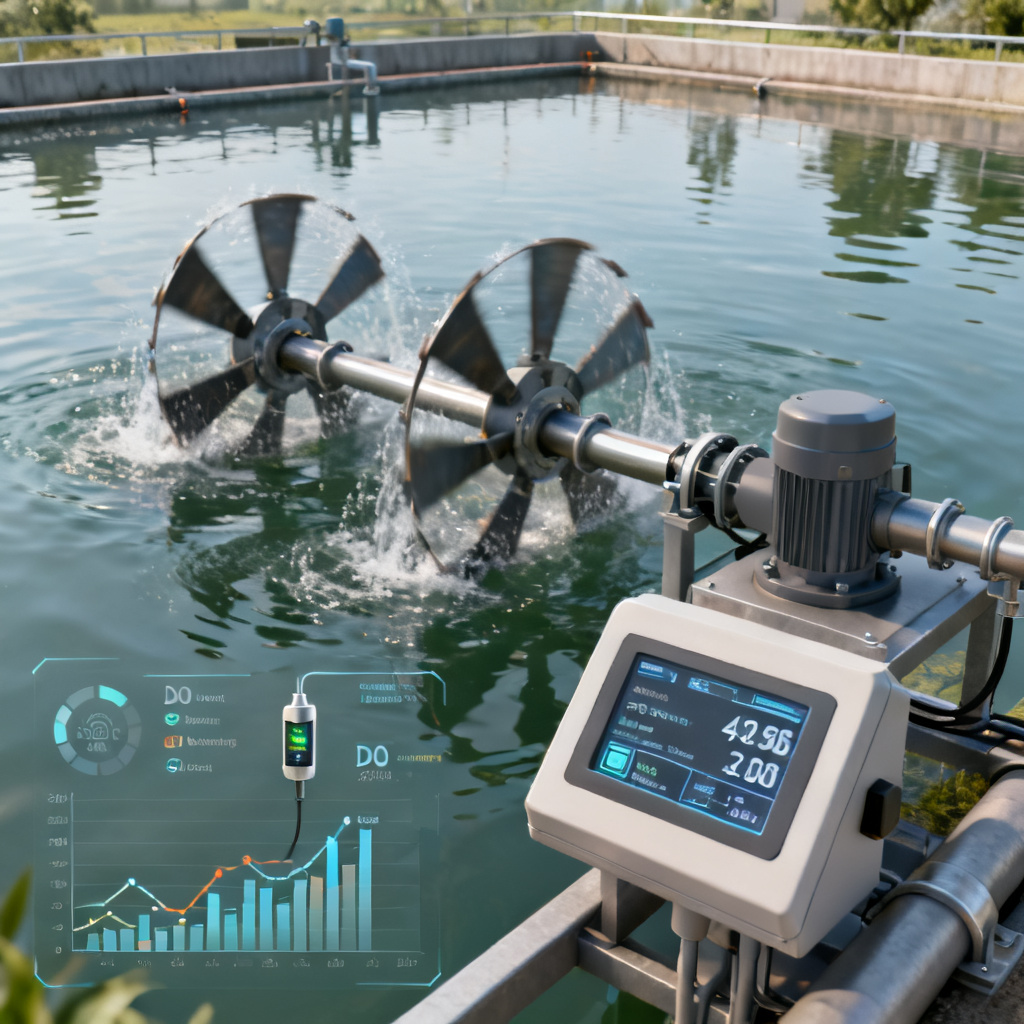
Optical dissolved oxygen sensors reduce aeration energy by 20–50% through real-time control. Aeration is the second-largest energy cost in aquaculture and wastewater.
YSI on Aeration Runtime
YSI reports that farms using optical sensors cut aeration runtime by 20–30% by maintaining DO at optimal levels without overshooting. In wastewater, blower savings reach 50%.
Hach on Fouling Immunity
Hach notes that optical sensors resist fouling from grease, oil, or sulfide, delivering accurate readings for months. A municipal plant reduced aeration energy by 25% after switching to LDO sensors.
Campbell Scientific Predictive Control
Campbell Scientific’s predictive aeration system, paired with optical sensors, cut energy costs by 35% in a 50-acre catfish pond by eliminating safety buffers.
Optical DO Sensor Mortality Reduction
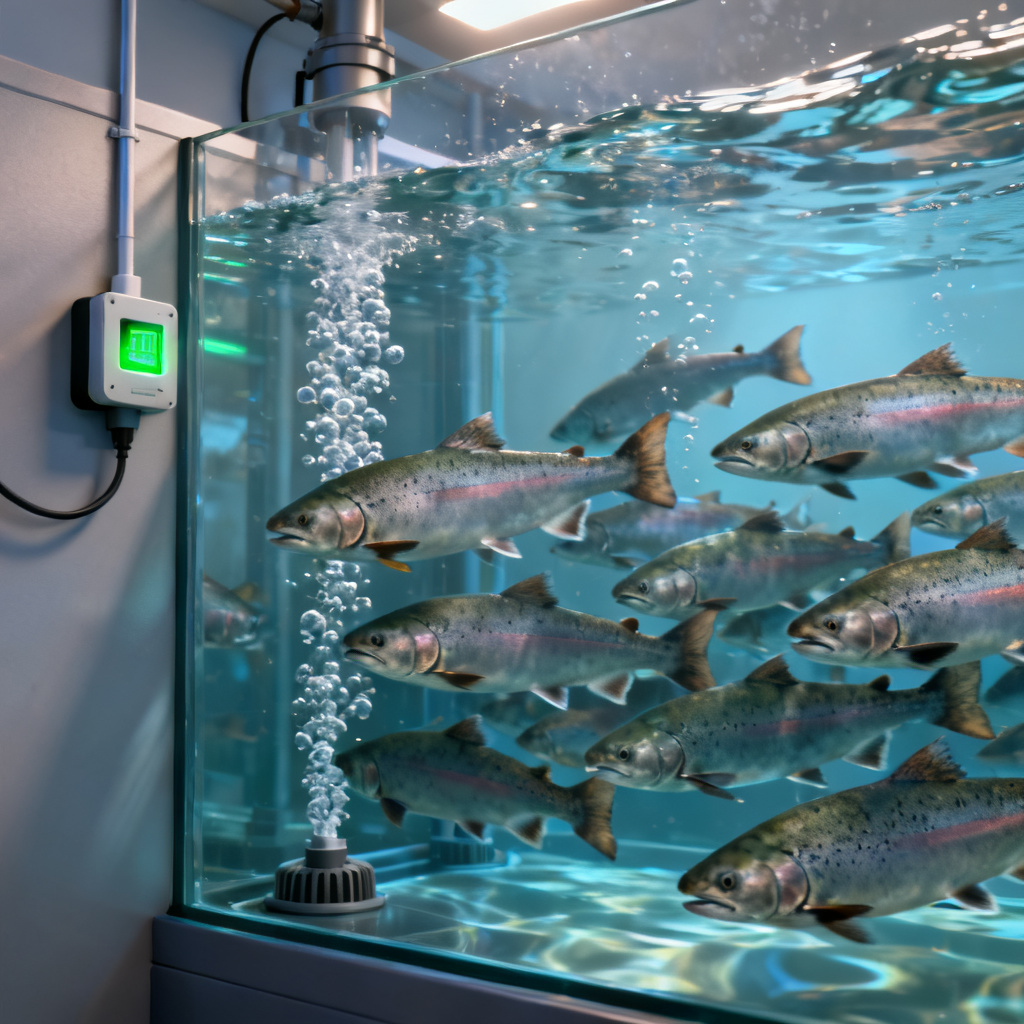
Optical dissolved oxygen sensors reduce mortality by 50–70% through real-time alerts and chronic stress reduction. Sudden DO crashes can wipe out entire populations.
YSI Salmon Farm Data
YSI’s salmon farm data shows a 60% reduction in mortality events when using optical DO monitoring compared to manual spot-checking.
Hach Tilapia RAS Study
Hach’s tilapia RAS study found mortality dropped from 8% to 3% (62.5% reduction) by preventing chronic low-DO stress that weakens immune systems.
Campbell Scientific Shrimp Pond Results
Campbell Scientific’s shrimp pond study reduced mortality from 15% to 5% using data-driven pattern analysis with optical sensors.
Hidden Maintenance and Labor Savings
Optical dissolved oxygen sensors require minimal maintenance—no membranes, no electrolyte, no frequent calibration. YSI reports 12–18 months between calibrations, saving 2–4 hours per week per 20 sensors.
Hach’s total cost of ownership analysis shows optical sensors are 30–40% cheaper over 5 years than electrochemical types. Campbell Scientific highlights 80% fewer site visits in remote installations.
Optical DO Sensor ROI Summary
| Optical DO Sensor Savings Category | Annual Savings (100-ton farm) |
|---|---|
| Feed (10% reduction) | $15,000 |
| Energy (30% reduction) | $12,000 |
| Mortality (5% reduction) | $25,000 |
| Maintenance and labor | $3,000 |
| Total annual savings | $55,000 |
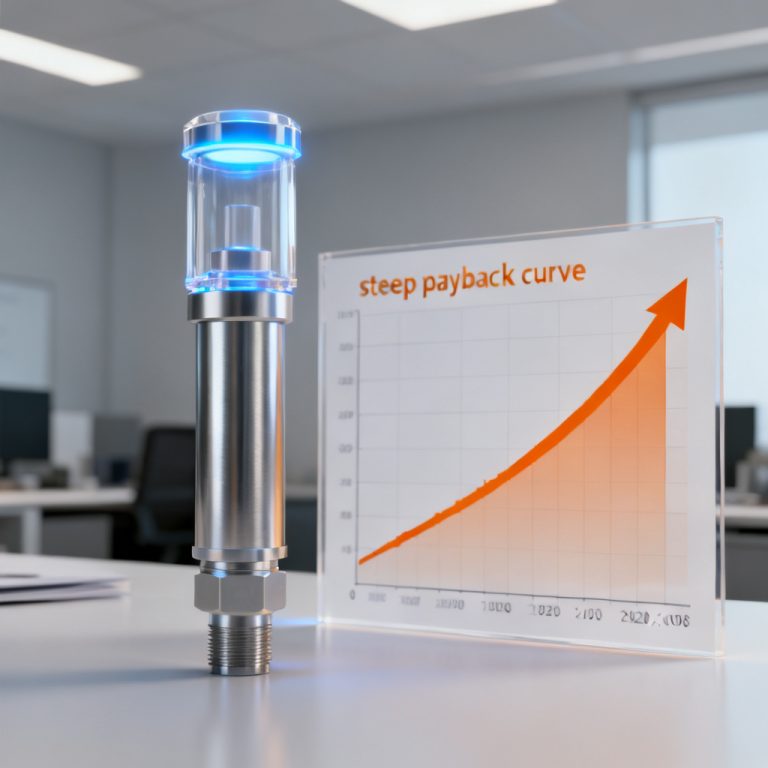
Initial investment for 10 optical sensors: $5,000–$10,000. Payback period: 2–3 months. Over 5 years, savings exceed $250,000.
Frequently Asked Questions About Optical DO Sensors
Do optical dissolved oxygen sensors really save money on feed?
Yes—optical DO sensors reduce feed waste by 5–15% through real-time, accurate DO monitoring that optimizes feeding schedules.
How much energy can an optical DO sensor save?
Optical sensors cut aeration energy by 20–50% by enabling automated control that eliminates over-aeration and safety buffers.
Can an optical DO sensor reduce fish mortality?
Yes—optical DO sensors reduce mortality by 50–70% through real-time alerts for DO crashes and chronic stress reduction.
What is the total cost of ownership for an optical DO sensor?
Optical sensors are 30–50% cheaper over 5 years than electrochemical sensors due to lower maintenance, calibration, and replacement costs.
How long does an optical DO sensor last?
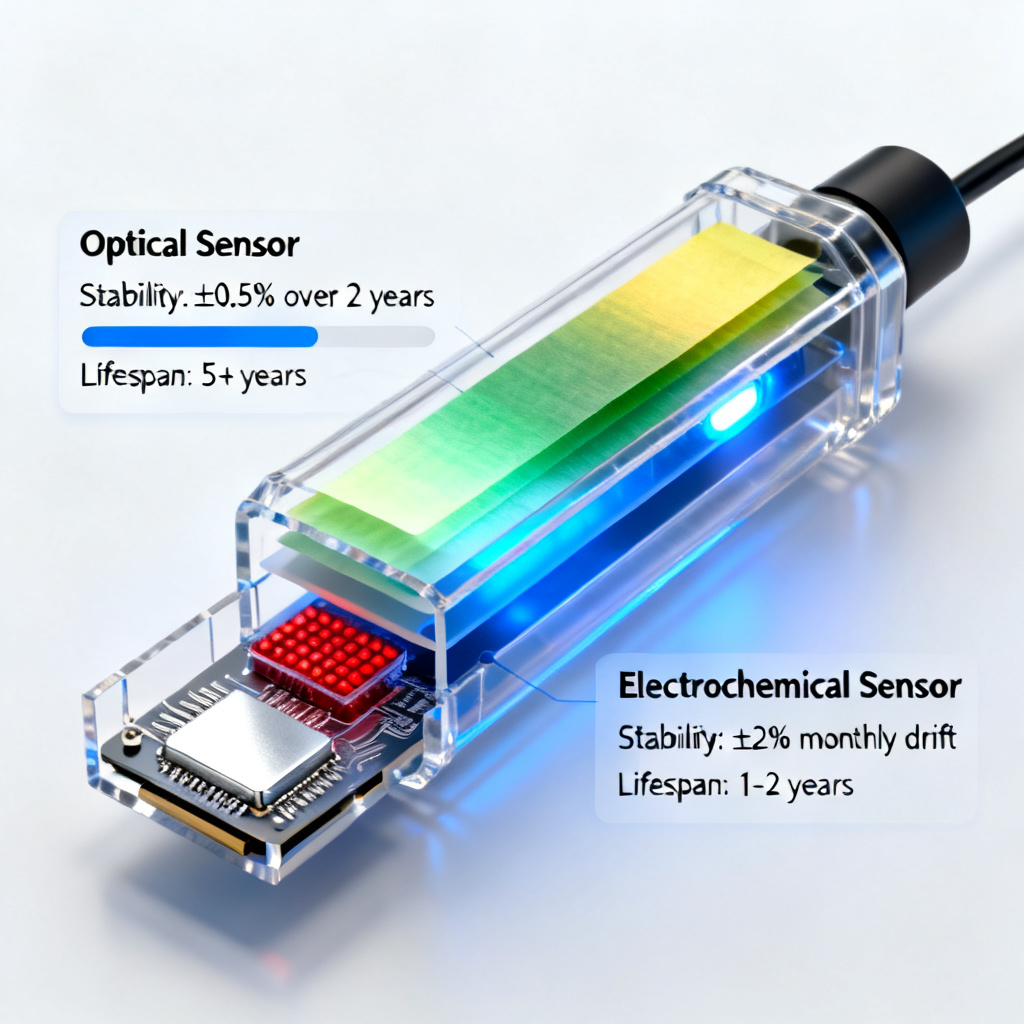
Optical sensors typically last 3–5 years, compared to 1–2 years for polarographic sensors, with calibration intervals of 12–18 months.
Optical vs Electrochemical DO Sensors: A Professional Comparison
Optical dissolved oxygen sensors offer superior stability, lower maintenance, and faster response than electrochemical types. Our optical sensors are built with the same technology trusted by YSI, Hach, and Campbell Scientific users, with customizable options for your specific needs.
Key terms: optical DO probe, LDO technology, luminescent dissolved oxygen, aquaculture DO monitor, automated aeration control.
Contact our team for a free ROI calculator and sensor consultation. We’ll help you quantify savings on feed, energy, and mortality for your operation.