
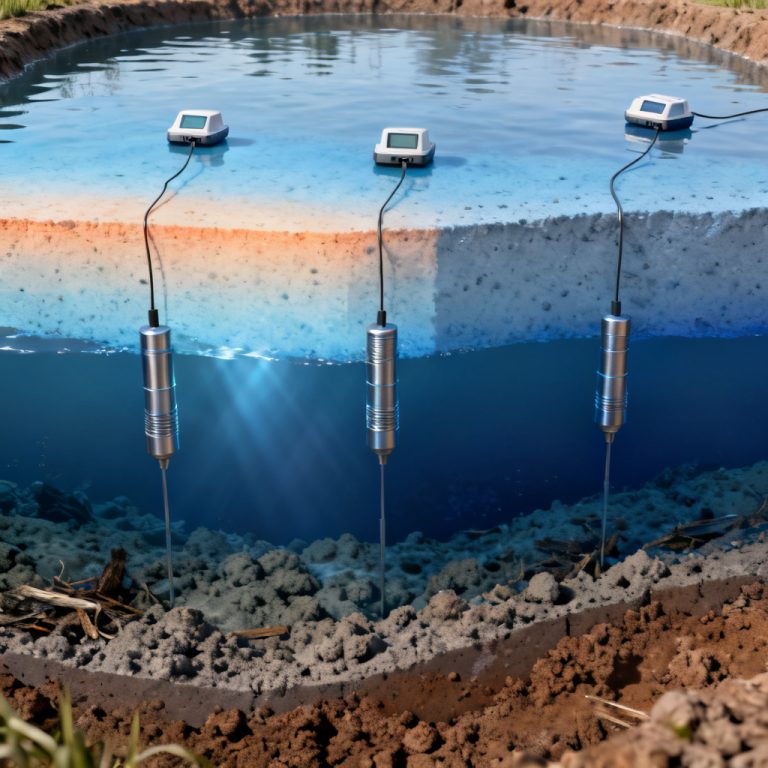
DO Sensor Placement in Earthen Ponds
|

DO Sensor Placement in Earthen Ponds Top Middle Bottom

In aquaculture, DO sensor placement in earthen ponds directly determines data reliability for aeration and feeding decisions. Even the most advanced dissolved oxygen sensor will generate misleading data if placed incorrectly in an earthen pond. Earthen ponds are not homogeneous mixing tanks; they are dynamic, stratified environments where temperature, biological activity, and water chemistry vary…
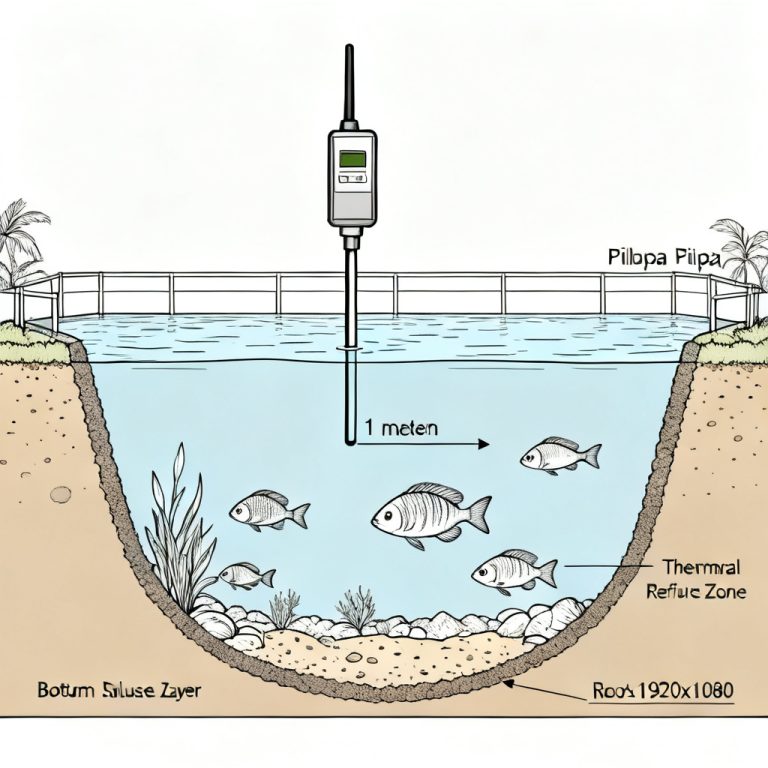
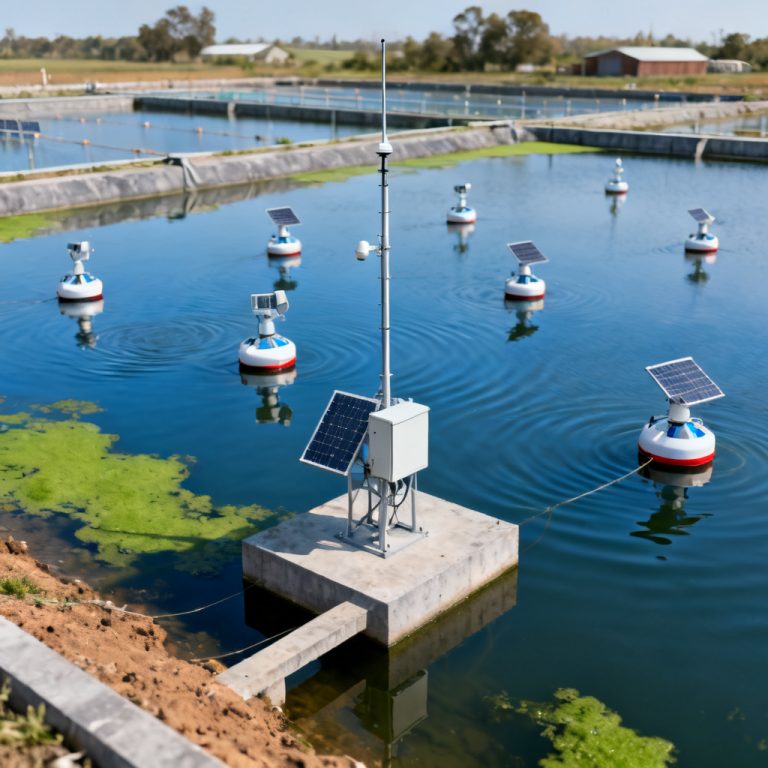
dissolved oxygen sensor for tilapia farming
|

Dissolved Oxygen Sensor for Tilapia Farming Best Practices

Mastering dissolved oxygen sensor for tilapia farming best practices is critical for profitability. This guide covers sensor selection, placement, calibration, and data-driven aeration to maximize yield and reduce mortality. 1. Understanding DO Needs of Tilapia with a Dissolved Oxygen Sensor A dissolved oxygen sensor for tilapia farming must account for life-stage-specific requirements. Fry and fingerlings…

Electrochemical Dissolved Oxygen Sensor maintenance and membrane replacement for traditional aquaculture shrimp ponds

Electrochemical Dissolved Oxygen Sensor for Traditional Aquaculture

Electrochemical Dissolved Oxygen Sensor – Reliable Technology for Traditional Aquaculture Electrochemical dissolved oxygen (DO) sensors—the Clark-cell galvanic and polarographic probes that have been the workhorses of water quality measurement since Dr. Leland Clark’s invention in 1956—remain widely deployed across global aquaculture. While optical fluorescence sensors have gained market share in intensive RAS and long-term monitoring…