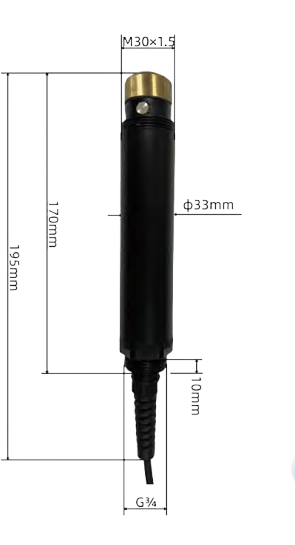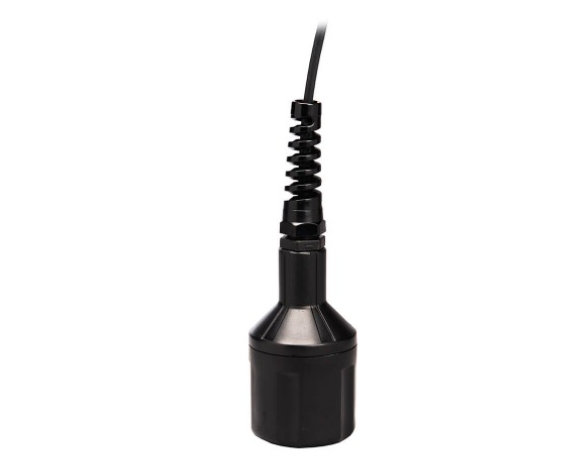
Electrochemical Dissolved Oxygen Sensor – Reliable Technology for Traditional Aquaculture
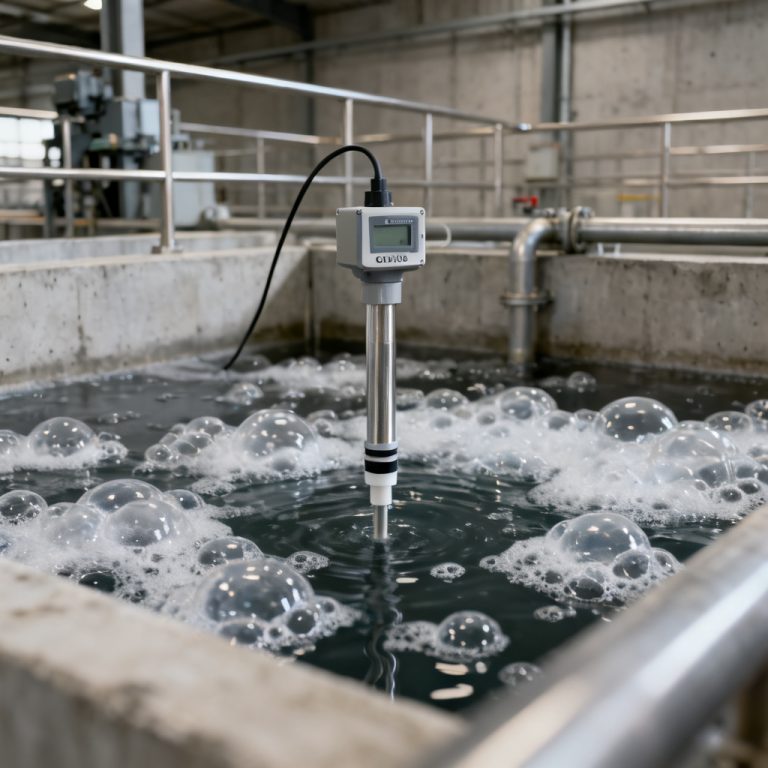
Electrochemical dissolved oxygen (DO) sensors—the Clark-cell galvanic and polarographic probes that have been the workhorses of water quality measurement since Dr. Leland Clark’s invention in 1956—remain widely deployed across global aquaculture. While optical fluorescence sensors have gained market share in intensive RAS and long-term monitoring applications, the electrochemical dissolved oxygen sensor continues to dominate in cost-sensitive, short-term, and handheld applications because of its proven reliability, fast response, and an upfront purchase price that is typically 50–70% lower than its optical equivalent.
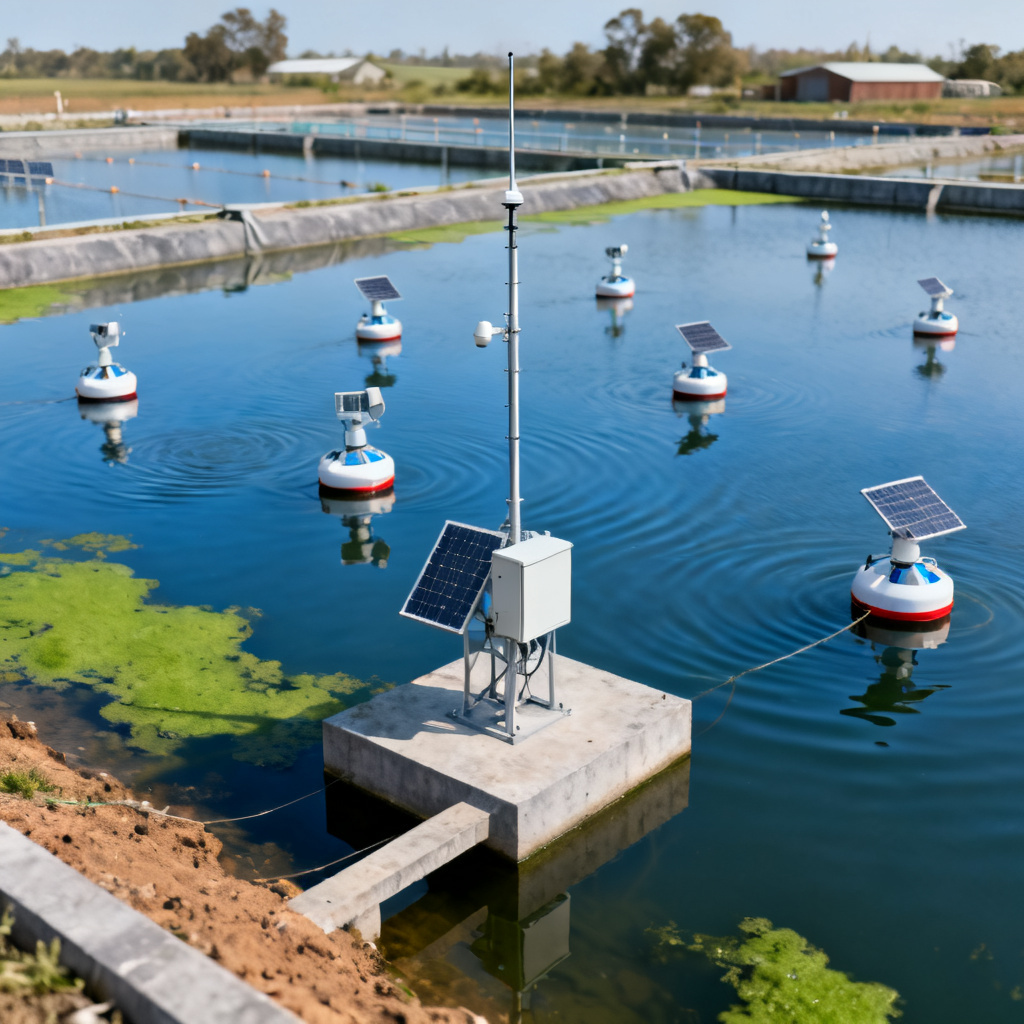
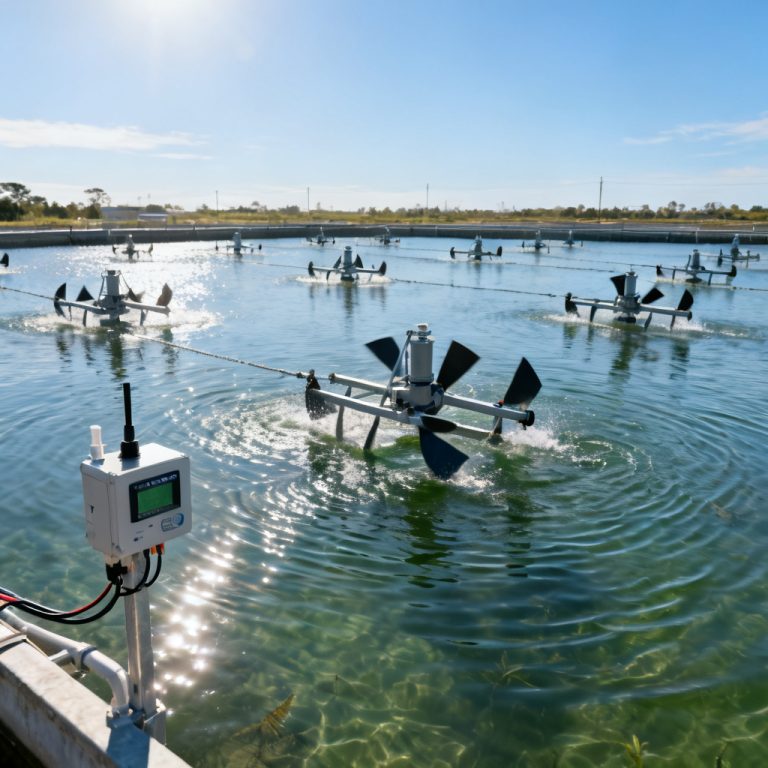
If you operate a traditional pond-based farm, run daily spot-checks with a handheld meter, or need a backup validation tool for an optical network, understanding the distinctions between galvanic and polarographic types—and their respective maintenance and calibration demands—is essential for making an informed procurement decision. For a comprehensive view of how this technology fits into the broader monitoring ecosystem, consult our complete dissolved oxygen monitoring in aquaculture guide.
Galvanic vs. Polarographic: Key Differences
Both galvanic and polarographic DO sensors belong to the electrochemical family and share an identical fundamental architecture: the Clark cell. In both designs, dissolved oxygen diffuses from the sample water across a gas-permeable PTFE or silicone membrane and into the sensor body. Once inside, the oxygen undergoes a chemical reduction reaction at a noble metal cathode (typically gold or platinum), producing an electrical current that is directly proportional to the partial pressure of oxygen in the sample.
Despite this shared foundation, the two technologies diverge on one defining characteristic: how the reduction reaction is initiated.
Galvanic (Self-Polarizing) DO Sensors
A galvanic DO sensor functions as a self-contained battery. The anode is constructed from a base metal such as zinc or lead; the cathode is silver. The difference in electrochemical potential between these two dissimilar metals is sufficient to spontaneously drive the reduction of oxygen—without any externally applied voltage. When the probe is placed in solution, oxygen diffuses through the membrane and is reduced at the silver cathode while the zinc or lead anode oxidizes. The resulting electron flow constitutes the measurement signal.
The practical consequence of this self-polarizing design is instant readiness. A galvanic sensor can be calibrated and deployed immediately after being connected to a meter. There is no warm-up period, no waiting for the electrode to polarize. For a farm technician moving from pond to pond with a handheld meter at 4:00 a.m., this matters.
However, the galvanic design has a significant trade-off: the anode is consumed continuously. The reduction reaction does not stop when the meter is switched off because the electrochemical cell remains active as long as oxygen is present. Over time—typically 6–12 months depending on usage intensity and dissolved oxygen levels in the deployment environment—the anode material is depleted, the electrolyte solution is consumed, and the sensor output degrades. At that point, the membrane must be replaced, the electrolyte refreshed, and the sensor recalibrated.
Galvanic sensors find their strongest application in portable handheld meters, spot-checking routines, and short-term continuous deployments where the sensor is retrieved, cleaned, and recalibrated regularly. For a deeper technical dive into membrane-type sensor construction and consumable selection, see our resource on dissolved oxygen sensors membrane type.
Polarographic (Externally Polarized) DO Sensors
A polarographic DO sensor contains the same core components as a galvanic sensor—membrane, cathode, anode, electrolyte—but differs in two critical ways. First, the anode is typically silver/silver chloride (Ag/AgCl) rather than zinc or lead. Second, and more fundamentally, the electrode pair does not generate enough natural potential to reduce oxygen spontaneously. An external polarization voltage—typically 0.6 to 0.8 V—must be applied from the meter or transmitter.
The chemical reactions at the electrodes are well characterized. At the cathode (gold or platinum), oxygen is reduced: O2 + 2 H2O + 4 e– → 4 OH–. At the silver/silver chloride anode, silver is oxidized to release the required electrons: 4 Ag → 4 Ag+ + 4 e–. This electron flow from the anode to the cathode constitutes the measuring signal, which is proportional to the oxygen partial pressure in the measured solution.
The key operational implication is the 5–15 minute polarization period required before the sensor produces stable readings. When a polarographic sensor is first connected to a powered meter or after any disconnection, the user must wait while the electrode electrochemically stabilizes. During this interval, the displayed DO value will drift and is not considered reliable.
The trade-off is that a polarographic sensor, once properly polarized, generally exhibits greater measurement stability than a galvanic sensor over extended continuous runs. Because the anode material is not continuously consumed when properly maintained, polarographic sensors often achieve lower drift in long-duration laboratory or industrial applications where warm-up time is not a constraint. Their thinner membranes and precise polarization control also make them the preferred technology for trace-level oxygen measurement and BOD (Biochemical Oxygen Demand) determinations in laboratory settings, where sensitivity in the sub-1 mg/L range is required.
Performance Differences at a Glance
| Characteristic | Galvanic DO Sensor | Polarographic DO Sensor |
|---|---|---|
| Power requirement | Self-powered; no external voltage needed | Requires 0.6–0.8 V polarization voltage |
| Warm-up time | None; immediate use | 5–15 minutes to polarize and stabilize |
| Anode material | Zinc or lead (consumed over time) | Silver/silver chloride (more stable) |
| Electrolyte | Typically KOH or NaOH | Typically KCl solution |
| Response time | 30–60 seconds | 60–120 seconds (after warm-up) |
| Anode consumption | Continuous, even when meter is off | Primarily during active measurement |
| Best for | Portable meters, spot-checks, short-term deployment | Long-duration monitoring, lab BOD, trace oxygen |
| Measurement range | 0–20 mg/L typical | 0–20 mg/L typical; some models to 90 mg/L |
| Flow requirement | Minimum 0.2–0.3 m/s across membrane | Minimum 0.2–0.3 m/s across membrane |
Calibration and Maintenance Requirements
The operational economics of any electrochemical dissolved oxygen sensor are dominated not by its purchase price but by its calibration and maintenance burden. Understanding these requirements before procurement prevents budget surprises.
Calibration Frequency and Protocol
Both galvanic and polarographic sensors require more frequent calibration than optical alternatives. While optical sensors can maintain calibration stability for 2–4 weeks under normal aquaculture conditions, electrochemical sensors deployed continuously in warm, nutrient-rich pond water may require calibration every 5–7 days to maintain confidence in readings. In practice, field operators report that calibration frequency is application-dependent and best determined through operating experience—monitoring drift patterns and scheduling calibration before the drift exceeds acceptable limits.
The standard field calibration method for both types is a single-point water-saturated air calibration. The sensor is removed from the pond, the membrane is thoroughly cleaned and blotted dry, and the probe is placed in a calibration chamber containing a few drops of clean water to create a 100% humidity air environment. After temperature equilibration, the instrument is adjusted to 100% saturation. For applications requiring high accuracy below 1 mg/L—such as BOD measurement in laboratory settings—a two-point calibration incorporating a zero-oxygen standard (typically a fresh sodium sulfite solution) is recommended.
For detailed calibration protocols applicable to all DO sensor types, see our resource on DO sensor calibration.
Membrane and Electrolyte Replacement
This is the most significant recurring cost for electrochemical sensor ownership. The gas-permeable membrane—typically PTFE, silicone, or HDPE—must be inspected for integrity before each calibration and replaced on a scheduled interval even if no visible damage is present.
Manufacturer recommendations and field experience converge on the following benchmarks: the electrolyte solution and Teflon membrane should be replaced every 6–12 months under normal deployment conditions. In continuous monitoring scenarios where the sensor remains submerged 24 hours a day, operators report that the electrolyte solution and membrane cap should be changed at least once every 60 days during regular use. The membrane is easily punctured, and even a microscopic tear allows pond water to contaminate the electrolyte, destroying calibration and corroding the electrodes.
Common Issues and Troubleshooting
- Membrane fouling: Algae, bacterial biofilm, and suspended solids accumulate on the membrane surface, blocking oxygen diffusion and producing falsely low readings. Clean the membrane before each calibration with a soft, wet cloth and mild soap solution, then rinse thoroughly with distilled water.
- Electrolyte depletion: Over time, the electrolyte solution is consumed as part of the electrochemical reaction. Galvanic sensors deplete electrolyte continuously; polarographic sensors deplete it primarily during active measurement. Signs include sluggish response, inability to reach 100% in air calibration, and erratic readings.
- Sulfide poisoning: Hydrogen sulfide (H2S), common in pond sediment and anaerobic zones, damages silver anodes and cathodes. Sensors deployed near pond bottoms where H2S accumulates may fail prematurely. If H2S exposure is suspected, inspect the anode for black discoloration and replace if necessary.
- Drying out of membrane: When a sensor is removed from water, the membrane begins drying immediately. After more than 24 hours of dry storage, the electrolyte behind the membrane may become depleted due to evaporation. To prevent this, temporarily store the sensor in a container of clean water when not in use.
- Flow dependency: Electrochemical sensors consume oxygen at the cathode during measurement. If the water sample is stagnant, localized oxygen depletion around the sensor tip produces artificially low readings. A minimum flow velocity of 0.2–0.3 m/s across the membrane is required for accurate measurement—a consideration when deploying in low-circulation pond zones or small sample volumes.
When to Choose Electrochemical Sensors
Despite the operational advantages of optical fluorescence sensors for long-term continuous monitoring, the electrochemical dissolved oxygen sensor remains the correct choice for several specific—and commercially significant—application scenarios in aquaculture.
Handheld spot-checking and portable monitoring represent the strongest use case. A farm technician making twice-daily rounds of 10 ponds needs a sensor that is instantly ready (galvanic), inexpensive enough that losing one to a pond edge accident does not disrupt the monitoring program, and simple enough to calibrate in the field with no chemicals. Electrochemical handheld meters—particularly those using galvanic probes that require no warm-up time—are purpose-built for this workflow. For farms that have always relied on manual testing procedures, an electrochemical meter feels familiar and requires no retraining.
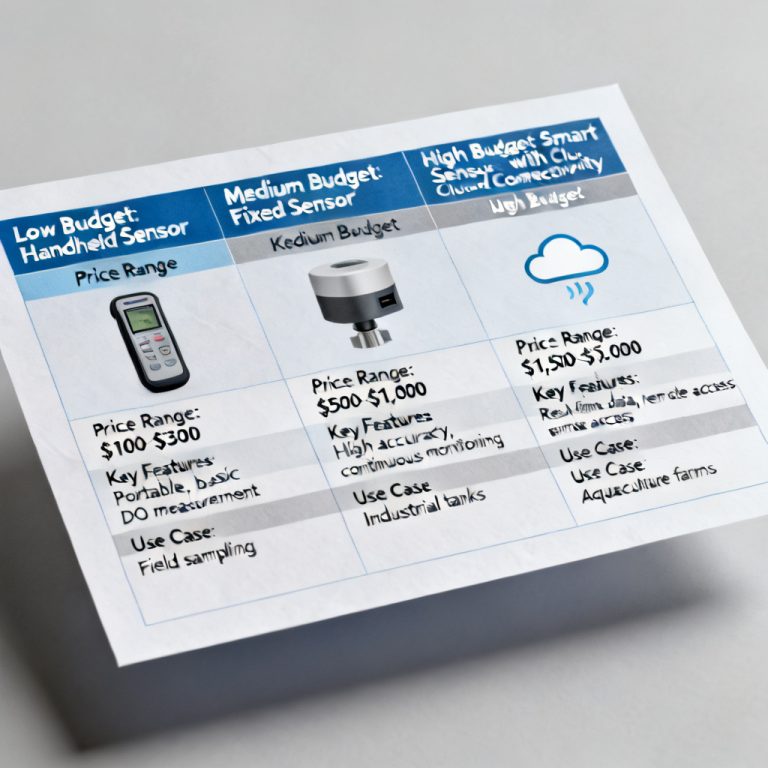
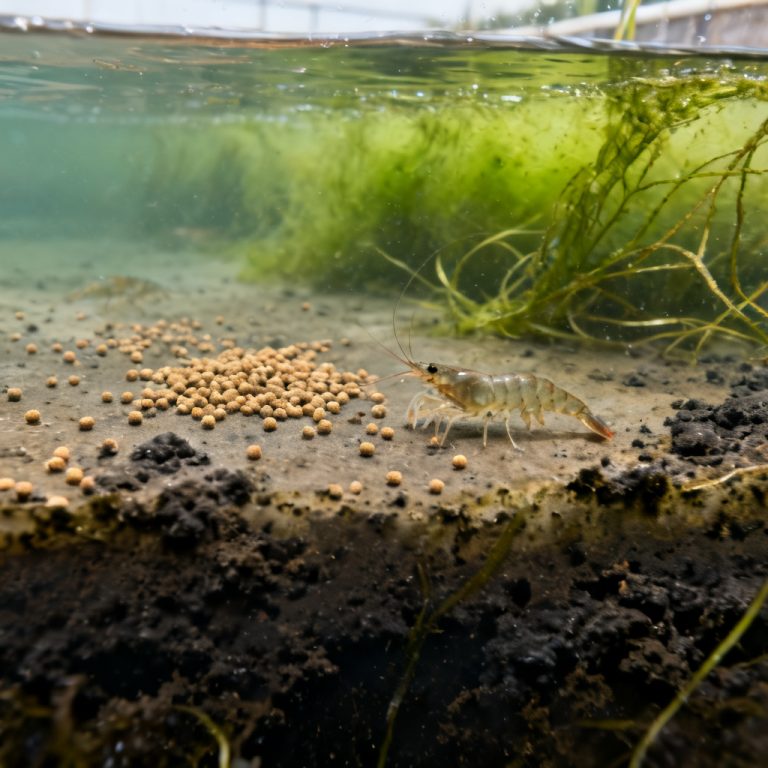
Cost-sensitive operations with limited capital budgets benefit from the 50–70% lower initial hardware cost. A small-scale tilapia farm with five ponds and a limited monitoring budget can deploy electrochemical sensors at each pond for less than the cost of a single optical monitoring station. Provided the labor for weekly calibration and monthly membrane changes is available and affordable within the local labor market, the total cost of ownership over a single grow-out cycle may remain competitive with optical alternatives.
Short-term, project-based, and seasonal deployments avoid the long-term maintenance accumulation that makes electrochemical sensors more expensive over extended periods. If sensors are deployed for a single 4–6 month grow-out season and then cleaned, serviced, and stored, the consumable costs remain manageable.
Backup and cross-validation within an optical monitoring network is another valid application. Even farms that have invested in optical sensors for their main continuous monitoring stations can benefit from a handheld galvanic meter used periodically to validate readings against the installed optical system. Two independent technologies measuring the same water body provide a powerful reality check—divergence between the optical and electrochemical readings is an immediate signal to inspect both sensors for fouling, calibration drift, or damage.
Laboratory BOD and research applications remain the domain of polarographic sensors. Their ability to measure trace oxygen concentrations in small sample volumes—as required for Biochemical Oxygen Demand tests in wastewater and aquaculture discharge monitoring—is enabled by the precise polarization control that galvanic sensors, with their continuously varying anode potential, cannot achieve. For a complete comparison of electrochemical and optical technologies, see our analysis of Optical vs. Electrochemical DO Sensors for Aquaculture.
Procurement guidance for buyers evaluating electrochemical sensors should cover several key points: verify the sensor body material for corrosion resistance (316L stainless steel or engineering polymer), confirm replacement membranes and electrolyte solutions are readily available from the supplier, establish a maintenance log for calibration and membrane changes, budget for consumables accordingly, and consider the skill level of operators—electrochemical sensor maintenance requires more hands-on attention than optical alternatives. For more structured purchasing guidance, see our procurement guide for dissolved oxygen sensors.