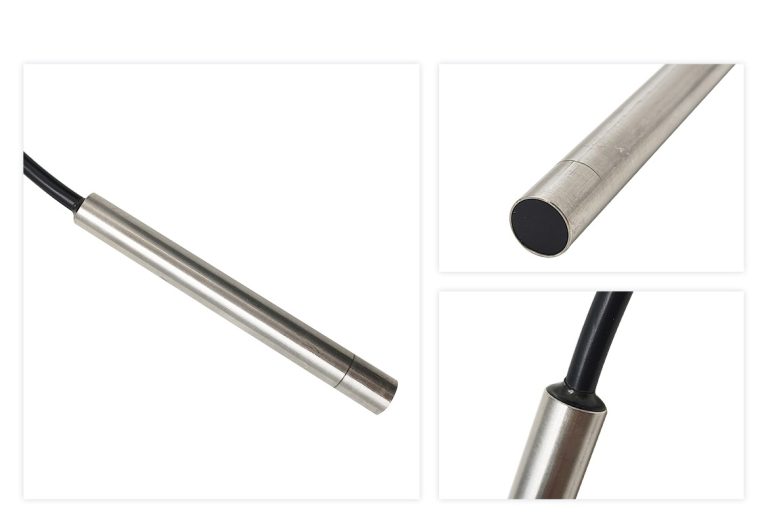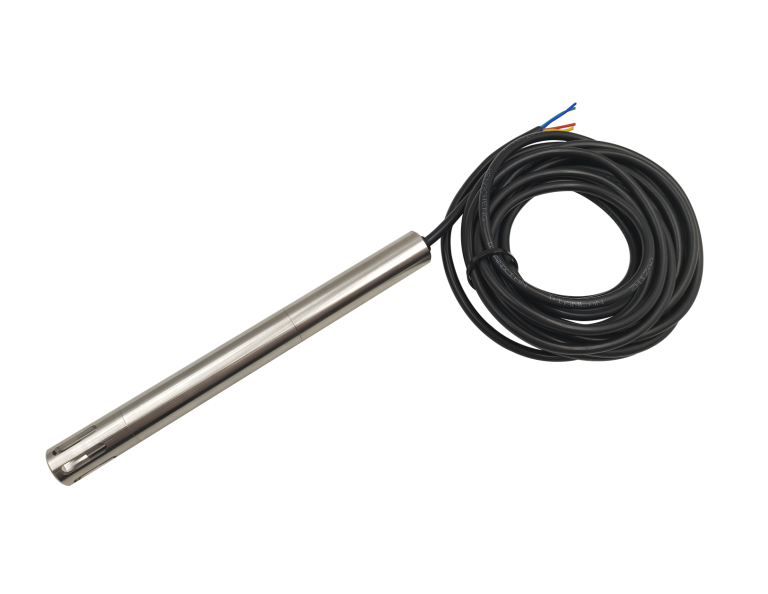
What is Dissolved Oxygen Sensor(DO)
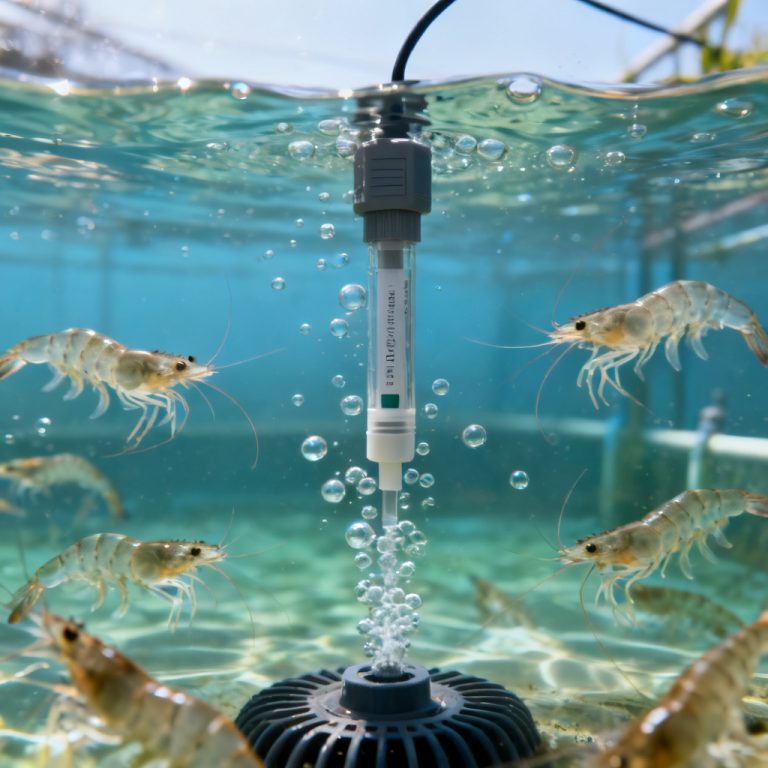
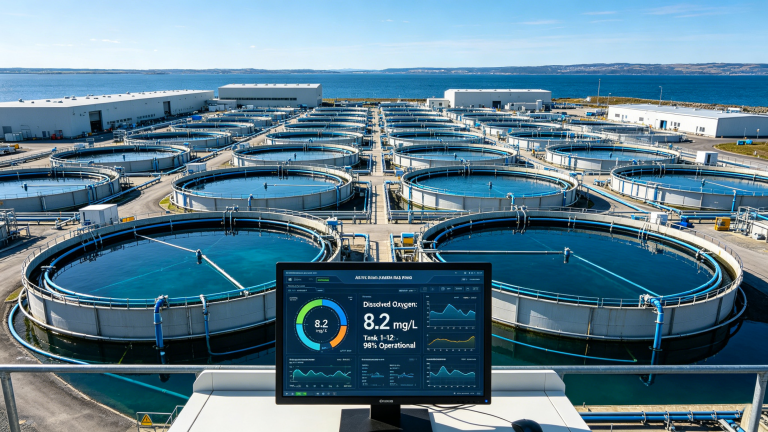
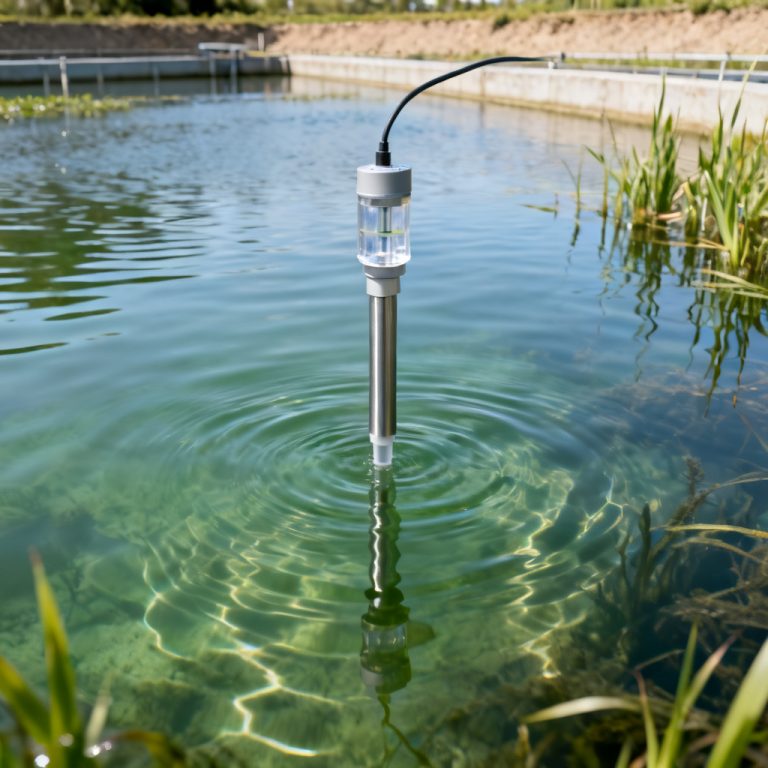
If you want to know What is Dissolved Oxygen Sensor and how it functions, this guide is for you. The dissolved oxygen sensor from sensormass delivers highly accurate, real-time measurements of free oxygen molecules in water for critical environmental monitoring.
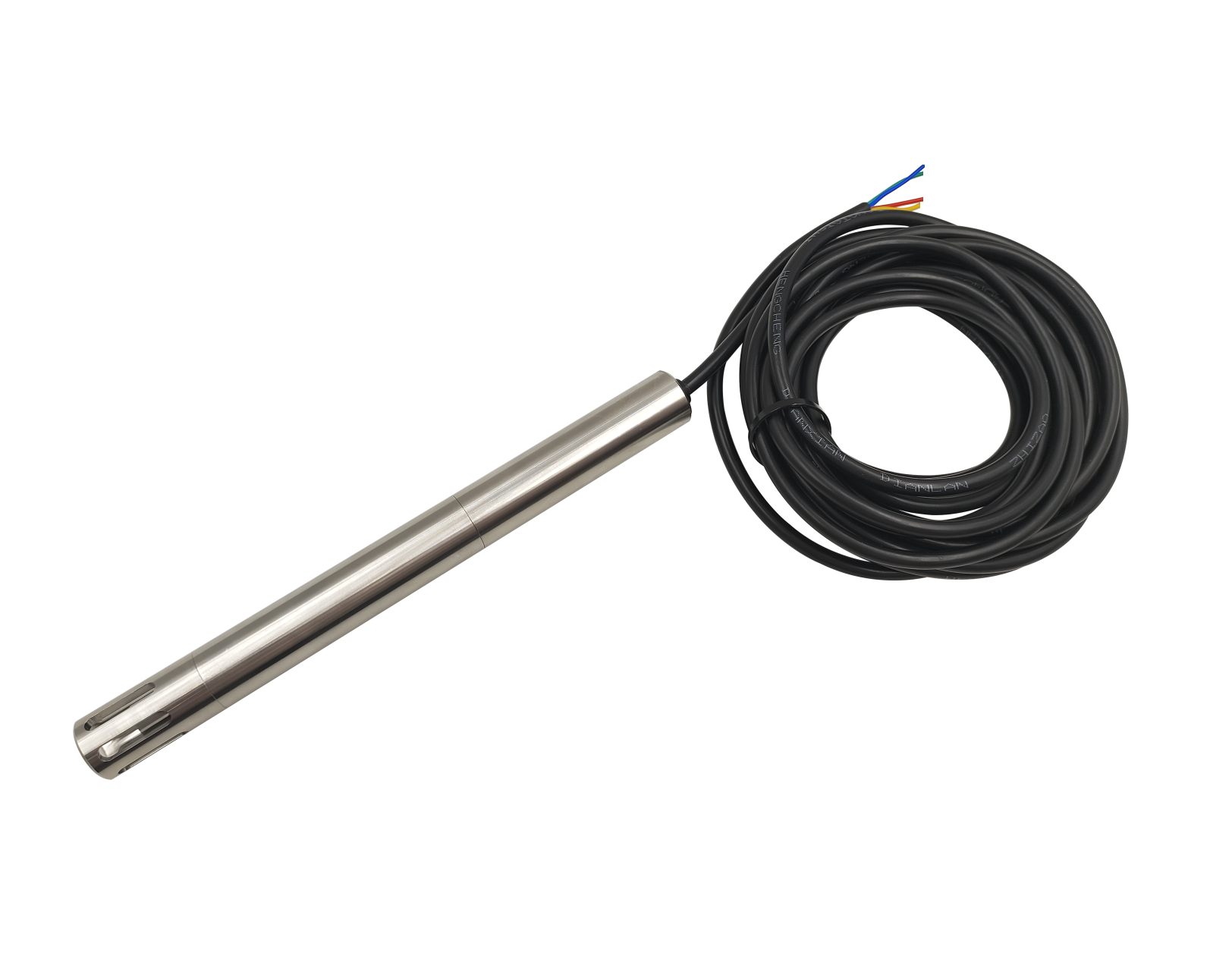
Key Features of the Dissolved Oxygen Sensor
Every dissolved oxygen sensor engineered by sensormass is built to withstand harsh field environments while maintaining laboratory-grade precision. The advanced water testing sensor design significantly reduces maintenance overhead and extends deployment lifetimes.
- Replaceable Sensor Caps: Features durable aluminum caps integrated with a premium Luminophore membrane, extending cap life to over 3 years.
- Broad Measurement Range: Accurately tracks DO concentration levels from 0–500% saturation or 0–50 mg/L.
- Streamlined Maintenance: Holds calibration for up to 6 months with zero water flow required to achieve a stable reading.
- Integrated Automation: Built-in internal compensation for temperature, salinity, and barometric air pressure.
The Technology Behind the Dissolved Oxygen Sensor
Understanding the science behind the dissolved oxygen sensor helps operators optimize their water quality data collection and deployment schedules. Our engineering relies on state-of-the-art optical physics rather than traditional chemical consumption to deliver stable, long-term readings.
Dynamic Luminescence Quenching Principles
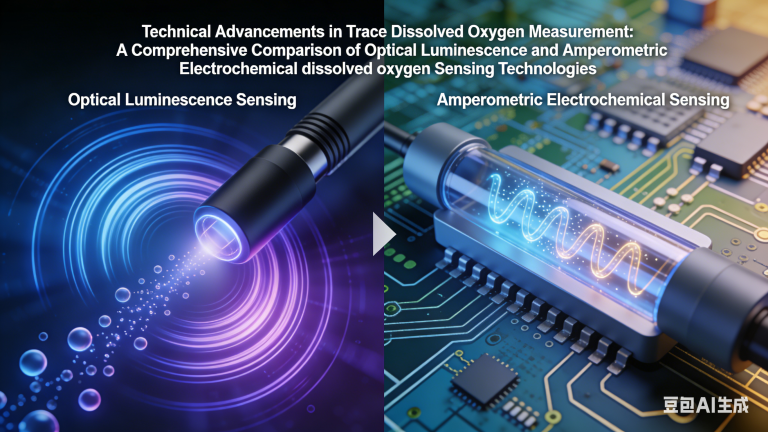
The optical DO probe operates using the scientific method of Dynamic Luminescence Quenching. Inside the sensor, a gas-permeable luminophore material is excited using short, controlled bursts of blue light. This excitation prompts the molecules within the luminophore layer to emit red photons.
By precisely calculating the phase shift or delay of the returned red photons relative to the initial blue light excitation, the exact dissolved oxygen concentration is determined.
Automatic Salinity and Environmental Compensation
The dissolved oxygen sensor instrumentation automatically self-corrects based on real-time environmental variables. Salinity impacts how much oxygen water can hold at saturation; therefore, our probe features a built-in conductivity sensor that calculates salinity on the fly to auto-compensate your readings instantly.
Simple 2-Point Calibration System
Calibrating your dissolved oxygen meter takes only moments and requires minimal specialized equipment. The first calibration point is established at 100% saturation directly in ambient air, while the second point is calibrated in a standard zero-oxygen solution. The sensormass Aquameter interface automatically validates solution stability before saving the calibration parameters.
Dissolved Oxygen Sensor Technical Specifications
Reviewing the technical layout of the dissolved oxygen sensor highlights the performance differences between modern optical technology and legacy systems. Below is the structural data breakdown and an objective technology comparison.
| Dissolved Oxygen Sensor Metric | Optical Probe Specification | Galvanic Probe Specification |
|---|---|---|
| Measurement Range (% Saturation) | 0–500% | 0–500% |
| Measurement Range (Concentration) | 0–50 mg/L | 0–50 mg/L |
| Calibration Frequency | Holds up to 6 months | Requires monthly calibration |
| Flow Dependency | No water flow required | Requires continuous water flow |
| Maintenance Cycle | Cap replacement > 3 years | Cap & electrolyte replacement monthly |
Choosing Optical vs. Galvanic Technology
Selecting the right dissolved oxygen sensor type depends heavily on your budget and application environment. While the optical sensor represents a premium, low-maintenance asset for long-term deployments, sensormass also provides cost-effective galvanic DO sensors on entry-level probes like the AP-700 and AP-800.
The galvanic dissolved oxygen sensor utilizes an internal electrolyte solution protected by a membrane; as oxygen crosses the membrane, it is consumed via a chemical reaction that generates a measurable electrical current. Both options yield identical, excellent resolution and accuracy, but the galvanic version requires a steady water flow and monthly membrane maintenance, making it less ideal for completely still waters.
Technical Glossary for Water Quality Analysis
Operating a dissolved oxygen sensor effectively requires a clear understanding of core electrochemical and optical wastewater terms.
- Luminophore: A specialized atom or functional chemical group within a chemical compound that exhibits luminescence when excited by light energy.
- Dynamic Luminescence Quenching: An optical measurement process where the fluorescence intensity or lifetime of a material decreases due to chemical interaction with physical oxygen molecules.
- Galvanic Method: An electrochemical technique where an internal chemical reaction consumes oxygen to create a current proportional to the gas concentration.
- Salinity Compensation: An algorithmic adjustment applied to calculations because dissolved salts reduce the solubility of oxygen in aquatic mediums.
Dissolved Oxygen Sensor Frequently Asked Questions
How often do you calibrate a dissolved oxygen sensor?
An optical dissolved oxygen sensor from sensormass holds its calibration parameters for up to 6 months under standard monitoring conditions. Conversely, alternative galvanic DO sensors require a fresh calibration and electrolyte top-off every month.
Does an optical dissolved oxygen sensor require moving water?
No, the optical dissolved oxygen sensor does not consume oxygen during measurement, meaning no flow of water is required to achieve completely stable and accurate readings. This makes it ideal for stagnant pools, wells, and still waters.
How do you clean and maintain the optical DO probe cap?
Maintaining the dissolved oxygen sensor cap simply involves rinsing it with clean water after field deployments to remove biofouling. The durable aluminum cap housing the specialized luminophore membrane only needs a physical replacement once every 3+ years.