Optical vs Electrochemical DO Sensors for Aquaculture ROI
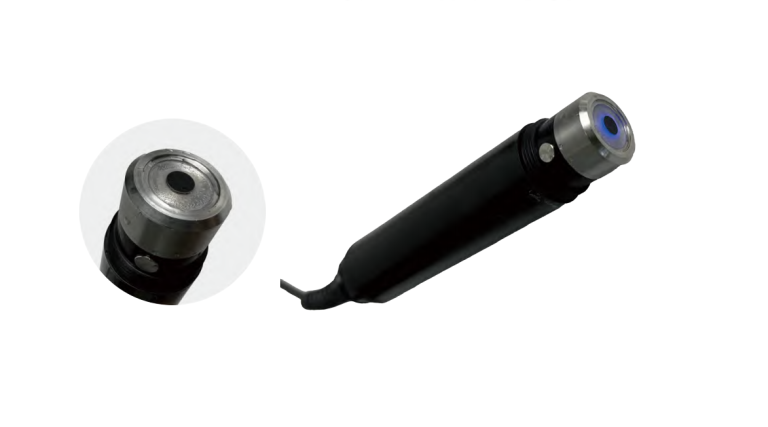
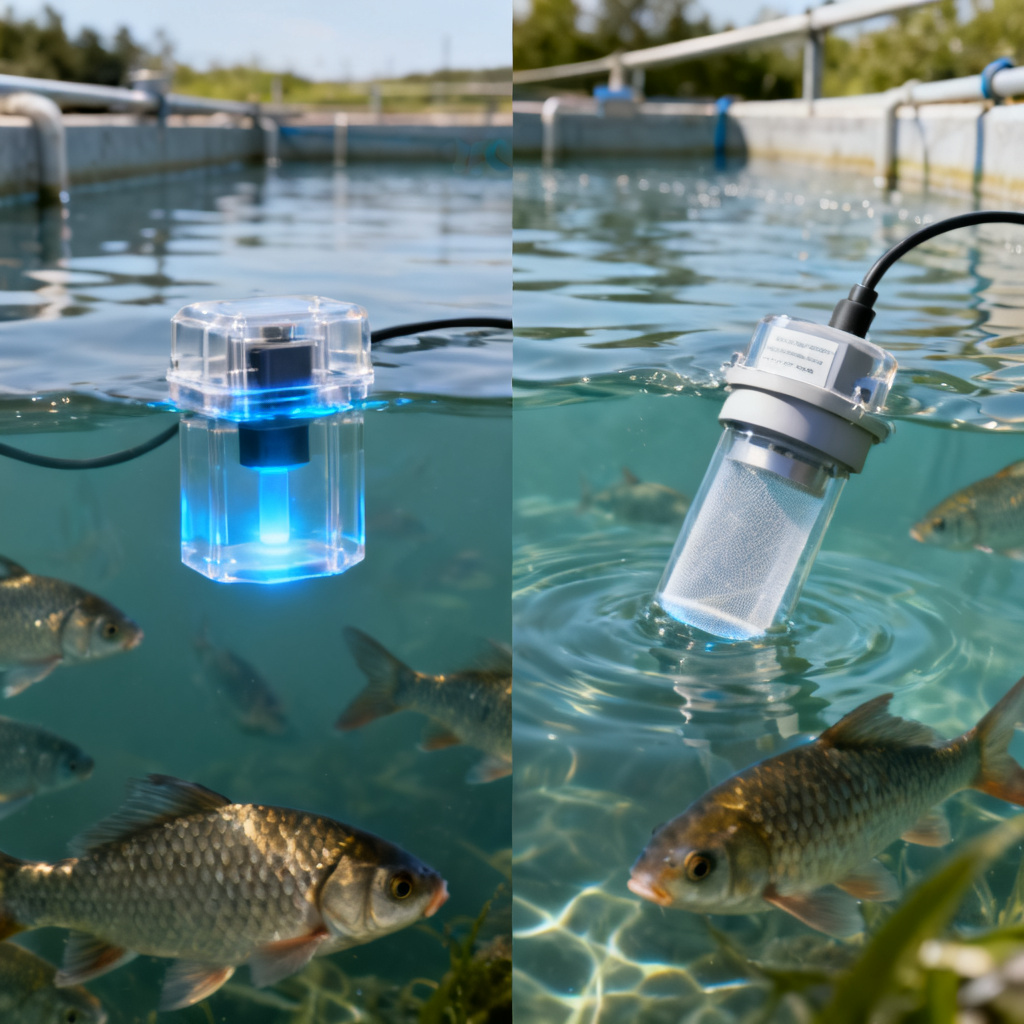
Choosing between optical vs electrochemical DO sensors for aquaculture ROI is a critical decision that directly impacts your bottom line. This comprehensive guide compares accuracy, maintenance, lifespan, and total cost of ownership to reveal which technology delivers superior ROI for shrimp, fish, and recirculating systems.
How Optical and Electrochemical DO Sensors Work
Electrochemical DO Sensors: Galvanic and Polarographic Principles
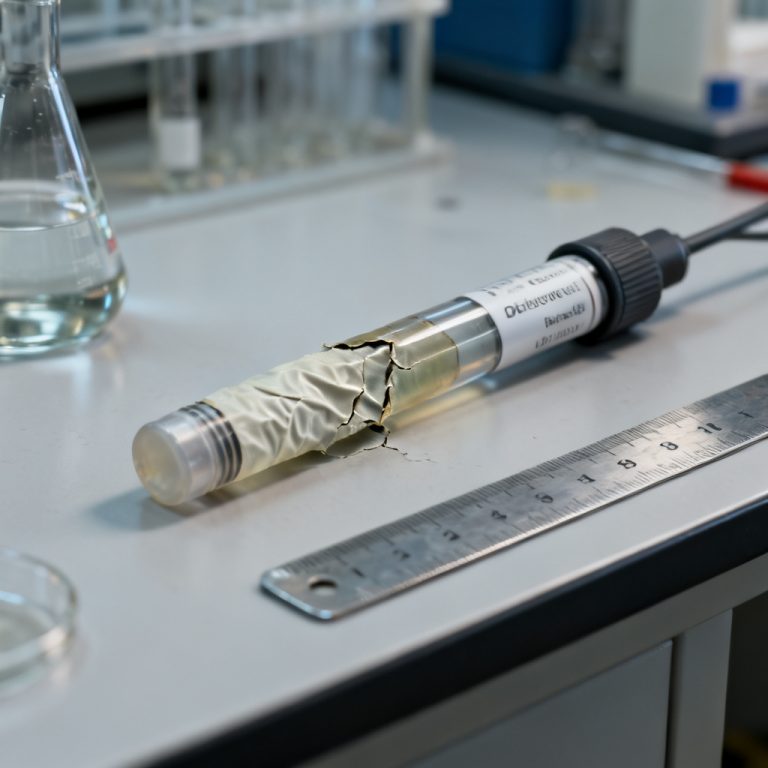
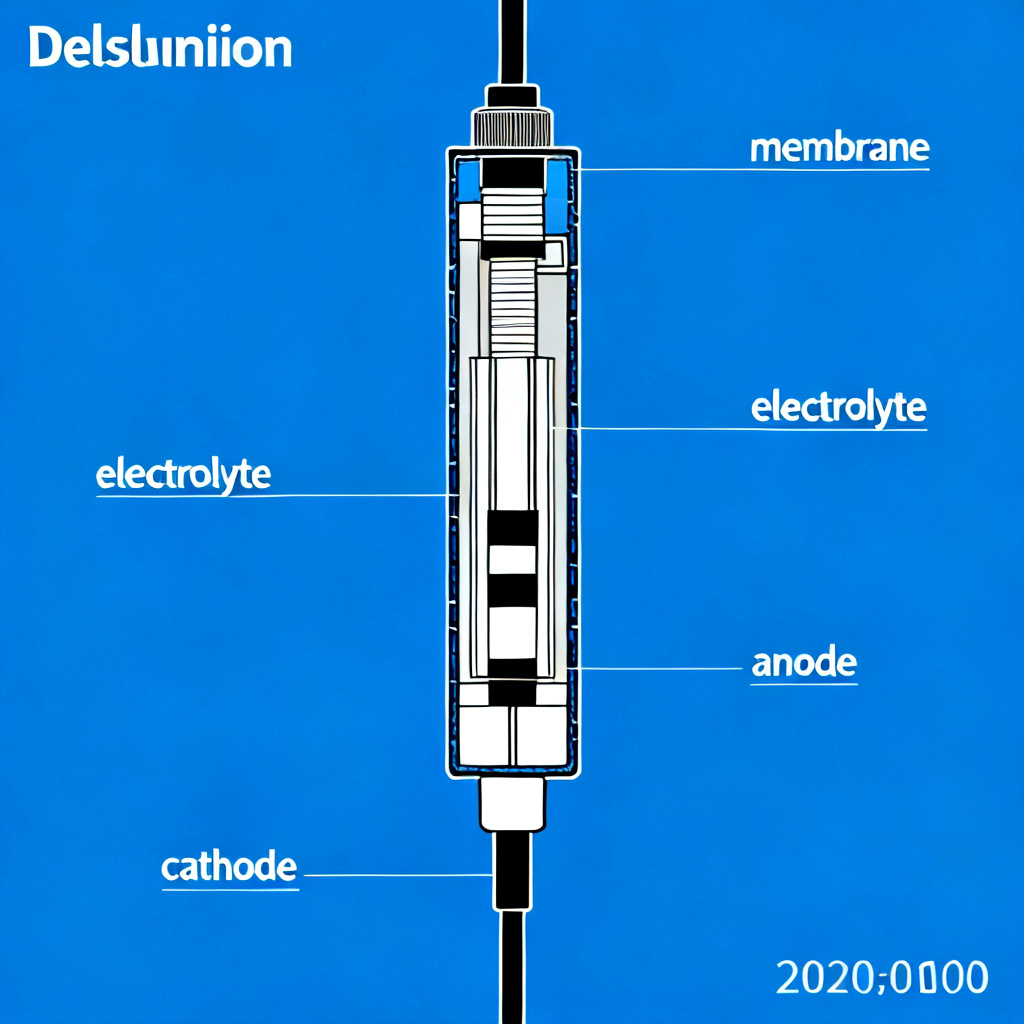
Electrochemical DO sensors for aquaculture measure oxygen via a chemical reaction. A cathode and anode are immersed in an electrolyte solution, separated from water by an oxygen-permeable membrane. Oxygen diffuses through the membrane and is reduced at the cathode, generating a current proportional to oxygen partial pressure. Key components include a Teflon membrane, potassium chloride or sodium hydroxide electrolyte, and lead/silver anode with gold/platinum cathode.
Galvanic variants are self-polarizing, while polarographic types require external voltage. Common weaknesses include electrolyte depletion, membrane fouling, drift from electrode aging, oxygen consumption during measurement, and hydrogen sulfide (H₂S) interference in anaerobic zones.
Optical DO Sensors: Luminescent Fluorescence Quenching Technology
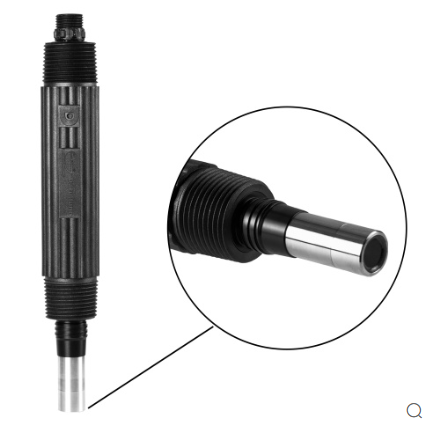
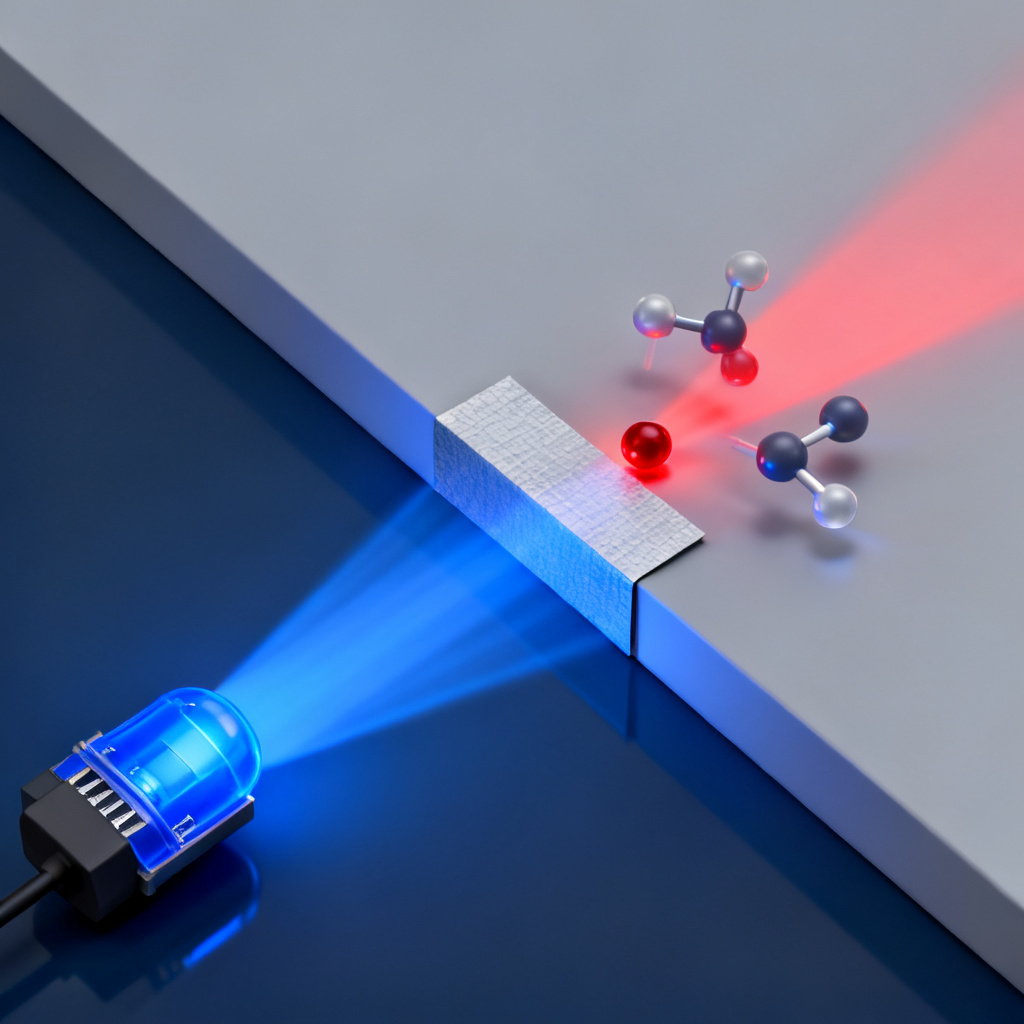
Optical DO sensors for aquaculture use a luminescent dye (e.g., ruthenium complex) embedded in a sensing foil. A blue LED excites the dye, which emits red light; oxygen quenches the luminescence intensity and lifetime. The sensor measures decay time or phase shift, inversely proportional to oxygen concentration. Key components include a replaceable sensing foil cap, blue and red LEDs, photodetector, and temperature compensation thermistor. Advantages include no oxygen consumption, no electrolyte depletion, no membrane clogging (though foil can foul from biofilm), minimal drift, immunity to H₂S and chemical interferences, and fast response time (<30 seconds to 90% of final value).
Critical Factors Affecting ROI for DO Sensors in Aquaculture
Accuracy and Reliability Under Real Conditions
Electrochemical DO sensors for aquaculture typically offer accuracy of ±0.2 mg/L after calibration, degrading to ±0.5 mg/L after weeks of use. Drift of 0.1–0.3 mg/L per week requires weekly recalibration. At DO <1 mg/L, polarographic sensors become nonlinear and can read falsely high due to oxygen depletion at the cathode. They require manual salinity compensation and have less stable temperature compensation. Optical sensors maintain accuracy of ±0.1 mg/L factory calibrated to ±0.2 mg/L after months, with minimal drift (<0.1 mg/L per month). Factory calibration lasts 1–2 years. They excel at low oxygen with excellent linearity down to 0 mg/L, and offer automatic salinity and temperature compensation across 0–50°C. In intensive aquaculture, even a 0.2 mg/L error can lead to suboptimal aeration control, wasted energy, or mortality events. Optical sensors reduce the risk of misreading low-oxygen events, directly protecting stock value.
Maintenance Frequency and Labor Cost
Electrochemical DO sensors for aquaculture require weekly membrane cleaning, electrolyte replacement every 2–4 weeks, and anode replacement every 6–12 months. Labor is 15–30 minutes per sensor per week; for 20 sensors, that is 5–10 hours of skilled labor weekly. Annual consumable cost per sensor is $50–$150 for membranes, electrolyte, and anodes. Optical sensors require sensor cap replacement every 12–24 months and cap surface cleaning every 2–4 weeks with a soft cloth. Labor is 5–10 minutes per sensor per month; for 20 sensors, less than 2 hours per month. Annual consumable cost is $30–$80 per sensor for the cap replacement every 1–2 years. Over a 5-year period, labor and consumable savings from optical sensors can offset the higher initial purchase price (typically 1.5–2x higher). For large farms, this ROI breakeven point often occurs within 12–18 months.
Sensor Lifespan and Replacement Cycle
Electrochemical DO sensors for aquaculture have a sensor body lifespan of 2–3 years due to electrode degradation and leakage, with continuous membrane and electrolyte replacement needed. Total cost of ownership over 5 years is $800–$1,500 including initial purchase, consumables, and labor. Optical sensors have a sensor body lifespan of 5–10 years (LED and electronics are durable), with sensing cap replacement every 1–2 years. Total cost of ownership over 5 years is $600–$1,200. Optical sensors often have lower TCO over 5 years, especially when labor is valued at $20–$50 per hour. Fewer sensor failures mean less downtime and data gaps.
Data Integrity and Automation Compatibility
Electrochemical DO sensors for aquaculture require frequent recalibration to maintain data quality for trend analysis. Response time is slower (30–90 seconds) due to membrane diffusion. They work with PLC/SCADA but require robust calibration schedules; drift can cause false aeration triggers. Optical sensors offer drift-free data for months with high repeatability. Fast response time (<30 seconds) is ideal for real-time control. They are plug-and-play with most digital controllers (Modbus, RS-485, 4-20 mA) and provide self-diagnostics (cap condition, fouling detection) to reduce false alarms. In automated RAS or precision aeration systems, optical sensors enable tighter DO control (e.g., ±0.1 mg/L vs. ±0.4 mg/L), reducing aeration energy by 15–30% and improving feed conversion ratios (FCR) by 2–5%.
Which DO Sensor Technology Wins in Specific Aquaculture Applications?
Intensive Recirculating Aquaculture Systems (RAS)
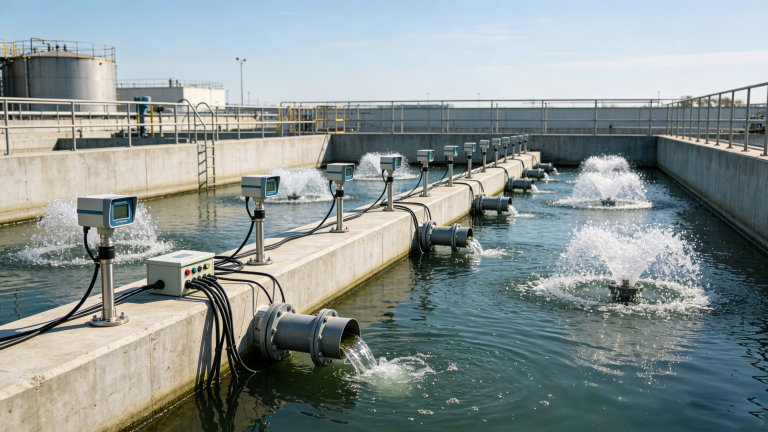
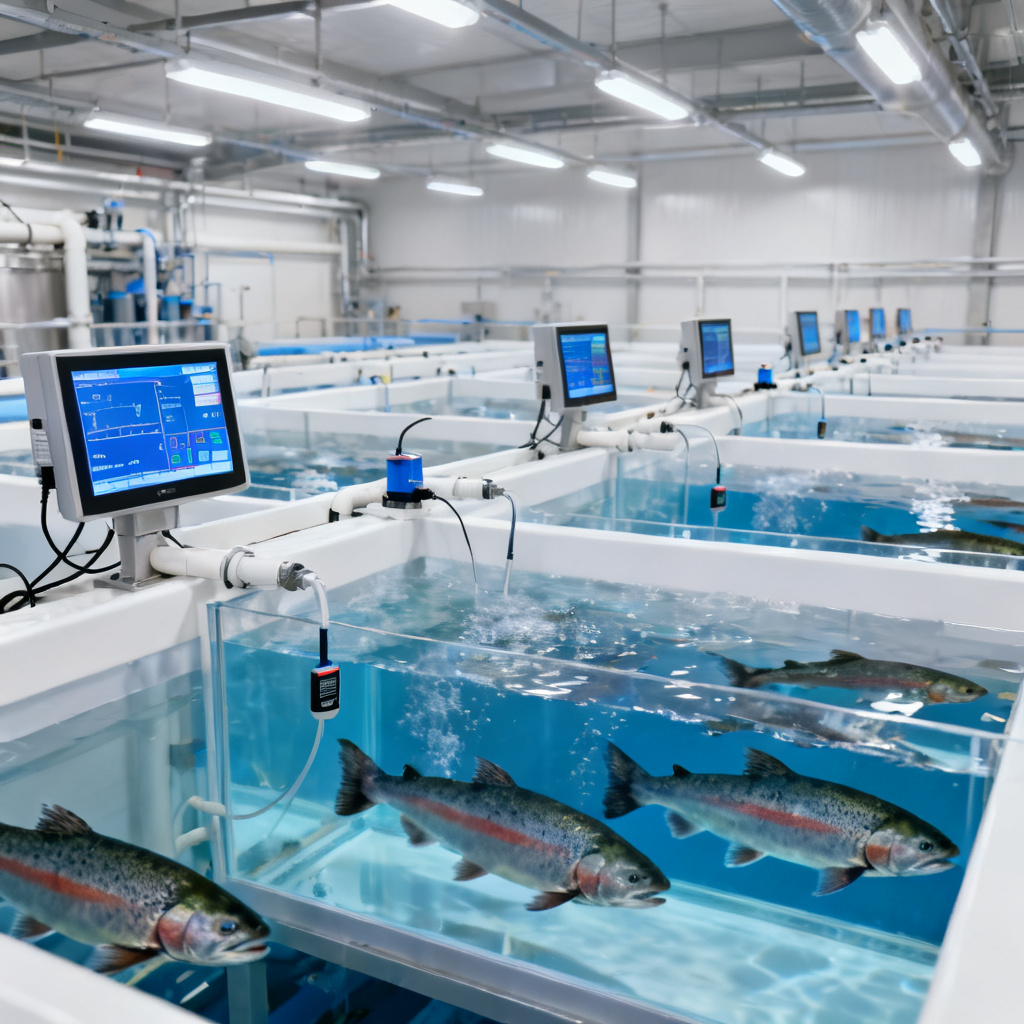
Winner: Optical DO sensors for aquaculture. RAS demands high-precision DO control (often 6–8 mg/L for salmon, 4–6 mg/L for shrimp). Electrochemical sensors struggle with drift and H₂S interference in biofilters. Optical sensors provide stable, low-maintenance data for automated oxygenation and degassing. A 500-ton RAS farm using optical sensors saved $12,000 per year in aeration electricity and $8,000 per year in labor vs. electrochemical.
Extensive Pond Aquaculture (Shrimp, Tilapia, Carp)
Winner: Depends on scale. For small ponds (<1 ha), electrochemical DO sensors for aquaculture may be sufficient if labor is cheap and sensors are checked daily. But drift can lead to missed low-oxygen events. For large ponds (>5 ha) or multi-pond operations, optical sensors reduce labor dramatically. With wireless telemetry, one worker can monitor 20+ ponds from a smartphone. For farms with >10 ponds, the labor savings from optical sensors alone justify the upgrade within 2 years.
Marine / Saltwater Aquaculture
Winner: Optical DO sensors for aquaculture. Saltwater accelerates corrosion and fouling on electrochemical membranes. Optical caps are more resistant to biofouling and require less frequent cleaning. No electrolyte leakage issues in saltwater. Longer sensor life (5+ years vs. 1–2 years for electrochemical in marine environments).
Hatcheries and Larval Rearing
Winner: Optical DO sensors for aquaculture. Larval stages require extremely stable DO (often 5–7 mg/L) and no oxygen consumption. Electrochemical sensors can deplete oxygen near the cathode, causing localized hypoxia and misleading readings. Optical sensors are non-consuming and provide accurate micro-environment data.
Total Cost of Ownership Comparison: 5-Year Model for DO Sensors
| Cost Category | Electrochemical (Per Sensor) | Optical (Per Sensor) |
|---|---|---|
| Initial Purchase | $200–$500 | $400–$900 |
| Annual Consumables | $50–$150 (membranes, electrolyte, anodes) | $30–$80 (cap replacement every 1–2 years) |
| Annual Labor (at $25/hr) | $200–$400 (30 min/week) | $25–$50 (10 min/month) |
| Replacement Sensor (Year 3) | $200–$500 (new sensor body) | $0 (sensor body lasts 5–10 years) |
| 5-Year TCO | $800–$1,500 | $600–$1,200 |
Optical DO sensors for aquaculture break even with electrochemical within 12–24 months, depending on labor rates and consumable costs. After that, optical provides net savings.
Common Myths About DO Sensors in Aquaculture
Myth 1: “Optical sensors are too expensive for small farms.”
While upfront cost is higher, the TCO over 3–5 years is often lower. Even a small farm with 5 sensors can save $200–$400 per year in labor and consumables.
Myth 2: “Electrochemical sensors are more accurate at low DO.”
The opposite is true. Optical sensors maintain linearity down to 0 mg/L, while electrochemical sensors can read falsely high due to oxygen depletion at the cathode.
Myth 3: “Optical sensors need no maintenance.”
They require less maintenance, but still need periodic cleaning of the cap to prevent biofilm fouling. However, no electrolyte or membrane replacement is needed.
Myth 4: “Electrochemical sensors are more reliable in dirty water.”
Both technologies are affected by fouling. However, optical caps are easier to clean (wipe vs. replace membrane) and are less sensitive to chemical fouling (e.g., H₂S, oil).
Decision Matrix: Choosing DO Sensors for Your Aquaculture Operation
| Factor | Choose Electrochemical If… | Choose Optical If… |
|---|---|---|
| Budget | Very limited upfront capital | Can invest for long-term savings |
| Labor Availability | Cheap, skilled labor available | Labor is expensive or scarce |
| Number of Sensors | <5 sensors | >10 sensors |
| Water Type | Freshwater, low biofouling | Marine, RAS, high biofouling |
| DO Range | >2 mg/L (not critical) | <2 mg/L or precise control needed |
| Automation | Manual monitoring | SCADA/PLC integration |
| Sensor Lifespan Expectation | 2–3 years | 5–10 years |
Real-World Case Studies: DO Sensor ROI in Aquaculture
Case Study 1: RAS Salmon Farm (Norway)
20 electrochemical sensors required 2 hours of maintenance daily. Drift caused false alarms in automated oxygenation. Switched to 20 optical sensors. Maintenance reduced to 1 hour weekly. Aeration energy costs dropped 22%. Feed conversion ratio improved from 1.3 to 1.25. ROI achieved in 14 months.
Case Study 2: Shrimp Pond Farm (Ecuador)
50 ponds monitored with electrochemical sensors. Laborers spent 4 hours daily cleaning and calibrating. Installed optical sensors with wireless telemetry. Labor reduced to 30 minutes daily. Mortality from low DO decreased by 18%. Payback period: 10 months.
Case Study 3: Tilapia Hatchery (Thailand)
Larval tanks required precise DO control. Electrochemical sensors read 0.3 mg/L high at low DO. Optical sensors installed. Larval survival rate increased from 72% to 85%. Annual profit increase: $15,000.
Future Trends: Why Optical DO Sensors Are Becoming the Standard
Major sensor manufacturers (YSI, Campbell Scientific, Hach) are phasing out electrochemical DO sensors in favor of optical for aquaculture. Optical sensors pair naturally with cloud-based monitoring platforms (e.g., AquaManager, Ubidots) due to their digital output and self-diagnostics. As optical technology matures, initial purchase prices are dropping; some low-cost optical sensors are now available for under $300. Lower energy consumption for aeration (due to tighter DO control) reduces the carbon footprint of aquaculture operations.
Conclusion: The ROI Verdict for DO Sensors in Aquaculture
For most commercial aquaculture operations, optical DO sensors for aquaculture deliver a superior ROI. The higher upfront cost is consistently offset by lower labor and consumable costs, reduced aeration energy (15–30% savings), improved stock survival and FCR (2–5% improvement), longer sensor lifespan (5–10 years vs. 2–3 years), and higher data reliability for automation and compliance. Electrochemical sensors still have a place in very small farms (<5 sensors) with low labor costs and minimal automation needs, or as a low-cost backup. Our recommendation: if you are operating a farm with >10 sensors, a RAS system, or marine aquaculture, invest in optical DO sensors. The ROI breakeven is typically within 12–18 months, and the long-term savings and operational peace of mind are unmatched.