Seafood Quality Assurance: How Dissolved Oxygen Monitoring Ensures Freshness, Safety, and Sustainability
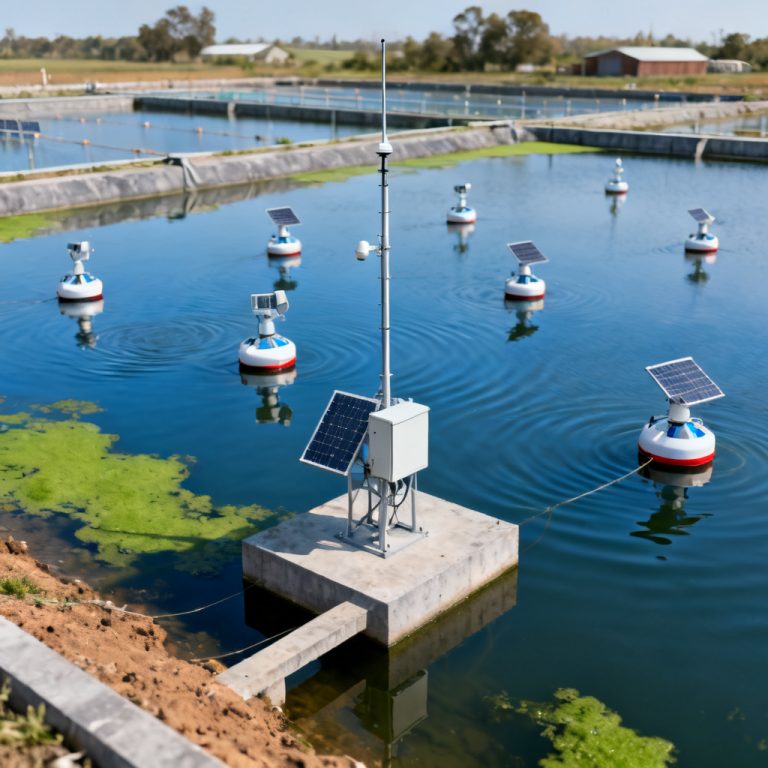
Seafood quality assurance starts with dissolved oxygen (DO) monitoring. In the global luxury seafood market, maintaining precise DO levels is the defining factor in freshness preservation and shelf life extension for high-end hotels and Michelin-starred restaurants. This guide explores how advanced sensing technology ensures product safety from ocean to table.
Why Seafood Quality Starts with Dissolved Oxygen
Seafood quality assurance depends on metabolic equilibrium. Dissolved oxygen is the primary regulator of the biological clock for aquatic species post-harvest.
The Science of Seafood Freshness
Optimal oxygen saturation preserves muscle glycogen and minimizes lactic acid buildup. Consistent dissolved oxygen (DO) monitoring ensures that cellular integrity remains intact throughout the supply chain.
DO as a Quality Indicator
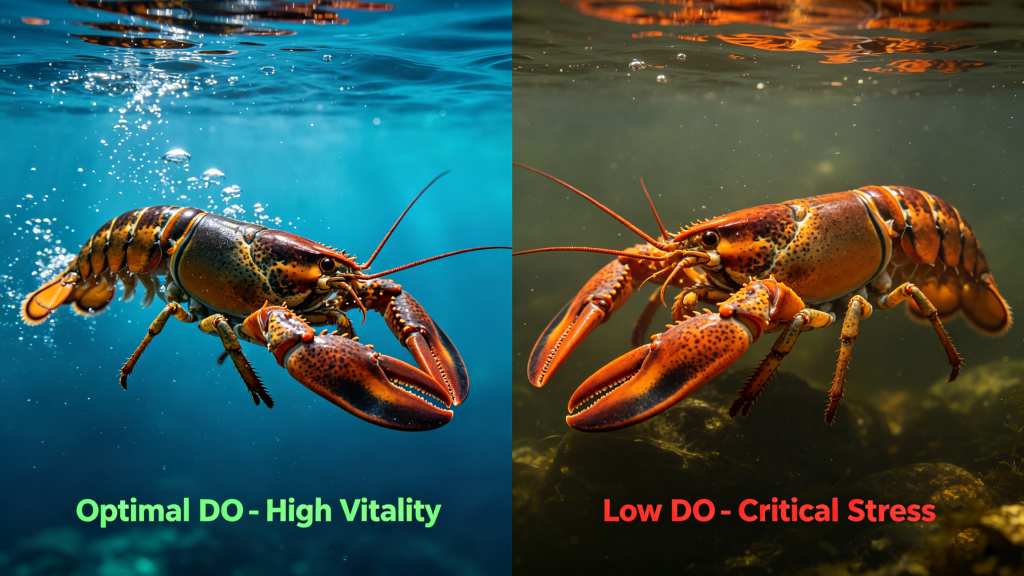
Low DO levels trigger a stress response, depleting ATP stores and leading to rapid spoilage. Maintaining high DO levels is essential for building customer trust and protecting brand reputation.
Dissolved oxygen (DO) monitoring during live seafood transportation
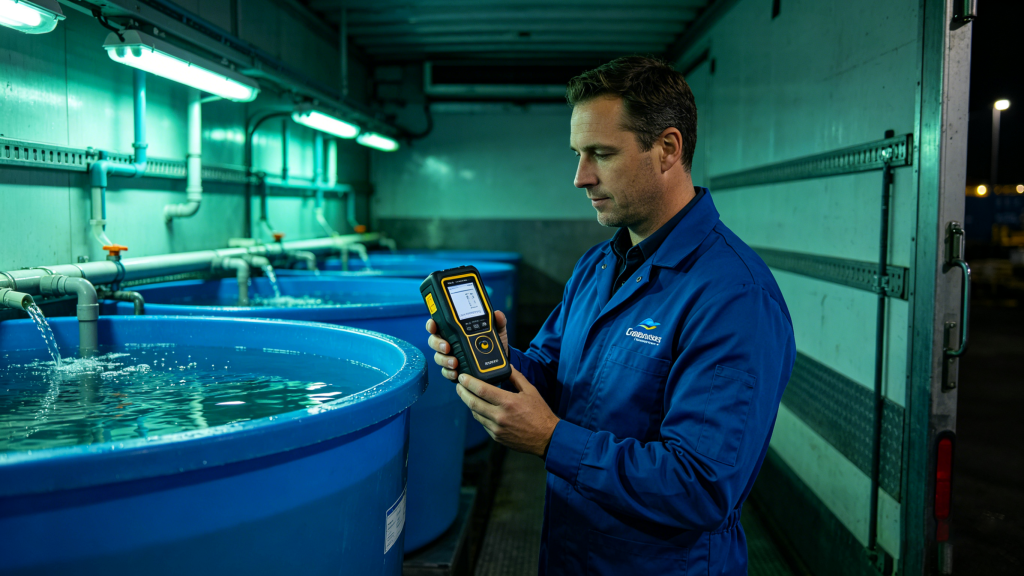
Live seafood transport DO management is a critical control point. High biomass density in transport vessels requires active aeration and constant surveillance.
Optimal dissolved oxygen levels for different species
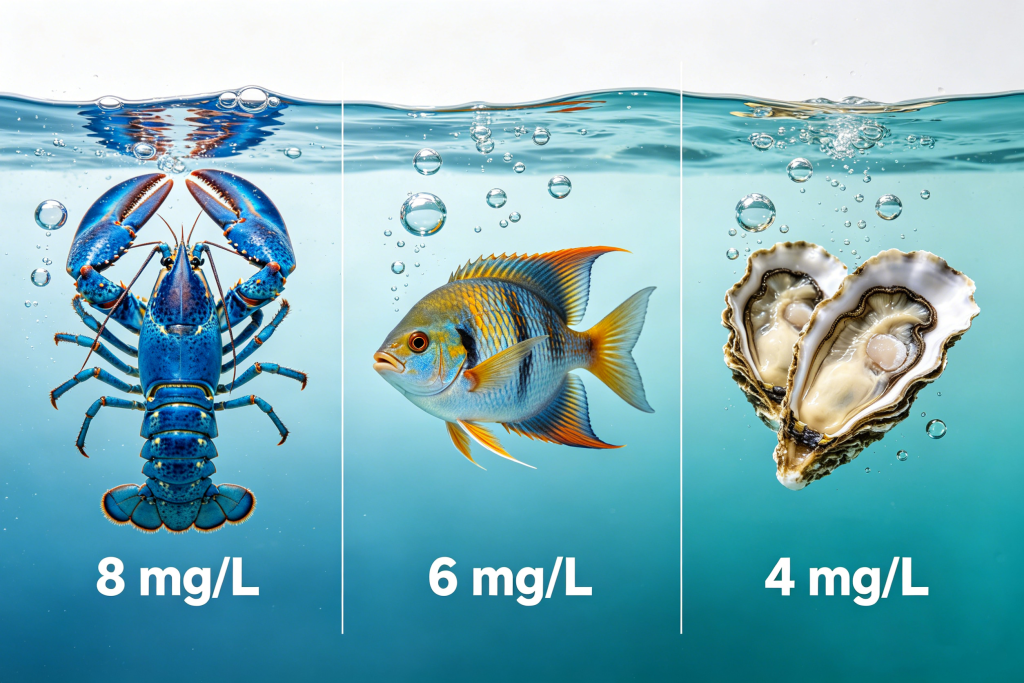
Successful stockpiling requires setting oxygen targets for specific species. Below is a structured demand data table:
| Species Category | Ideal DO Range (mg/L) | Temperature (°C) | Critical Threshold |
|---|---|---|---|
| Cold-Water Lobsters | 6.5 – 8.5 | 4 – 8 | < 4.0 mg/L |
| Tropical Finfish | 5.0 – 7.0 | 22 – 26 | < 3.0 mg/L |
| Mollusks (Oysters) | 4.0 – 6.0 | 5 – 12 | < 2.5 mg/L |
Transport Vessel DO Management
Oxygen solubility decreases as temperature rises. Utilizing portable DO meters for seafood quality allows logistics teams to prevent hypoxia during transit.
DO Monitoring in Live Seafood Holding Tanks
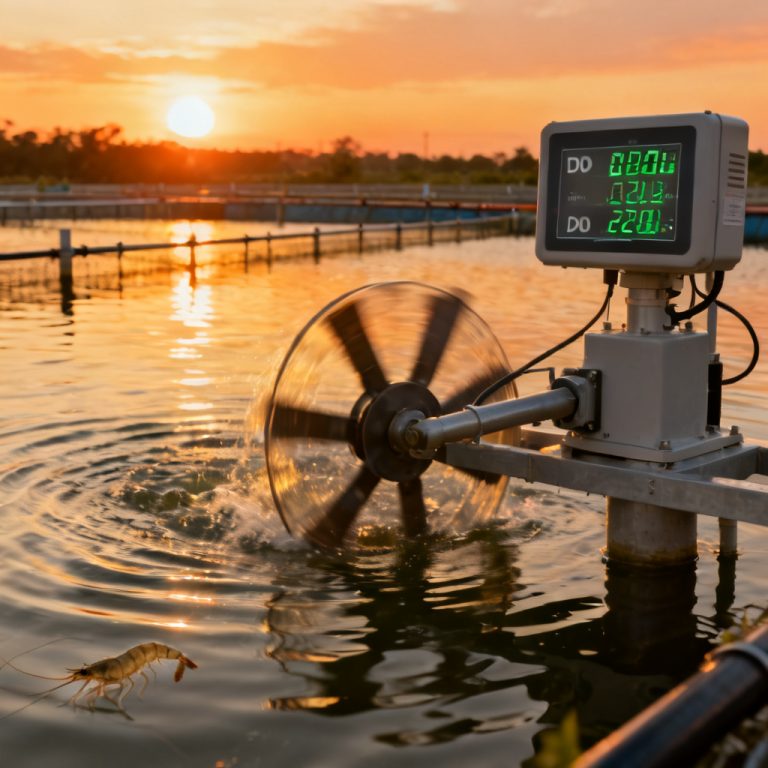
Dissolved oxygen (DO) monitoring in holding tanks prevents sudden mortality. Recirculating Aquaculture Systems (RAS) used in luxury resorts are susceptible to rapid DO depletion.
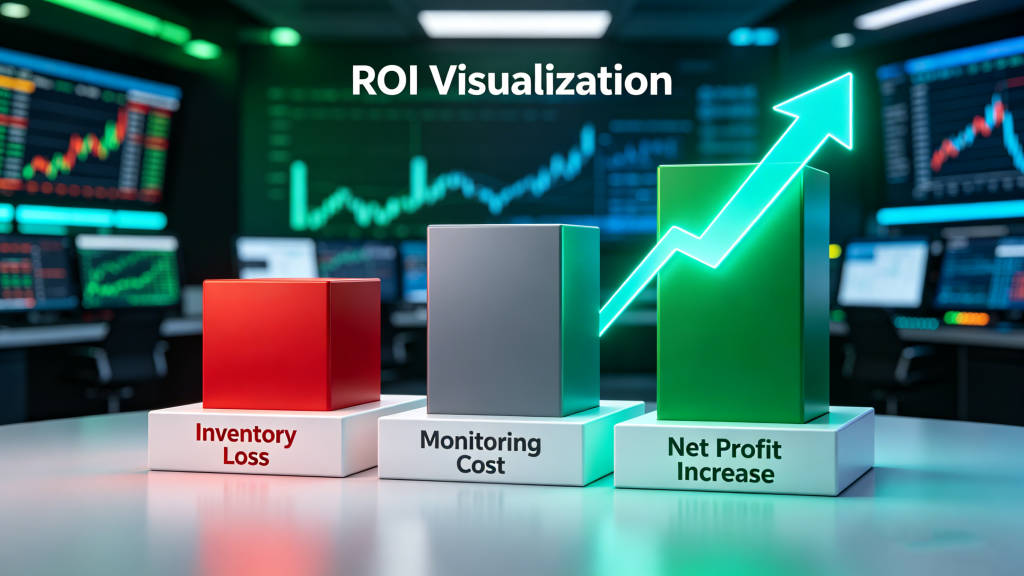
Costs of poor DO management
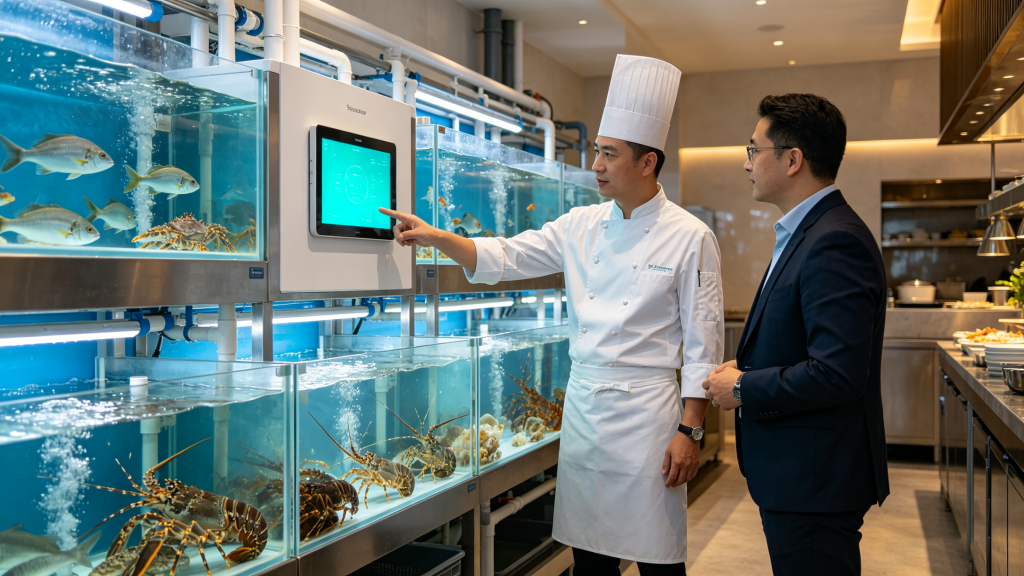
The financial impact of poor oxygenation includes mortality reduction failure and direct financial loss. Inventory protection is maximized when automated alarms are integrated into the holding system.
Regulatory Compliance and Sustainability Certifications
HACCP compliance identifies dissolved oxygen as a Critical Control Point (CCP). Digital data logging of DO levels provides the necessary audit trail for safety inspections.
Sustainability and quality certification

Ethical sourcing and premium quality certification (ASC/MSC) require strict adherence to animal welfare standards. Proper oxygenation is the cornerstone of these global benchmarks.
Technical selection for seafood quality management personnel
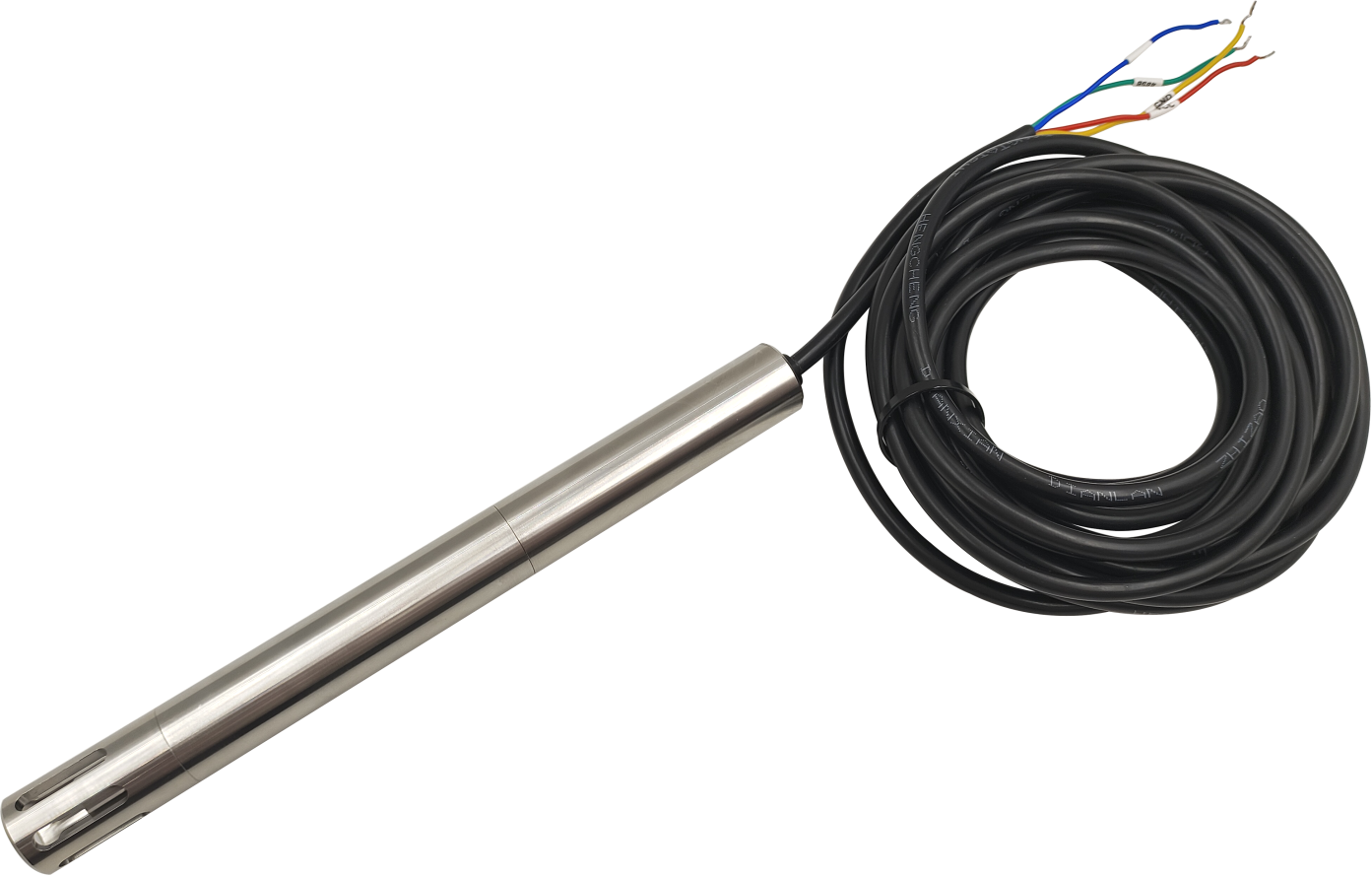
Dissolved oxygen (DO) monitoring technologies vary in maintenance and accuracy. Choosing the right sensor impacts long-term HACCP compliance.
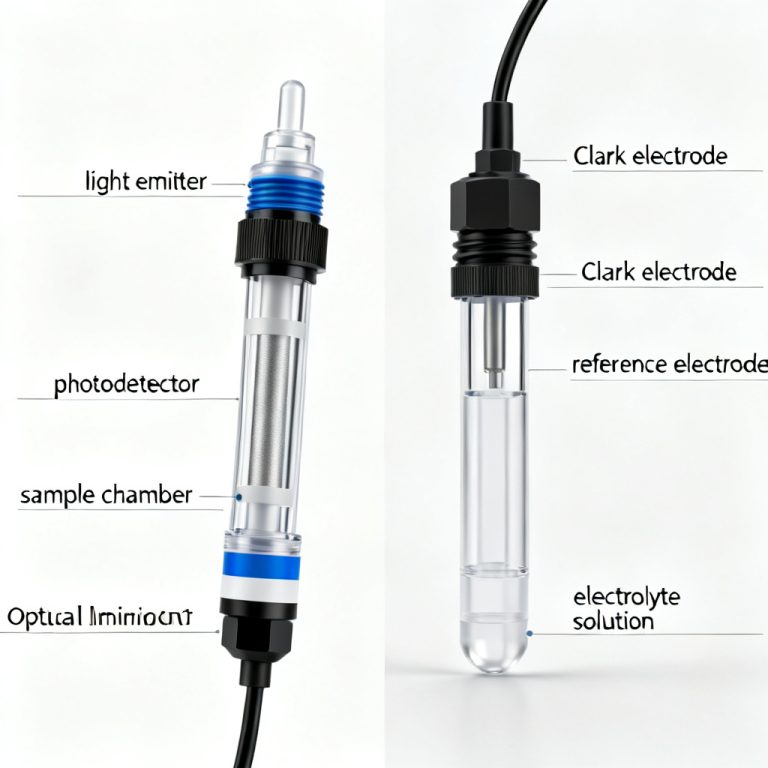
Optical vs. Electrochemical Sensors
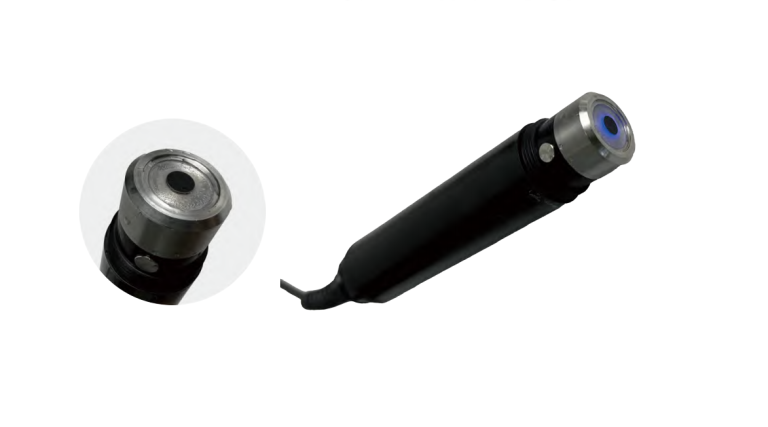
Optical Luminescence (LDO) sensors are the industry standard for continuous online DO monitoring due to their stability. Electrochemical sensors are budget-friendly options for basic live seafood transport DO requirements.
FAQ
Does water temperature affect dissolved oxygen requirements?
Absolutely. As temperature increases, oxygen solubility decreases. Effective live seafood transport DO management must account for these temperature interactions.
How does DO monitoring help with HACCP compliance?
It provides digital records that prove seafood quality assurance protocols were followed throughout the storage period, simplifying HACCP compliance audits.
What DO level should I maintain for live lobster tanks?
For cold-water species, maintain 6.0-8.0 mg/L. Dissolved oxygen (DO) monitoring is vital as temperatures fluctuate to ensure freshness preservation.
Can I use DO monitoring as a marketing differentiator?
Yes. Promoting “Oxygen-Monitored Live Seafood” helps build customer trust and supports premium quality certification claims in luxury resorts.