Regulatory Compliance Standards for Fisheries Discharge Monitoring: A Comprehensive Guide
Navigating regulatory compliance standards for fisheries discharge monitoring is essential for sustainable aquaculture operations and global market access. This guide consolidates authoritative frameworks from the EPA, NOAA, and FAO to help B2B exporters achieve full compliance.
1. Core Regulatory Frameworks and Their Scope for Fisheries Discharge Monitoring
1.1 U.S. EPA Clean Water Act (CWA) and NPDES Permits
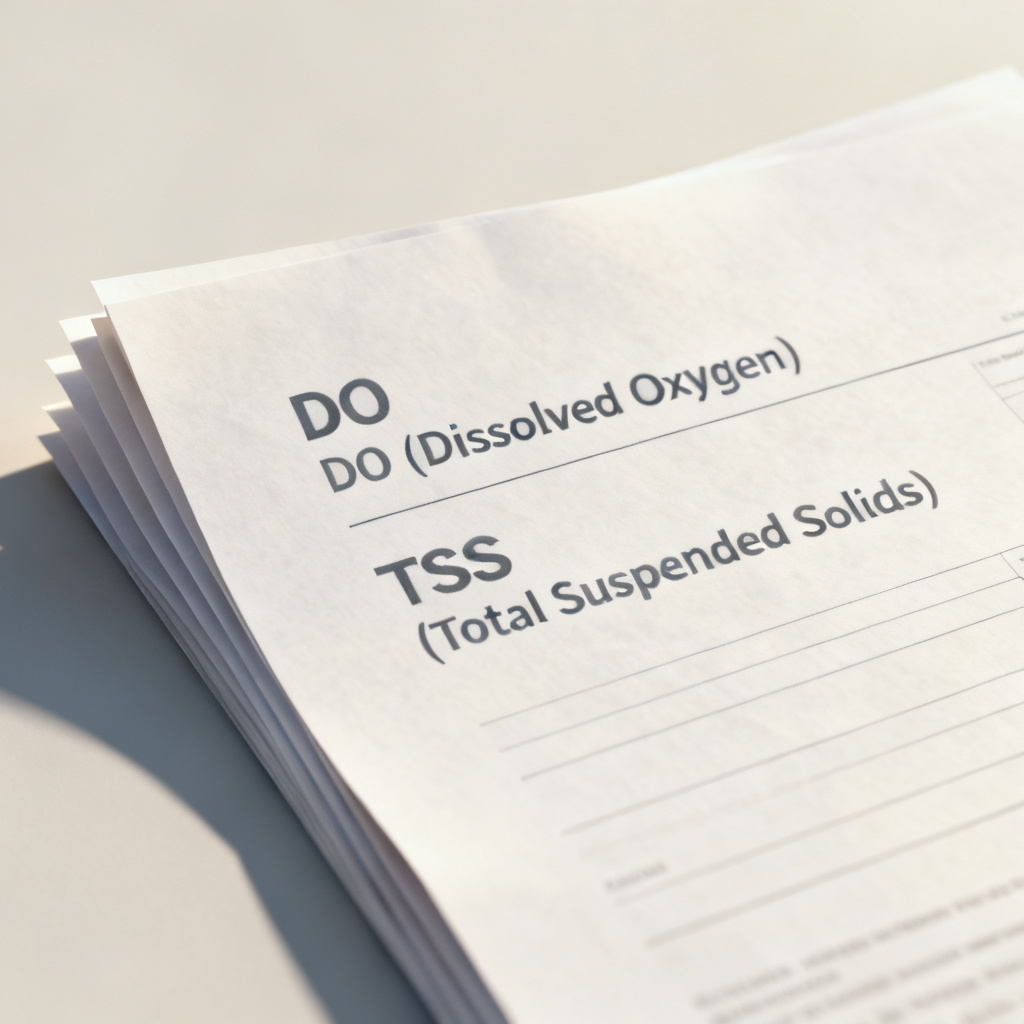
The American EPA’s Clean Water Act establishes the National Pollutant Discharge Elimination System (NPDES) for controlling point source discharges. Under the Effluent Limitations Guidelines (ELGs) for Aquatic Animal Production (40 CFR Part 451), facilities must monitor dissolved oxygen (DO), total suspended solids (TSS), pH, ammonia, and BOD5. Regulatory compliance standards for fisheries discharge monitoring under NPDES require daily, weekly, or monthly sampling depending on production volume. Discharge Monitoring Reports (DMRs) must be submitted to the EPA or authorized state agencies, with records retained for at least three years.
1.2 NOAA Fisheries and the Magnuson-Stevens Act
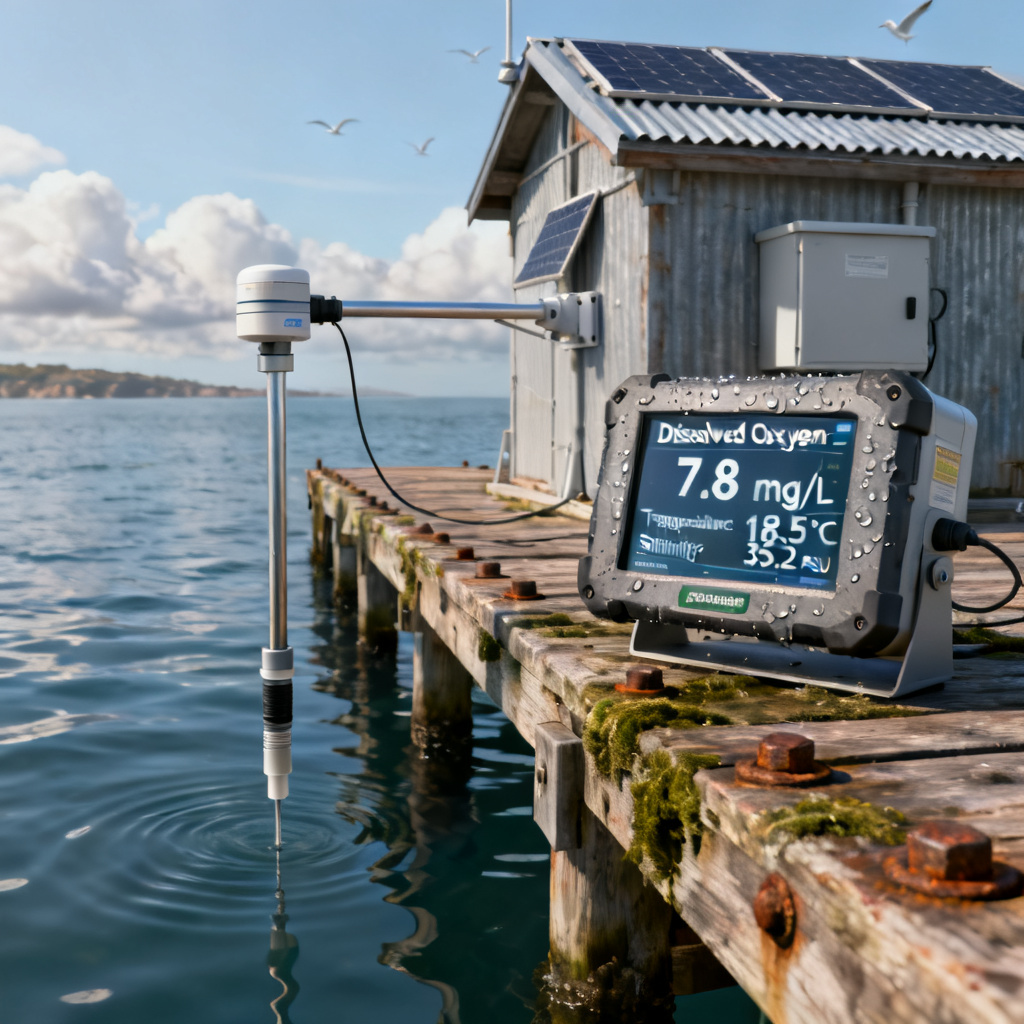
NOAA Fisheries oversees Essential Fish Habitat (EFH) provisions under the Magnuson-Stevens Act. Discharge monitoring is required to assess impacts on habitat, with dissolved oxygen as a critical parameter. Under the Marine Mammal Protection Act and Endangered Species Act, NOAA mandates monitoring to prevent hypoxia events. The National Aquaculture Policy emphasizes best management practices, including real-time DO monitoring using advanced sensors to ensure regulatory compliance standards for fisheries discharge monitoring in sensitive ecosystems.
1.3 FAO and IMO International Guidelines
The FAO Code of Conduct for Responsible Fisheries recommends monitoring effluents for DO, organic matter, and nutrients. The IMO MARPOL Annex IV and V govern sewage and garbage discharges from vessels, requiring DO and BOD monitoring in treated effluents. The Ballast Water Management Convention mandates monitoring of residual oxidants and DO levels. These international frameworks align with regulatory compliance standards for fisheries discharge monitoring for global export operations.
2. Key Monitoring Parameters in Compliance Standards
2.1 Dissolved Oxygen (DO)
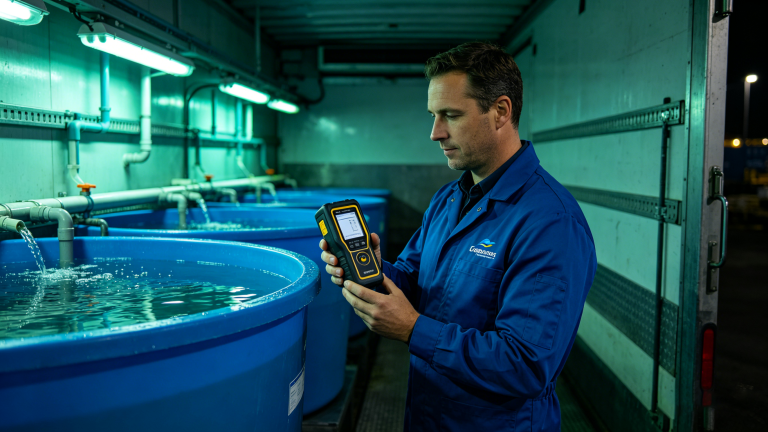
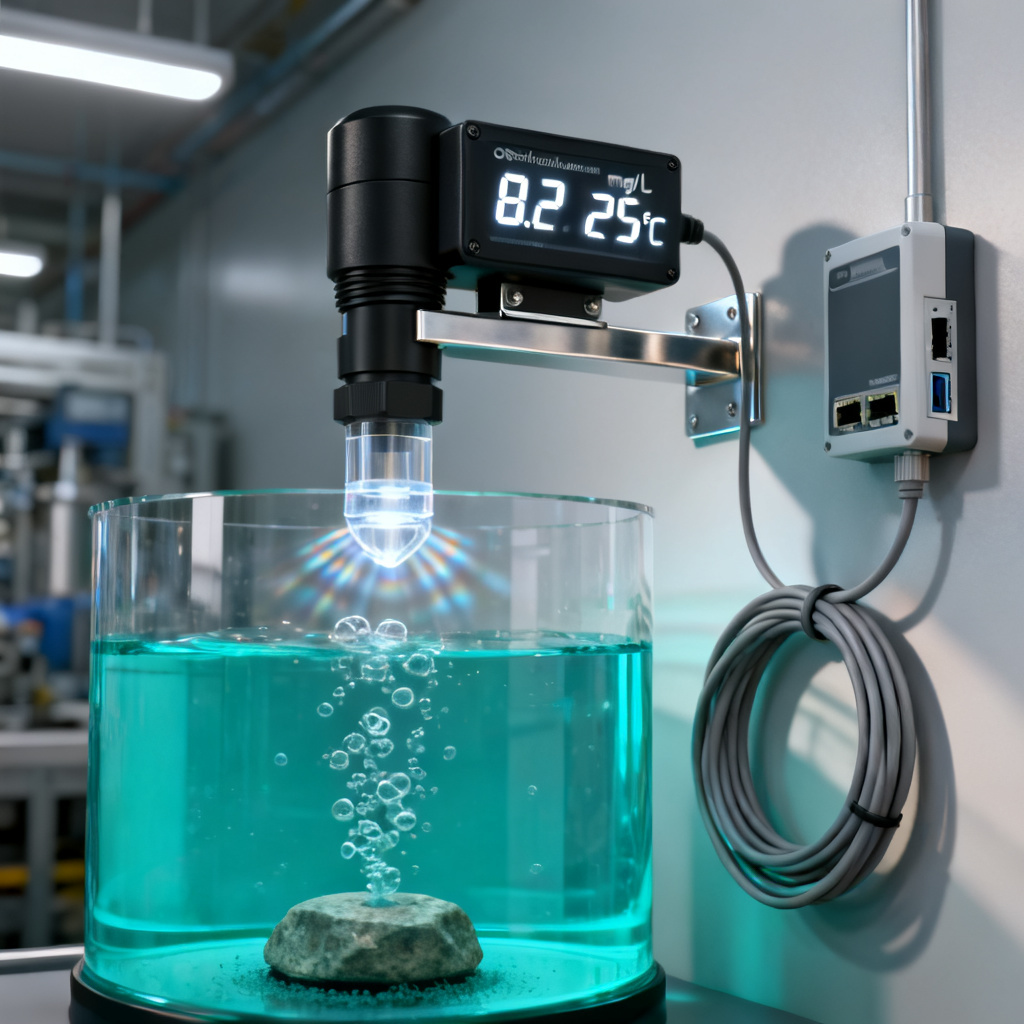
Dissolved oxygen is the most critical parameter. EPA standards require minimum DO of 5.0 mg/L for coldwater fisheries and 4.0 mg/L for warmwater. NOAA recommends real-time DO monitoring for net pen operations, with effluent not causing DO to drop below 5.0 mg/L in the mixing zone. FAO suggests effluent DO above 5.0 mg/L, with 6.0 mg/L for recirculating systems. Optical dissolved oxygen sensors with automatic calibration and data logging are essential for meeting regulatory compliance standards for fisheries discharge monitoring.
| Parameter | EPA Standard | NOAA Guidance | FAO Recommendation |
|---|---|---|---|
| Minimum DO (Coldwater) | 5.0 mg/L | 5.0 mg/L | 5.0 mg/L |
| Minimum DO (Warmwater) | 4.0 mg/L | 4.0 mg/L | 4.5 mg/L |
| Effluent DO (RAS) | 6.0 mg/L | 6.0 mg/L | 6.0 mg/L |
2.2 Total Suspended Solids (TSS) and pH
TSS limits under EPA ELGs are 30-50 mg/L monthly average, with pH required between 6.0-9.0 SU. NOAA and FAO recommend TSS monitoring to assess solids removal effectiveness. Unionized ammonia (NH3) must not exceed 0.035 mg/L per EPA acute criteria. Continuous DO monitoring is linked to ammonia levels because low DO inhibits nitrification, a key aspect of regulatory compliance standards for fisheries discharge monitoring.
2.3 Biochemical Oxygen Demand (BOD5)
BOD5 limits for large facilities are 30-50 mg/L monthly average under EPA. FAO recommends BOD5 below 30 mg/L for freshwater and 20 mg/L for marine discharge. High BOD5 indicates organic pollution, which directly impacts DO levels in receiving waters.
3. Compliance Strategies and Best Practices
3.1 Developing a Monitoring Plan
A robust plan includes site-specific risk assessment, parameter selection (DO, TSS, pH, TAN), and sampling frequency. Use continuous sensors with hourly data logging for DO. Calibration logs must be maintained per EPA requirements. Regulatory compliance standards for fisheries discharge monitoring demand that all sensors be verified with standards.
3.2 Using Advanced Sensors for Compliance
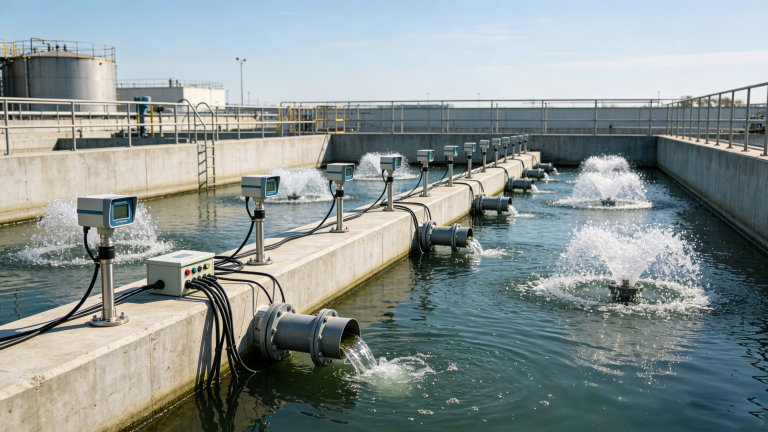
Optical DO sensors are preferred by EPA and NOAA for drift-free accuracy in low DO conditions. Automated data logging simplifies DMR reporting. Sensors with alarms for DO below 5.0 mg/L enable corrective action before violations occur. Integrating these sensors into SCADA systems ensures real-time regulatory compliance standards for fisheries discharge monitoring.
3.3 Recordkeeping and Reporting
Submit DMRs via EPA’s Central Data Exchange. For NOAA, submit annual DO profiles. FAO recommends annual environmental performance reports. Maintain records for at least three years.
3.4 Common Pitfalls
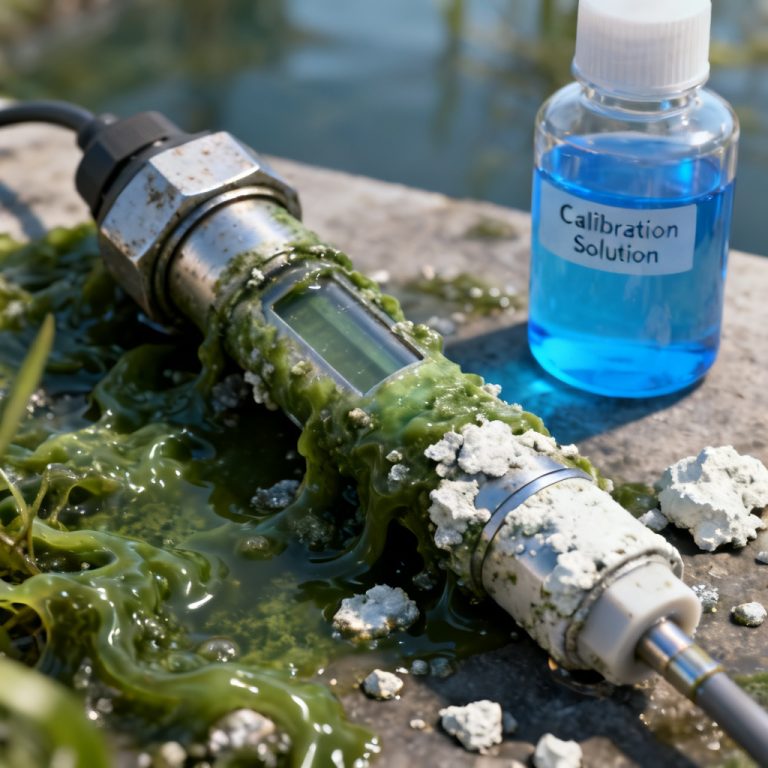
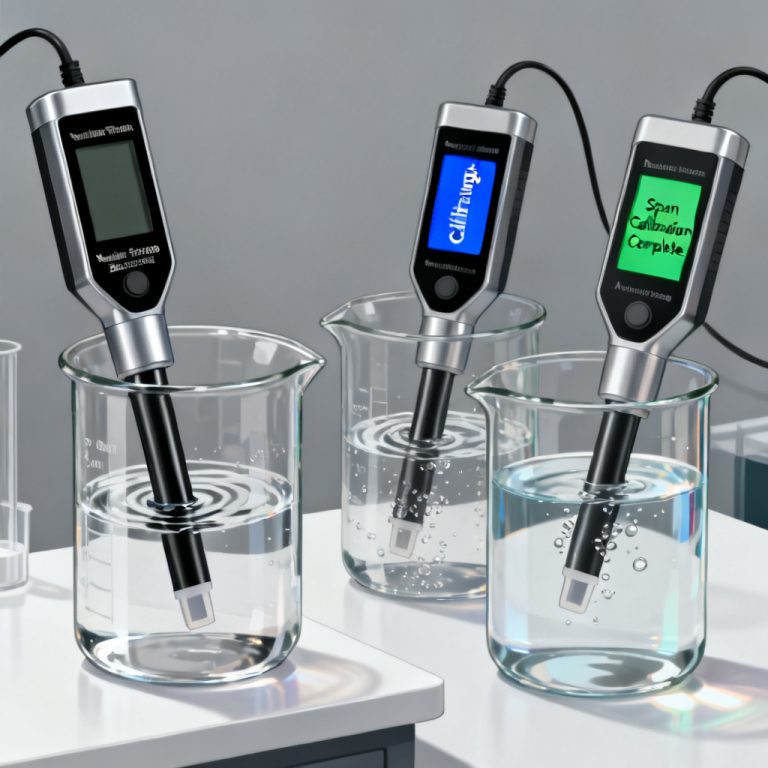
Avoid inadequate sensor calibration, ignoring mixing zones, and neglecting seasonal DO variations. Use two-point calibration weekly and adjust aeration based on real-time data.
4. Case Studies in Compliance
4.1 Net Pen Salmon Farm in Puget Sound
Optical DO sensors at 10-meter intervals demonstrated DO never fell below 5.0 mg/L beyond the mixing zone. Automated aeration triggered by DO below 5.5 mg/L ensured compliance with EPA and NOAA standards.
4.2 Recirculating Aquaculture System in Norway
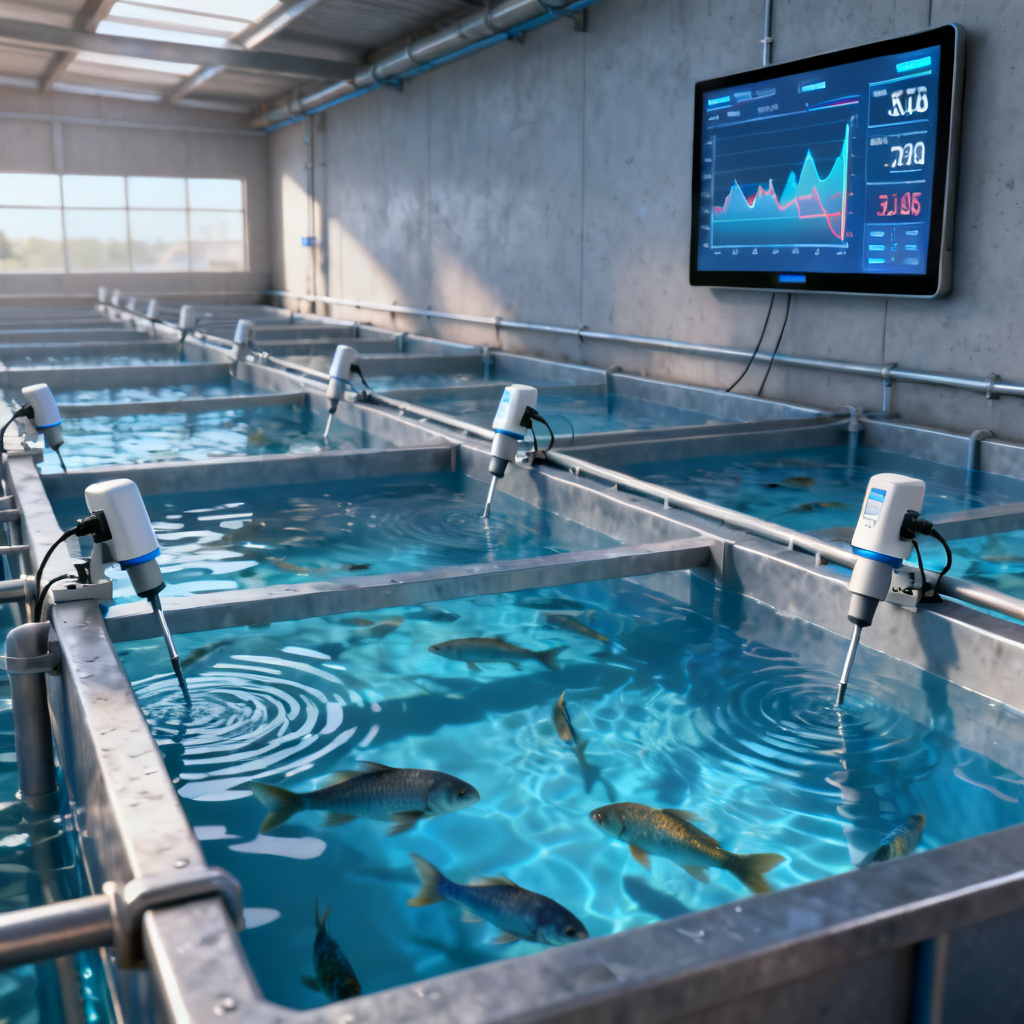
A multi-parameter sensor suite with cloud reporting optimized recirculation rates, reducing discharge by 40% while maintaining DO above 6.0 mg/L. The system auto-generated DMR-compliant reports.
4.3 Fisheries Vessel in the North Sea
Optical DO sensors in the biological treatment system ensured effluent DO above 2.0 mg/L per IMO MARPOL Annex IV, avoiding violations during port inspections.
5. Future Trends in Discharge Monitoring
Stricter DO standards for climate resilience, IoT-enabled real-time compliance, and integration with circular economy goals are emerging. Advanced multi-parameter sensors will become standard for regulatory compliance standards for fisheries discharge monitoring.
Frequently Asked Questions
What are the key regulatory bodies for fisheries discharge monitoring?
The EPA, NOAA, FAO, and IMO set regulatory compliance standards for fisheries discharge monitoring for U.S. and international operations.
Why is dissolved oxygen critical in discharge monitoring?
DO levels directly impact aquatic life health and are a primary parameter in all regulatory compliance standards for fisheries discharge monitoring.
How often should DO sensors be calibrated?
EPA recommends weekly two-point calibration to ensure accurate regulatory compliance standards for fisheries discharge monitoring.
What technology is best for DO monitoring?
Optical dissolved oxygen sensors with data logging are preferred for meeting regulatory compliance standards for fisheries discharge monitoring.